Le Nhat-Tu, Corsetti James P, Dehoff-Sparks Janet L, Sparks Charles E, Fujiwara Keigi, Abe Jun-Ichi
School of Medicine & Dentistry, Aab Cardiovascular Research Institute, University of Rochester Medical Center, 601 Elmwood Avenue, Box CVRI, Rochester, NY 14642, USA.
Int J Inflam. 2012;2012:678190. doi: 10.1155/2012/678190. Epub 2012 Sep 6.
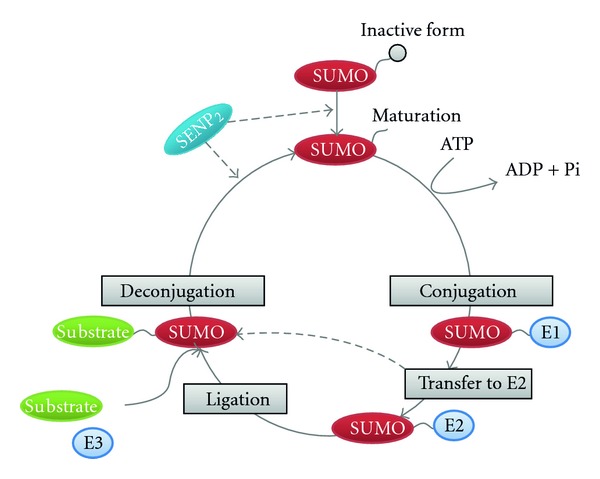
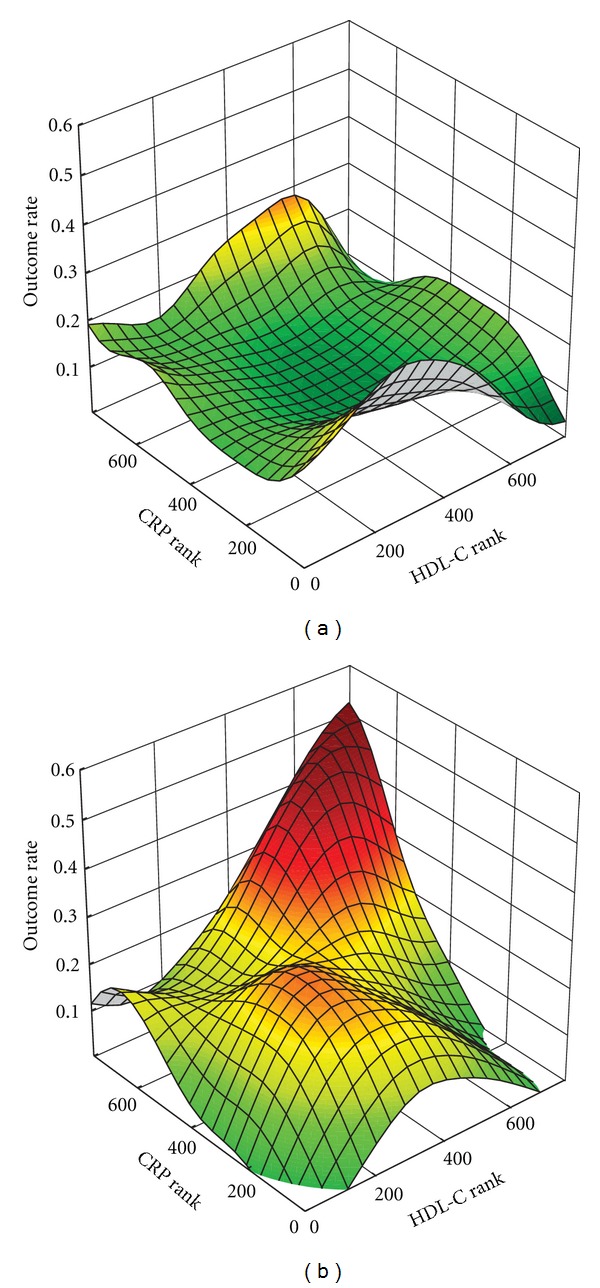
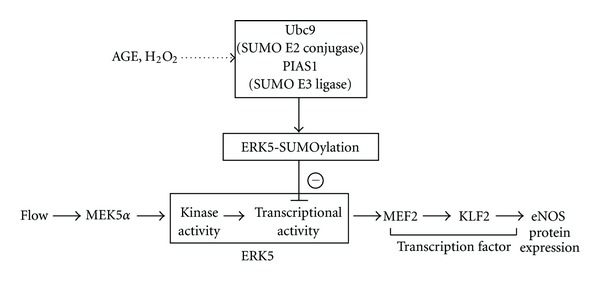
Although the exact mechanism through which NADPH oxidases (Nox's) generate reactive oxygen species (ROS) is still not completely understood, it is widely considered that ROS accumulation is the cause of oxidative stress in endothelial cells. Increasing pieces of evidence strongly indicate the role for ROS in endothelial inflammation and dysfunction and subsequent development of atherosclerotic plaques, which are causes of various pathological cardiac events. An overview for a causative relationship between ROS and endothelial inflammation will be provided in this review. Particularly, a crucial role for specific protein SUMOylation in endothelial inflammation will be presented. Given that SUMOylation of specific proteins leads to increased endothelial inflammation, targeting specific SUMOylated proteins may be an elegant, effective strategy to control inflammation. In addition, the involvement of ROS production in increasing the risk of recurrent coronary events in a sub-group of non-diabetic, post-infarction patients with elevated levels of HDL-cholesterol will be presented with the emphasis that elevated HDL-cholesterol under certain inflammatory conditions can lead to increased incidence of cardiovascular events.
尽管烟酰胺腺嘌呤二核苷酸磷酸氧化酶(Nox)产生活性氧(ROS)的确切机制仍未完全明确,但人们普遍认为ROS积累是内皮细胞氧化应激的原因。越来越多的证据有力地表明ROS在内皮炎症、功能障碍以及随后动脉粥样硬化斑块形成中所起的作用,而这些正是各种病理性心脏事件的病因。本综述将概述ROS与内皮炎症之间的因果关系。特别地,将阐述特定蛋白质SUMO化在内皮炎症中的关键作用。鉴于特定蛋白质的SUMO化会导致内皮炎症加剧,靶向特定的SUMO化蛋白质可能是控制炎症的一种巧妙、有效的策略。此外,还将介绍ROS产生在增加非糖尿病、心肌梗死后HDL胆固醇水平升高患者亚组复发性冠状动脉事件风险中的作用,并强调在某些炎症条件下HDL胆固醇升高会导致心血管事件发生率增加。