Say Emil Anthony T, Shah Sanket U, Ferenczy Sandor, Shields Carol L
Oncology Service, Wills Eye Institute, Thomas Jefferson University, Suite 1440, 840 Walnut Street, Philadelphia, PA 19107, USA.
J Ophthalmol. 2012;2012:385058. doi: 10.1155/2011/385058. Epub 2011 Jun 8.
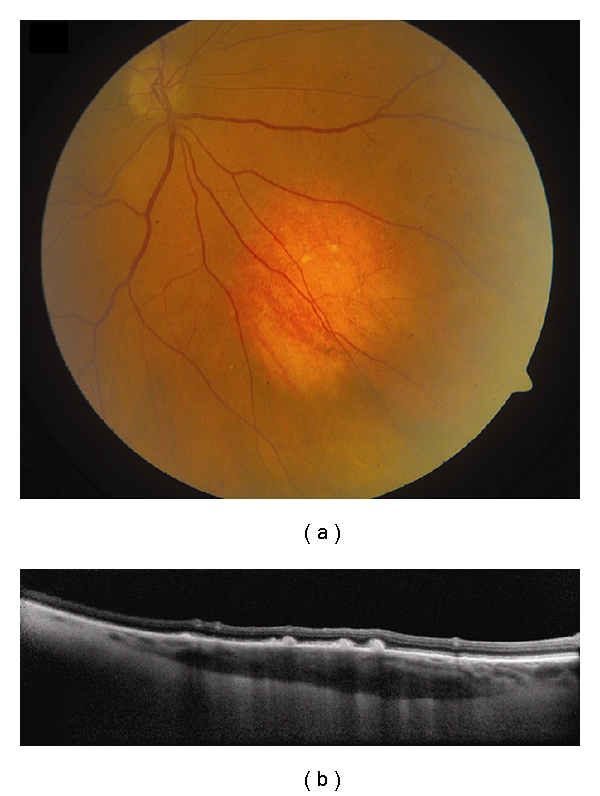
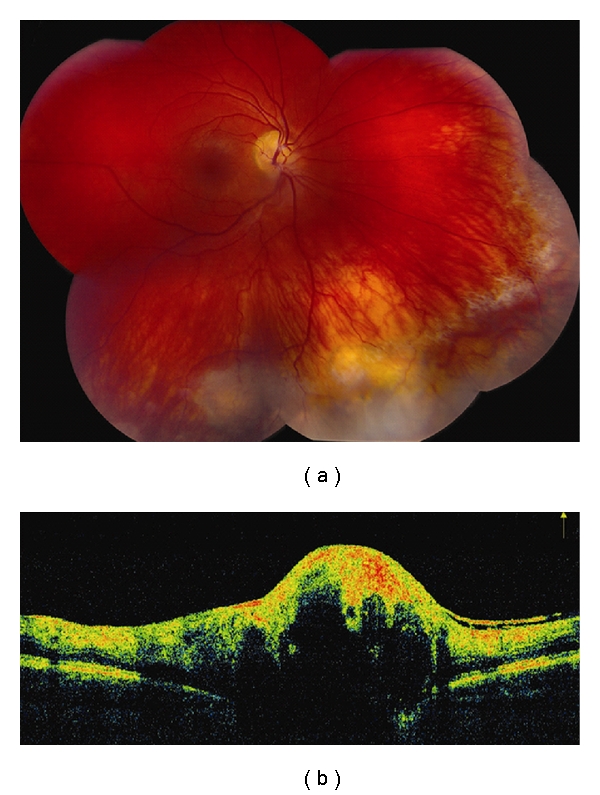
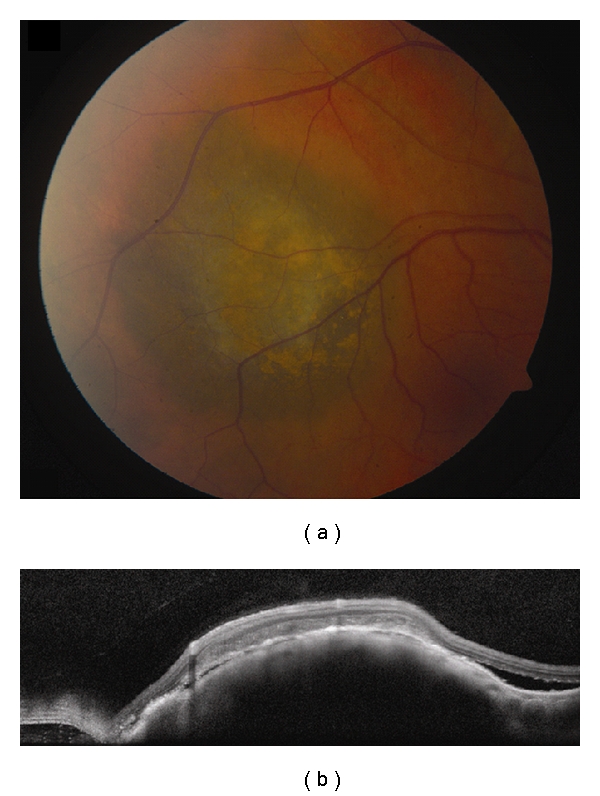
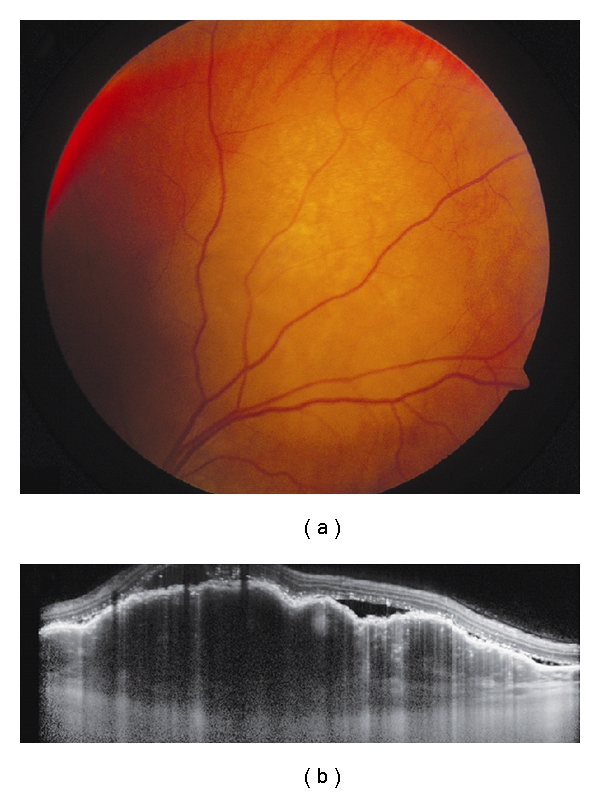
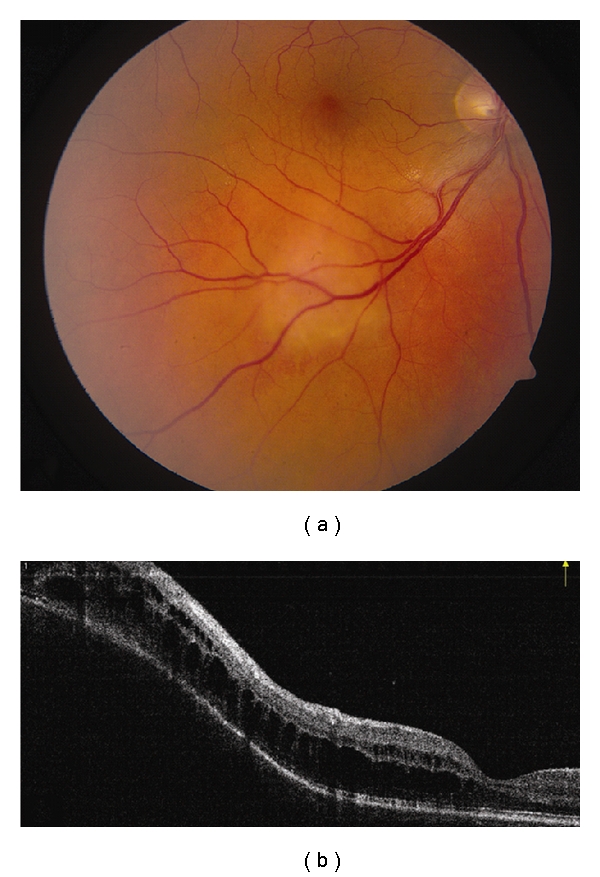
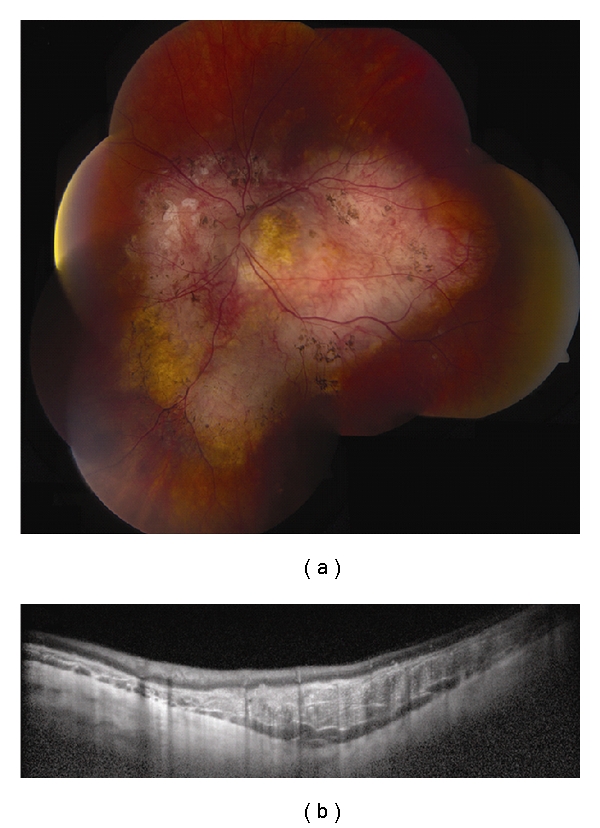
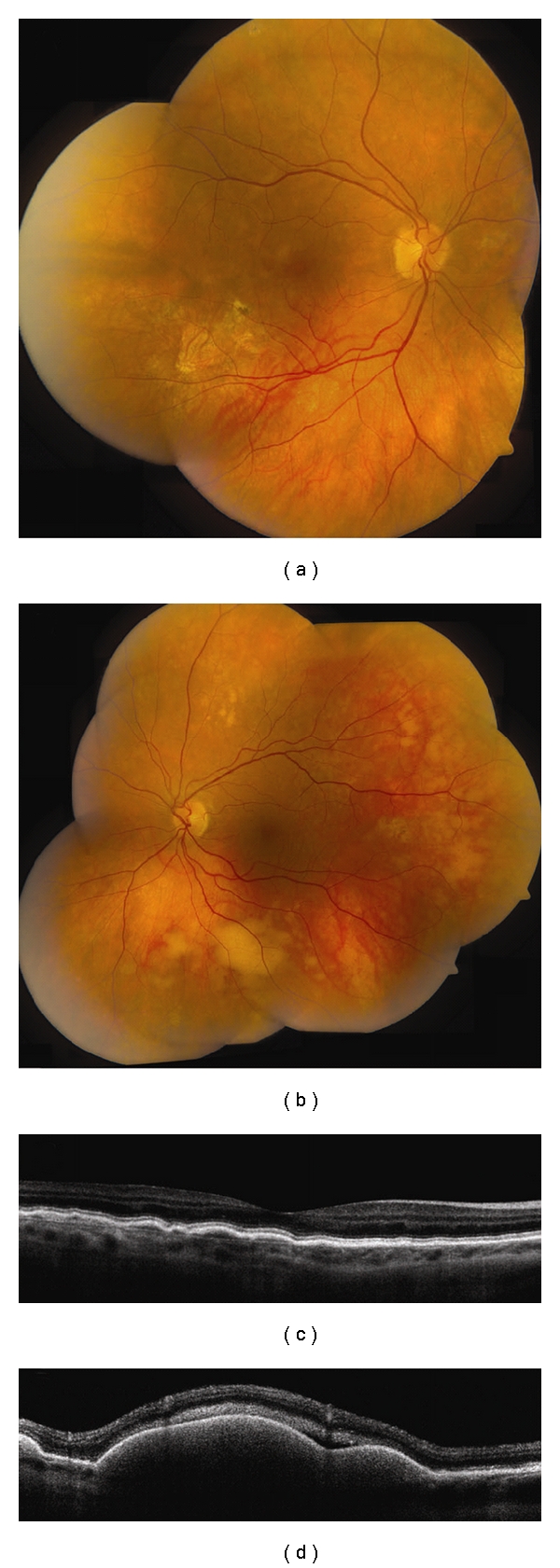
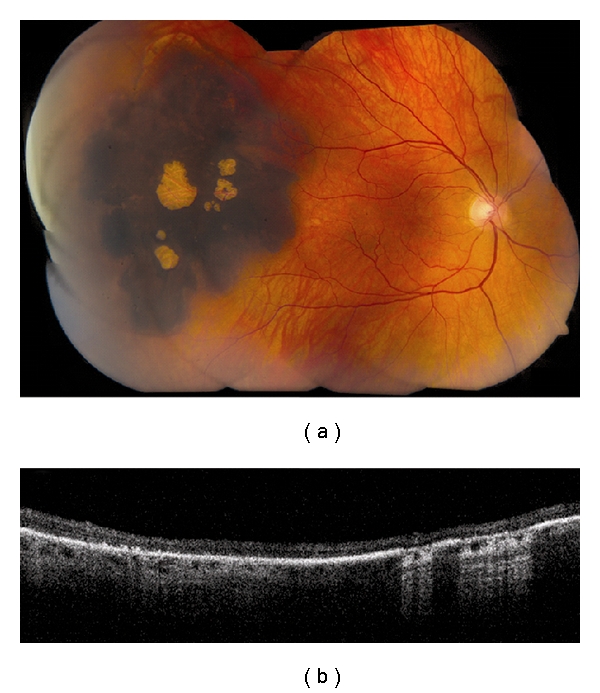
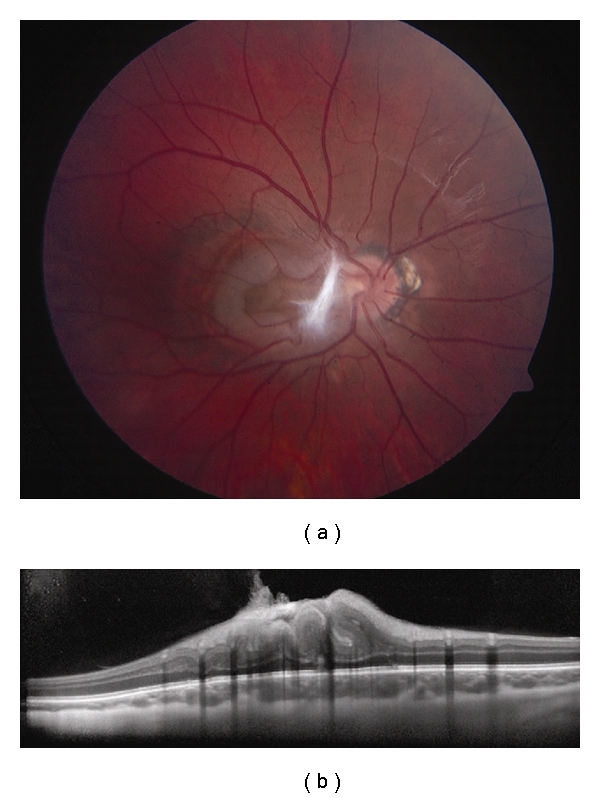
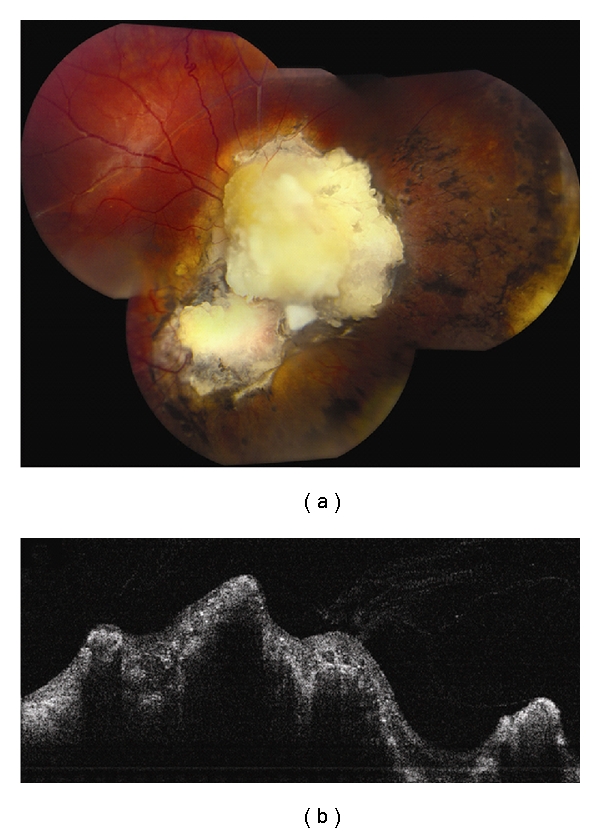
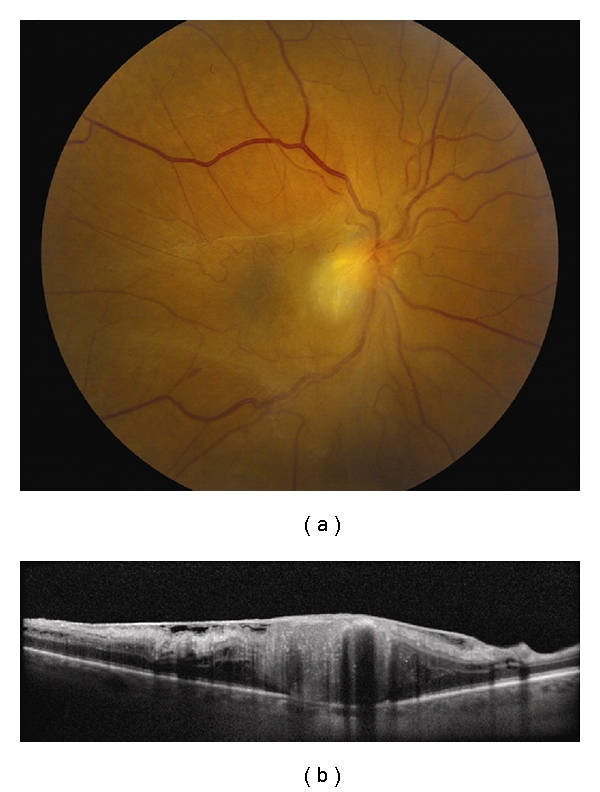
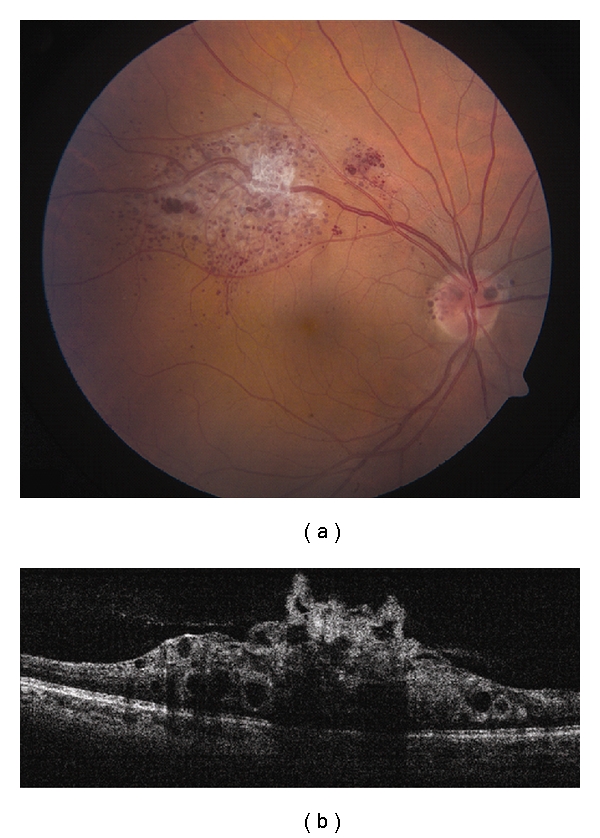
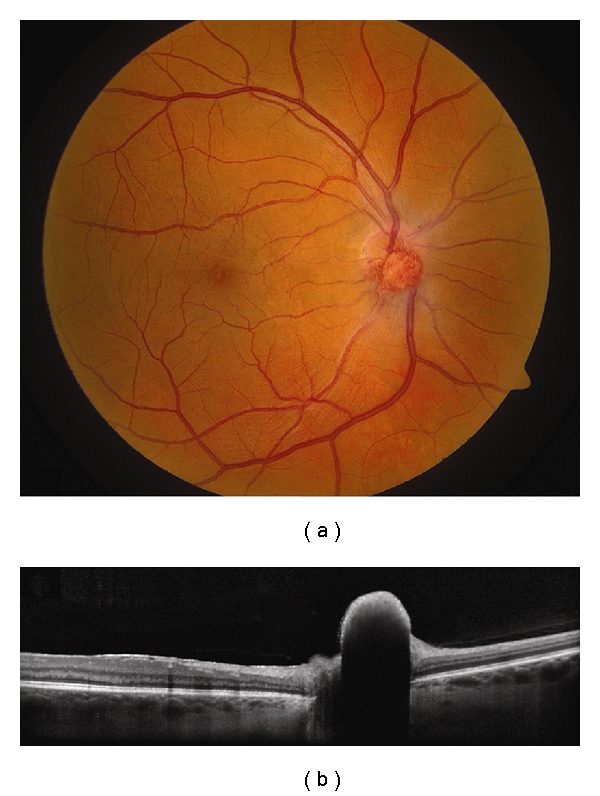
Optical coherence tomography (OCT) has revolutionized the field of ophthalmology since its introduction 20 years ago. Originally intended primarily for retina specialists to image the macula, it has found its role in other subspecialties that include glaucoma, cornea, and ocular oncology. In ocular oncology, OCT provides axial resolution to approximately 7 microns with cross-sectional images of the retina, delivering valuable information on the effects of intraocular tumors on the retinal architecture. Some effects include retinal edema, subretinal fluid, retinal atrophy, photoreceptor loss, outer retinal thinning, and retinal pigment epithelial detachment. With more advanced technology, OCT now provides imaging deeper into the choroid using a technique called enhanced depth imaging. This allows characterization of the thickness and reflective quality of small (<3 mm thick) choroidal lesions including choroidal nevus and melanoma. Future improvements in image resolution and depth will allow better understanding of the mechanisms of visual loss, tumor growth, and tumor management.
自20年前引入以来,光学相干断层扫描(OCT)彻底改变了眼科领域。它最初主要供视网膜专家用于黄斑成像,如今已在青光眼、角膜和眼部肿瘤学等其他亚专业领域发挥作用。在眼部肿瘤学中,OCT能提供约7微米的轴向分辨率,生成视网膜的横截面图像,提供有关眼内肿瘤对视网膜结构影响的有价值信息。一些影响包括视网膜水肿、视网膜下液、视网膜萎缩、光感受器丧失、外层视网膜变薄以及视网膜色素上皮脱离。随着技术的不断进步,OCT现在使用一种称为增强深度成像的技术,能够对脉络膜进行更深层次的成像。这使得能够对小的(厚度小于3毫米)脉络膜病变(包括脉络膜痣和黑色素瘤)的厚度和反射特性进行表征。图像分辨率和深度的未来改进将有助于更好地理解视力丧失机制、肿瘤生长和肿瘤管理。