Shlyakhtenko Luda S, Gall Alexander A, Lyubchenko Yuri L
Department of Pharmaceutical Sciences, University of Nebraska Medical Center, Omaha, NE, USA.
Methods Mol Biol. 2013;931:295-312. doi: 10.1007/978-1-62703-056-4_14.
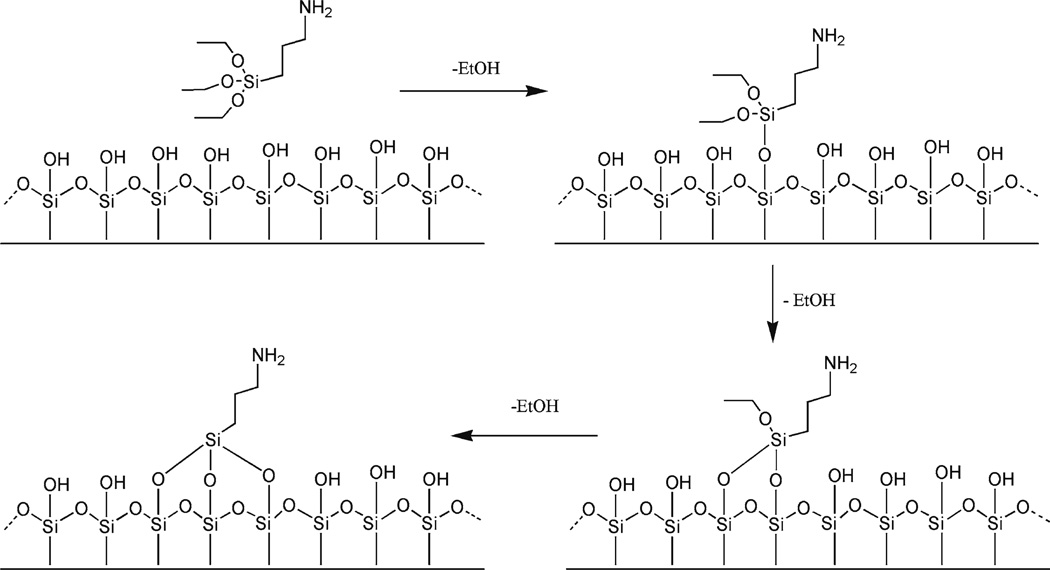
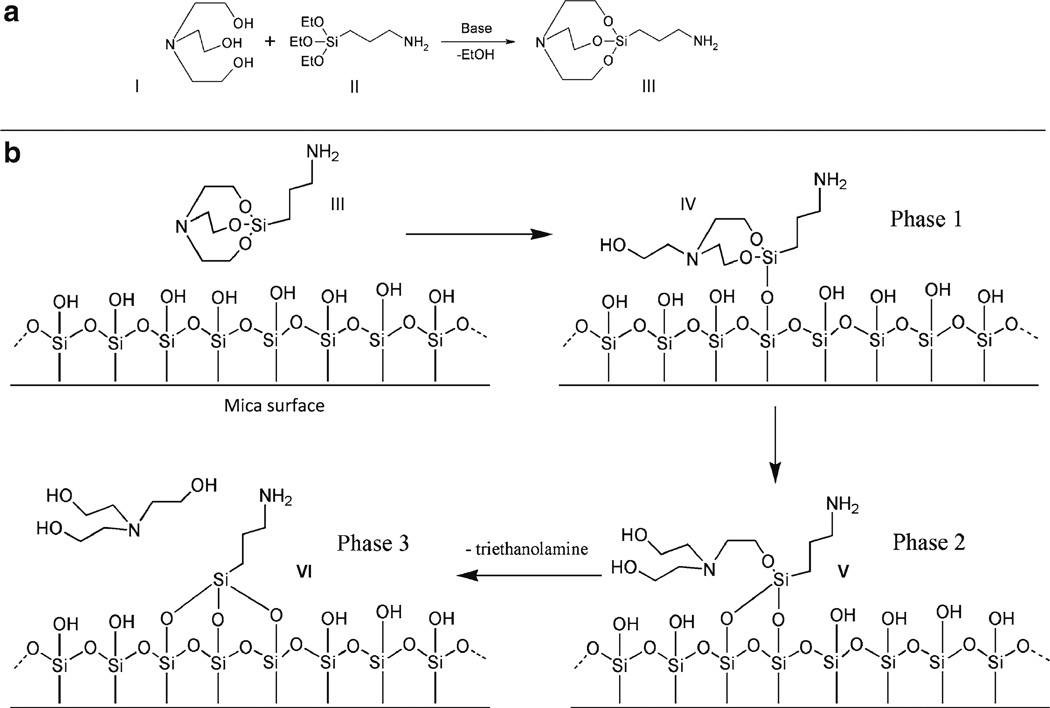
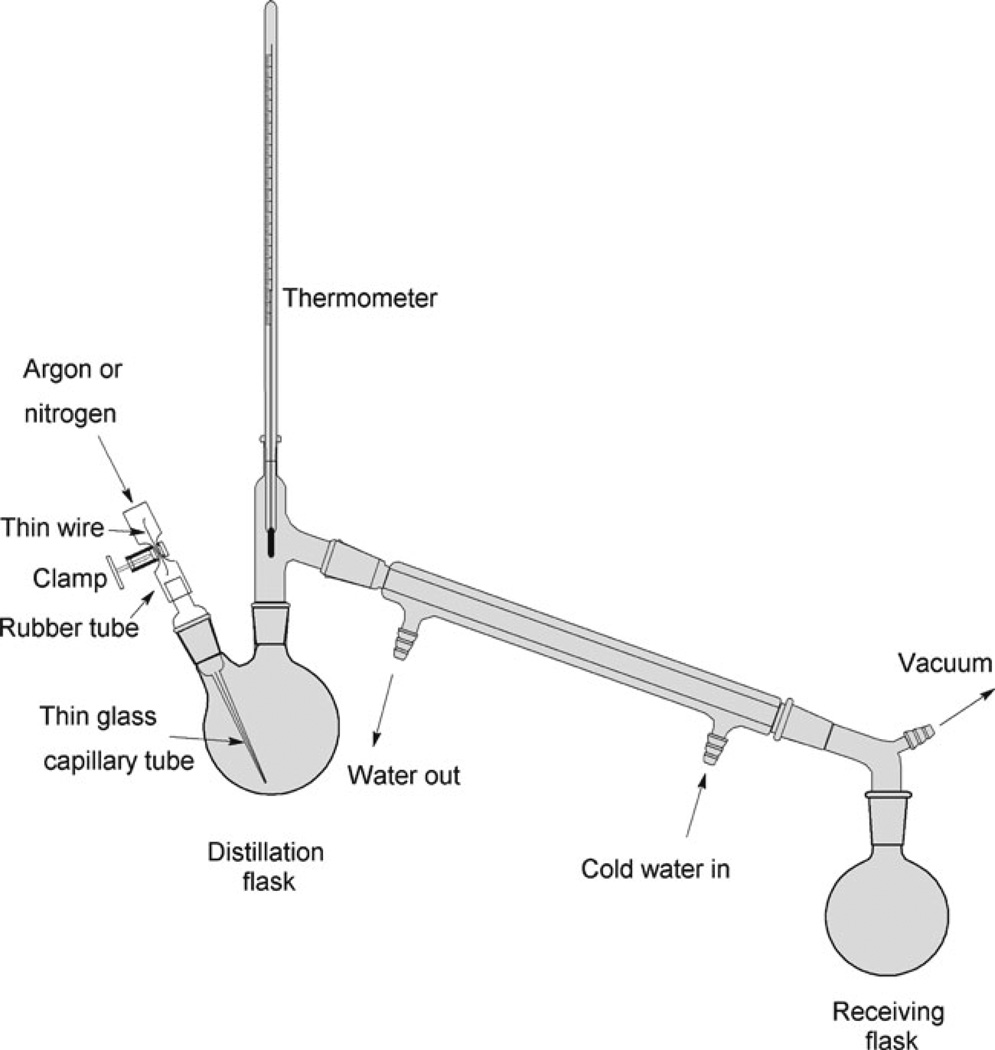
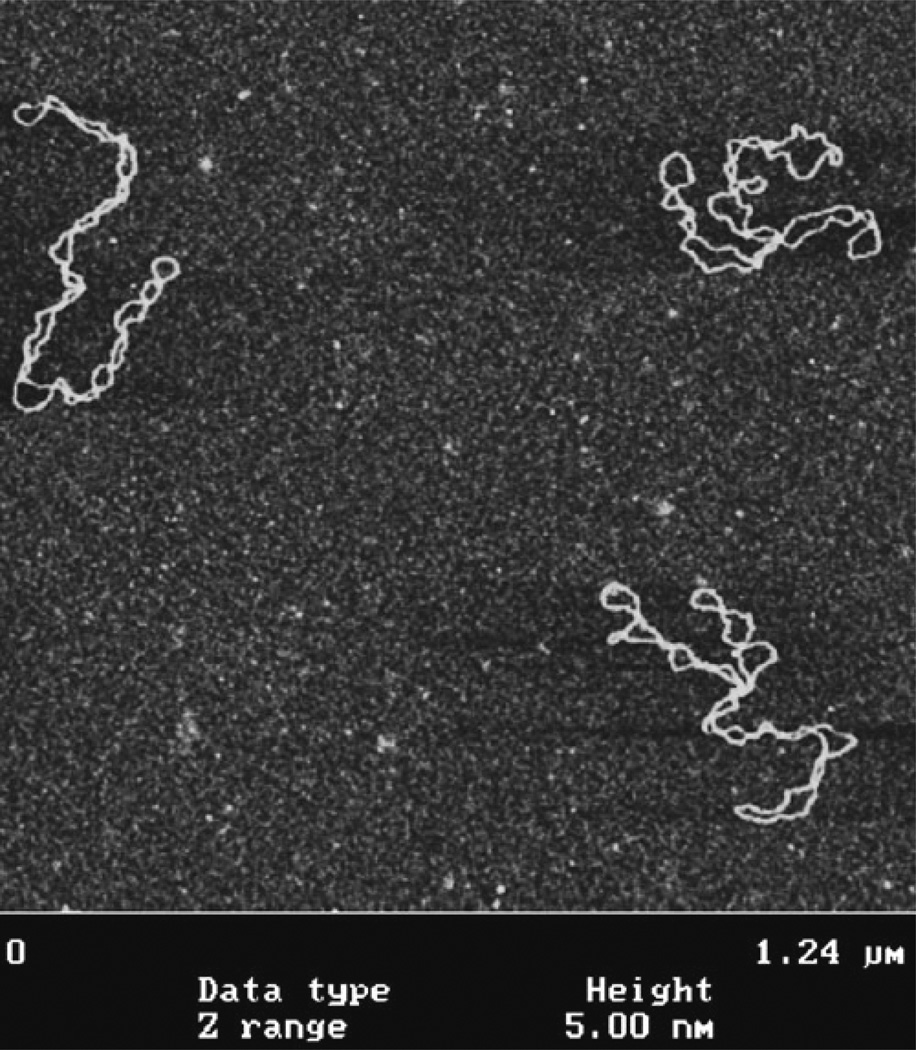
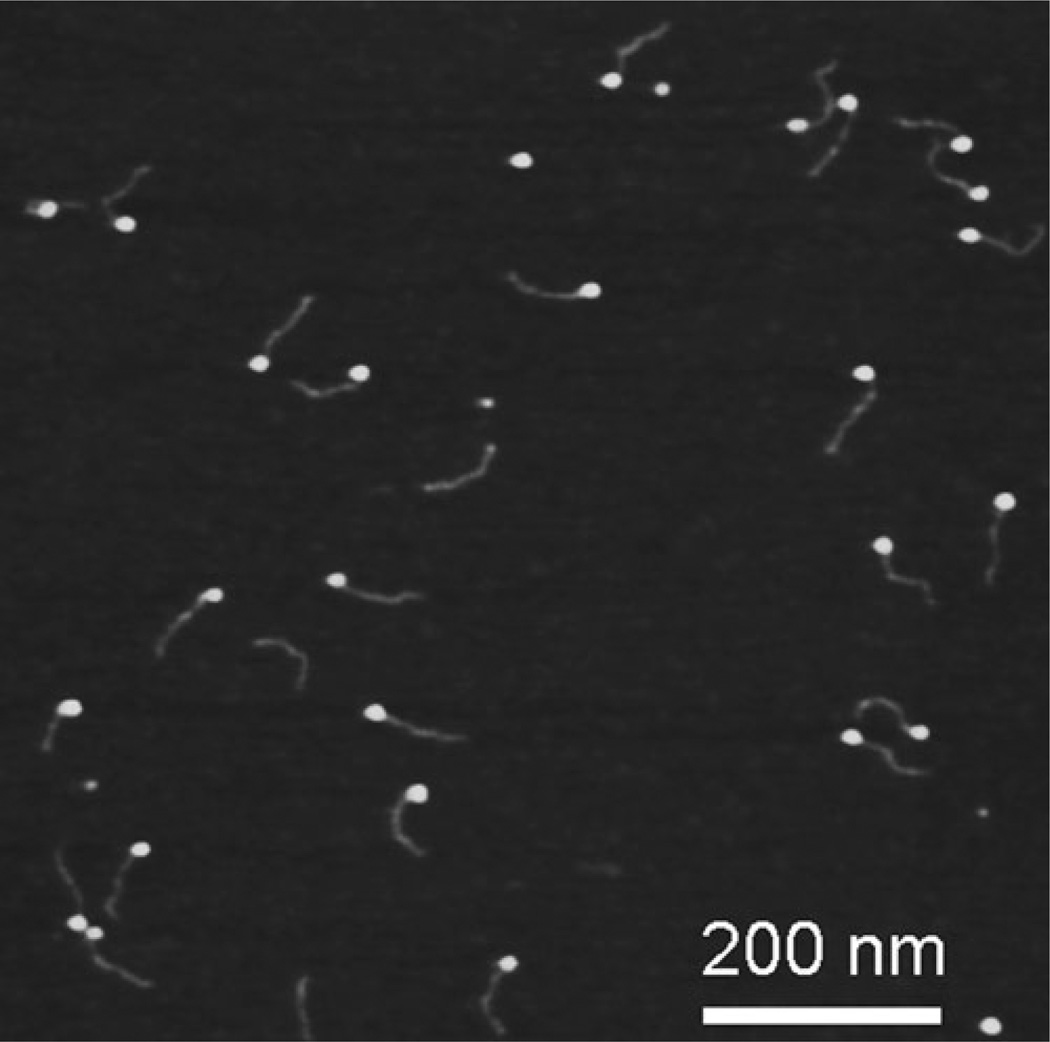
Surface preparation is a key step for reliable and reproducible imaging of DNA and protein-DNA complexes with atomic force microscopy (AFM). This article describes the approaches for chemical functionalization of the mica surface. One approach utilizes 3-aminopropyl-trietoxy silane (APTES), enabling one to obtain a smooth surface termed AP-mica. This surface binds nucleic acids and nucleoprotein complexes in a wide range of ionic strengths, in the absence of divalent cations and in a broad range of pH. Another method utilizes aminopropyl silatrane (APS) to yield an APS-mica surface. The advantage of APS-mica compared with AP-mica is the ability to obtain reliable and reproducible time-lapse images in aqueous solutions. The chapter describes the methodologies for the preparation of AP-mica and APS-mica surfaces and the preparation of samples for AFM imaging. The protocol for synthesis and purification of APS is also provided. The applications are illustrated with a number of examples.
表面处理是利用原子力显微镜(AFM)对DNA和蛋白质-DNA复合物进行可靠且可重复成像的关键步骤。本文描述了云母表面化学功能化的方法。一种方法使用3-氨丙基三乙氧基硅烷(APTES),能够获得一个称为AP-云母的光滑表面。该表面在广泛的离子强度范围内、在不存在二价阳离子的情况下以及在广泛的pH范围内结合核酸和核蛋白复合物。另一种方法使用氨丙基硅氮烷(APS)来产生APS-云母表面。与AP-云母相比,APS-云母的优点是能够在水溶液中获得可靠且可重复的延时图像。本章描述了制备AP-云母和APS-云母表面的方法以及用于AFM成像的样品制备方法。还提供了APS的合成和纯化方案。通过多个例子说明了这些应用。