University of Wisconsin-Madison, Madison, Wisconsin, USA.
PLoS Comput Biol. 2012;8(9):e1002681. doi: 10.1371/journal.pcbi.1002681. Epub 2012 Sep 13.
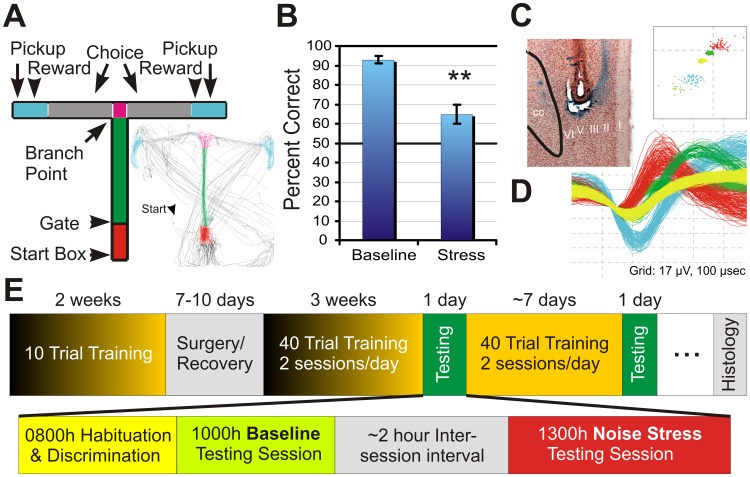
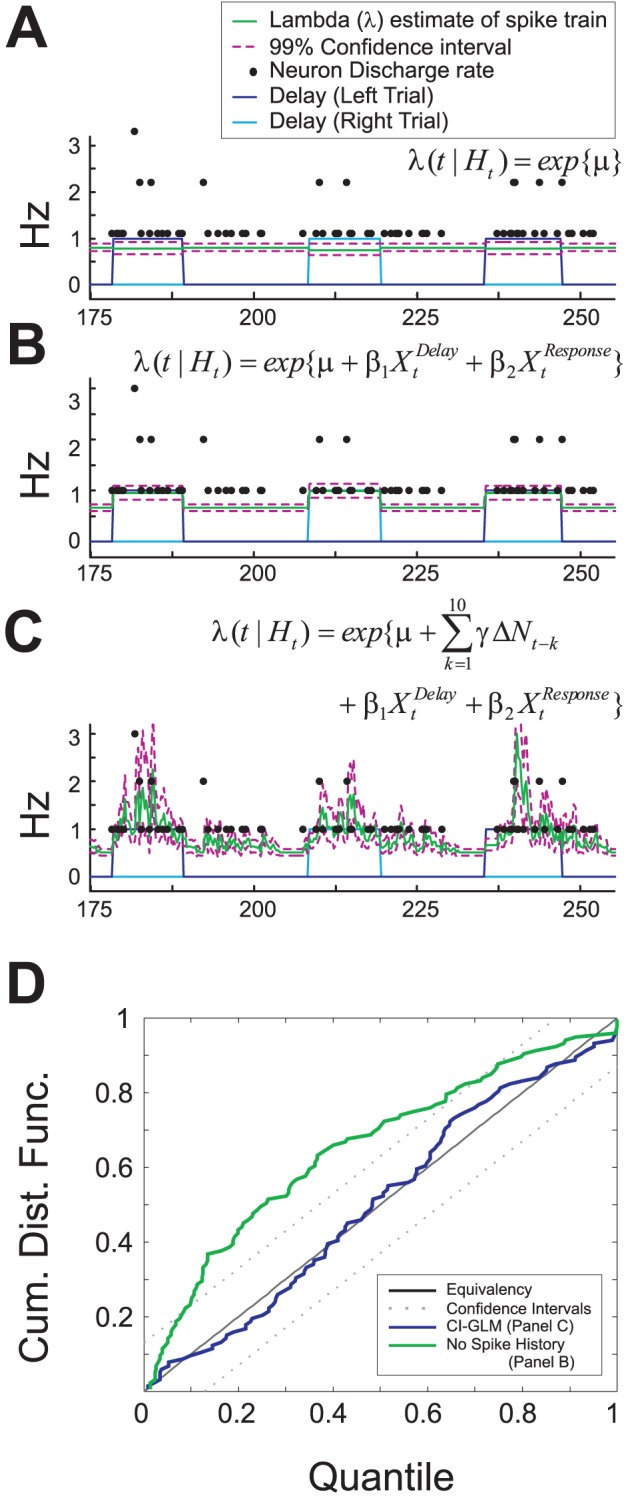
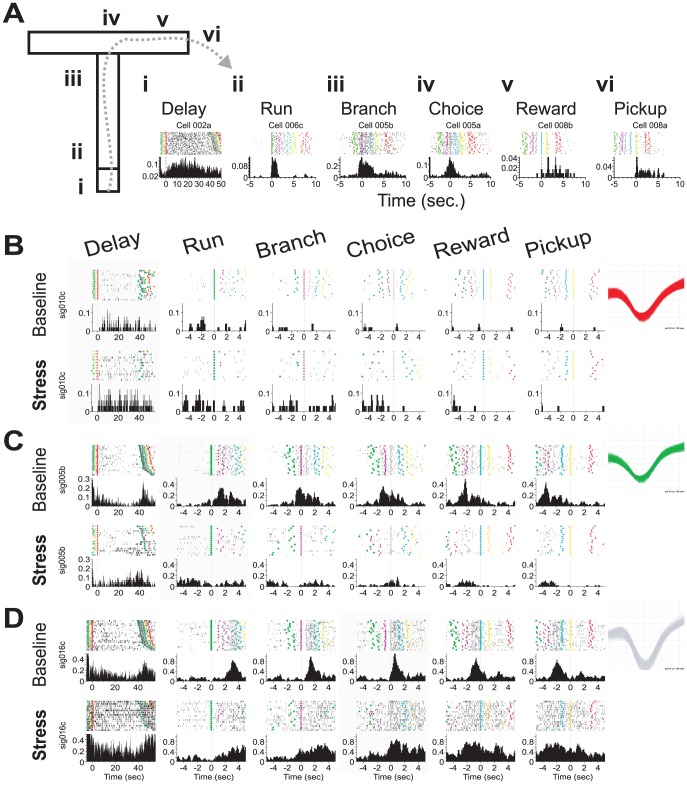
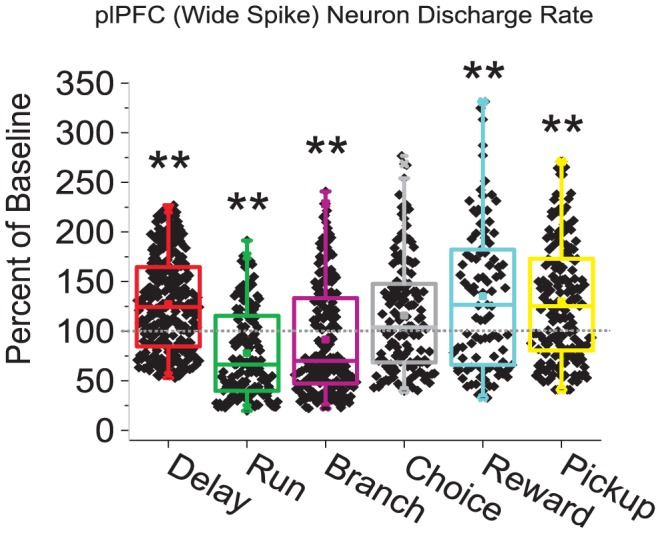
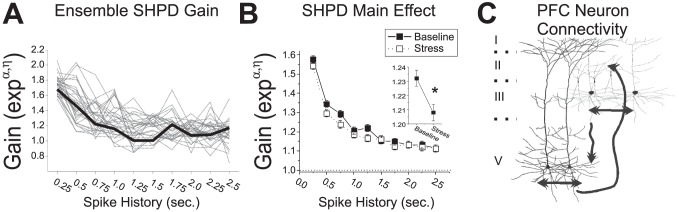
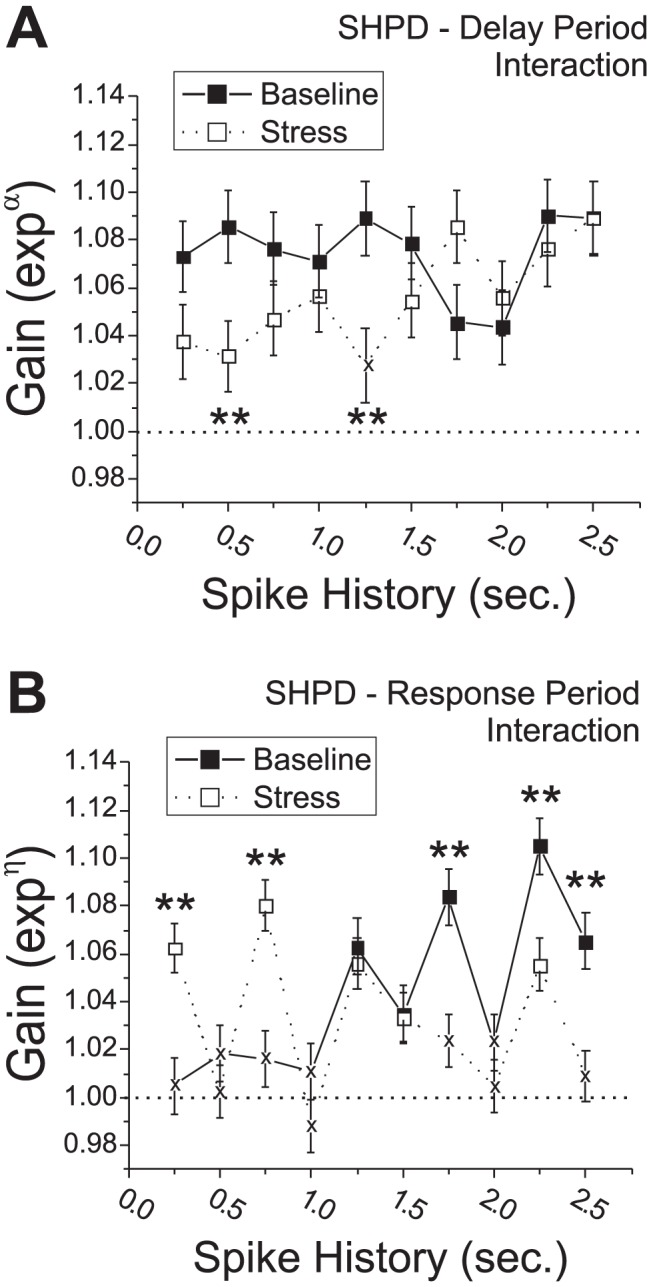
Stress, pervasive in society, contributes to over half of all work place accidents a year and over time can contribute to a variety of psychiatric disorders including depression, schizophrenia, and post-traumatic stress disorder. Stress impairs higher cognitive processes, dependent on the prefrontal cortex (PFC) and that involve maintenance and integration of information over extended periods, including working memory and attention. Substantial evidence has demonstrated a relationship between patterns of PFC neuron spiking activity (action-potential discharge) and components of delayed-response tasks used to probe PFC-dependent cognitive function in rats and monkeys. During delay periods of these tasks, persistent spiking activity is posited to be essential for the maintenance of information for working memory and attention. However, the degree to which stress-induced impairment in PFC-dependent cognition involves changes in task-related spiking rates or the ability for PFC neurons to retain information over time remains unknown. In the current study, spiking activity was recorded from the medial PFC of rats performing a delayed-response task of working memory during acute noise stress (93 db). Spike history-predicted discharge (SHPD) for PFC neurons was quantified as a measure of the degree to which ongoing neuronal discharge can be predicted by past spiking activity and reflects the degree to which past information is retained by these neurons over time. We found that PFC neuron discharge is predicted by their past spiking patterns for nearly one second. Acute stress impaired SHPD, selectively during delay intervals of the task, and simultaneously impaired task performance. Despite the reduction in delay-related SHPD, stress increased delay-related spiking rates. These findings suggest that neural codes utilizing SHPD within PFC networks likely reflects an additional important neurophysiological mechanism for maintenance of past information over time. Stress-related impairment of this mechanism is posited to contribute to the cognition-impairing actions of stress.
压力在社会中普遍存在,每年导致超过一半的工作场所事故,并随着时间的推移可能导致各种精神障碍,包括抑郁症、精神分裂症和创伤后应激障碍。压力会损害依赖前额叶皮层(PFC)的高级认知过程,这些过程涉及长时间内信息的维持和整合,包括工作记忆和注意力。大量证据表明,PFC 神经元放电活动(动作电位放电)模式与延迟反应任务之间存在关系,这些任务用于探测大鼠和猴子的 PFC 依赖认知功能。在这些任务的延迟期间,持续的放电活动被认为对于维持工作记忆和注意力的信息是必不可少的。然而,应激引起的 PFC 依赖认知损伤在多大程度上涉及与任务相关的放电率变化或 PFC 神经元随时间保留信息的能力尚不清楚。在当前的研究中,在急性噪声应激(93 分贝)期间,从大鼠执行工作记忆延迟反应任务的内侧前额叶皮层记录了放电活动。PFC 神经元的放电历史预测放电(SHPD)被量化为衡量当前神经元放电可以通过过去的放电活动来预测的程度,反映了过去信息在这些神经元中随时间保留的程度。我们发现,PFC 神经元的放电几乎可以通过其过去的放电模式来预测近一秒钟。急性应激会损害 SHPD,选择性地在任务的延迟间隔期间,并同时损害任务表现。尽管延迟相关的 SHPD 减少,但应激会增加延迟相关的放电率。这些发现表明,利用 PFC 网络中的 SHPD 的神经编码可能反映了另一个重要的神经生理机制,用于随时间维持过去的信息。这种机制的应激相关损伤被认为导致了应激对认知的损害作用。