Genomics and Immunoregulation, LIMES-Institute, University of Bonn, Bonn, Germany.
PLoS One. 2012;7(9):e45466. doi: 10.1371/journal.pone.0045466. Epub 2012 Sep 21.
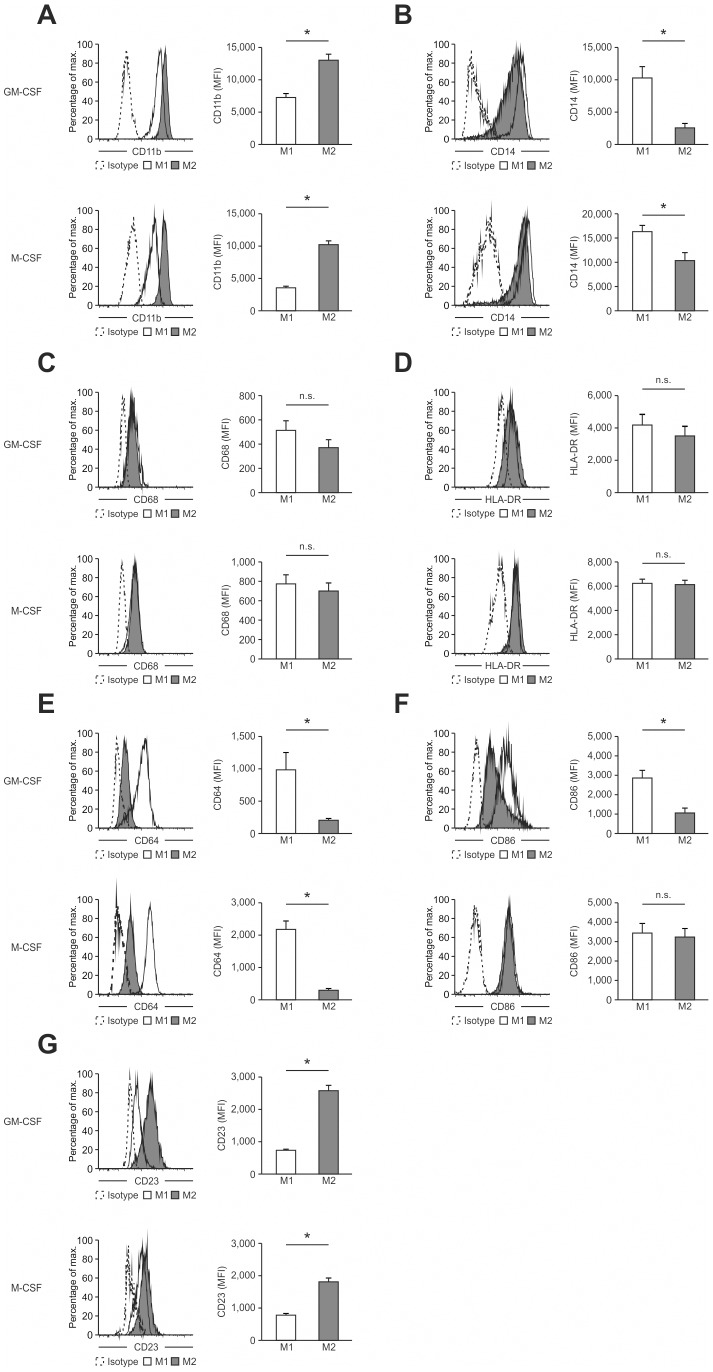
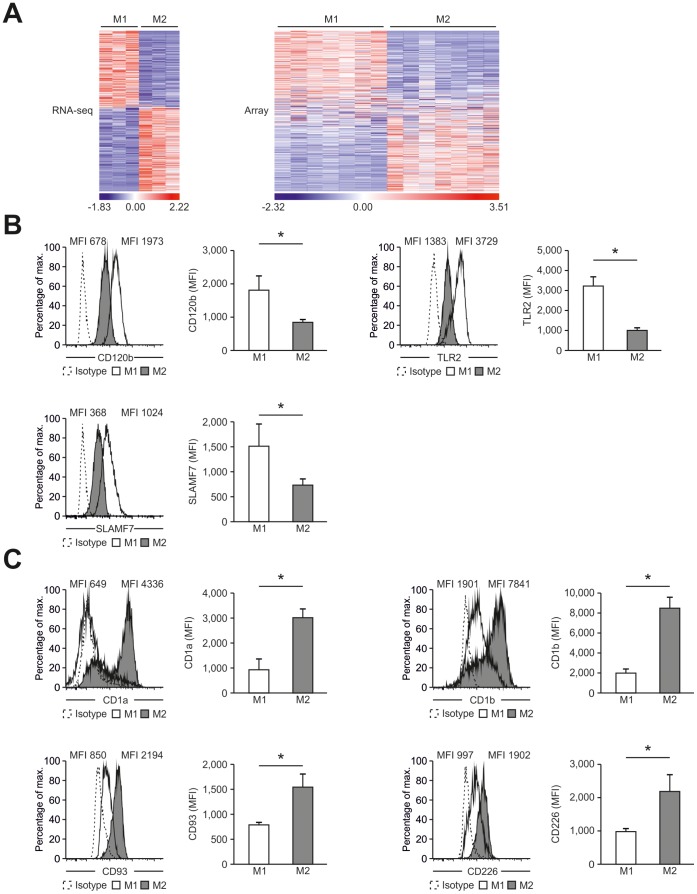
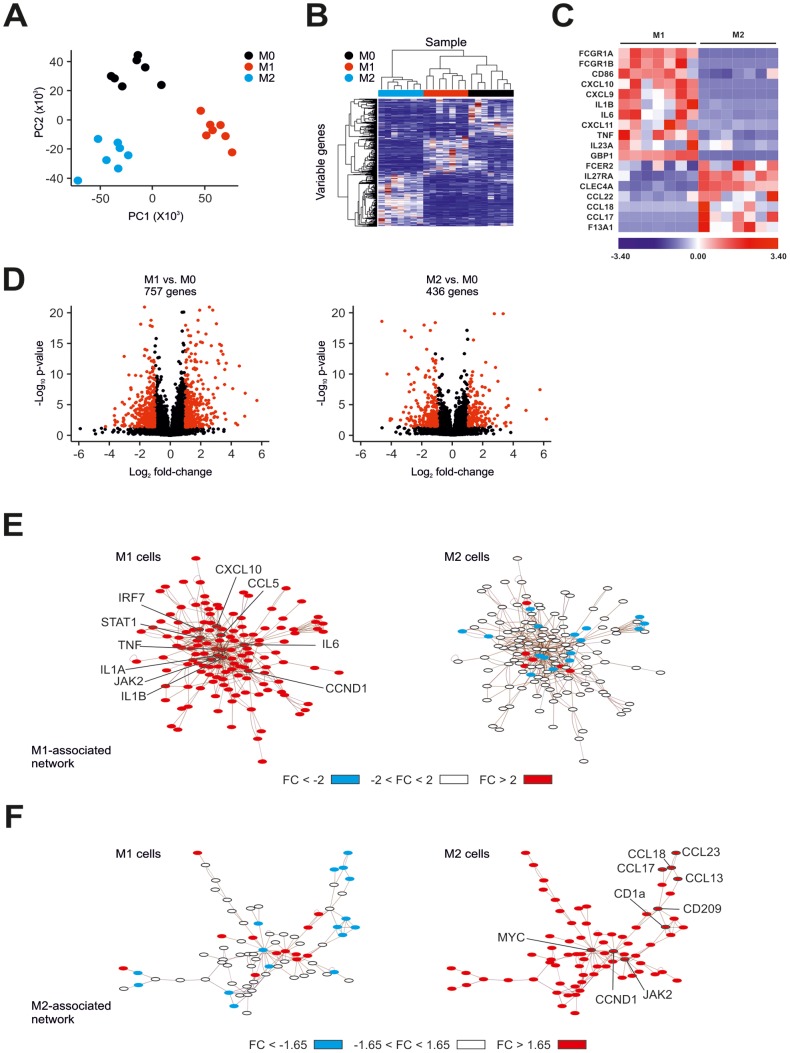
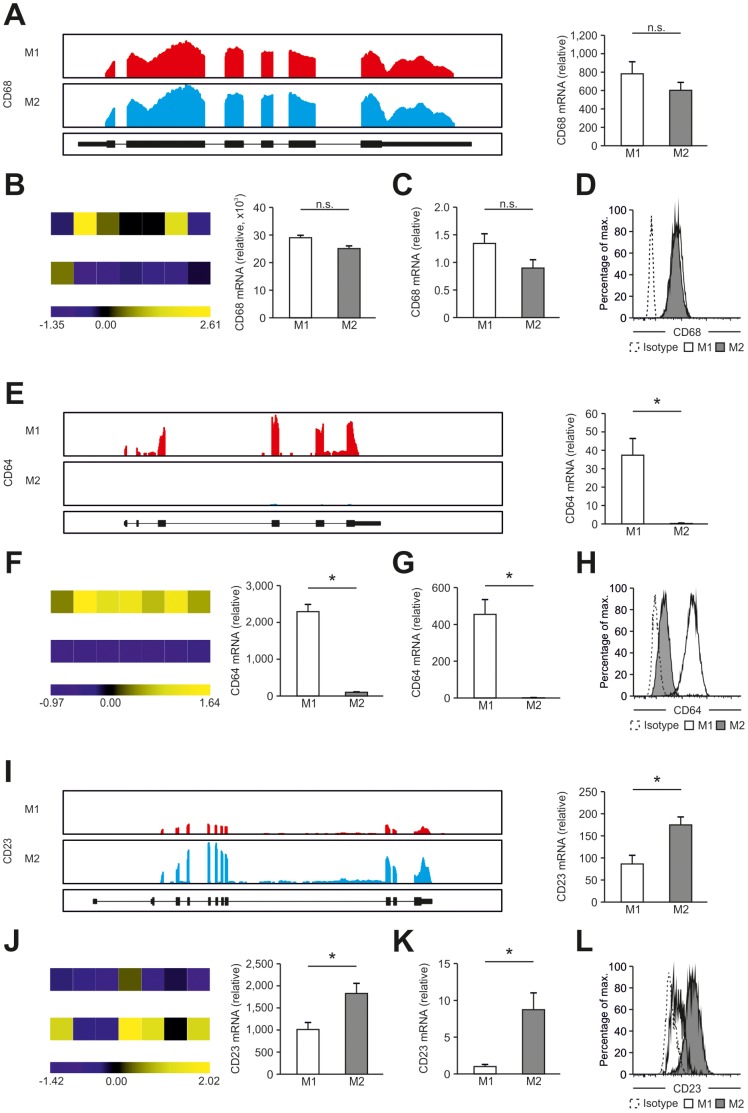
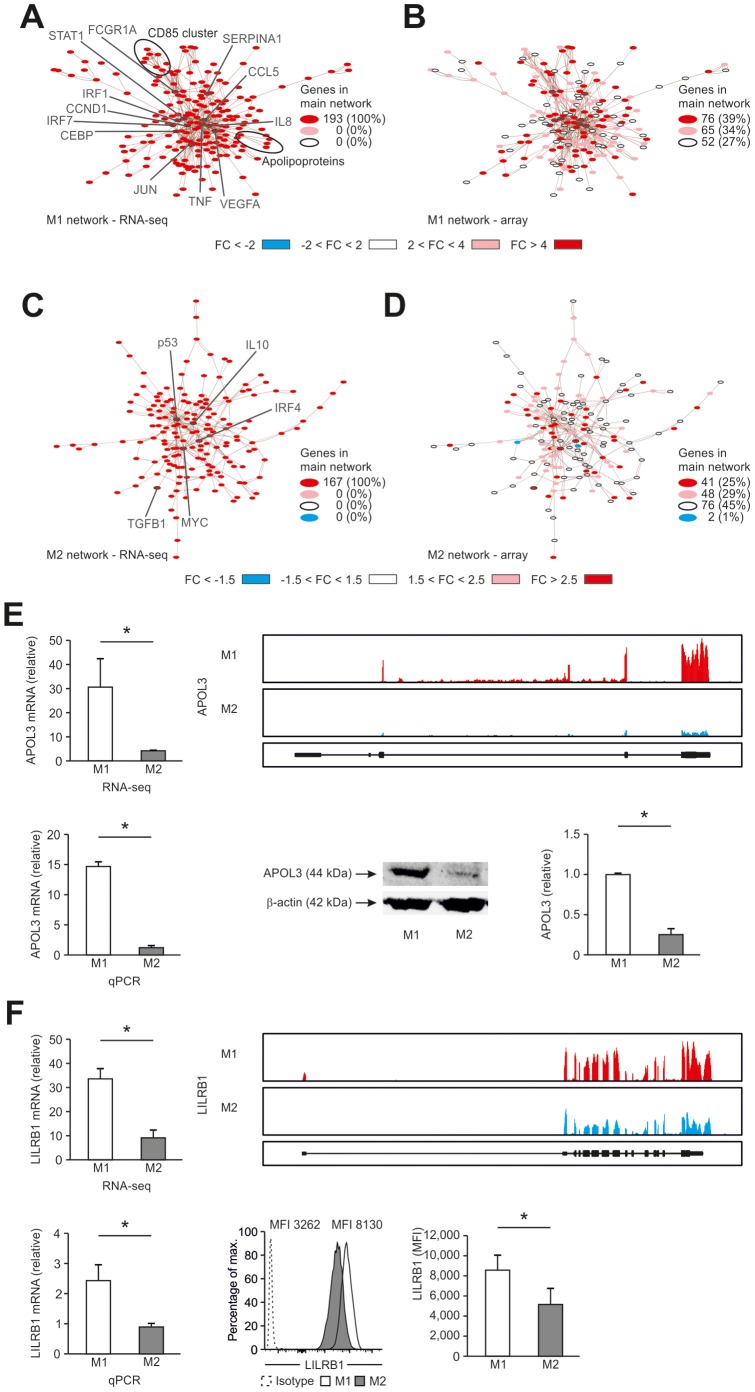
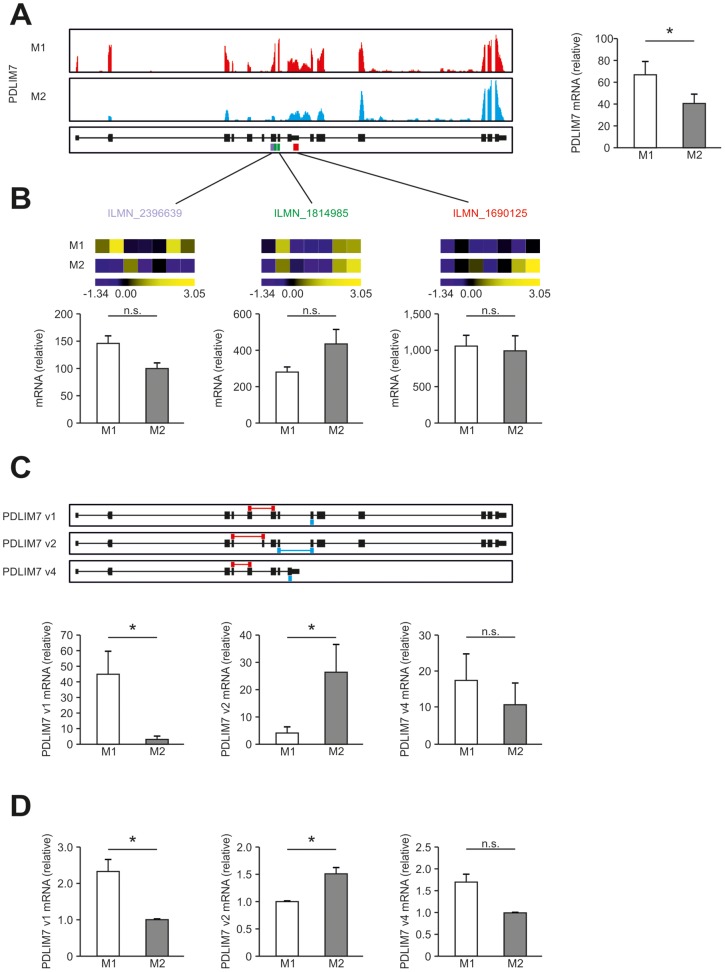
Macrophages are dynamic cells integrating signals from their microenvironment to develop specific functional responses. Although, microarray-based transcriptional profiling has established transcriptional reprogramming as an important mechanism for signal integration and cell function of macrophages, current knowledge on transcriptional regulation of human macrophages is far from complete. To discover novel marker genes, an area of great need particularly in human macrophage biology but also to generate a much more thorough transcriptome of human M1- and M1-like macrophages, we performed RNA sequencing (RNA-seq) of human macrophages. Using this approach we can now provide a high-resolution transcriptome profile of human macrophages under classical (M1-like) and alternative (M2-like) polarization conditions and demonstrate a dynamic range exceeding observations obtained by previous technologies, resulting in a more comprehensive understanding of the transcriptome of human macrophages. Using this approach, we identify important gene clusters so far not appreciated by standard microarray techniques. In addition, we were able to detect differential promoter usage, alternative transcription start sites, and different coding sequences for 57 gene loci in human macrophages. Moreover, this approach led to the identification of novel M1-associated (CD120b, TLR2, SLAMF7) as well as M2-associated (CD1a, CD1b, CD93, CD226) cell surface markers. Taken together, these data support that high-resolution transcriptome profiling of human macrophages by RNA-seq leads to a better understanding of macrophage function and will form the basis for a better characterization of macrophages in human health and disease.
巨噬细胞是一种能够整合其微环境信号以产生特定功能反应的动态细胞。尽管基于微阵列的转录谱分析已经确立了转录重编程是信号整合和巨噬细胞功能的重要机制,但目前对人类巨噬细胞转录调控的了解还远远不够。为了发现新的标记基因,这是人类巨噬细胞生物学中一个非常需要的领域,也需要对人类 M1-和 M1 样巨噬细胞进行更全面的转录组分析,我们对人类巨噬细胞进行了 RNA 测序(RNA-seq)。通过这种方法,我们现在可以提供人类巨噬细胞在经典(M1 样)和替代(M2 样)极化条件下的高分辨率转录组图谱,并展示出超出以前技术观察到的动态范围,从而更全面地了解人类巨噬细胞的转录组。通过这种方法,我们确定了迄今为止尚未被标准微阵列技术所注意到的重要基因簇。此外,我们还能够检测到人类巨噬细胞中 57 个基因座的差异启动子使用、替代转录起始位点和不同的编码序列。此外,这种方法还导致了新的 M1 相关(CD120b、TLR2、SLAMF7)和 M2 相关(CD1a、CD1b、CD93、CD226)细胞表面标记物的鉴定。总之,这些数据表明,通过 RNA-seq 对人类巨噬细胞进行高分辨率转录组分析有助于更好地理解巨噬细胞的功能,并将为更好地描述人类健康和疾病中的巨噬细胞奠定基础。