Manager National Immunization Program, Ministry of Health, Cambodia.
Health Policy Plan. 2013 Aug;28(5):526-35. doi: 10.1093/heapol/czs096. Epub 2012 Oct 9.
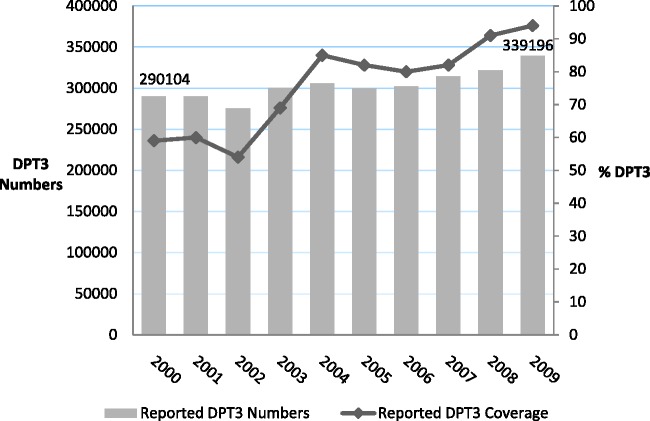
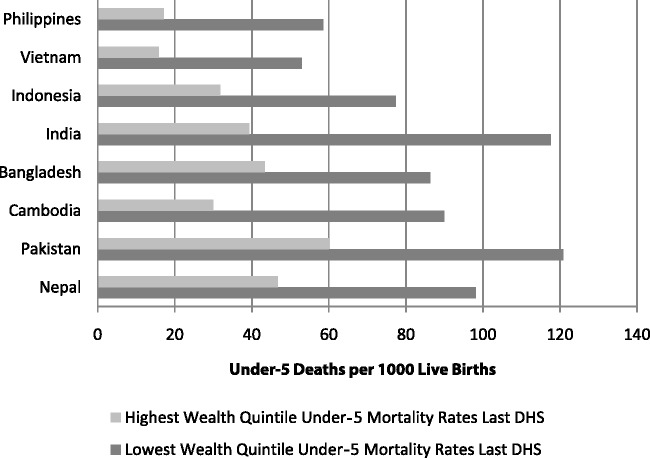
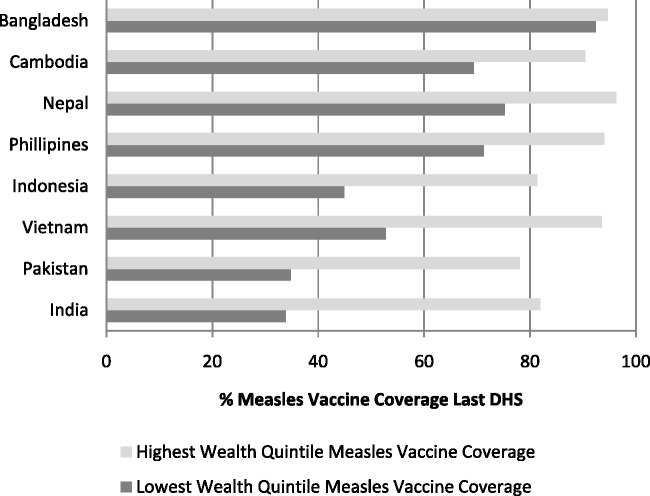
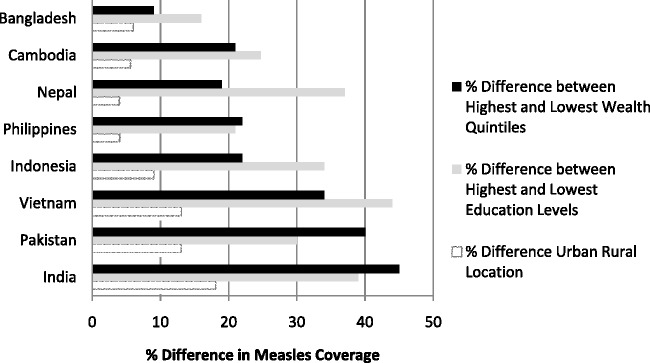
BACKGROUND An international review of the Cambodian Expanded Programme on Immunization (EPI) in 2010 and other data show that despite immunization coverage increases and vaccine preventable diseases incidence reductions, inequities in access to immunization services exist. Utilizing immunization and health systems literature, analysis of global health databases and the EPI review findings, this paper examines the characteristics of immunization access and outcome inequities, and describes proposed longer-term strategic and operational responses to these problems. Findings The national programme has evolved from earlier central and provincial level planning to strengthening routine immunization coverage through the District level 'Reaching Every District Strategy'. However, despite remarkable improvements, the review found over 20% of children surveyed were not fully immunized, primarily from communities where inequities of both access and impact persist. These inequities relate mainly to socio-economic exposures including wealth and education level, population mobility and ethnicity. To address these problems, a shift in strategic and operational response is proposed that will include (a) a re-focus of planning on facility level to detect disadvantaged communities, (b) establishment of monitoring systems to provide detailed information on community access and utilization, (c) development of communication strategies and health networks that enable providers to adjust service delivery according to the needs of vulnerable populations, and (d) securing financial, management and political commitment for 'reaching every community'. CONCLUSIONS For Cambodia to achieve its immunization equity objectives and disease reduction goals, a shift of emphasis to health centre and community is needed. This approach will maximize the benefits of new vaccine introduction in the coming 'Decade of Vaccines', plus potentially extend the reach of other life-saving maternal and child health interventions to the socially disadvantaged, both in Cambodia and in other countries with a similar level of development.
2010 年对柬埔寨扩大免疫规划(EPI)进行的国际审查和其他数据表明,尽管免疫覆盖率有所提高,疫苗可预防疾病的发病率有所降低,但在获得免疫服务方面仍存在不平等现象。本文利用免疫和卫生系统文献、全球卫生数据库分析以及 EPI 审查结果,研究了免疫服务获取和结果不平等的特征,并描述了针对这些问题的拟议长期战略和业务应对措施。
国家方案经历了从早期的中央和省级规划到通过区级“覆盖每个区战略”加强常规免疫覆盖率的演变。然而,尽管取得了显著的进步,但审查发现,超过 20%的接受调查的儿童没有完全接种疫苗,主要来自那些在获取和影响方面仍然存在不平等的社区。这些不平等主要与社会经济暴露因素有关,包括财富和教育水平、人口流动和族裔。为了解决这些问题,建议在战略和业务应对方面进行转变,包括:(a)将规划重点重新放在设施层面,以发现弱势社区;(b)建立监测系统,提供有关社区获取和利用情况的详细信息;(c)制定沟通战略和卫生网络,使提供者能够根据弱势人群的需求调整服务提供;(d)确保为“覆盖每个社区”提供资金、管理和政治承诺。
为了实现柬埔寨的免疫公平目标和减少疾病的目标,需要将重点转移到卫生中心和社区。这种方法将最大限度地提高即将到来的“疫苗十年”中新型疫苗引入的效益,并且有可能将其他拯救生命的母婴健康干预措施的覆盖面扩大到社会弱势群体,无论是在柬埔寨还是在其他发展水平类似的国家。