Department of Anesthesiology, University of Toronto, Ontario, Canada.
PLoS One. 2012;7(10):e47116. doi: 10.1371/journal.pone.0047116. Epub 2012 Oct 8.
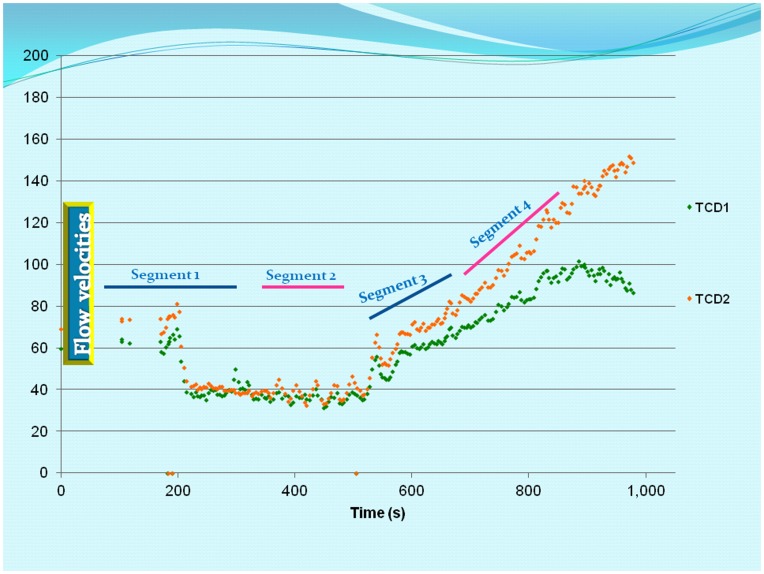
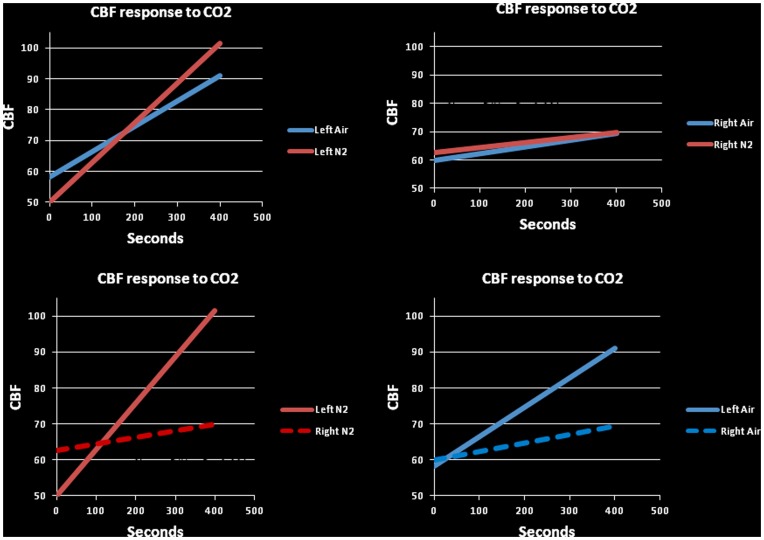
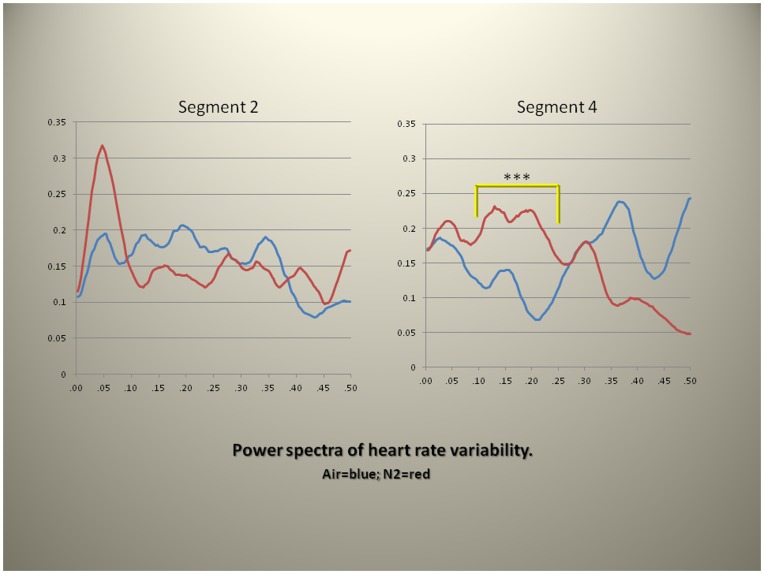
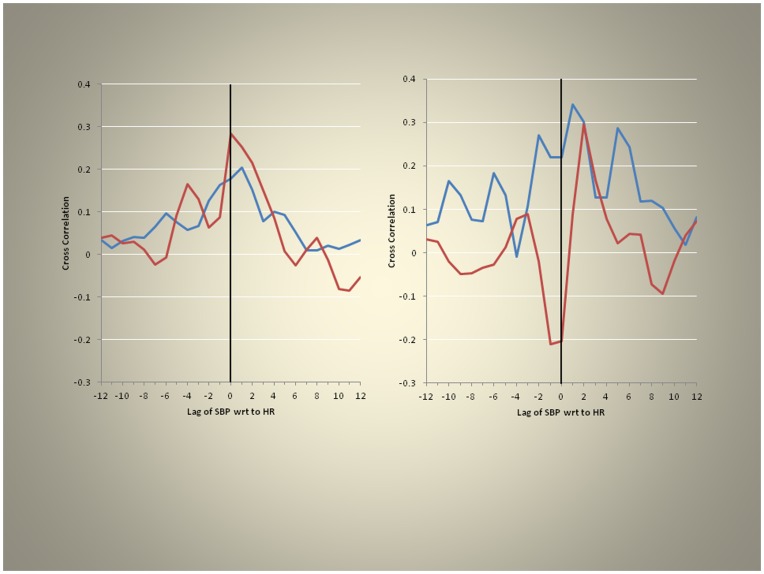
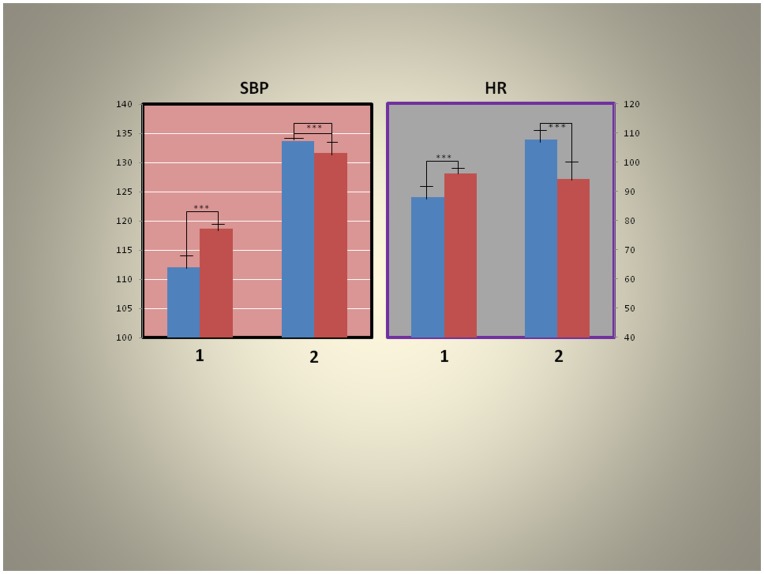
Because the skin is an oxygen sensor in amphibians and mice, we thought to confirm this function also in humans. The human upright posture, however, introduces additional functional demands for the maintenance of oxygen homeostasis in which cerebral blood flow and autonomic nervous system (ANS) function may also be involved. We examined nine males and three females. While subjects were breathing ambient air, at sea level, we changed gases in a plastic body-bag during two conditions of the experiment such as to induce skin hypoxia (with pure nitrogen) or skin normoxia (with air). The subjects performed a test of hypoxic ventilatory drive during each condition of the experiment. We found no differences in the hypoxic ventilatory drive tests. However, ANS function and cerebral blood flow velocities were modulated by skin hypoxia and the effect was significantly greater on the left than right middle cerebral arteries. We conclude that skin hypoxia modulates ANS function and cerebral blood flow velocities and this might impact life styles and tolerance to ambient hypoxia at altitude. Thus the skin in normal humans, in addition to its numerous other functions, is also an oxygen sensor.
由于皮肤是两栖动物和老鼠的氧气传感器,我们认为有必要在人类身上证实这一功能。然而,人类的直立姿势增加了维持氧平衡的额外功能需求,其中可能还涉及脑血流和自主神经系统 (ANS) 的功能。我们检查了 9 名男性和 3 名女性。当受试者在海平面呼吸环境空气时,我们在实验的两种情况下改变塑料袋中的气体,以诱导皮肤缺氧(用纯氮气)或皮肤正常氧合(用空气)。在实验的每种情况下,受试者都进行了缺氧通气驱动测试。我们发现,在缺氧通气驱动测试中没有差异。然而,ANS 功能和脑血流速度会受到皮肤缺氧的调节,而且这种调节在左大脑中动脉比右大脑中动脉更为显著。我们的结论是,皮肤缺氧会调节 ANS 功能和脑血流速度,这可能会影响生活方式和对高海拔环境缺氧的耐受能力。因此,在正常的人类中,皮肤除了具有许多其他功能外,也是一个氧气传感器。