Department of Neurological Sciences, Federico II University Naples, Italy.
Front Neurol. 2012 Oct 22;3:150. doi: 10.3389/fneur.2012.00150. eCollection 2012.
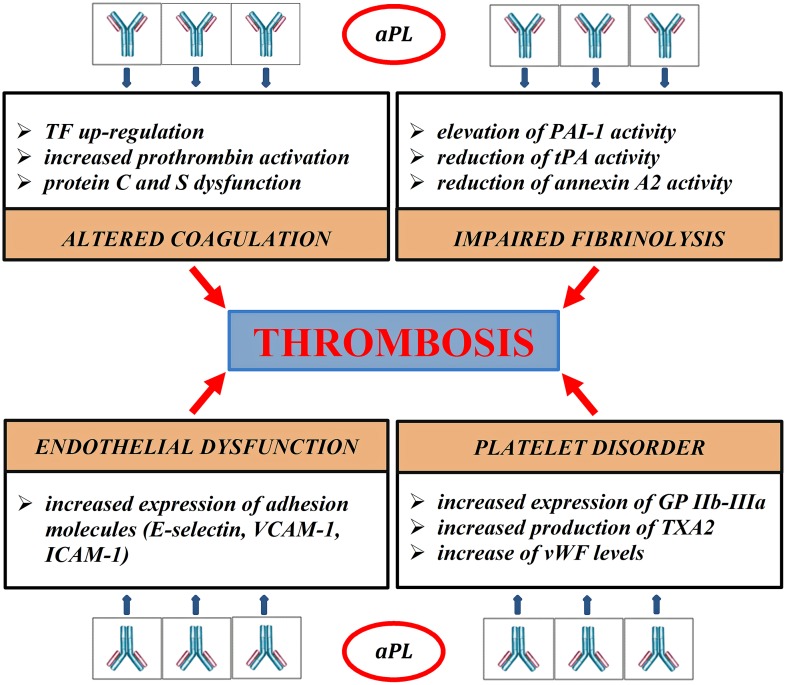
Chorea is a movement disorder which may be associated with immunologic diseases, in particular in the presence of antiphospholipid antibodies (aPL). Choreic movements have been linked to the isolated presence of plasmatic aPL, or to primary, or secondary antiphospholipid syndrome. The highest incidence of aPL-related chorea is detected in children and females. The presentation of chorea is usually subacute and the course monophasic. Choreic movements can be focal, unilateral, or generalized. High plasmatic titers of aPL in a choreic patient can suggest the diagnosis of aPL-related chorea; neuroimaging investigation does not provide much additional diagnostic information. The most relevant target of aPL is β2-glycoprotein I, probably responsible for the thrombotic manifestations of antiphospholipid syndrome. Etiology of the movement disorder is not well understood but a neurotoxic effect of aPL has been hypothesized, leading to impaired basal ganglia cell function and development of neuroinflammation. Patients affected by aPL-related chorea have an increased risk of thrombosis and should receive antiplatelet or anticoagulant treatment.
舞蹈症是一种运动障碍,可能与自身免疫性疾病有关,特别是在存在抗磷脂抗体 (aPL) 的情况下。舞蹈样运动与单纯存在血浆 aPL 或原发性或继发性抗磷脂综合征有关。与 aPL 相关的舞蹈症的最高发病率见于儿童和女性。舞蹈症的表现通常为亚急性,病程单相。舞蹈样运动可以是局灶性、单侧性或全身性的。血浆 aPL 高滴度可提示 aPL 相关舞蹈症的诊断;神经影像学检查并不能提供更多的诊断信息。aPL 的最相关靶标是β2-糖蛋白 I,可能是抗磷脂综合征血栓形成表现的原因。运动障碍的病因尚不清楚,但有人假设 aPL 具有神经毒性作用,导致基底节细胞功能受损和神经炎症的发生。患有 aPL 相关舞蹈症的患者有血栓形成的风险增加,应接受抗血小板或抗凝治疗。