Saha Cardiovascular Research Center, University of Kentucky, Lexington, United States of America.
PLoS One. 2012;7(10):e48462. doi: 10.1371/journal.pone.0048462. Epub 2012 Oct 31.
Angiotensin II (AngII), the main bioactive peptide of the renin angiotensin system, exerts most of its biological actions through stimulation of AngII type 1 (AT1) receptors. This receptor is expressed as 2 structurally similar subtypes in rodents, termed AT1a and AT1b. Although AT1a receptors have been studied comprehensively, roles of AT1b receptors in the aorta have not been defined.
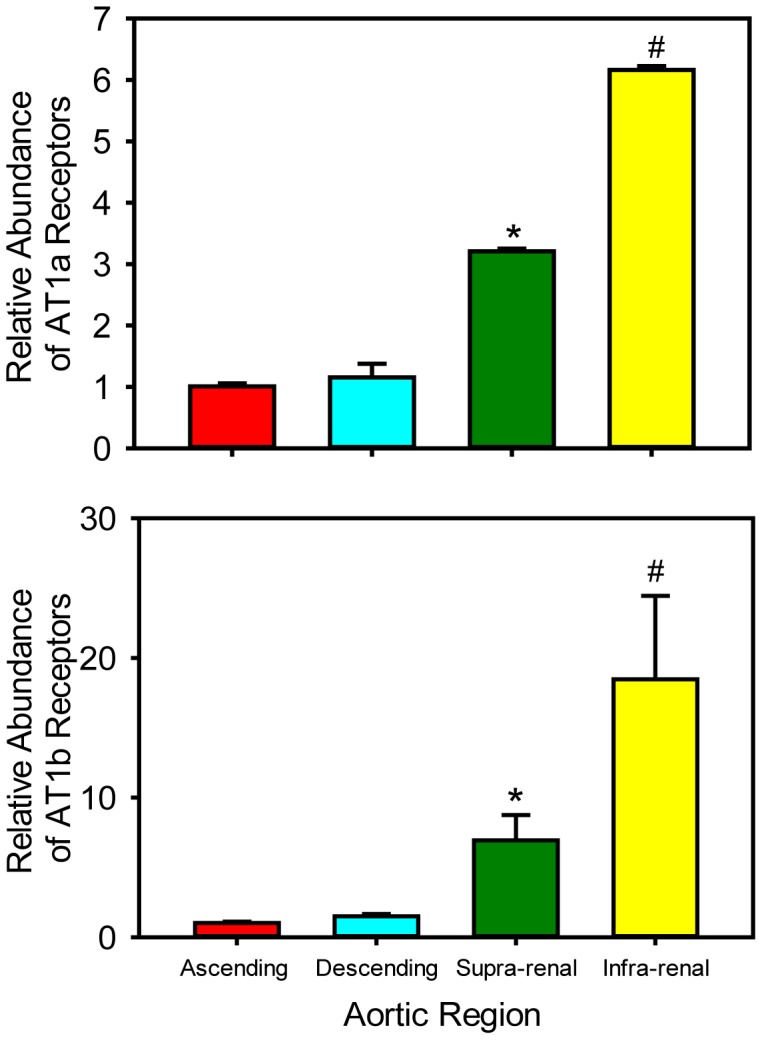
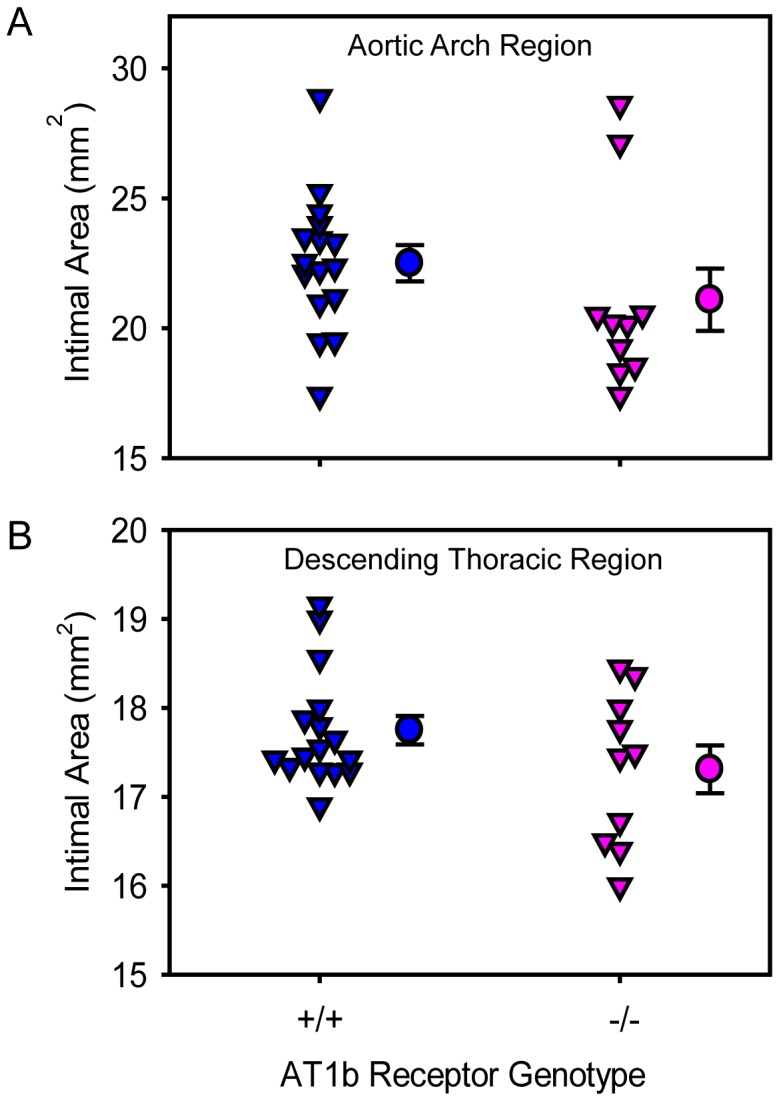
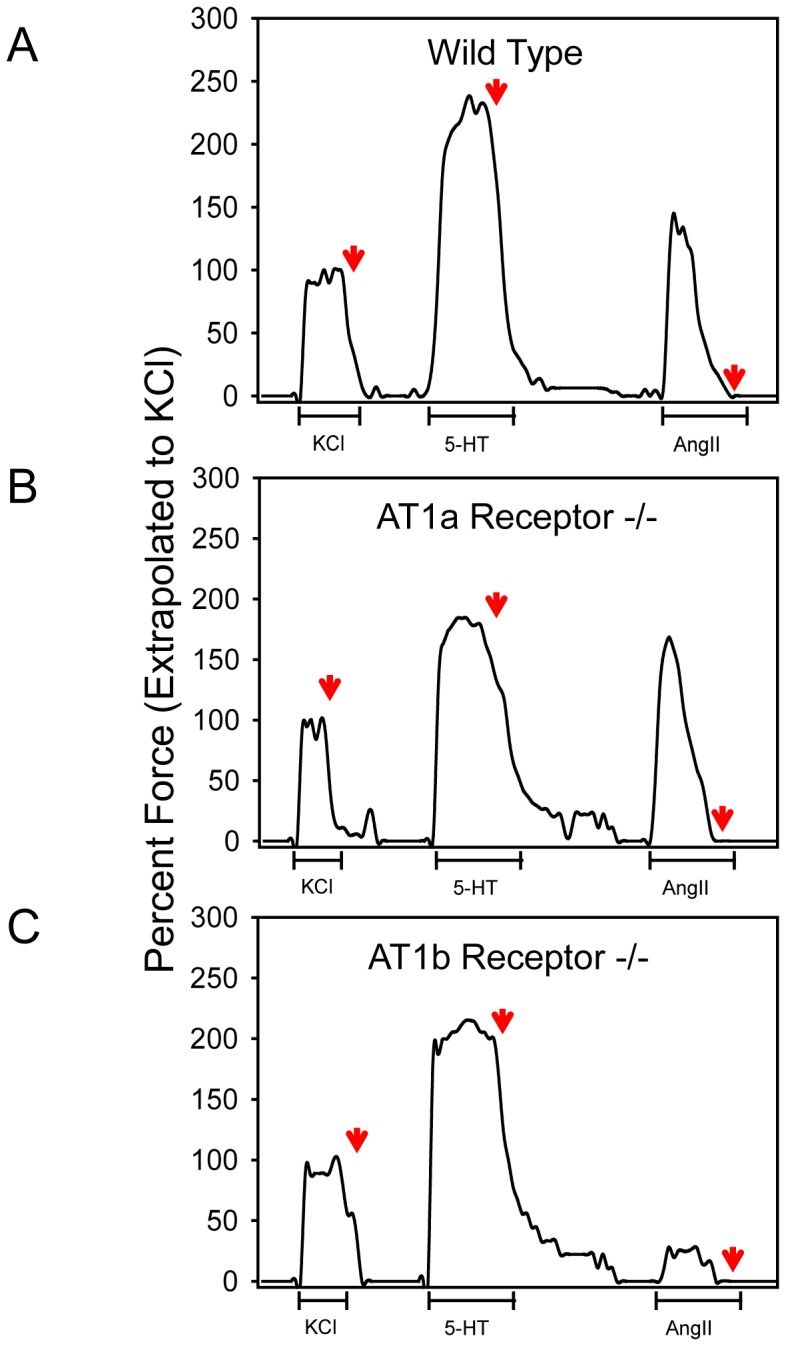
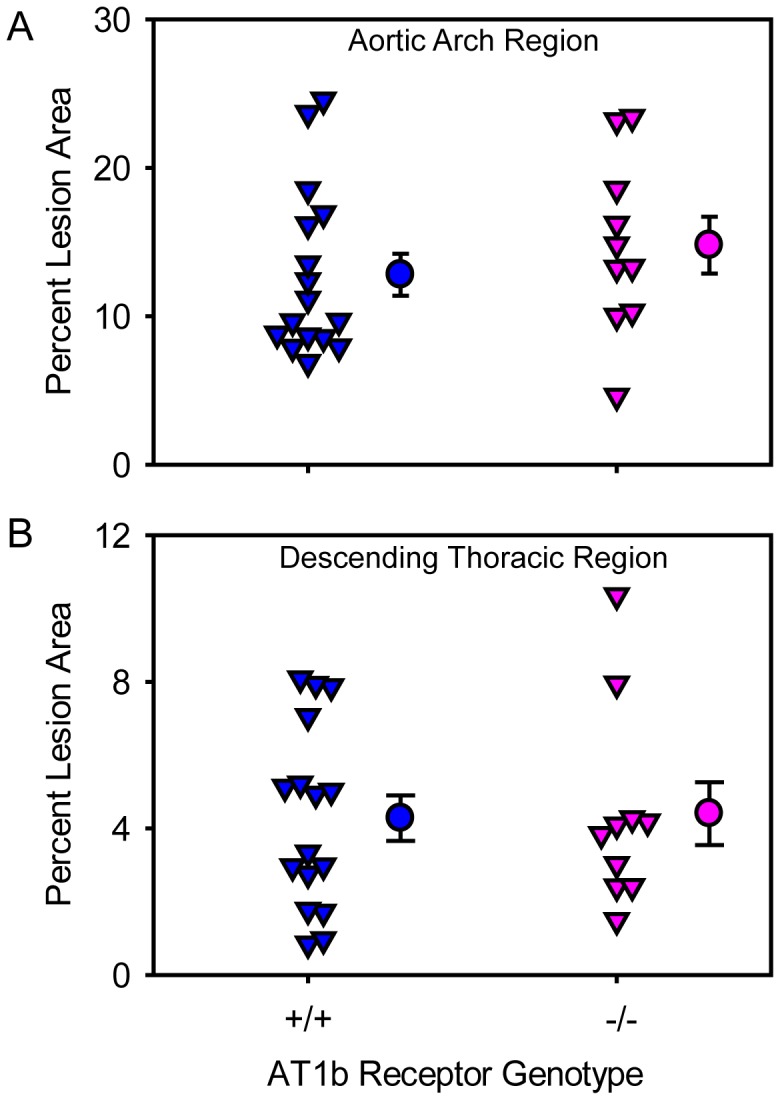
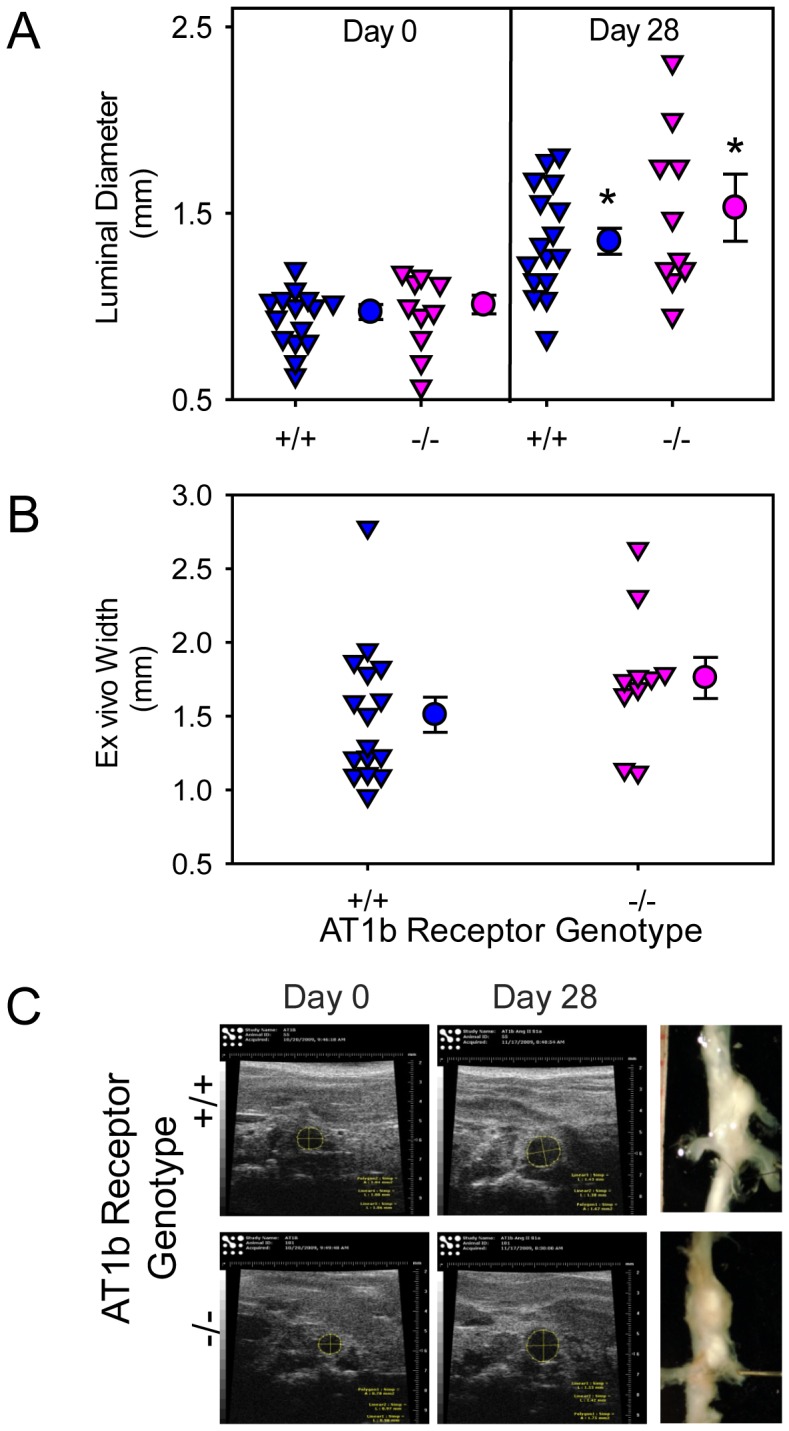
METHODOLOGY/RESULTS: We initially compared the regional distribution of AT1b receptor mRNA with AT1a receptor mRNA in the aorta. mRNA abundance of both subtypes increased from the proximal to the distal aorta, with the greatest abundance in the infra-renal region. Corresponding to the high mRNA abundance for both receptors, only aortic rings from the infra-renal aorta contracted in response to AngII stimulation. Despite the presence of both receptor transcripts, deletion of AT1b receptors, but not AT1a receptors, diminished AngII-induced contractility. To determine whether absence of AT1b receptors influenced aortic pathologies, we bred AT1b receptor deficient mice into an LDL receptor deficient background. Mice were fed a diet enriched in saturated fat and infused with AngII (1,000 ng/kg/min). Parameters that could influence development of aortic pathologies, including systolic blood pressure and plasma cholesterol concentrations, were not impacted by AT1b receptor deficiency. Absence of AT1b receptors also had no effect on size of aortic atherosclerotic lesions and aortic aneurysms in both the ascending and abdominal regions.
CONCLUSIONS/SIGNIFICANCE: Regional abundance of AT1b receptor mRNA coincided with AngII-induced regional contractility, but it was not associated with AngII-induced aortic pathologies.
血管紧张素 II(AngII)是肾素血管紧张素系统的主要生物活性肽,通过刺激血管紧张素 II 型 1(AT1)受体发挥其大部分生物学作用。这种受体在啮齿动物中表达为 2 种结构相似的亚型,称为 AT1a 和 AT1b。虽然已经对 AT1a 受体进行了全面研究,但 AT1b 受体在主动脉中的作用尚未确定。
方法/结果:我们最初比较了 AT1b 受体 mRNA 与 AT1a 受体 mRNA 在主动脉中的区域分布。两种亚型的 mRNA 丰度从近侧到远侧主动脉增加,在肾下区域丰度最大。与两种受体的高 mRNA 丰度相对应,只有肾下主动脉环对 AngII 刺激有反应。尽管存在两种受体转录本,但 AT1b 受体缺失而不是 AT1a 受体缺失,会减弱 AngII 诱导的收缩性。为了确定 AT1b 受体缺失是否影响主动脉病变,我们将 AT1b 受体缺陷小鼠繁殖到 LDL 受体缺陷背景中。小鼠喂食富含饱和脂肪的饮食,并输注 AngII(1000ng/kg/min)。可能影响主动脉病变发展的参数,包括收缩压和血浆胆固醇浓度,不受 AT1b 受体缺失的影响。AT1b 受体缺失也对升主动脉和腹主动脉的动脉粥样硬化病变和主动脉瘤的大小没有影响。
结论/意义:AT1b 受体 mRNA 的区域丰度与 AngII 诱导的区域收缩性一致,但与 AngII 诱导的主动脉病变无关。