HJF-DAIDS, NIAID, NIH, 6700A Rockledge Drive Room 42A193, Second Floor, Bethesda, MD 20817, USA.
BMC Med Ethics. 2012 Nov 8;13:29. doi: 10.1186/1472-6939-13-29.
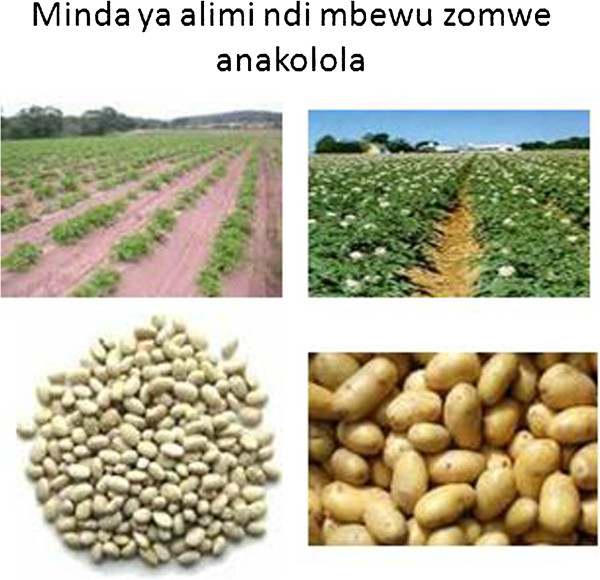
The intervention reported in this paper was a follow up to an empirical study conducted in Malawi with the aim of assessing trial participants' understanding of randomisation, double-blinding and placebo use. In the empirical study, the majority of respondents (61.1%; n=124) obtained low scores (lower than 75%) on understanding of all three concepts under study. Based on these findings, an intervention based on a narrative which included all three concepts and their personal implications was designed. The narrative used daily examples from the field of Agriculture because Malawi has an agro-based economy.
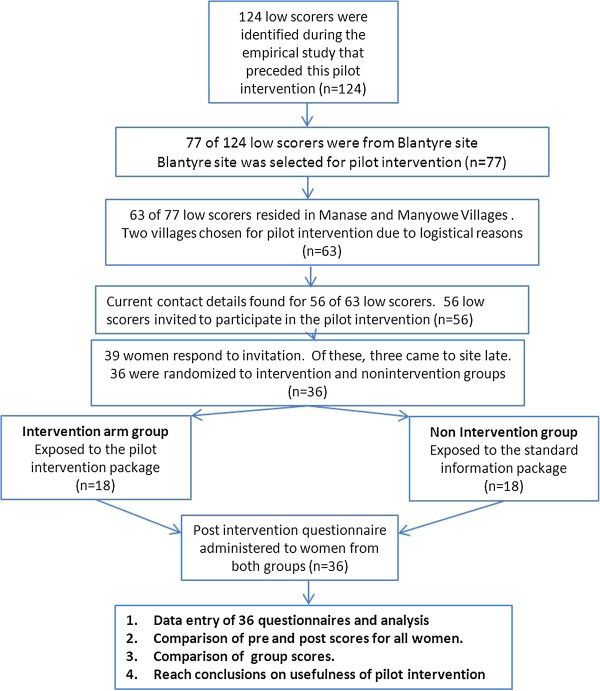
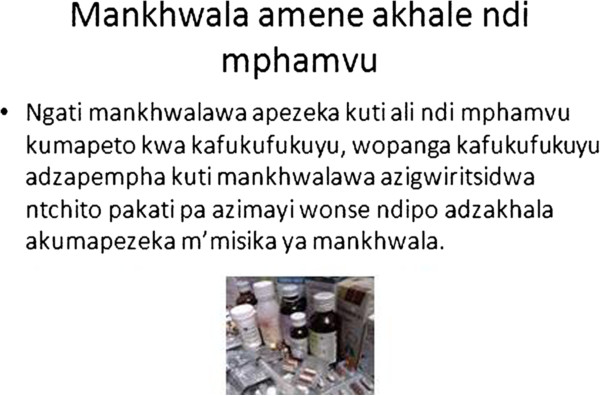
The intervention was tested using a sample of 36 women who had been identified as low scorers during the empirical study. The 36 low scorers were randomly assigned to control (n=18) and intervention arms (n=18). The control arm went through a session in which they were provided with standard informed consent information for the microbicide trial. The intervention arm went through a session in which they were provided with a narrative in ChiChewa, the local language, with the assistance of a power point presentation which included pictures as well as discussions on justification and personal implications of the concepts under study.
The findings on the efficacy of the intervention suggest that the 3 scientific concepts and their personal implications can be understood by low literacy populations using simple language and everyday local examples. The findings also suggest that the intervention positively impacted on understanding of trial procedures under study, as 13 of the 18 women in the intervention arm, obtained high scores (above 75%) during the post intervention assessment and none of the 18 in the control arm obtained a high score. Using Fischer's exact test, it was confirmed that the effect of the intervention on understanding of the three procedures was statistically significant (p=0.0001).
Potential trial participants can be assisted to understand key clinical trial procedures, their justification and personal implications by using innovative tailored local narratives.
本文报道的干预措施是在马拉维进行的一项实证研究的后续行动,旨在评估试验参与者对随机化、双盲和安慰剂使用的理解。在实证研究中,大多数受访者(61.1%;n=124)在理解所有三个研究概念方面得分较低(低于 75%)。基于这些发现,设计了一种基于叙述的干预措施,其中包括所有三个概念及其个人含义。叙述中使用了来自农业领域的日常例子,因为马拉维是一个以农业为基础的经济体。
使用在实证研究中被确定为低分者的 36 名妇女的样本测试干预措施。将 36 名低分者随机分配到对照组(n=18)和干预组(n=18)。对照组接受了一个关于微剂试验的标准知情同意信息的课程。干预组接受了一个在奇切瓦语中的叙述,在幻灯片的帮助下,包括图片以及对研究概念的理由和个人含义的讨论,该叙述由当地语言进行。
干预措施的疗效发现表明,使用简单的语言和日常当地例子,可以使低识字人群理解 3 个科学概念及其个人含义。研究结果还表明,干预措施对研究中试验程序的理解产生了积极影响,因为干预组的 18 名女性中有 13 人在干预后评估中获得了高分(高于 75%),而对照组的 18 名女性中没有一人获得高分。使用 Fischer 精确检验,证实干预措施对理解三种程序的效果具有统计学意义(p=0.0001)。
通过使用创新的定制化当地叙述,可以帮助潜在的试验参与者理解关键的临床试验程序、其理由和个人含义。