Burns Institute of the PLA, Affiliated Changhai Hospital of the Second Military Medical University, Shanghai, China.
PLoS One. 2012;7(11):e49448. doi: 10.1371/journal.pone.0049448. Epub 2012 Nov 7.
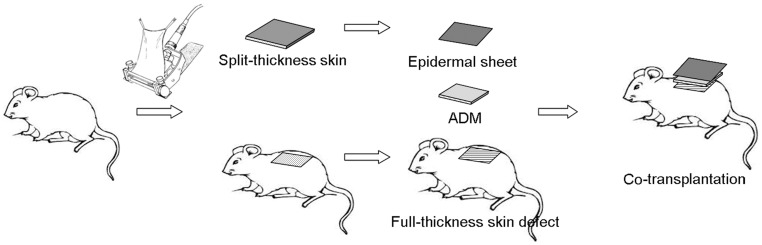
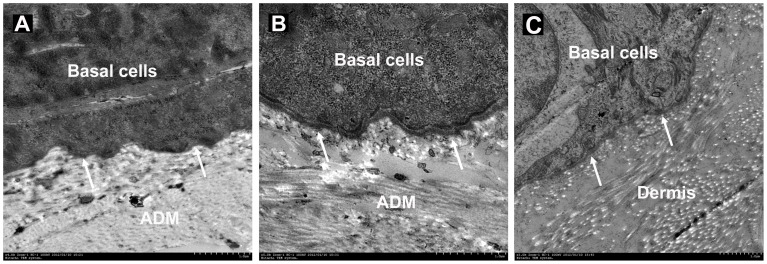
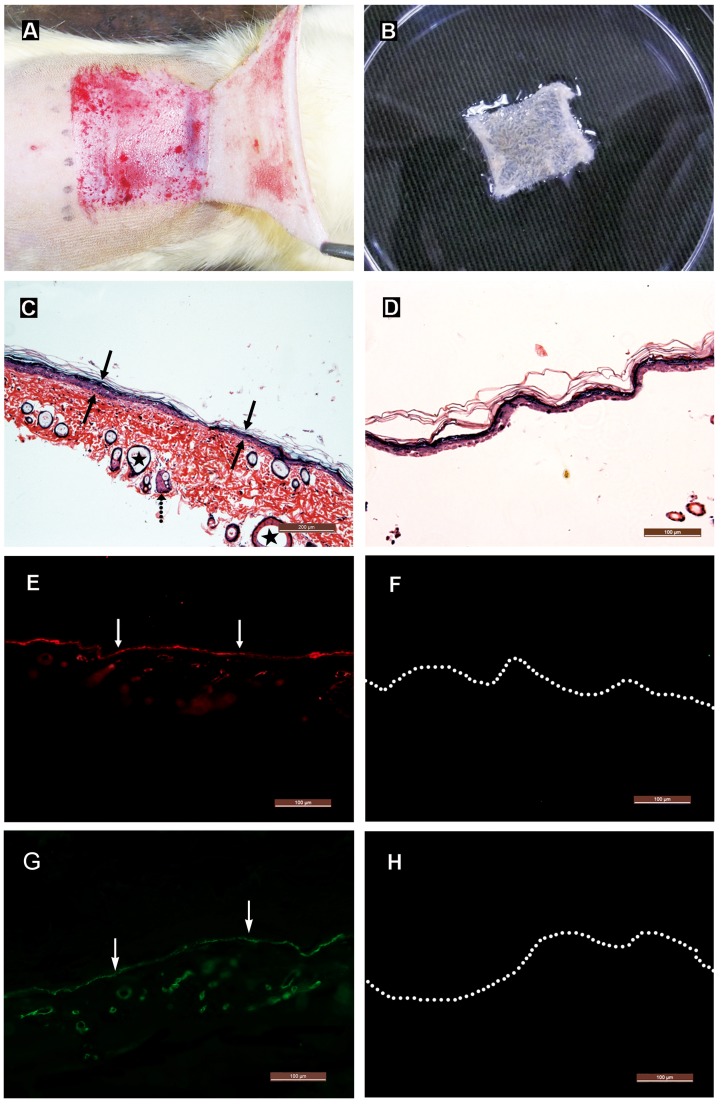
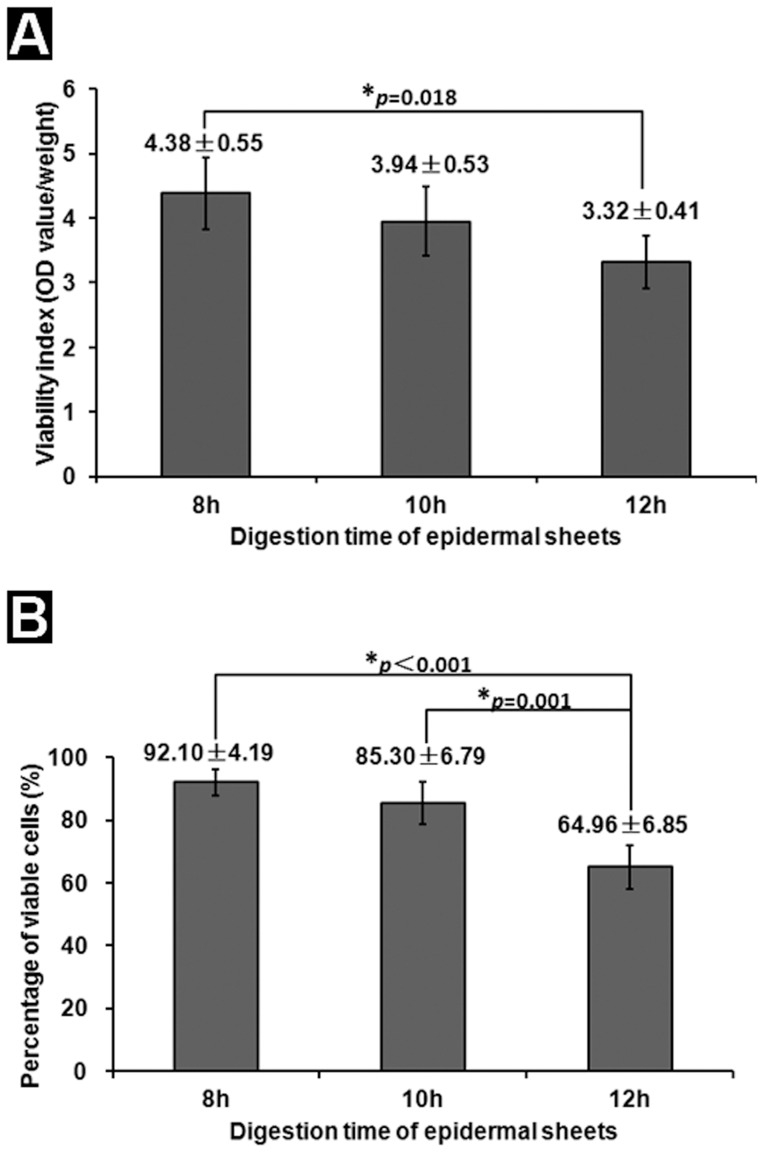
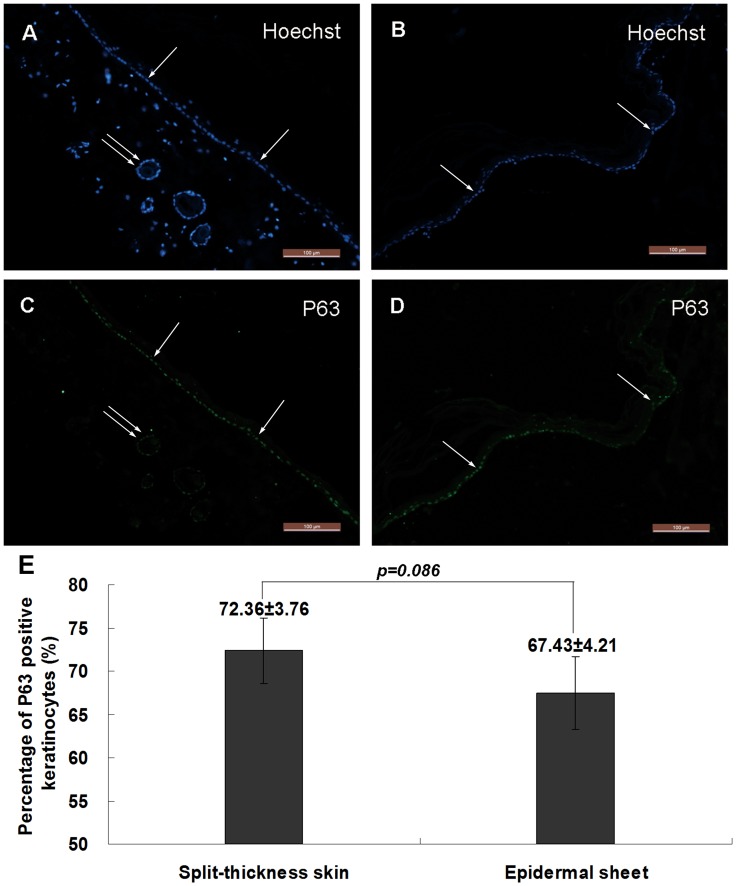
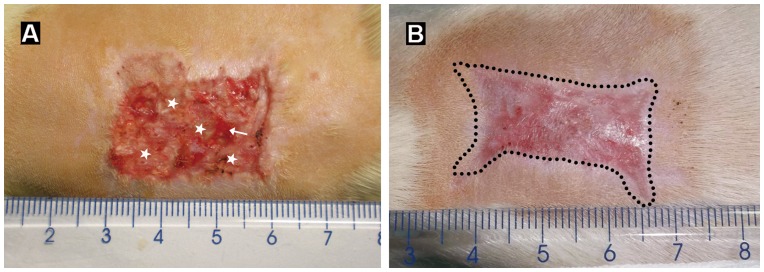
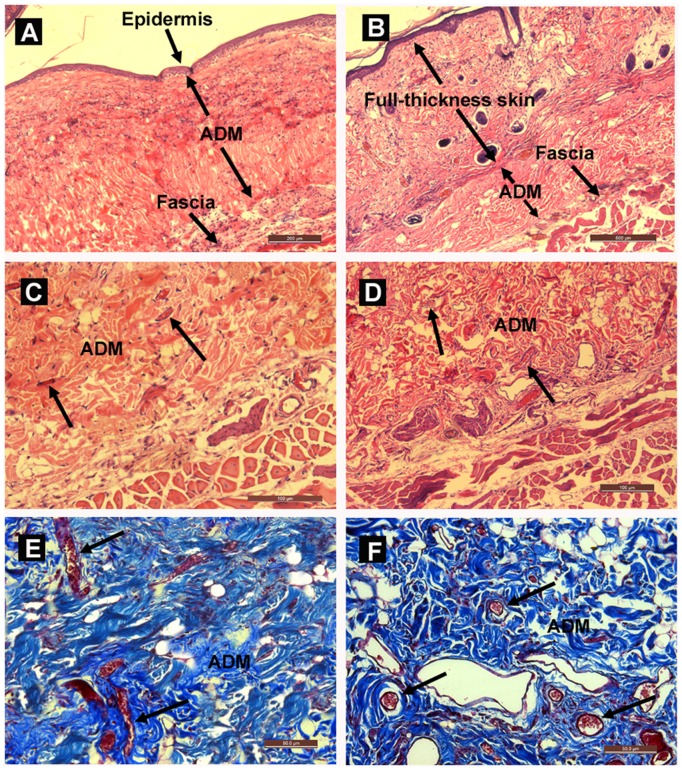
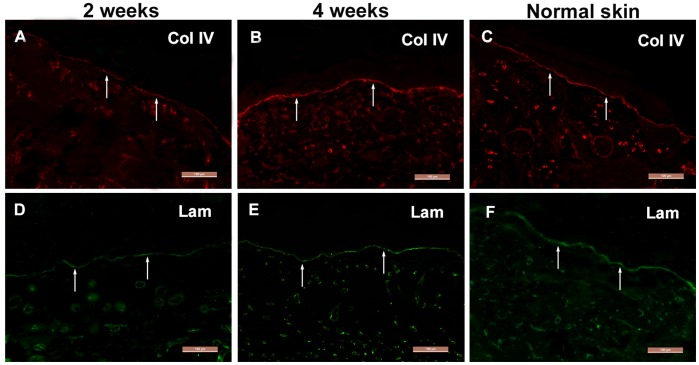
The development of more and more new dermal substitutes requires a reliable and effective animal model to evaluate their safety and efficacy. In this study we constructed a novel animal model using co-transplantation of autologous epidermal sheets with dermal substitutes to repair full-thickness skin defects. Autologous epidermal sheets were obtained by digesting the basement membrane (BM) and dermal components from rat split-thickness skins in Dispase II solution (1.2 u/ml) at 4 °C for 8, 10 and 12 h. H&E, immunohistochemical and live/dead staining showed that the epidermal sheet preserved an intact epidermis without any BM or dermal components, and a high percentage of viable cells (92.10 ± 4.19%) and P63 positive cells (67.43 ± 4.21%) under an optimized condition. Porcine acellular dermal matrixes were co-transplanted with the autologous epidermal sheets to repair full-thickness skin defects in Sprague-Dawley rats. The epidermal sheets survived and completely re-covered the wounds within 3 weeks. Histological staining showed that the newly formed stratified epidermis attached directly onto the dermal matrix. Inflammatory cell infiltration and vascularization of the dermal matrix were not significantly different from those in the subcutaneous implantation model. Collagen IV and laminin distributed continuously at the epidermis and dermal matrix junction 4 weeks after transplantation. Transmission electron microscopy further confirmed the presence of continuous lamina densa and hemidesmosome structures. This novel animal model can be used not only to observe the biocompatibility of dermal substitutes, but also to evaluate their effects on new epidermis and BM formation. Therefore, it is a simple and reliable model for evaluating the safety and efficacy of dermal substitutes.
越来越多新型皮肤替代物的开发需要一种可靠有效的动物模型来评估其安全性和有效性。在本研究中,我们构建了一种新型动物模型,通过将自体表皮片与皮肤替代物共移植来修复全层皮肤缺损。自体表皮片通过在Dispase II 溶液(1.2 u/ml)中于 4°C 消化 8、10 和 12 小时从大鼠的分层皮中获得基底膜(BM)和真皮成分。H&E、免疫组织化学和活/死染色显示,表皮片在优化条件下保留了完整的表皮,没有任何 BM 或真皮成分,并且具有高比例的存活细胞(92.10±4.19%)和 P63 阳性细胞(67.43±4.21%)。将猪去细胞真皮基质与自体表皮片共移植以修复 Sprague-Dawley 大鼠的全层皮肤缺损。表皮片在 3 周内存活并完全覆盖伤口。组织学染色显示,新形成的分层表皮直接附着在真皮基质上。炎症细胞浸润和真皮基质的血管化与皮下植入模型没有显著差异。移植后 4 周,胶原 IV 和层粘连蛋白连续分布在表皮和真皮基质交界处。透射电子显微镜进一步证实了连续的板层致密部和半桥粒结构的存在。这种新型动物模型不仅可用于观察皮肤替代物的生物相容性,还可用于评估其对新表皮和 BM 形成的影响。因此,它是一种评估皮肤替代物安全性和有效性的简单可靠的模型。