Department of Experimental Medical Science, Lund University, Lund, Sweden.
Department of Applied Nutrition and Food Chemistry, Section of Food Hygiene, Lund University, Lund, Sweden.
Nutr Metab (Lond). 2012 Nov 26;9(1):105. doi: 10.1186/1743-7075-9-105.
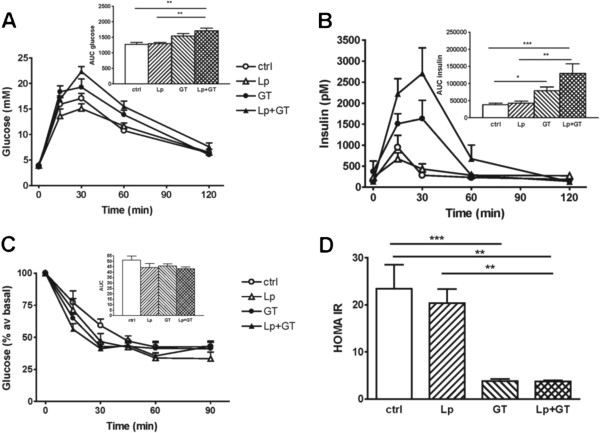
Type 2 diabetes is associated with obesity, ectopic lipid accumulation and low-grade inflammation. A dysfunctional gut microbiota has been suggested to participate in the pathogenesis of the disease. Green tea is rich in polyphenols and has previously been shown to exert beneficial metabolic effects. Lactobacillus plantarum has the ability to metabolize phenolic acids. The health promoting effect of whole green tea powder as a prebiotic compound has not been thoroughly investigated previously.
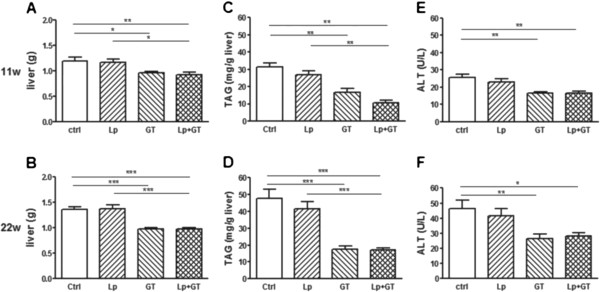
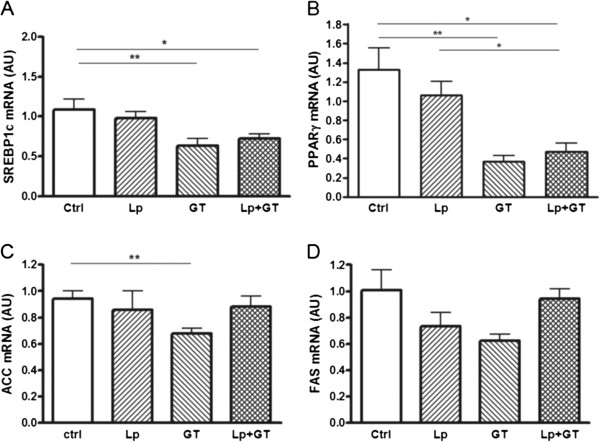
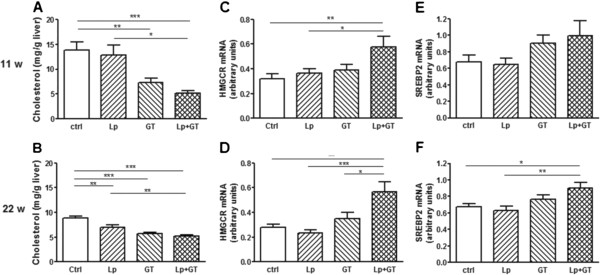
C57BL/6J mice were fed a high-fat diet with or without a supplement of 4% green tea powder (GT), and offered drinking water supplemented with Lactobacillus plantarum DSM 15313 (Lp) or the combination of both (Lp + GT) for 22 weeks. Parameters related to obesity, glucose tolerance, lipid metabolism, hepatic steatosis and inflammation were examined. Small intestinal tissue and caecal content were collected for bacterial analysis.
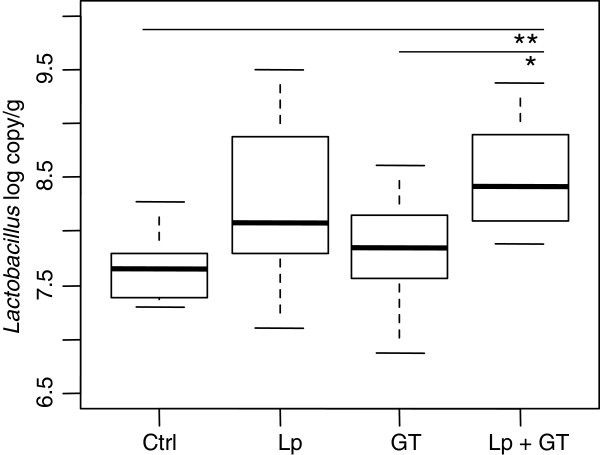
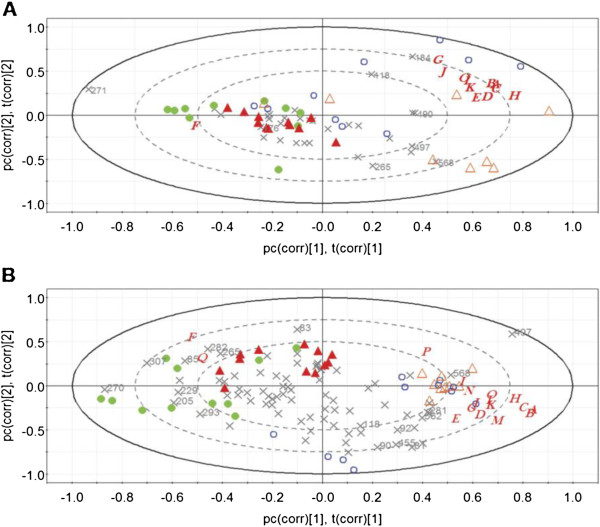
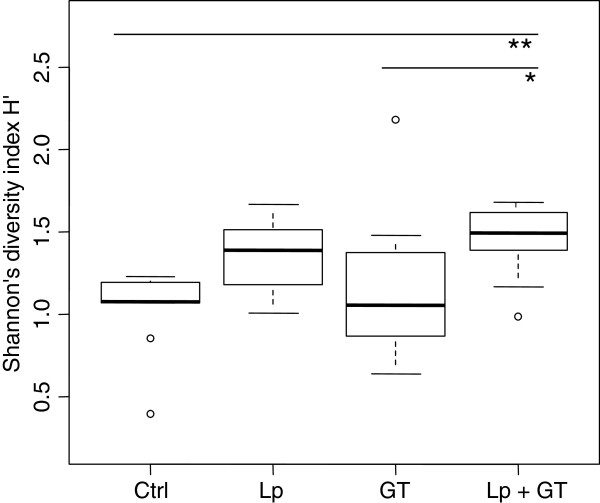
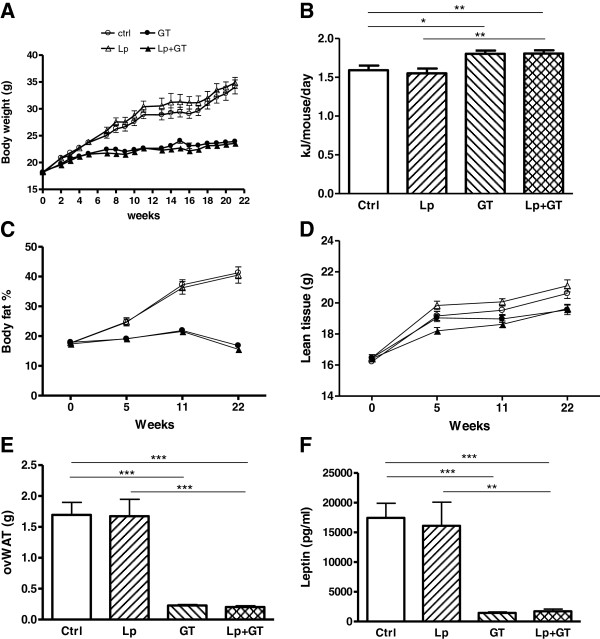
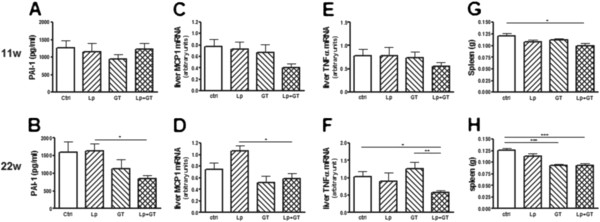
Mice in the Lp + GT group had significantly more Lactobacillus and higher diversity of bacteria in the intestine compared to both mice in the control and the GT group. Green tea strongly reduced the body fat content and hepatic triacylglycerol and cholesterol accumulation. The reduction was negatively correlated to the amount of Akkermansia and/or the total amount of bacteria in the small intestine. Markers of inflammation were reduced in the Lp + GT group compared to control. PLS analysis of correlations between the microbiota and the metabolic variables of the individual mice showed that relatively few components of the microbiota had high impact on the correlation model.
Green tea powder in combination with a single strain of Lactobacillus plantarum was able to promote growth of Lactobacillus in the intestine and to attenuate high fat diet-induced inflammation. In addition, a component of the microbiota, Akkermansia, correlated negatively with several metabolic parameters known to be risk factors for the development of type 2 diabetes.
2 型糖尿病与肥胖、异位脂质积累和低度炎症有关。功能失调的肠道微生物群被认为参与了疾病的发病机制。绿茶富含多酚,先前已被证明具有有益的代谢作用。植物乳杆菌具有代谢酚酸的能力。全绿茶粉作为一种益生元化合物的促进健康作用以前没有得到彻底的研究。
C57BL/6J 小鼠喂食高脂肪饮食,或添加 4%绿茶粉(GT),并提供添加植物乳杆菌 DSM 15313(Lp)或两者组合(Lp+GT)的饮用水,持续 22 周。检查与肥胖、葡萄糖耐量、脂质代谢、肝脂肪变性和炎症相关的参数。收集小肠组织和盲肠内容物进行细菌分析。
与对照组和 GT 组相比,Lp+GT 组的小鼠肠道中乳酸杆菌数量明显更多,细菌多样性更高。绿茶强烈降低了体脂肪含量和肝三酰甘油和胆固醇的积累。这种减少与小肠中 Akkermansia 的数量和/或总细菌数量呈负相关。与对照组相比,Lp+GT 组的炎症标志物减少。对个体小鼠的微生物群和代谢变量之间的相关性进行 PLS 分析表明,微生物群的相对较少的成分对相关模型有很大的影响。
绿茶粉与单一植物乳杆菌株联合使用能够促进肠道中乳杆菌的生长,并减轻高脂肪饮食诱导的炎症。此外,肠道微生物群的一个成分 Akkermansia 与几种已知是 2 型糖尿病发展风险因素的代谢参数呈负相关。