Siragam Vinayakumar, Rutnam Zina Jeyapalan, Yang Weining, Fang Ling, Luo Linlin, Yang Xiangling, Li Minhui, Deng Zhaoqun, Qian Jun, Peng Chun, Yang Burton B
Sunnybrook Health Sciences Centre, University of Toronto, Canada.
Oncotarget. 2012 Nov;3(11):1370-85. doi: 10.18632/oncotarget.717.
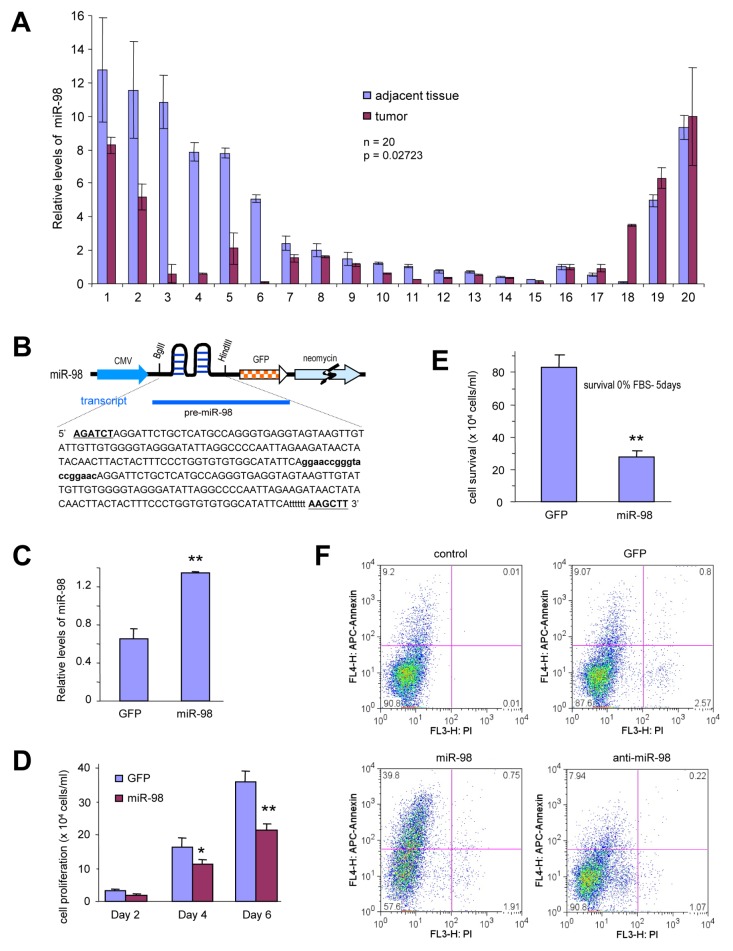
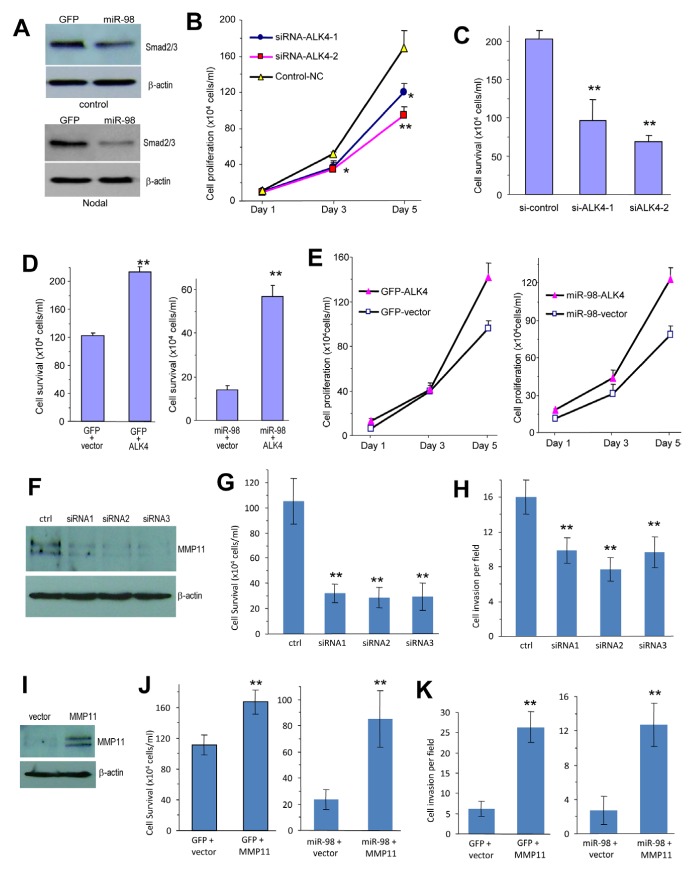
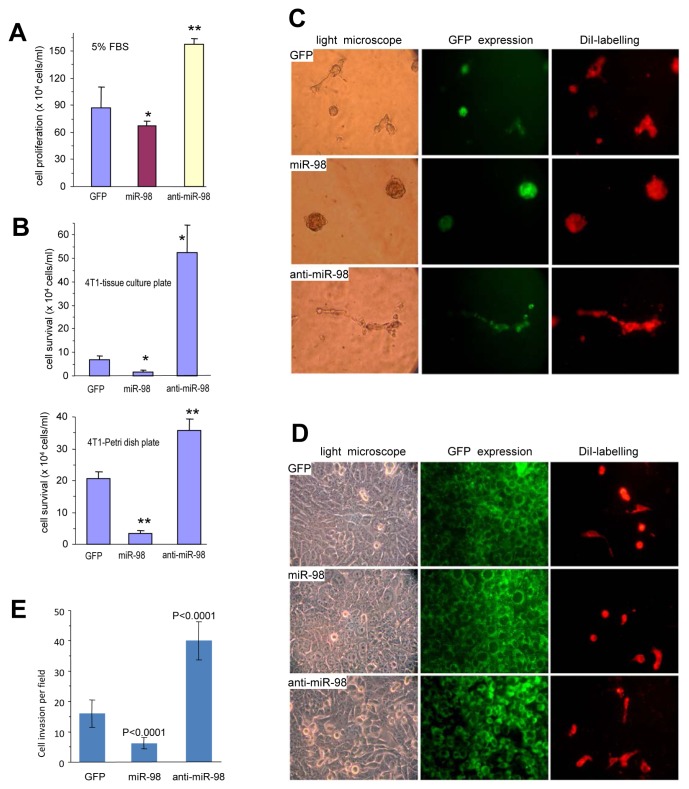
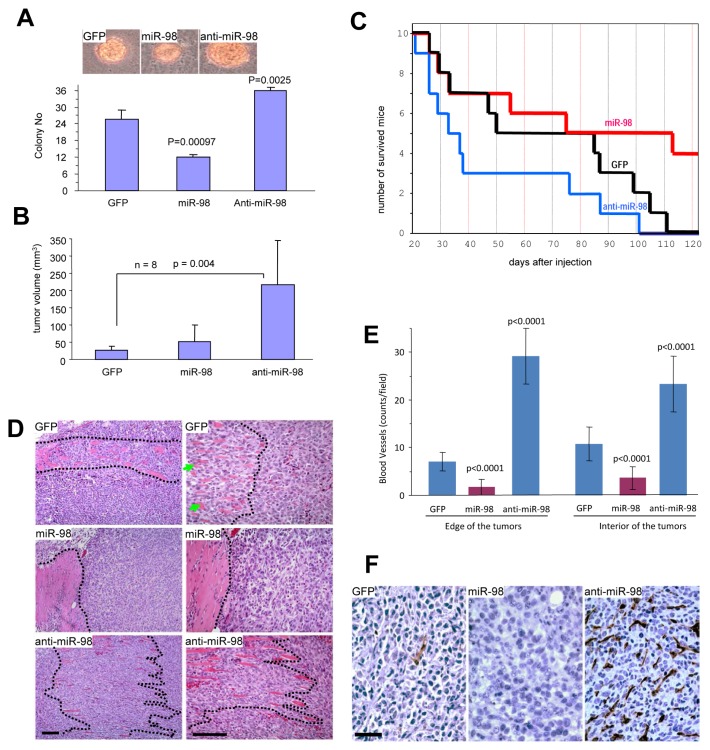
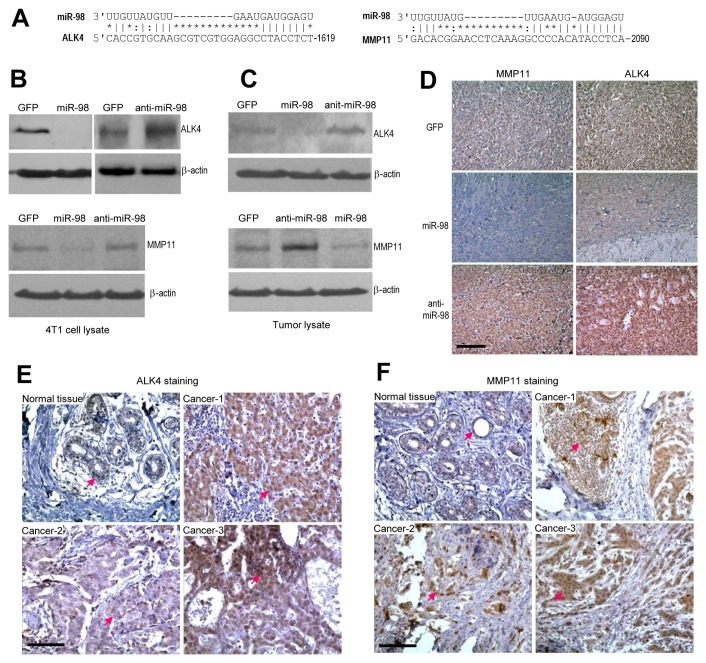
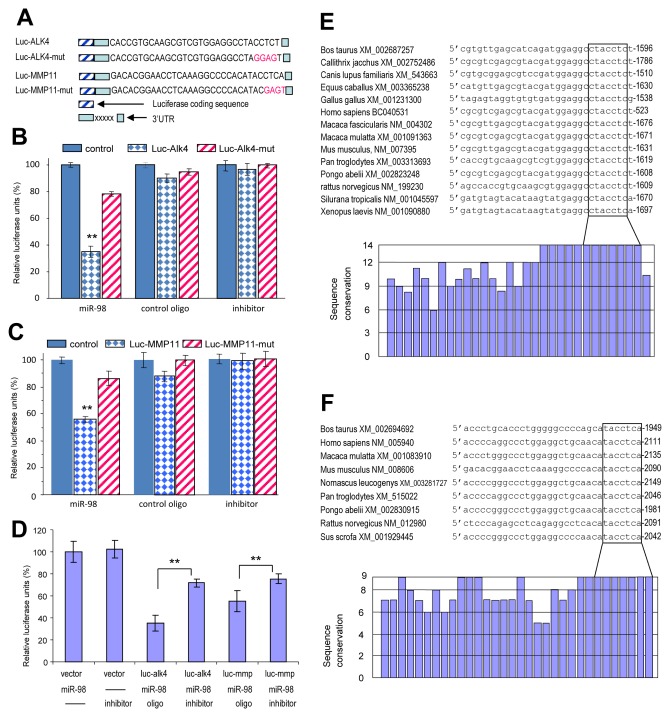
Angiogenesis and invasion are essential processes for solid tumor growth and dissemination. The tumor development process can be dependent on the activation of a series of signaling pathways, including growth factor-activated pathways. MicroRNAs have been shown to be critical for tumorigenesis, but their roles in cancer angiogenesis, invasion and other signaling pathways important for tumor development are still unclear in the context of tumor biology. We investigated the role of microRNA miR-98 in regulating tumor growth, invasion, and angiogenesis using a highly aggressive breast cancer model in vitro and in vitro. We found that the expression of miR-98 inhibited breast cancer cell proliferation, survival, tumor growth, invasion, and angiogenesis. Conversely, inhibition of endogenous miR-98 promoted cell proliferation, survival, tumor growth, invasion, and angiogenesis. It appeared that miR-98 inhibited angiogenesis by modulating endothelial cell activities including cell spreading, cell invasion and tubule formation. Interestingly, miR-98 reduced the expression of ALK4 and MMP11, both of which were potential targets of miR-98. Transfection of an anti-miR-98 construct increased the expression of both targets. We confirmed that mir-98 targeted the 3'-untranslated regions of ALK4 and MMP11. Finally, ALK4- and MMP11-specific siRNAs inhibited breast cancer cell proliferation, survival, and angiogenesis. Rescue experiments with ALK4 and MMP11 constructs reversed the anti-proliferative, anti-invasive and anti-angiogenic effects of miR-98. Our findings define a regulatory role of miR-98 in tumor angiogenesis and invasion through repressed ALK4 and MMP11 expression.
血管生成和侵袭是实体瘤生长和扩散的重要过程。肿瘤发展过程可能依赖于一系列信号通路的激活,包括生长因子激活的通路。微小RNA已被证明对肿瘤发生至关重要,但在肿瘤生物学背景下,它们在癌症血管生成、侵袭以及其他对肿瘤发展重要的信号通路中的作用仍不清楚。我们使用高度侵袭性的乳腺癌模型在体内和体外研究了微小RNA miR-98在调节肿瘤生长、侵袭和血管生成中的作用。我们发现miR-98的表达抑制了乳腺癌细胞的增殖、存活、肿瘤生长、侵袭和血管生成。相反,抑制内源性miR-98则促进了细胞增殖、存活、肿瘤生长、侵袭和血管生成。似乎miR-98通过调节内皮细胞活动(包括细胞铺展、细胞侵袭和小管形成)来抑制血管生成。有趣的是,miR-98降低了ALK4和MMP11的表达,这两者都是miR-98的潜在靶点。转染抗miR-98构建体增加了这两个靶点的表达。我们证实miR-98靶向ALK4和MMP11的3'非翻译区。最后,ALK4和MMP11特异性小干扰RNA抑制了乳腺癌细胞的增殖、存活和血管生成。用ALK4和MMP11构建体进行的挽救实验逆转了miR-98的抗增殖、抗侵袭和抗血管生成作用。我们的研究结果确定了miR-98通过抑制ALK4和MMP11的表达在肿瘤血管生成和侵袭中的调节作用。