Department of Natural and Informatics Sciences, Faculty of Central European Studies, Constantine the Philosopher University in Nitra, Drazovska 4, SK-949 74 Nitra, Slovak Republic.
Molecules. 2012 Dec 6;17(12):14490-509. doi: 10.3390/molecules171214490.
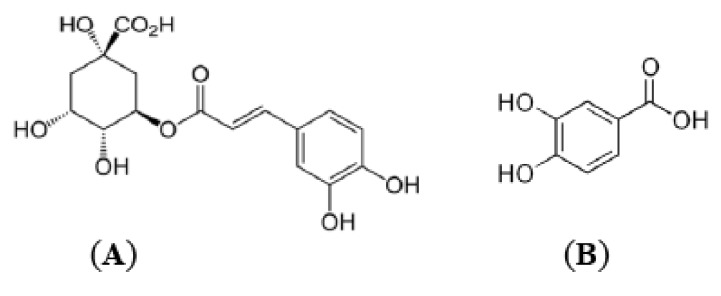
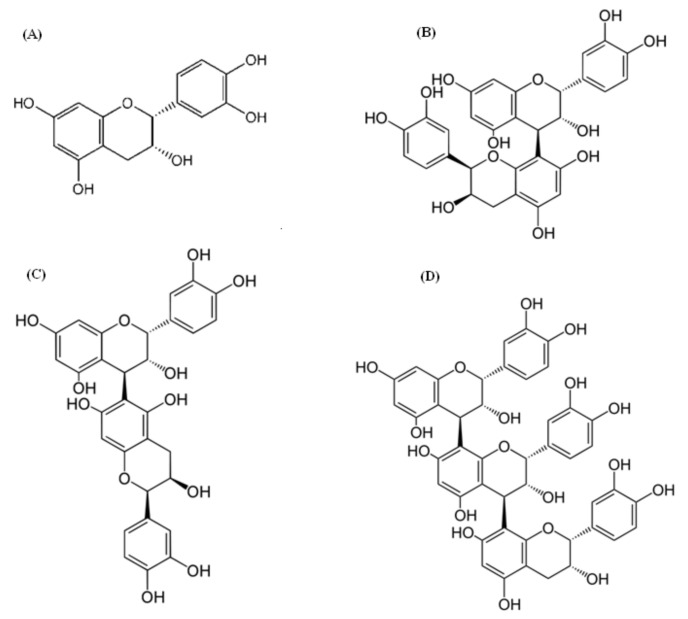
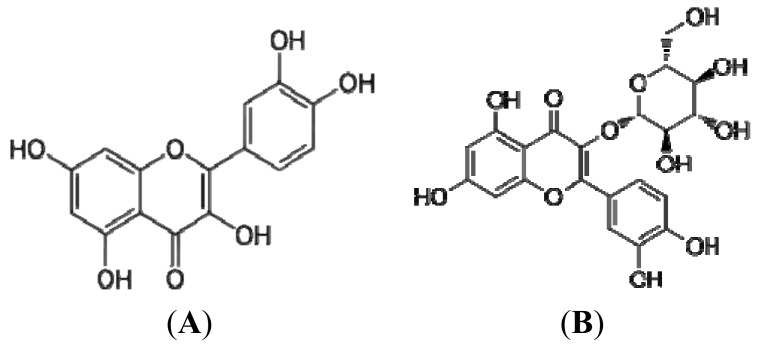
Chinese hawthorn (Crataegus pinnatifida Bge.) fruits are rich in polyphenols (e.g., epicatechin, procyanidin B2, procyanidin B5, procyanidin C1, hyperoside, isoquercitrin and chlorogenic acid)--active compounds that exert beneficial effects. This review summarizes all information available on polyphenolic content and methods for their quantification in Chinese hawthorn berries and the relationships between individual polyphenolic compounds as well. The influence of species or cultivars, the locality of cultivation, the stage of maturity, and extract preparation conditions on the polyphenolic content were discussed as well. Currently, only fruits of C. pinnatifida and C. pinnatifida var. major are included in the Chinese Pharmacopoeia. Recent trials have demonstrated the efficacy of Chinese hawthorn fruit in lowering blood cholesterol and the risk of cardiovascular diseases. The fruit has also demonstrated anti-inflammatory and anti-tumour activities. This review deals mainly with the biological activity of the fruit related to its antioxidant properties.
山楂(Crataegus pinnatifida Bge.)果实富含多酚(如表儿茶素、原花青素 B2、原花青素 B5、原花青素 C1、金丝桃苷、异槲皮苷和绿原酸)——这些活性化合物具有有益的作用。本文综述了山楂果实中多酚含量及其定量分析方法的所有信息,以及各多酚化合物之间的关系。还讨论了物种或品种、种植地点、成熟阶段以及提取制备条件对多酚含量的影响。目前,只有山楂和山楂变种的果实被列入中国药典。最近的试验表明,山楂果具有降低血液胆固醇和心血管疾病风险的功效。山楂果还具有抗炎和抗肿瘤活性。本文主要讨论了与抗氧化特性相关的山楂果的生物活性。