Biology Department, Emory University, Atlanta, GA, USA.
PLoS One. 2012;7(11):e51017. doi: 10.1371/journal.pone.0051017. Epub 2012 Nov 30.
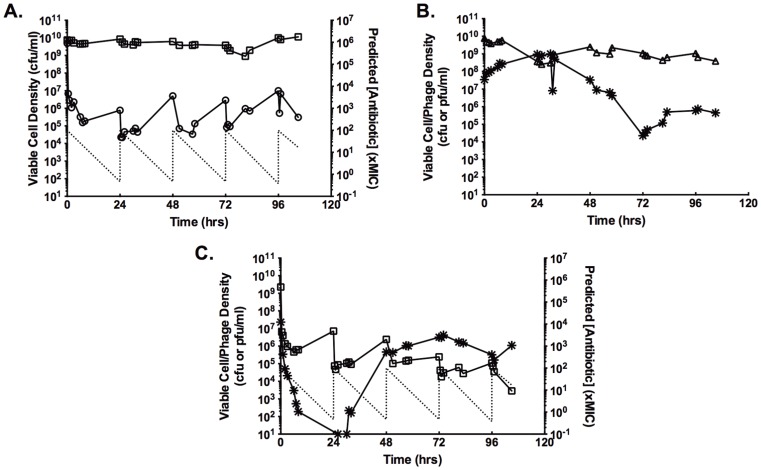
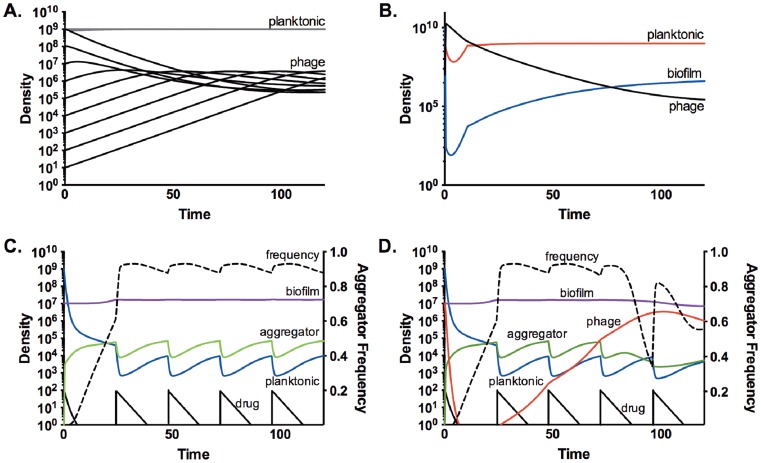
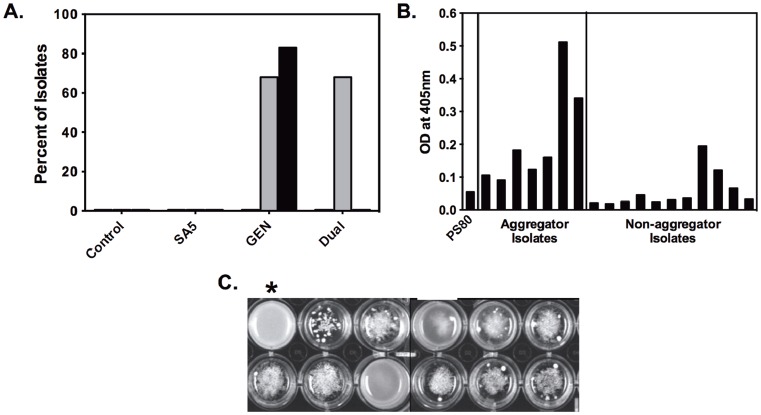
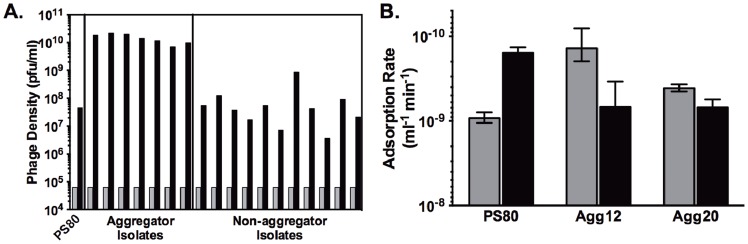
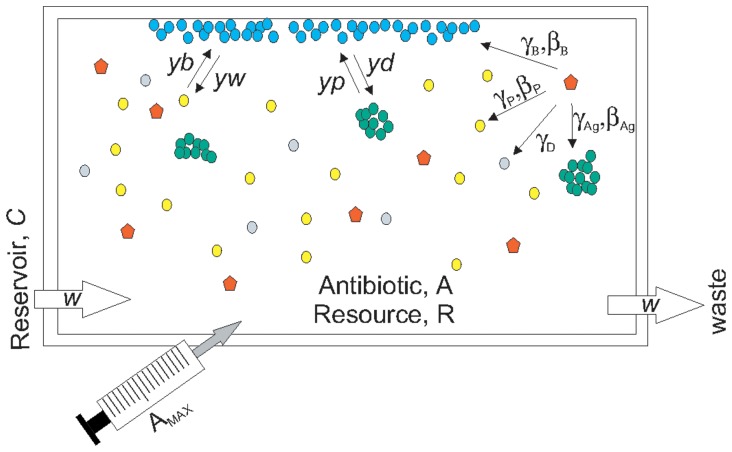
With the increasing frequency of antibiotic resistance and the decreasing frequency of new antibiotics entering the market, interest has returned to developing bacteriophage as a therapeutic agent. Acceptance of phage therapy, however, is limited by the unknown pharmacodynamics of a replicating agent, as well as the potential for the evolution of resistant bacteria. One way to overcome some of these limitations is to incorporate phage and antibiotics into a dual therapy regimen; however, this increases the complexity of the pharmacodynamics. The aim of this study is to develop an experimental system to evaluate the pharmacodynamics of dual phage-drug therapy. A continuous culture system for Staphylococcus aureus is used to simulate the pharmacokinetics of periodic antibiotic dosing alone and in combination with lytic phage. A computer model representation of the system allows further evaluation of the conditions governing the observed pharmacodynamics. The results of this experimental/modeling approach suggest that dual therapy can be more efficacious than single therapies, particularly if there is an overlap in the physiological pathways targeted by the individual agents. In this case, treatment with gentamicin induces a population of cells with a strong aggregation phenotype. These aggregators also have an increased ability to form biofilm, which is a well-known, non-genetic mechanism of drug resistance. However, the aggregators are also more susceptible than the parental strain to the action of the phage. Thus, dual treatment with gentamicin and phage resulted in lower final cell densities than either treatment alone. Unlike in the phage-only treatment, phage-resistant isolates were not detected in the dual treatment.
随着抗生素耐药性的不断增加和新抗生素进入市场的频率不断降低,人们重新将噬菌体作为一种治疗剂进行开发。然而,噬菌体治疗的接受程度受到未知的复制剂药效动力学以及耐药细菌进化的潜在风险的限制。克服这些限制的一种方法是将噬菌体和抗生素纳入双重治疗方案中;然而,这增加了药效动力学的复杂性。本研究的目的是开发一种实验系统来评估双重噬菌体-药物治疗的药效动力学。使用金黄色葡萄球菌连续培养系统模拟单独和联合溶菌噬菌体周期性给予抗生素的药代动力学。该系统的计算机模型表示允许进一步评估控制观察到的药效动力学的条件。这种实验/建模方法的结果表明,双重治疗比单一治疗更有效,特别是如果单独药物的生理途径存在重叠。在这种情况下,庆大霉素治疗会诱导具有强烈聚集表型的细胞群体。这些聚集剂也具有形成生物膜的能力增强,生物膜是一种众所周知的、非遗传的耐药机制。然而,聚集剂比亲株更容易受到噬菌体的作用。因此,与单独使用庆大霉素或噬菌体治疗相比,双重治疗导致的最终细胞密度更低。与单独噬菌体治疗不同,在双重治疗中未检测到噬菌体耐药分离株。