Department of Molecular Microbiology and Biotechnology, The George S, Wise Faculty of Life Sciences, Tel-Aviv University, Ramat Aviv, Israel.
J Nanobiotechnology. 2011 Dec 20;9:58. doi: 10.1186/1477-3155-9-58.
Targeted drug-carrying phage nanomedicines are a new class of nanomedicines that combines biological and chemical components into a modular nanometric drug delivery system. The core of the system is a filamentous phage particle that is produced in the bacterial host Escherichia coli. Target specificity is provided by a targeting moiety, usually an antibody that is displayed on the tip of the phage particle. A large drug payload is chemically conjugated to the protein coat of the phage via a chemically or genetically engineered linker that provides for controlled release of the drug after the particle homed to the target cell. Recently we have shown that targeted drug-carrying phage nanomedicines can be used to eradicate pathogenic bacteria and cultured tumor cells with great potentiation over the activity of the free untargeted drug. We have also shown that poorly water soluble drugs can be efficiently conjugated to the phage coat by applying hydrophilic aminoglycosides as branched solubility-enhancing linkers.
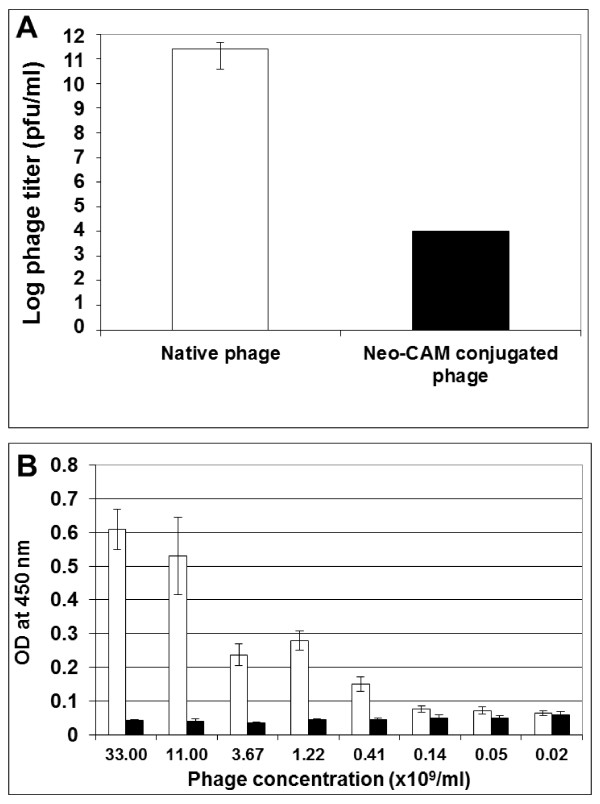
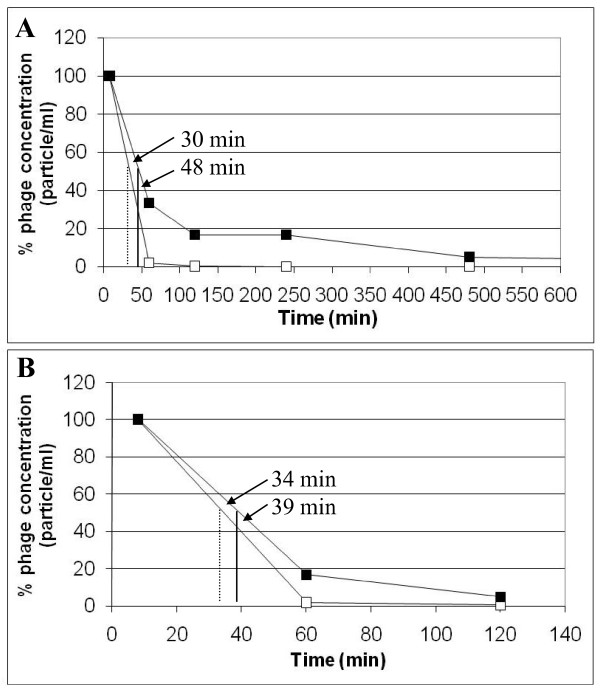
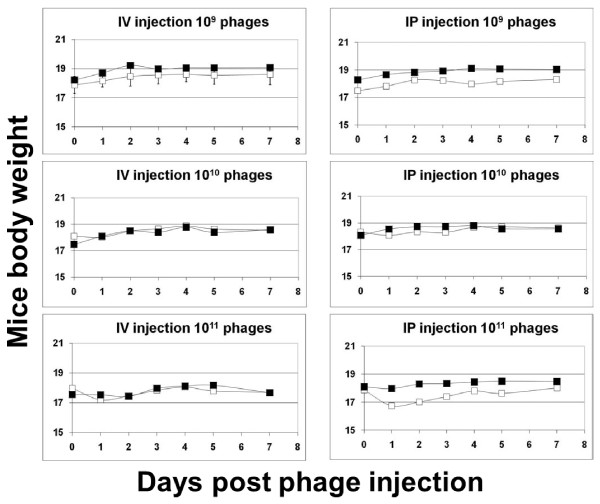
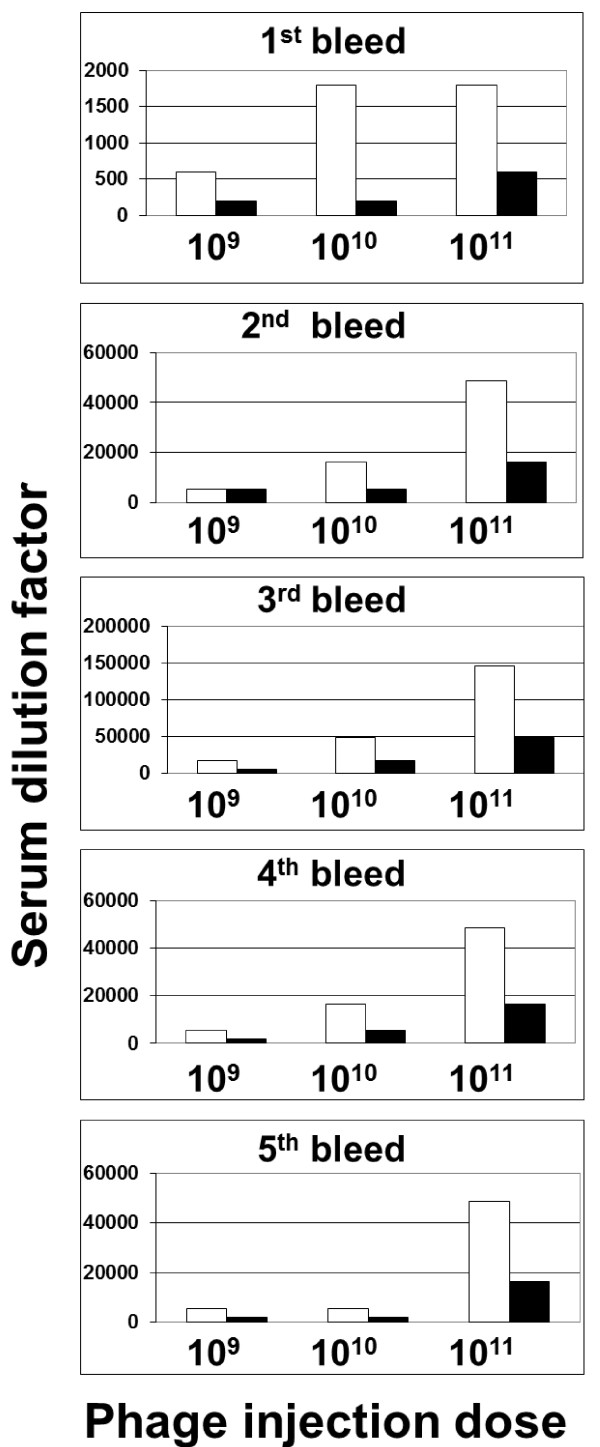
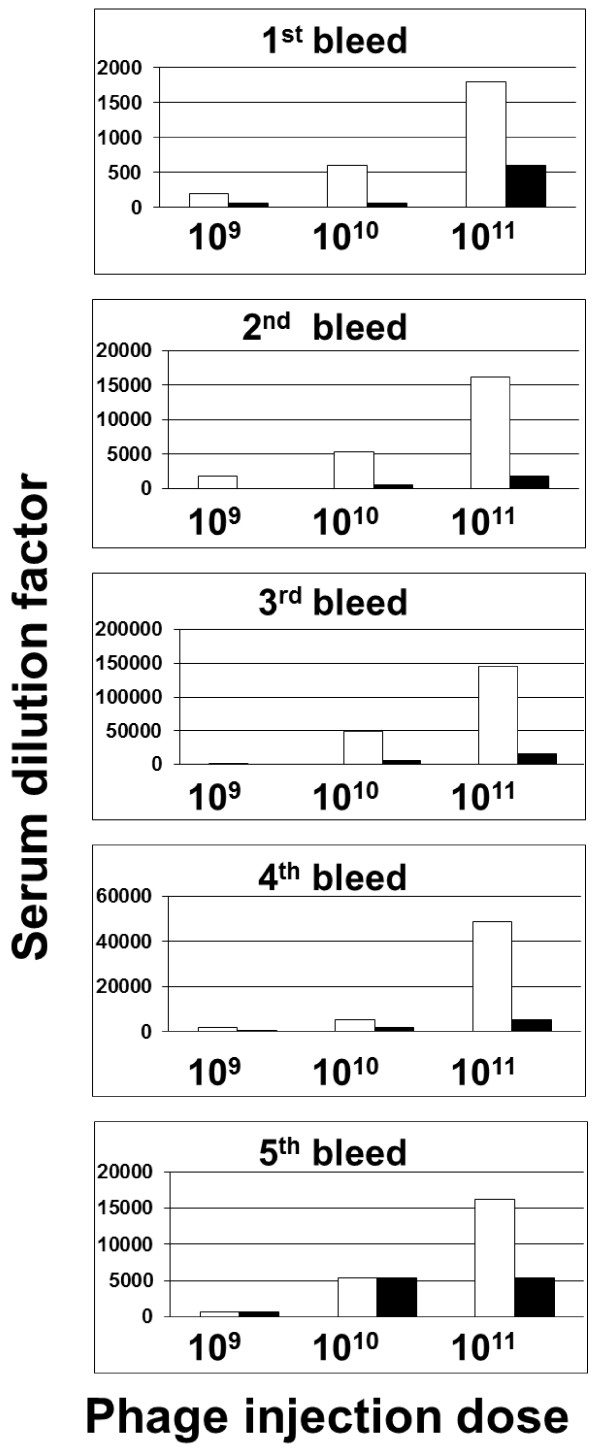
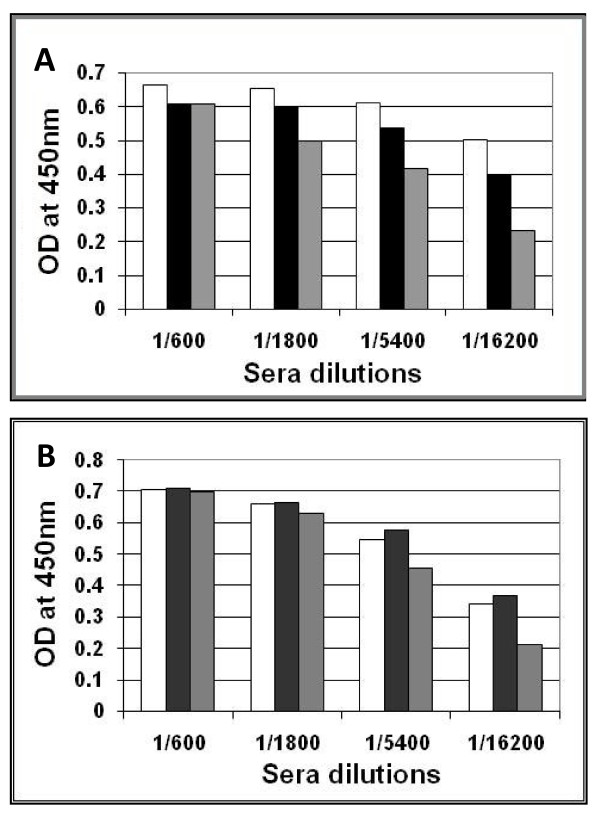
With an intention to move to animal experimentation of efficacy, we tested anti-bacterial drug-carrying phage nanomedicines for toxicity and immunogenicity and blood pharmacokinetics upon injection into mice. Here we show that anti-bacterial drug-carrying phage nanomedicines that carry the antibiotic chloramphenicol conjugated via an aminoglycoside linker are non-toxic to mice and are greatly reduced in immunogenicity in comparison to native phage particles or particles to which the drug is conjugated directly and are cleared from the blood more slowly in comparison to native phage particles.
Our results suggest that aminoglycosides may serve as branched solubility enhancing linkers for drug conjugation that also provide for a better safety profile of the targeted nanomedicine.
靶向载药噬菌体纳米药物是一类将生物和化学成分结合到模块化纳米药物递送系统中的新型纳米药物。该系统的核心是一种丝状噬菌体颗粒,它在细菌宿主大肠杆菌中产生。靶向特异性由靶向部分提供,通常是展示在噬菌体颗粒尖端的抗体。大量药物通过化学或基因工程连接子与噬菌体的蛋白质外壳化学偶联,该连接子为颗粒归巢到靶细胞后药物的控制释放提供了条件。最近我们已经表明,靶向载药噬菌体纳米药物可用于根除致病性细菌和培养的肿瘤细胞,其活性大大增强了游离非靶向药物的活性。我们还表明,通过应用亲水性氨基糖苷作为支化的增溶连接子,可以有效地将疏水性药物偶联到噬菌体衣壳上。
为了将功效的动物实验推进,我们测试了携带抗菌药物的噬菌体纳米药物的毒性、免疫原性和注射到小鼠体内后的血液药代动力学。在这里,我们表明,通过氨基糖苷连接子携带抗生素氯霉素的抗菌药物载药噬菌体纳米药物对小鼠无毒,与天然噬菌体颗粒或直接与药物偶联的颗粒相比,其免疫原性大大降低,与天然噬菌体颗粒相比,从血液中清除的速度也较慢。
我们的结果表明,氨基糖苷类可以作为药物偶联的支化增溶连接子,为靶向纳米药物提供更好的安全性。