UMR Biogéochimie et Ecologie des Milieux Continentaux, Université Paris-Est Créteil, Créteil, France.
PLoS One. 2012;7(12):e49504. doi: 10.1371/journal.pone.0049504. Epub 2012 Dec 3.
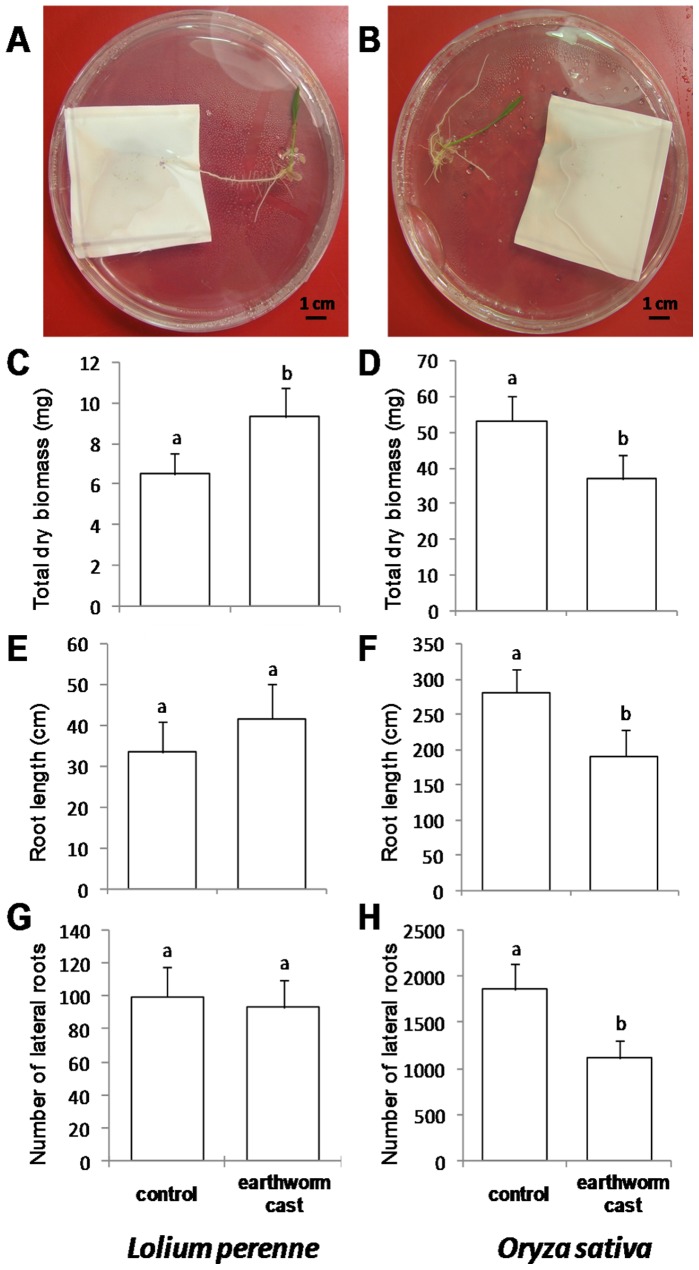
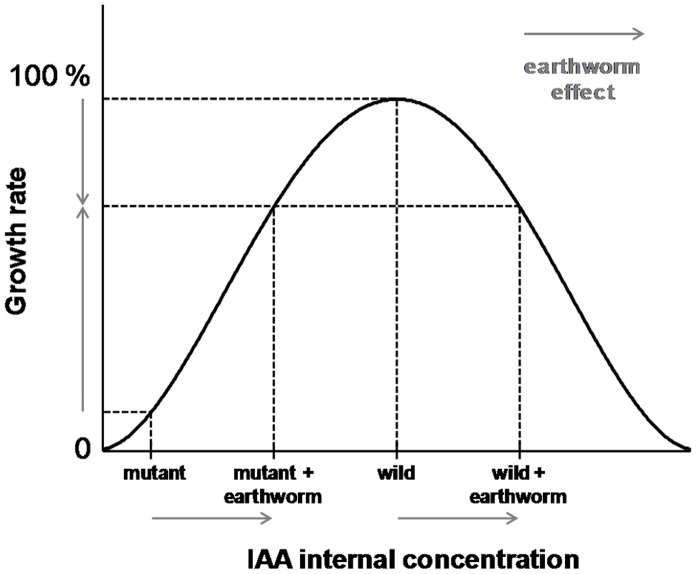
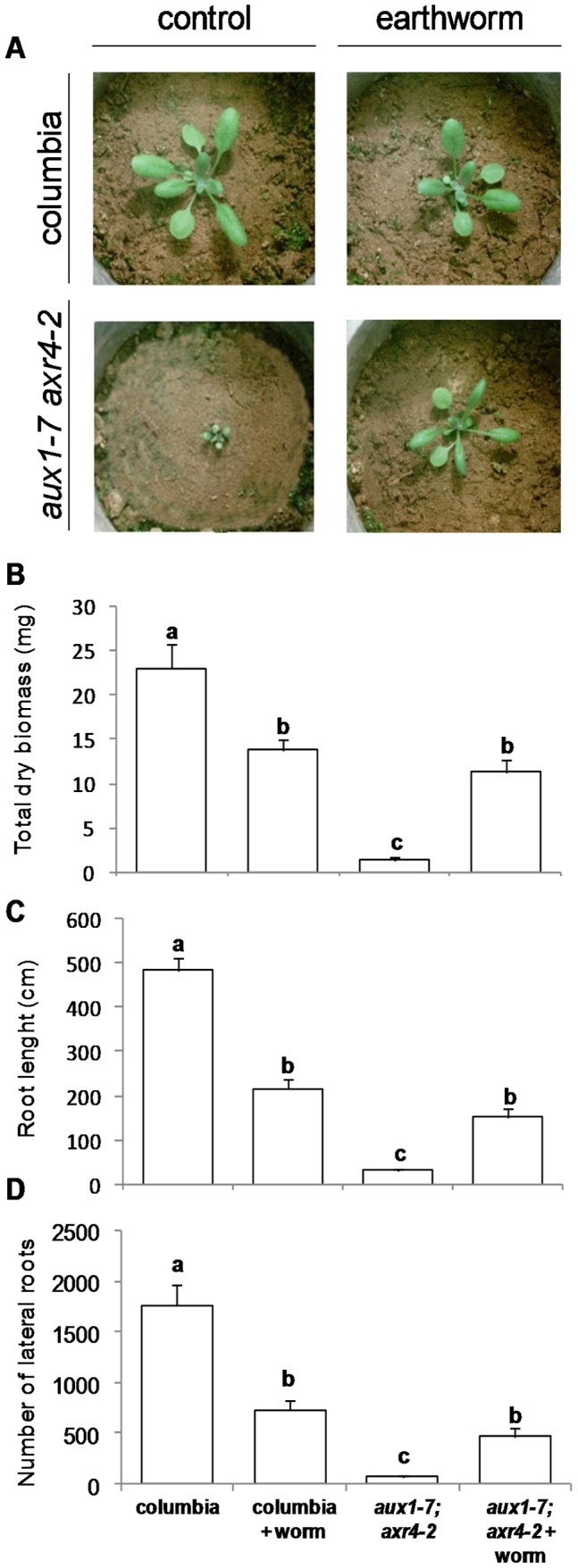
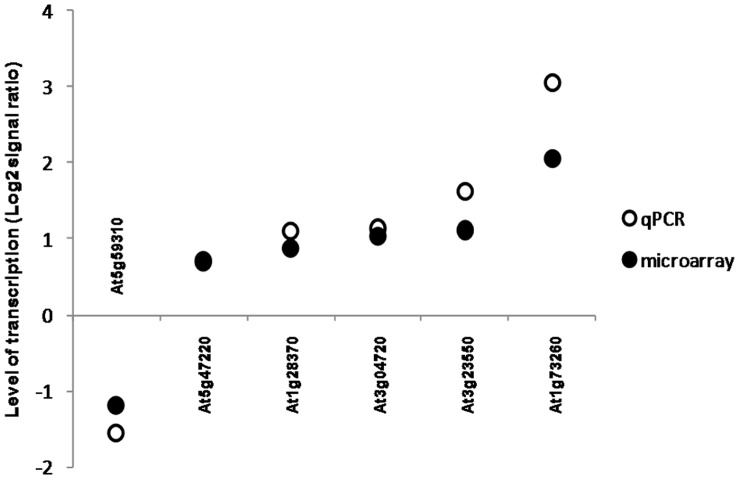
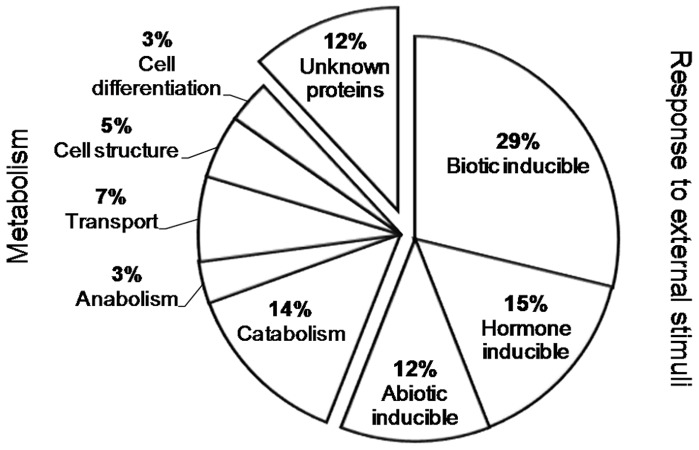
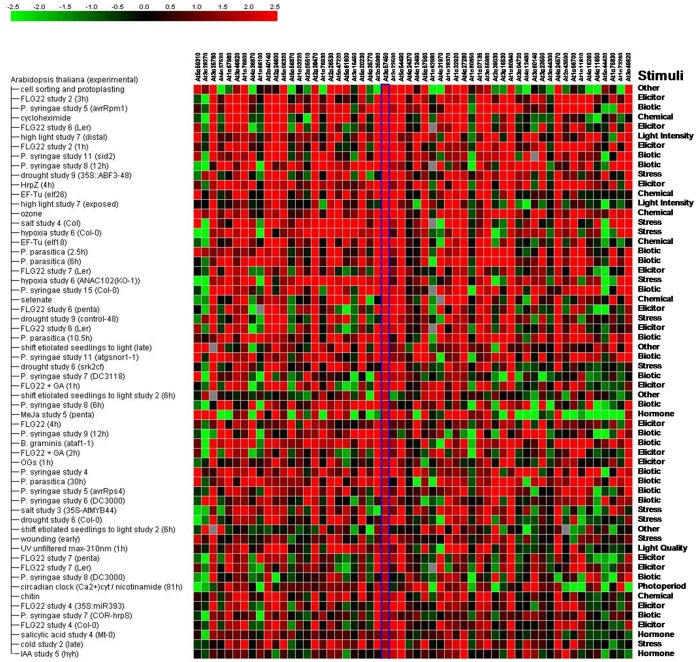
Earthworms have generally a positive impact on plant growth, which is often attributed to a trophic mechanism: namely, earthworms increase the release of mineral nutrients from soil litter and organic matter. An alternative hypothesis has been proposed since the discovery of a signal molecule (Indole Acetic Acid) in earthworm faeces. In this study, we used methodologies developed in plant science to gain information on ecological mechanisms involved in plant-earthworm interaction, by looking at plant response to earthworm presence at a molecular level. First, we looked at plant overall response to earthworm faeces in an in vitro device where only signal molecules could have an effect on plant growth; we observed that earthworms were inducing positive or negative effects on different plant species. Then, using an Arabidopsis thaliana mutant with an impaired auxin transport, we demonstrated the potential of earthworms to stimulate root growth and to revert the dwarf mutant phenotype. Finally, we performed a comparative transcriptomic analysis of Arabidopsis thaliana in the presence and absence of earthworms; we found that genes modulated in the presence of earthworms are known to respond to biotic and abiotic stresses, or to the application of exogenous hormones. A comparison of our results with other studies found in databases revealed strong analogies with systemic resistance, induced by signal molecules emitted by Plant Growth Promoting Rhizobacteria and/or elicitors emitted by non-virulent pathogens. Signal molecules such as auxin and ethylene, which are considered as major in plant-microorganisms interactions, can also be of prior importance to explain plant-macroinvertebrates interactions. This could imply revisiting ecological theories which generally stress on the role of trophic relationships.
蚯蚓通常对植物生长有积极的影响,这通常归因于一种营养机制:即蚯蚓增加了土壤碎屑和有机物中矿质养分的释放。自从在蚯蚓粪便中发现一种信号分子(吲哚乙酸)以来,提出了一种替代假说。在这项研究中,我们使用植物科学中开发的方法学,通过研究植物对蚯蚓存在的分子水平上的反应,来获取涉及植物-蚯蚓相互作用的生态机制的信息。首先,我们在体外装置中观察了植物对蚯蚓粪便的整体反应,在该装置中只有信号分子才能对植物生长产生影响;我们观察到蚯蚓对不同植物物种产生了正向或负向的影响。然后,我们使用一种拟南芥突变体(生长素运输受损),证明了蚯蚓能够刺激根的生长并恢复矮化突变体的表型。最后,我们对存在和不存在蚯蚓的拟南芥进行了比较转录组分析;我们发现,在蚯蚓存在的情况下被调节的基因已知对生物和非生物胁迫,或对外源激素的应用有反应。将我们的结果与数据库中其他研究的结果进行比较,发现与由植物生长促进根际细菌和/或非毒性病原体发出的信号分子诱导的系统抗性具有很强的相似性。生长素和乙烯等被认为是植物-微生物相互作用中的主要信号分子,也可能对解释植物-大型无脊椎动物相互作用具有重要意义。这可能意味着需要重新审视那些通常强调营养关系作用的生态理论。