Cellular and Molecular Biology Program, University of Michigan, Ann Arbor, Michigan, United States of America.
PLoS One. 2012;7(12):e49707. doi: 10.1371/journal.pone.0049707. Epub 2012 Dec 3.
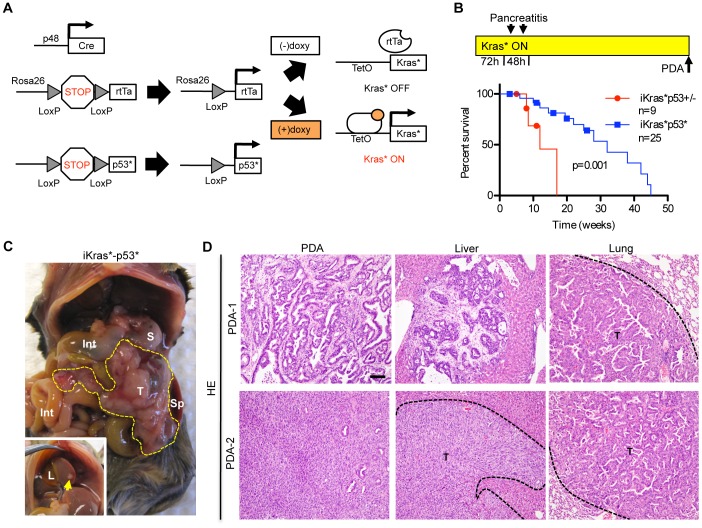
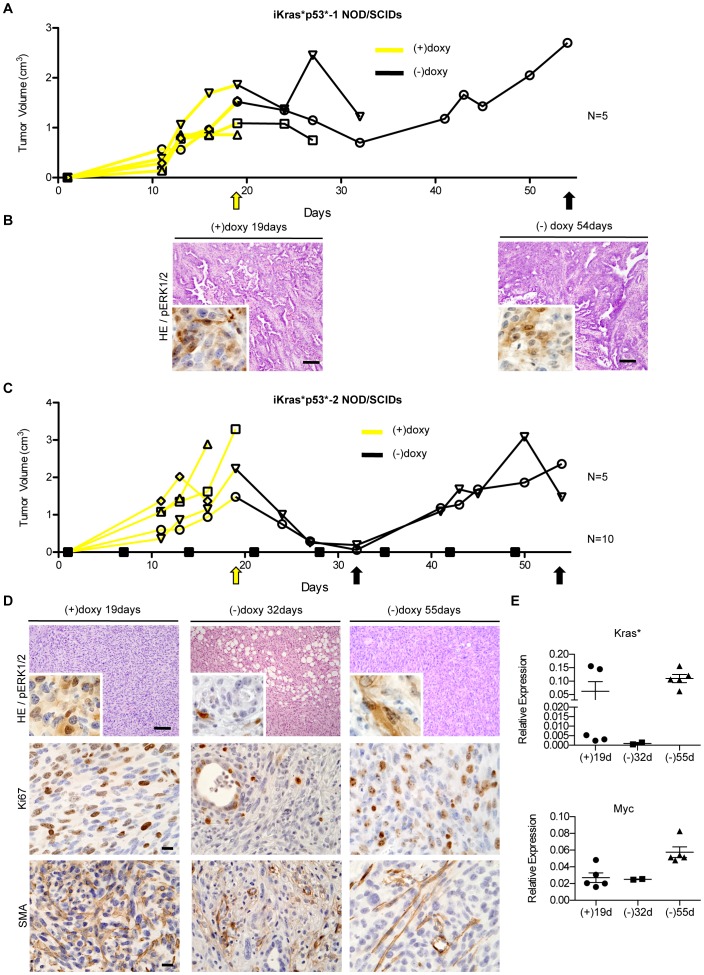
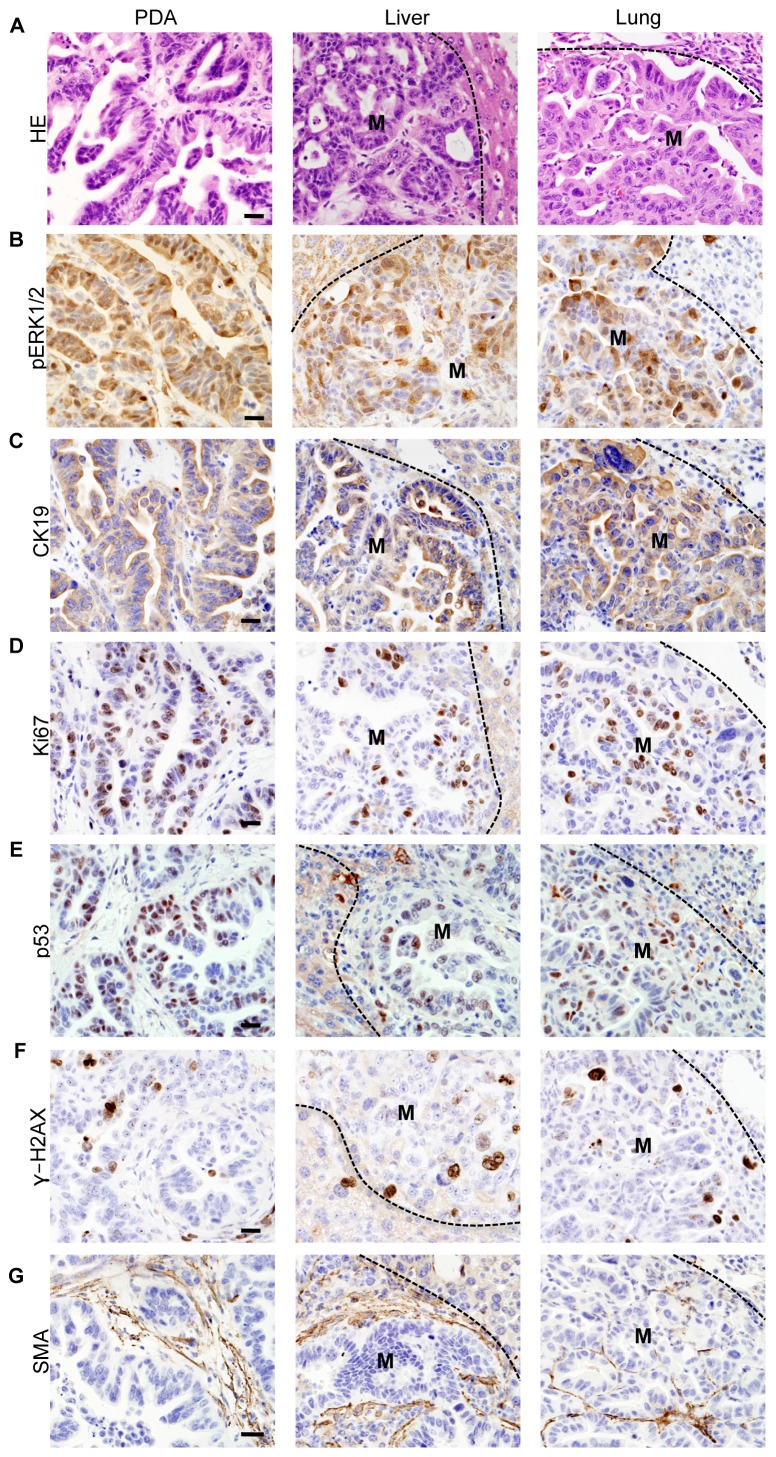
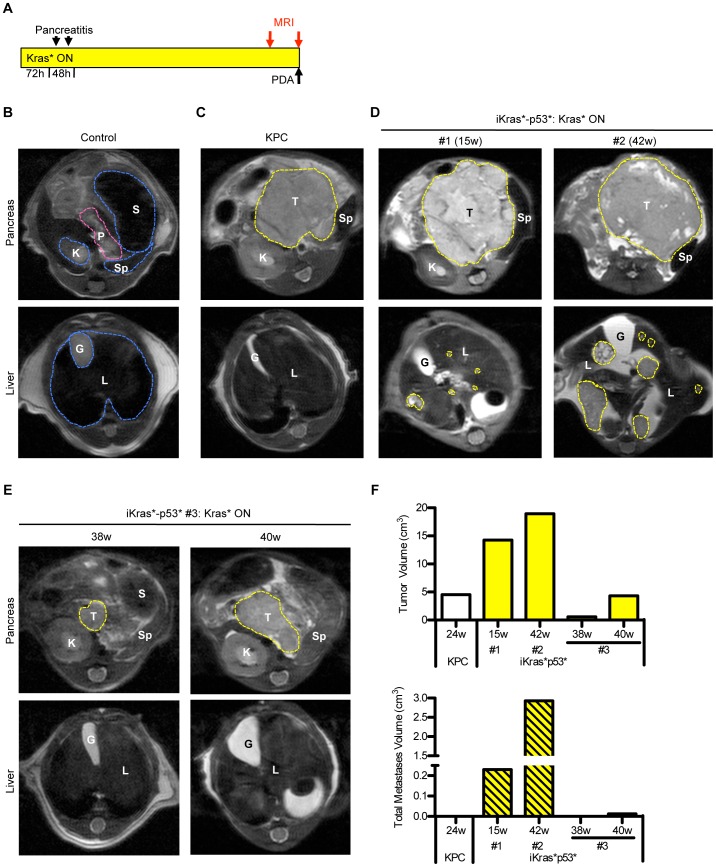
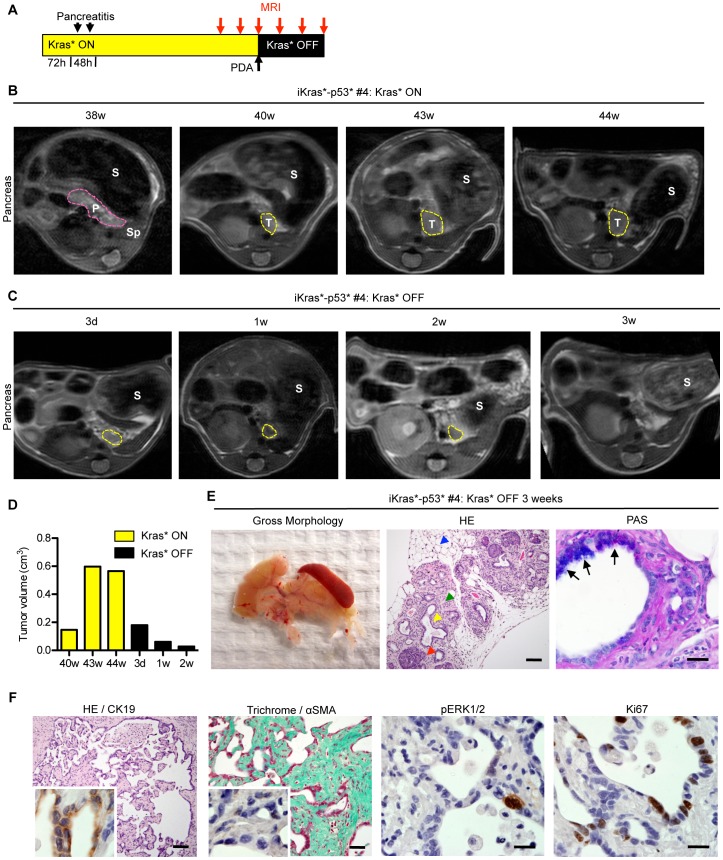
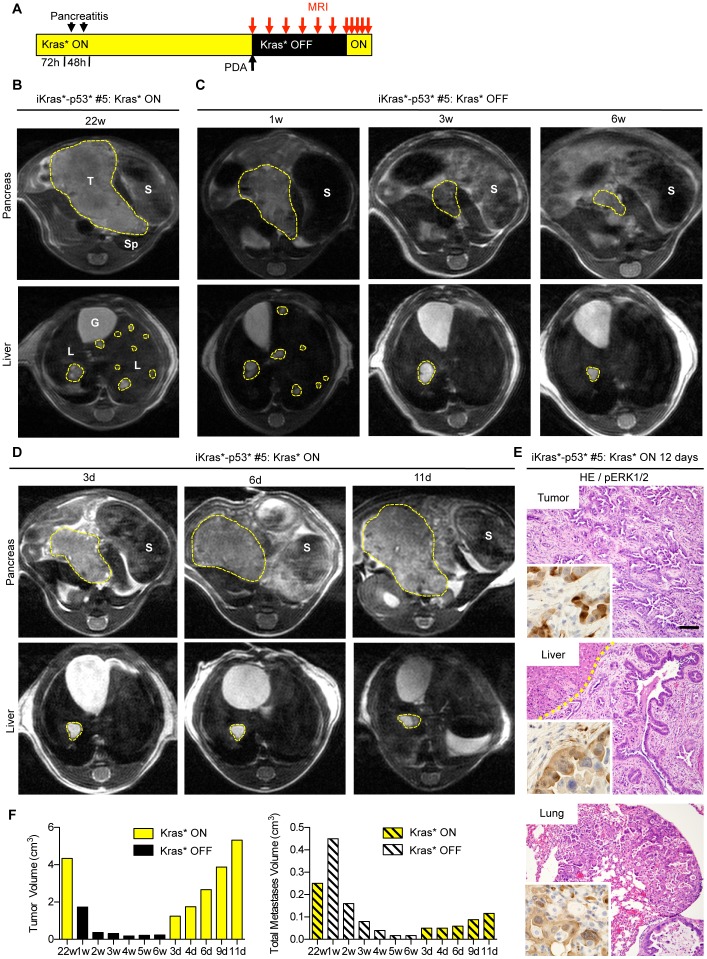
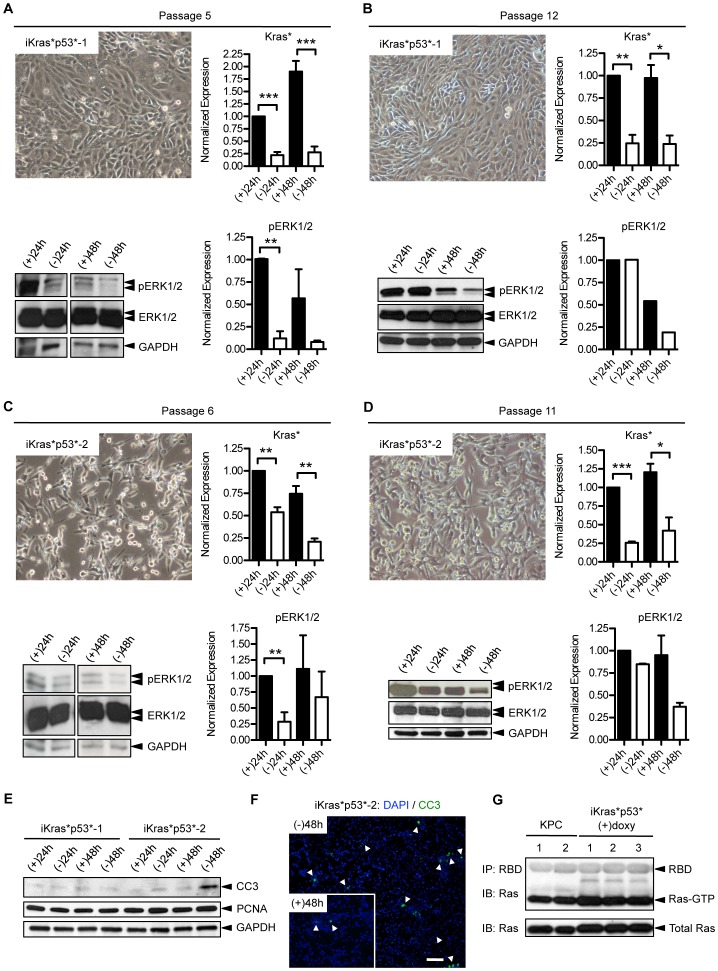
Pancreatic cancer is one of the deadliest human malignancies, and its prognosis has not improved over the past 40 years. Mouse models that spontaneously develop pancreatic adenocarcinoma and mimic the progression of the human disease are emerging as a new tool to investigate the basic biology of this disease and identify potential therapeutic targets. Here, we describe a new model of metastatic pancreatic adenocarcinoma based on pancreas-specific, inducible and reversible expression of an oncogenic form of Kras, together with pancreas-specific expression of a mutant form of the tumor suppressor p53. Using high-resolution magnetic resonance imaging to follow individual animals in longitudinal studies, we show that both primary and metastatic lesions depend on continuous Kras activity for their maintenance. However, re-activation of Kras* following prolonged inactivation leads to rapid tumor relapse, raising the concern that Kras*-resistance might eventually be acquired. Thus, our data identifies Kras* as a key oncogene in pancreatic cancer maintenance, but raises the possibility of acquired resistance should Kras inhibitors become available for use in pancreatic cancer.
胰腺癌是人类最致命的恶性肿瘤之一,在过去的 40 年里,其预后并未得到改善。自发形成胰腺腺癌并模拟人类疾病进展的小鼠模型正成为研究该疾病基础生物学和确定潜在治疗靶点的新工具。在这里,我们描述了一种基于胰腺特异性、诱导性和可逆表达致癌形式 Kras 以及胰腺特异性表达肿瘤抑制因子 p53 突变体的转移性胰腺腺癌的新模型。我们使用高分辨率磁共振成像在纵向研究中跟踪单个动物,结果表明,原发和转移病变的维持都依赖于持续的 Kras 活性。然而,在长时间失活后重新激活 Kras会导致肿瘤迅速复发,这引发了人们对最终可能获得 Kras耐药性的担忧。因此,我们的数据将 Kras*鉴定为维持胰腺癌的关键致癌基因,但如果 Kras 抑制剂可用于胰腺癌治疗,就有可能出现获得性耐药性。