ETEP Research Group, Complutense University, Madrid, Spain.
Med Oral Patol Oral Cir Bucal. 2013 Jan 1;18(1):e100-5. doi: 10.4317/medoral.18042.
The goal of this study was to determine the genetic variability of the fimA gene in Porphyromonas gingivalis isolates from Spanish patients.
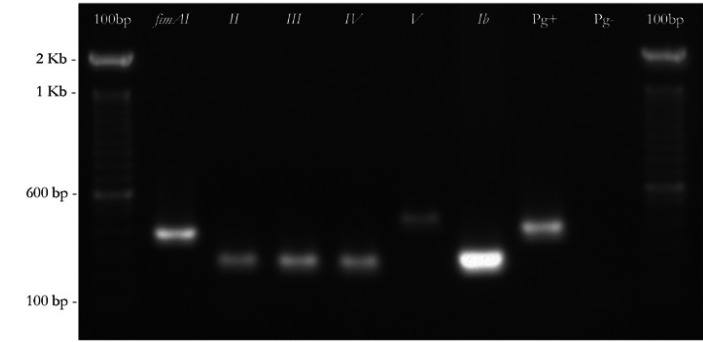
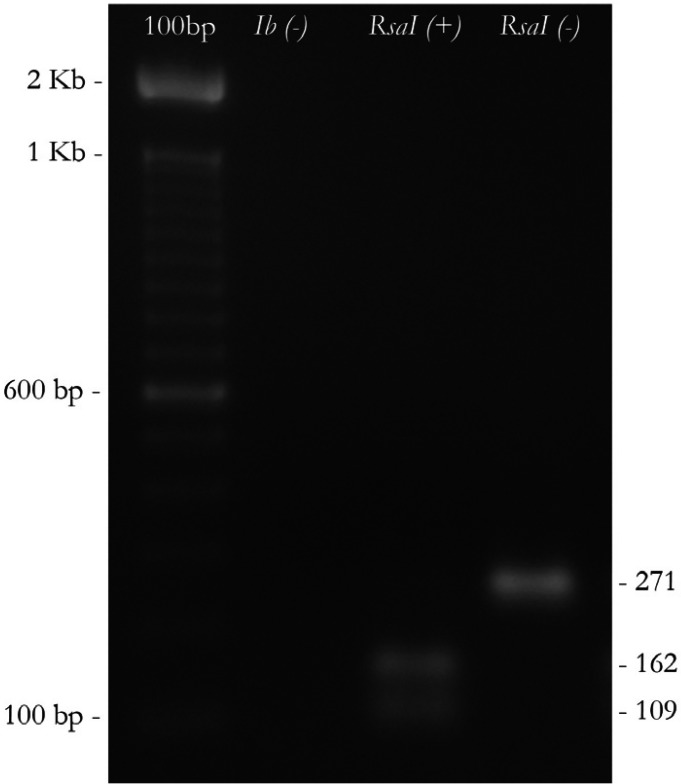
Pooled subgingival samples were taken, processed and cultured in non-selective blood agar medium. Pure cultures of one to six isolates per patient were obtained and PCR and PCR-RFLP were used for fimbrillin gene (fimA) type determination of the extracted genomic (DNA).
Two hundred and twenty four Porphyromonas gingivalis isolates from 65 patients were analyzed consisting of 15 non-periodontitis patients (66 isolates) and 50 with periodontitis (158 isolates). Genotype II was the most prevalent (50.9%), while the other types of fimbriae did not exceed fifteen percent of prevalence. Isolates with types II and IV of fimbriae were significantly more prevalent in periodontitis patients than isolates with genotype I. Co-infection was observed in 17.65% of the patients analyzed.
The results suggest that in this population Porphyromonas gingivalis with type II of fimbriae are significantly more predominant in periodontitis patients than genotype I.
本研究旨在确定来自西班牙患者的牙龈卟啉单胞菌分离株 fimA 基因的遗传变异性。
采集龈下混合样本,在非选择性血琼脂培养基中进行处理和培养。从每位患者中获得 1 到 6 个纯培养物,并使用 PCR 和 PCR-RFLP 对提取的基因组(DNA)中的 fimbrillin 基因(fimA)型进行测定。
对 65 名患者的 224 株牙龈卟啉单胞菌进行了分析,其中包括 15 名非牙周炎患者(66 株)和 50 名牙周炎患者(158 株)。基因型 II 最为普遍(50.9%),而其他类型的菌毛则不超过 15%的流行率。与基因型 I 相比,牙周炎患者中携带菌毛 II 型和 IV 型的分离株明显更为普遍。在分析的 17.65%的患者中观察到了混合感染。
结果表明,在该人群中,与基因型 I 相比,具有菌毛 II 型的牙龈卟啉单胞菌在牙周炎患者中明显更为普遍。