Isis Research Network on Musculoskeletal Health, Society for Women's Health Research, Washington, DC, 20036, USA.
Biol Sex Differ. 2012 Dec 23;3(1):28. doi: 10.1186/2042-6410-3-28.
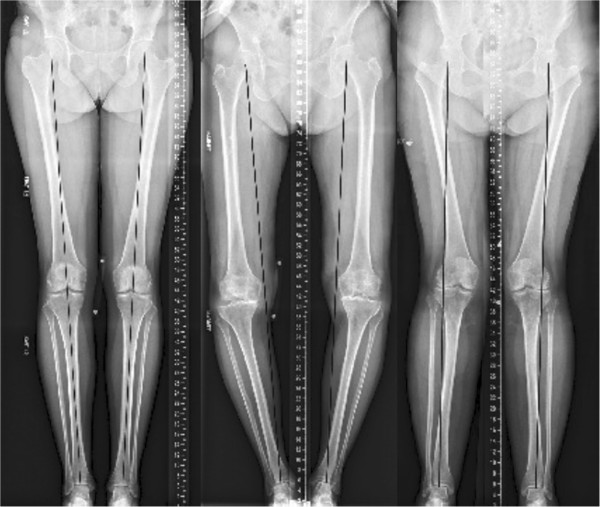
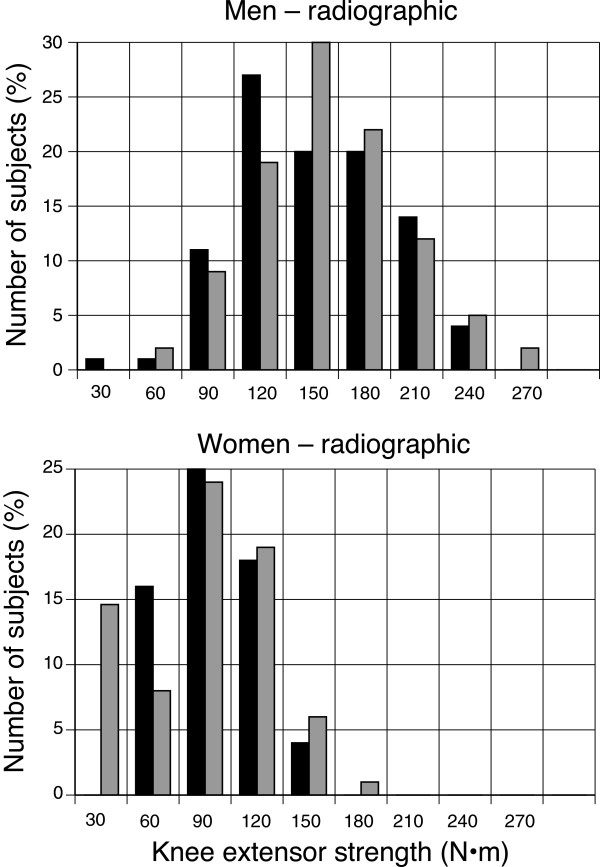
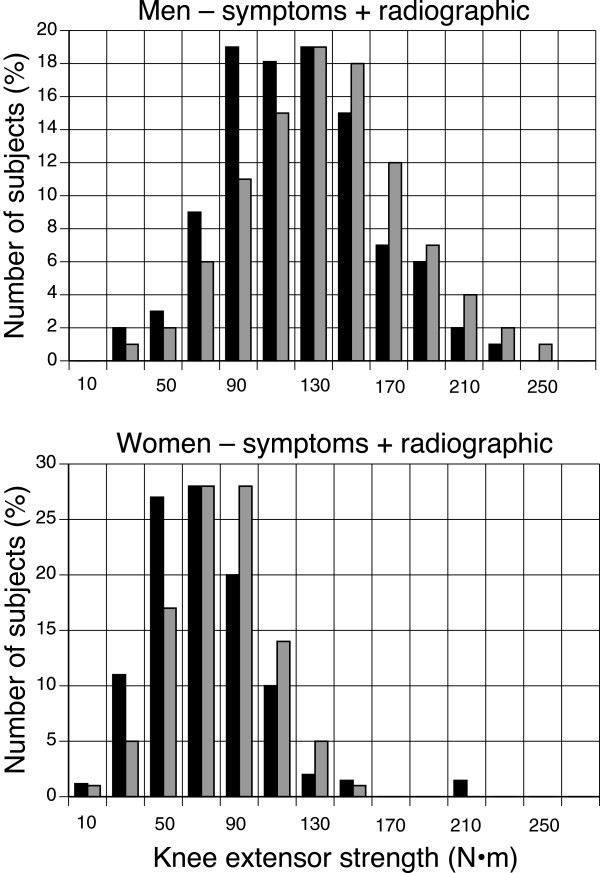
The occurrence of knee osteoarthritis (OA) increases with age and is more common in women compared with men, especially after the age of 50 years. Recent work suggests that contact stress in the knee cartilage is a significant predictor of the risk for developing knee OA. Significant gaps in knowledge remain, however, as to how changes in musculoskeletal traits disturb the normal mechanical environment of the knee and contribute to sex differences in the initiation and progression of idiopathic knee OA. To illustrate this knowledge deficit, we summarize what is known about the influence of limb alignment, muscle function, and obesity on sex differences in knee OA. Observational data suggest that limb alignment can predict the development of radiographic signs of knee OA, potentially due to increased stresses and strains within the joint. However, these data do not indicate how limb alignment could contribute to sex differences in either the development or worsening of knee OA. Similarly, the strength of the knee extensor muscles is compromised in women who develop radiographic and symptomatic signs of knee OA, but the extent to which the decline in muscle function precedes the development of the disease is uncertain. Even less is known about how changes in muscle function might contribute to the worsening of knee OA. Conversely, obesity is a stronger predictor of developing knee OA symptoms in women than in men. The influence of obesity on developing knee OA symptoms is not associated with deviation in limb alignment, but BMI predicts the worsening of the symptoms only in individuals with neutral and valgus (knock-kneed) knees. It is more likely, however, that obesity modulates OA through a combination of systemic effects, particularly an increase in inflammatory cytokines, and mechanical factors within the joint. The absence of strong associations of these surrogate measures of the mechanical environment in the knee joint with sex differences in the development and progression of knee OA suggests that a more multifactorial and integrative approach in the study of this disease is needed. We identify gaps in knowledge related to mechanical influences on the sex differences in knee OA.
膝关节骨关节炎(OA)的发生随着年龄的增长而增加,女性比男性更常见,尤其是在 50 岁以后。最近的研究表明,膝关节软骨的接触压力是发生膝关节 OA 风险的重要预测因素。然而,关于肌肉骨骼特征的变化如何扰乱膝关节的正常力学环境,并导致特发性膝关节 OA 发生和进展中的性别差异,仍然存在很大的知识差距。为了说明这一知识差距,我们总结了肢体对线、肌肉功能和肥胖对膝关节 OA 性别差异的影响。观察性数据表明,肢体对线可以预测放射影像学膝关节 OA 征象的发展,这可能是由于关节内的应力和应变增加所致。然而,这些数据并不能说明肢体对线如何导致膝关节 OA 发生或恶化方面的性别差异。同样,患有放射影像学和症状性膝关节 OA 的女性的膝关节伸肌力量受损,但肌肉功能下降与疾病发展的程度尚不确定。对于肌肉功能的变化如何导致膝关节 OA 恶化,人们知之甚少。相反,肥胖是女性比男性更容易患上膝关节 OA 症状的更强预测因素。肥胖对膝关节 OA 症状发展的影响与肢体对线的偏差无关,但是 BMI 仅预测中立和外翻(X 型腿)膝关节患者症状的恶化。然而,更有可能的是,肥胖通过全身影响,特别是炎症细胞因子的增加,以及关节内的力学因素来调节 OA。这些膝关节力学环境的替代测量指标与膝关节 OA 发生和进展中的性别差异之间缺乏强烈关联,表明需要采用更全面和综合的方法来研究这种疾病。我们确定了与膝关节 OA 性别差异相关的机械影响方面的知识差距。