The Roslin Institute and Royal (Dick) School of Veterinary Studies, University of Edinburgh, Easter Bush, Midlothian EH25 9RG Scotland, UK.
Cytokine. 2013 Feb;61(2):630-8. doi: 10.1016/j.cyto.2012.11.014. Epub 2012 Dec 19.
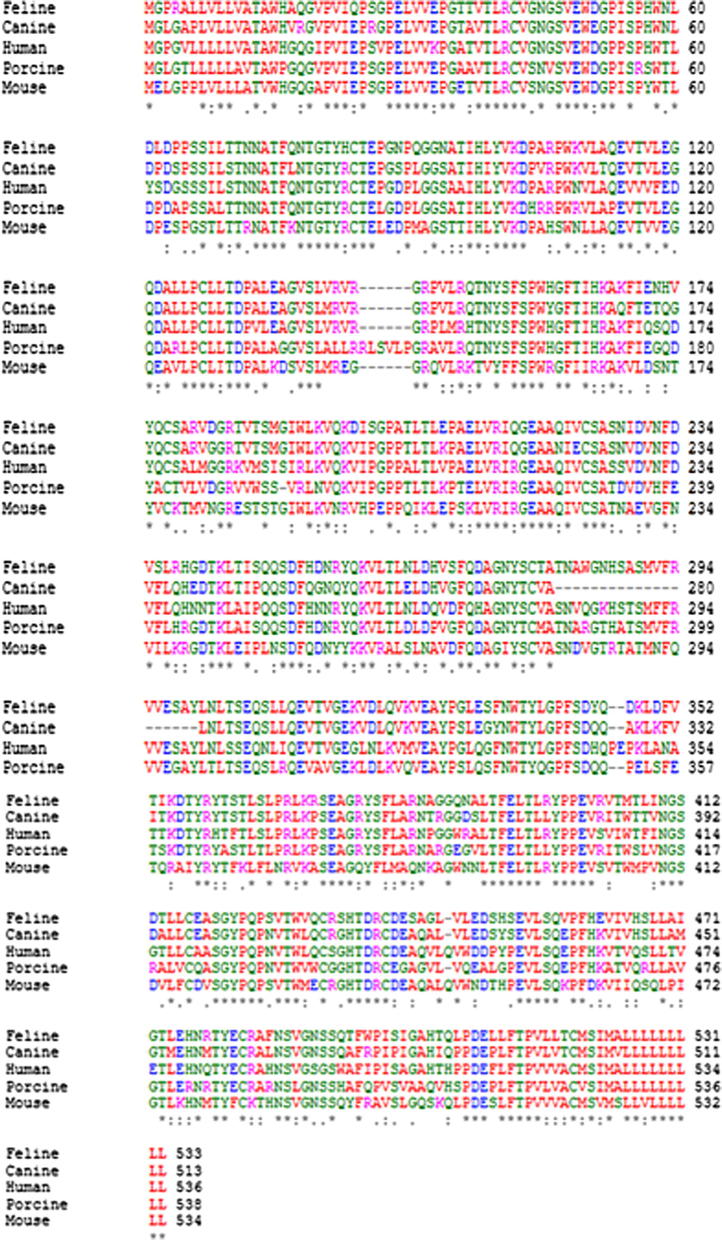
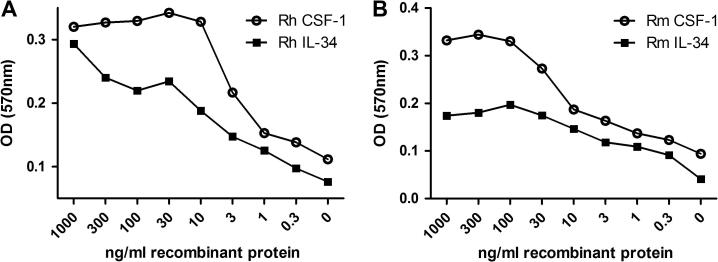
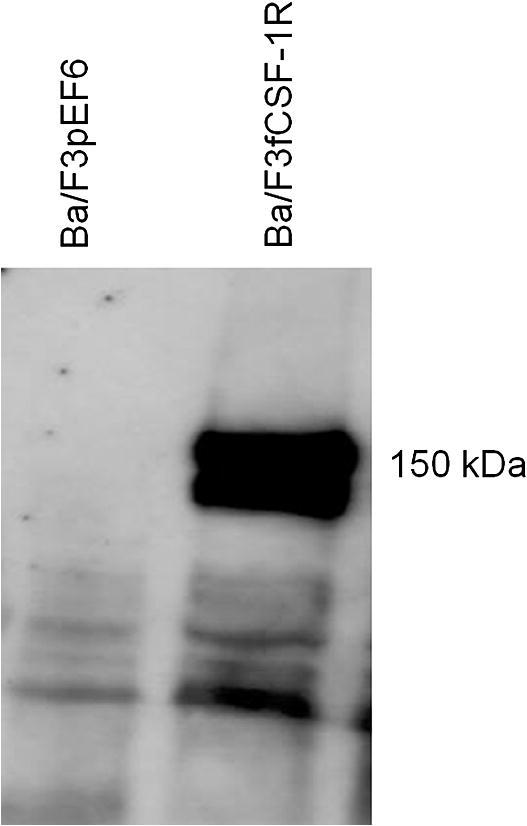
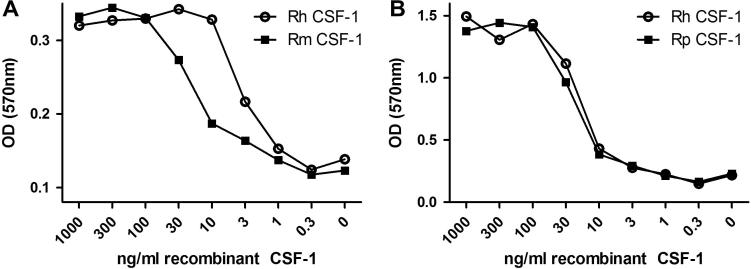
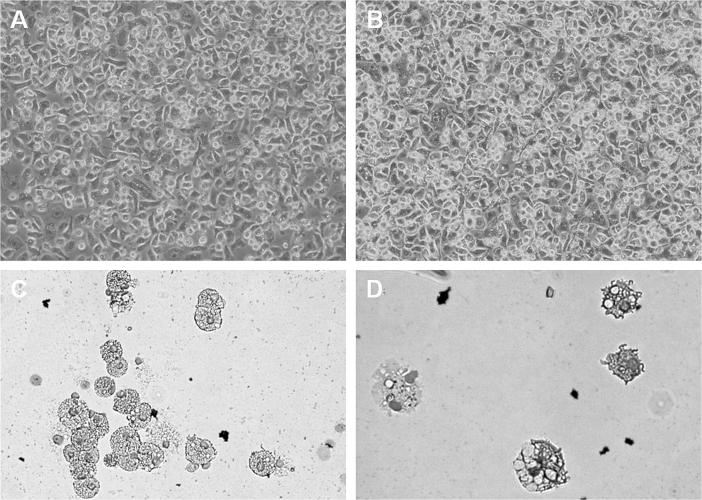
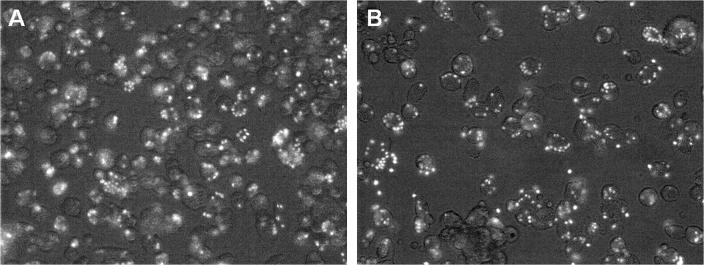
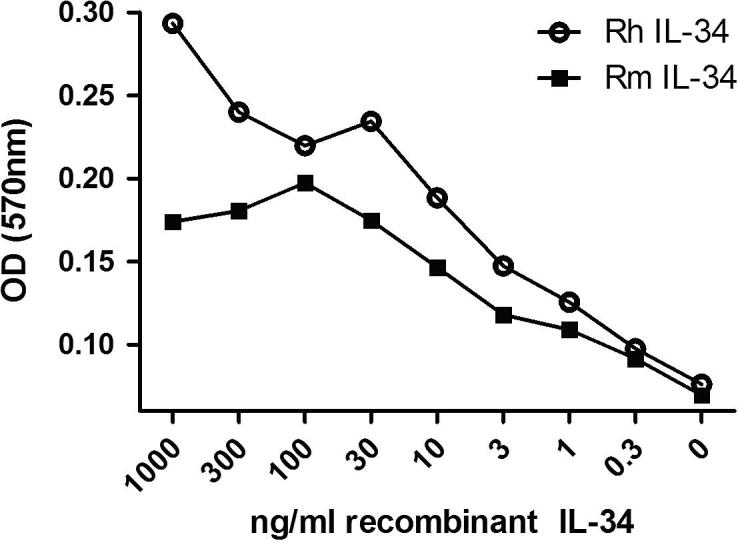
Colony stimulating factor (CSF-1) and its receptor, CSF-1R, have been previously well studied in humans and rodents to dissect the role they play in development of cells of the mononuclear phagocyte system. A second ligand for the CSF-1R, IL-34 has been described in several species. In this study, we have cloned and expressed the feline CSF-1R and examined the responsiveness to CSF-1 and IL-34 from a range of species. The results indicate that pig and human CSF-1 and human IL-34 are equally effective in cats, where both mouse CSF-1 and IL-34 are significantly less active. Recombinant human CSF-1 can be used to generate populations of feline bone marrow and monocyte derived macrophages that can be used to further dissect macrophage-specific gene expression in this species, and to compare it to data derived from mouse, human and pig. These results set the scene for therapeutic use of CSF-1 and IL-34 in cats.
集落刺激因子 (CSF-1) 及其受体 CSF-1R 在人类和啮齿动物中的研究已较为深入,以剖析其在单核吞噬细胞系统细胞发育中的作用。CSF-1R 的另一种配体 IL-34 在多种物种中已有描述。在这项研究中,我们克隆并表达了猫 CSF-1R,并检测了来自多种物种的 CSF-1 和 IL-34 的反应性。结果表明,猪和人 CSF-1 以及人 IL-34 在猫中同样有效,而鼠 CSF-1 和 IL-34 的活性明显较低。重组人 CSF-1 可用于生成猫骨髓和单核细胞衍生的巨噬细胞群体,可用于进一步剖析该物种中巨噬细胞特异性基因表达,并与来自小鼠、人类和猪的数据进行比较。这些结果为 CSF-1 和 IL-34 在猫中的治疗用途奠定了基础。