Department of Molecular Biosciences, School of Veterinary Medicine, University of California Davis, Davis, CA 95616, USA.
Dis Model Mech. 2013 Mar;6(2):443-56. doi: 10.1242/dmm.010421. Epub 2012 Dec 20.
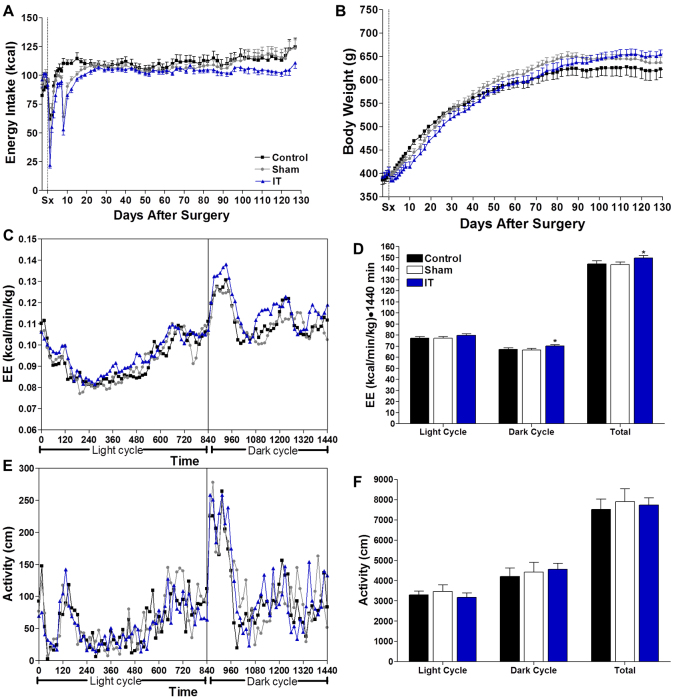
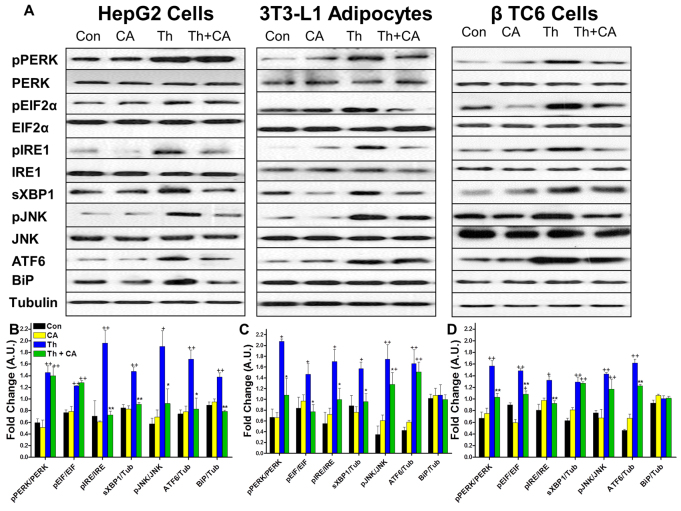
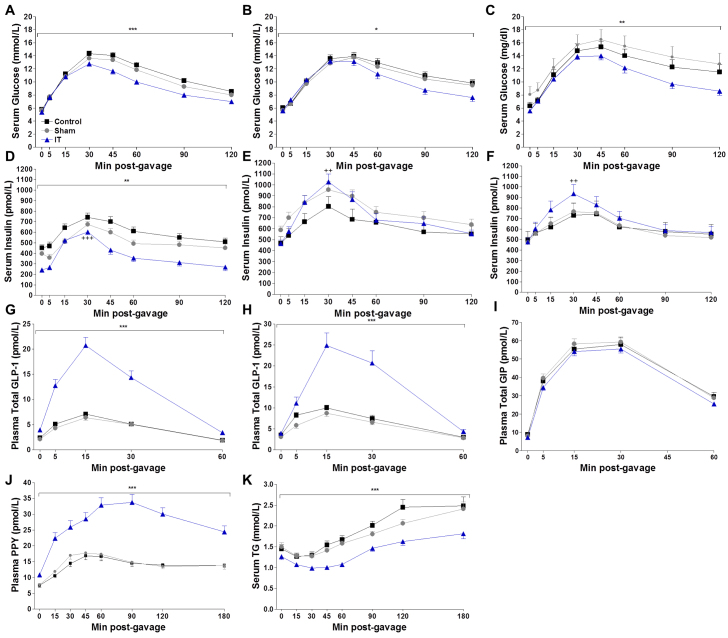
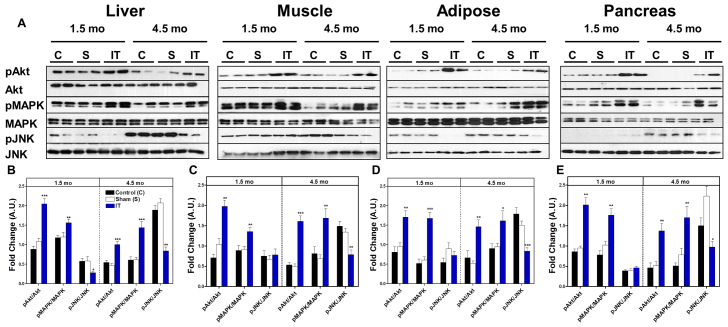
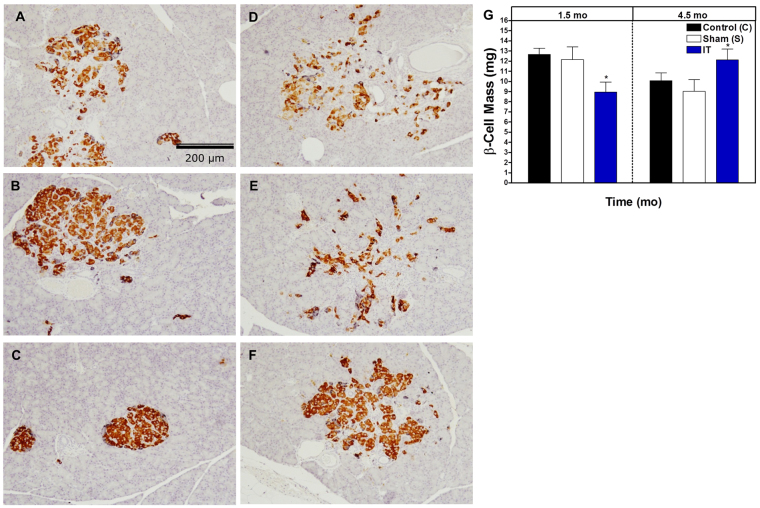
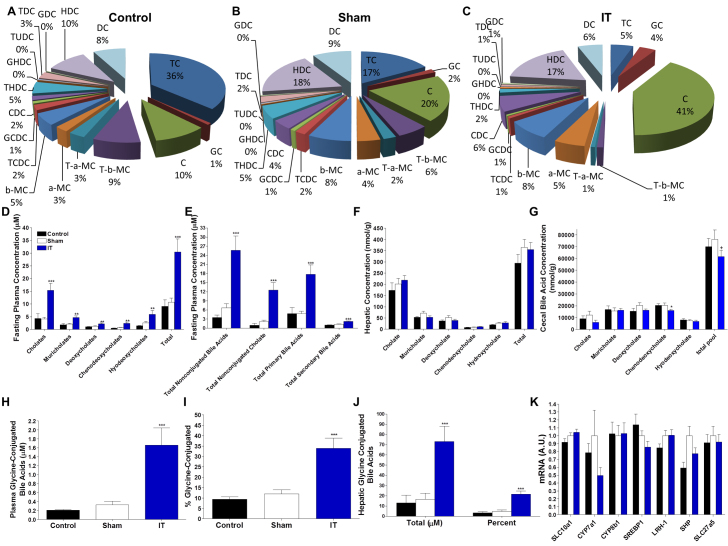
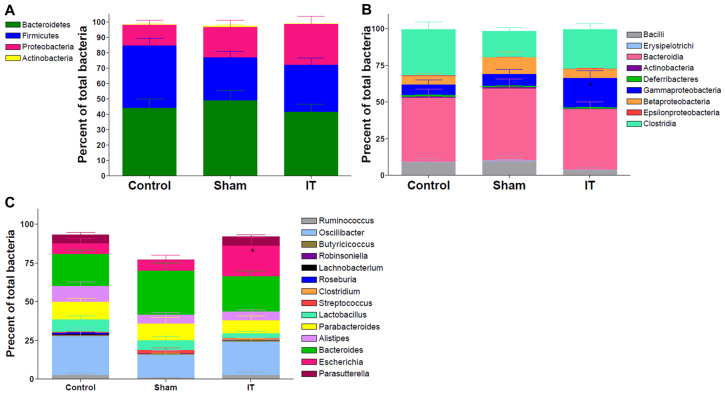
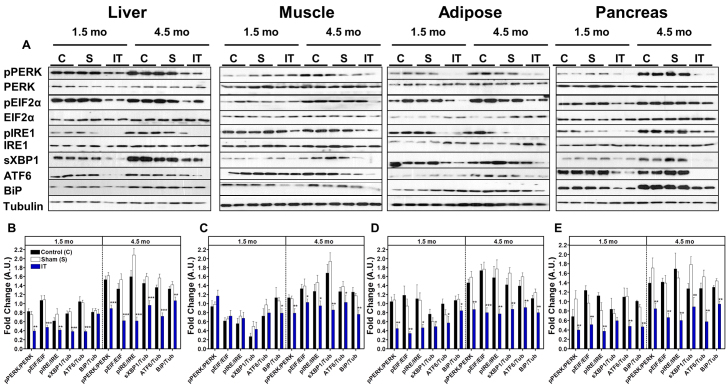
Post-operative increases in circulating bile acids have been suggested to contribute to the metabolic benefits of bariatric surgery; however, their mechanistic contributions remain undefined. We have previously reported that ileal interposition (IT) surgery delays the onset of type 2 diabetes in UCD-T2DM rats and increases circulating bile acids, independently of effects on energy intake or body weight. Therefore, we investigated potential mechanisms by which post-operative increases in circulating bile acids improve glucose homeostasis after IT surgery. IT, sham or no surgery was performed on 2-month-old weight-matched male UCD-T2DM rats. Animals underwent an oral fat tolerance test (OFTT) and serial oral glucose tolerance tests (OGTT). Tissues were collected at 1.5 and 4.5 months after surgery. Cell culture models were used to investigate interactions between bile acids and ER stress. IT-operated animals exhibited marked improvements in glucose and lipid metabolism, with concurrent increases in postprandial glucagon-like peptide-1 (GLP-1) secretion during the OFTT and OGTTs, independently of food intake and body weight. Measurement of circulating bile acid profiles revealed increases in circulating total bile acids in IT-operated animals, with a preferential increase in circulating cholic acid concentrations. Gut microbial populations were assessed as potential contributors to the increases in circulating bile acid concentrations, which revealed proportional increases in Gammaproteobacteria in IT-operated animals. Furthermore, IT surgery decreased all three sub-arms of ER stress signaling in liver, adipose and pancreas tissues. Amelioration of ER stress coincided with improved insulin signaling and preservation of β-cell mass in IT-operated animals. Incubation of hepatocyte, adipocyte and β-cell lines with cholic acid decreased ER stress. These results suggest that postoperative increases in circulating cholic acid concentration contribute to improvements in glucose homeostasis after IT surgery by ameliorating ER stress.
术后循环胆汁酸水平升高被认为有助于减重手术的代谢益处;然而,其机制贡献仍未明确。我们之前报道过,回肠间置术(IT)可延迟 UCD-T2DM 大鼠 2 型糖尿病的发生,并增加循环胆汁酸,这与能量摄入或体重无关。因此,我们研究了术后循环胆汁酸增加通过何种潜在机制改善 IT 手术后的葡萄糖稳态。在 2 个月大、体重匹配的雄性 UCD-T2DM 大鼠上进行 IT、假手术或不手术。动物接受口服脂肪耐量试验(OFTT)和连续口服葡萄糖耐量试验(OGTT)。手术后 1.5 和 4.5 个月采集组织。使用细胞培养模型研究胆汁酸与内质网应激之间的相互作用。IT 手术动物表现出明显的葡萄糖和脂质代谢改善,同时在 OFTT 和 OGTT 期间餐后胰高血糖素样肽-1(GLP-1)分泌增加,与食物摄入和体重无关。循环胆汁酸谱的测量显示 IT 手术动物的循环总胆汁酸增加,而循环胆酸浓度优先增加。评估肠道微生物群作为循环胆汁酸浓度增加的潜在贡献者,结果显示 IT 手术动物的γ变形菌比例增加。此外,IT 手术降低了肝、脂肪和胰腺组织中 ER 应激信号的所有三个分支。ER 应激的减轻与 IT 手术动物胰岛素信号的改善和β细胞量的保存同时发生。将肝细胞、脂肪细胞和β细胞系与胆酸孵育可降低 ER 应激。这些结果表明,术后循环胆酸浓度的增加通过改善 ER 应激有助于 IT 手术后葡萄糖稳态的改善。