Department of Neurology and Neurological Sciences, Stanford University School of Medicine, Stanford, CA 94305, USA.
J Exp Med. 2013 Jan 14;210(1):157-72. doi: 10.1084/jem.20120412. Epub 2013 Jan 7.
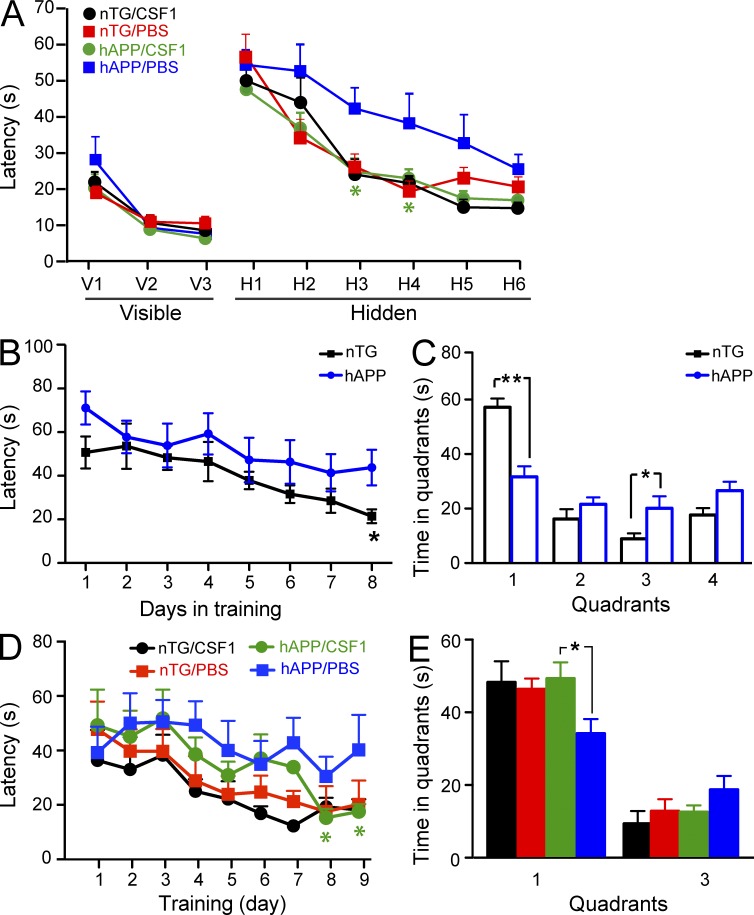
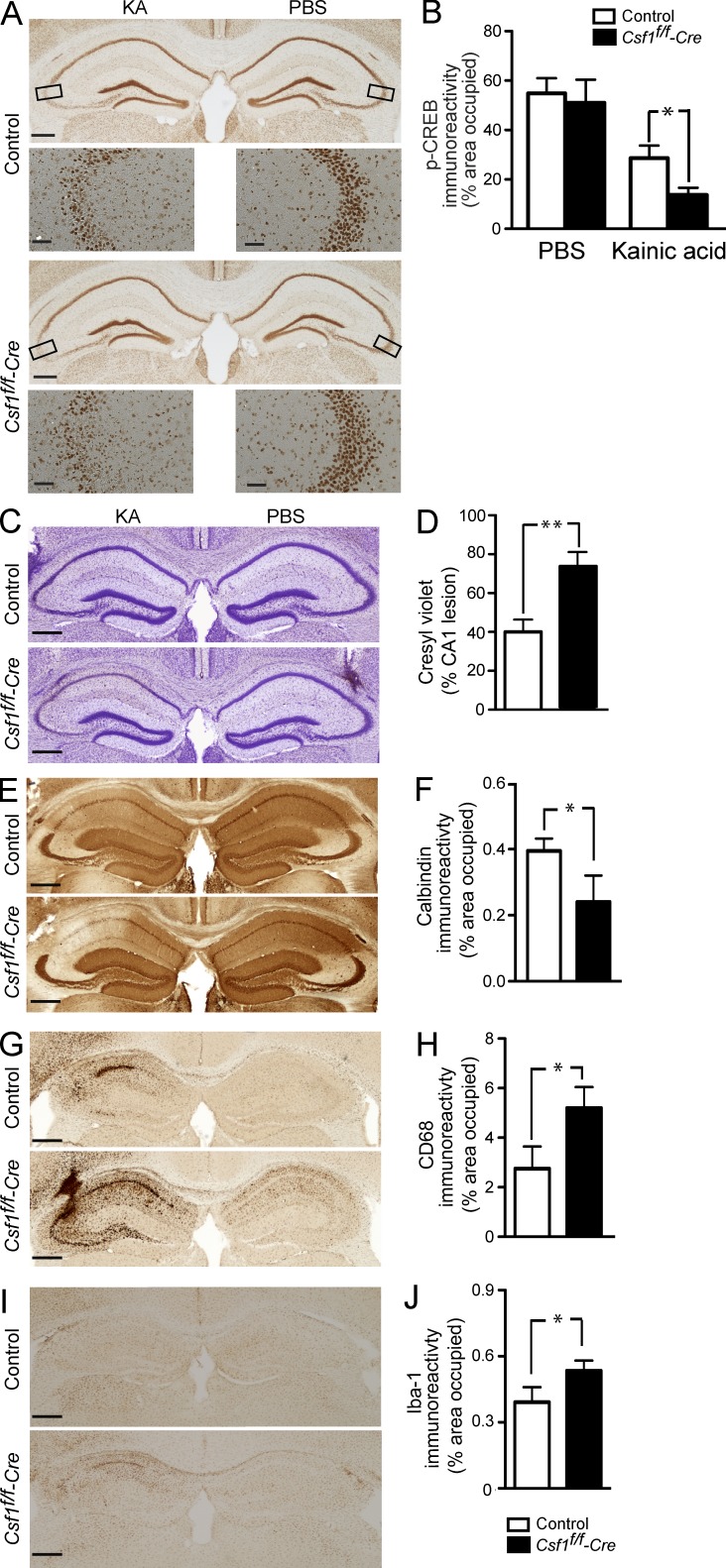
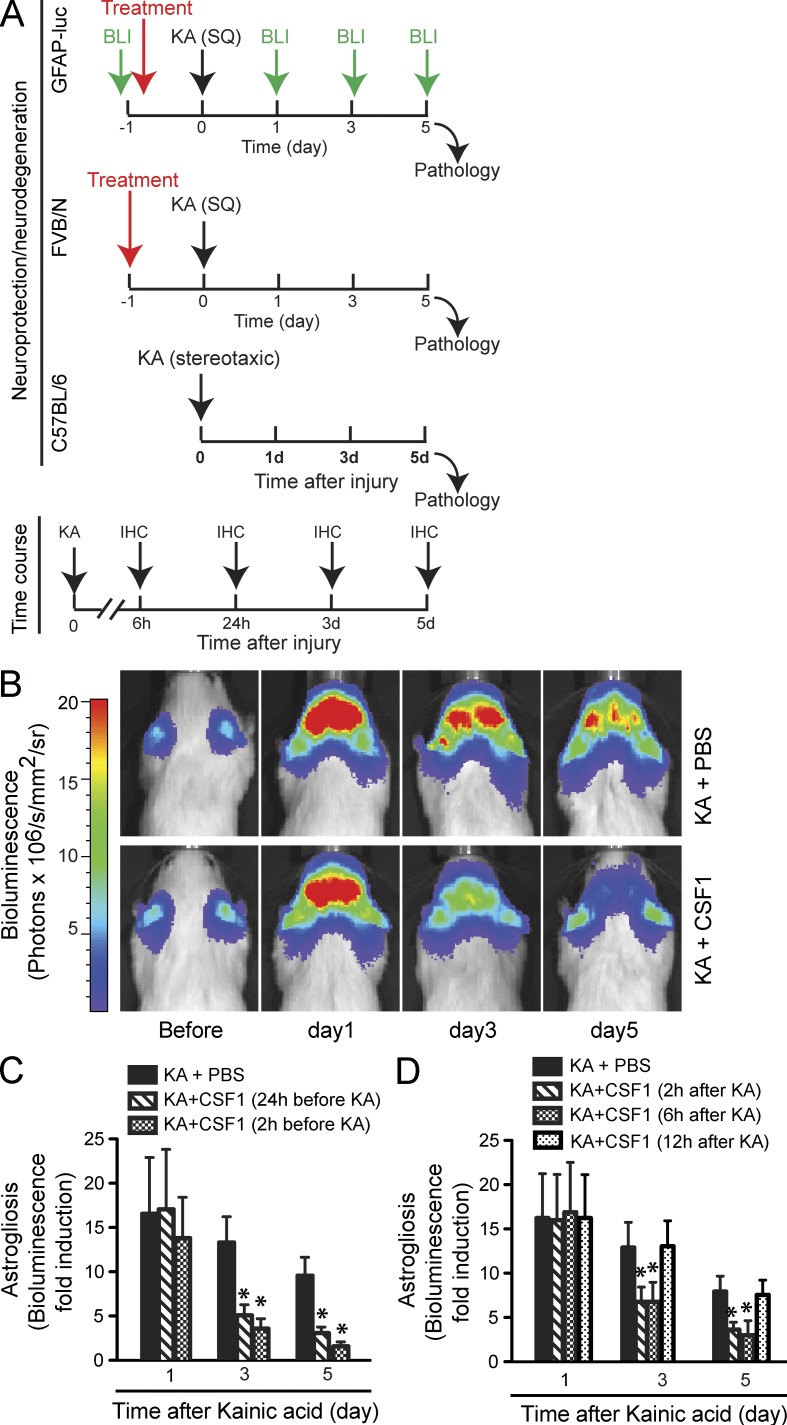
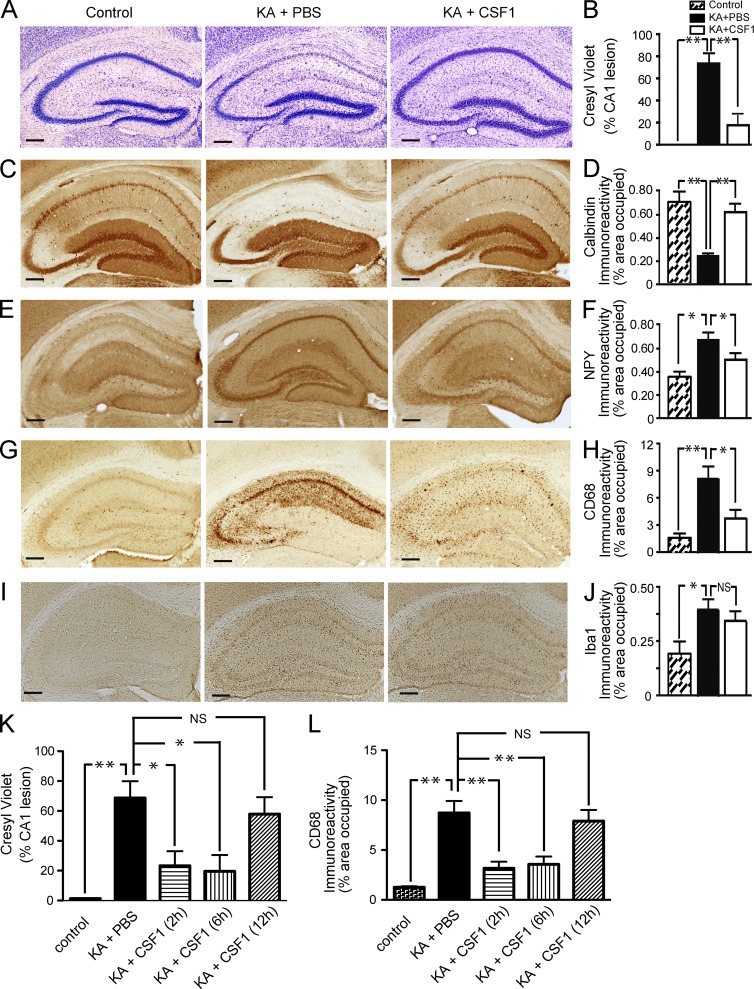
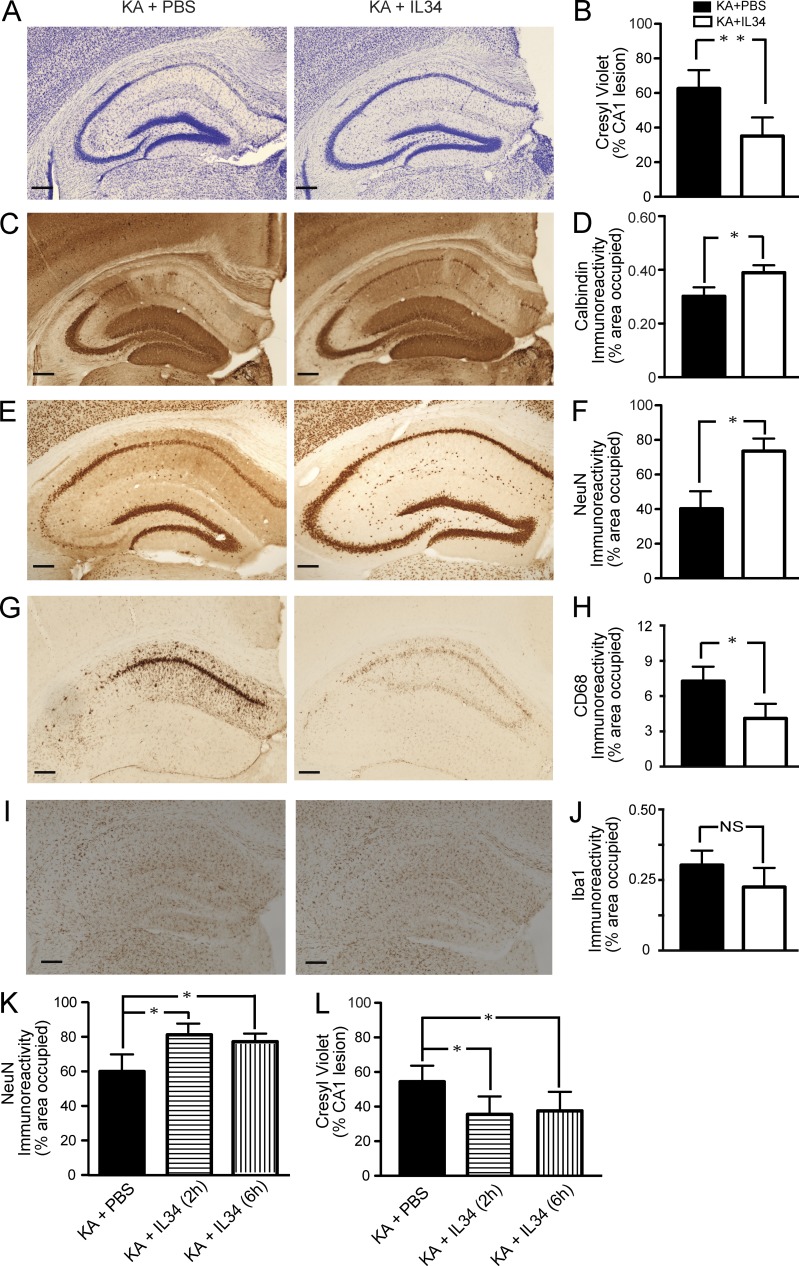
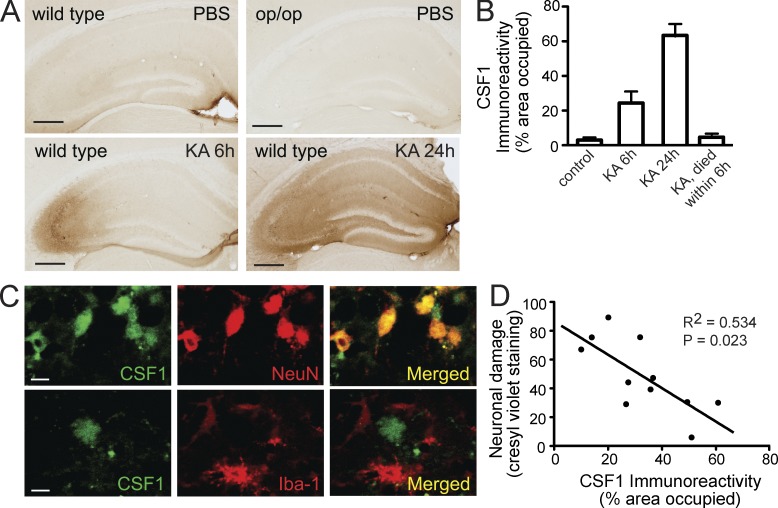
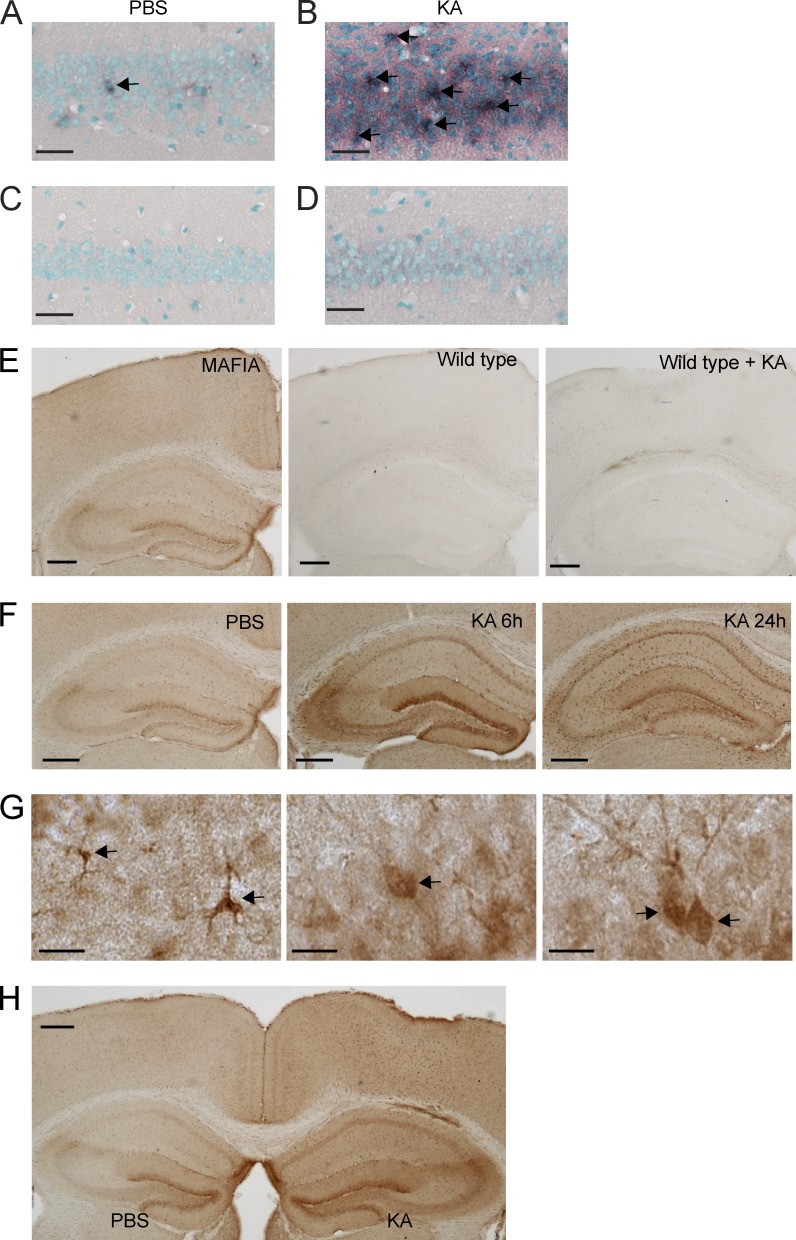
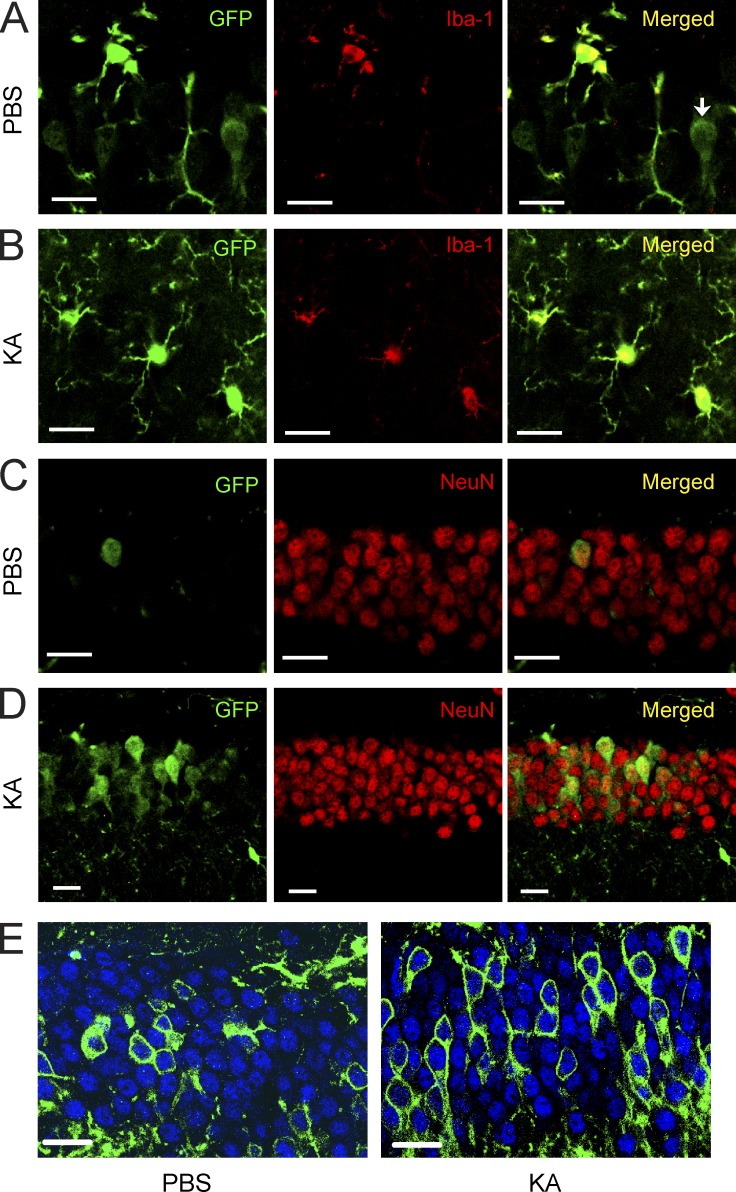
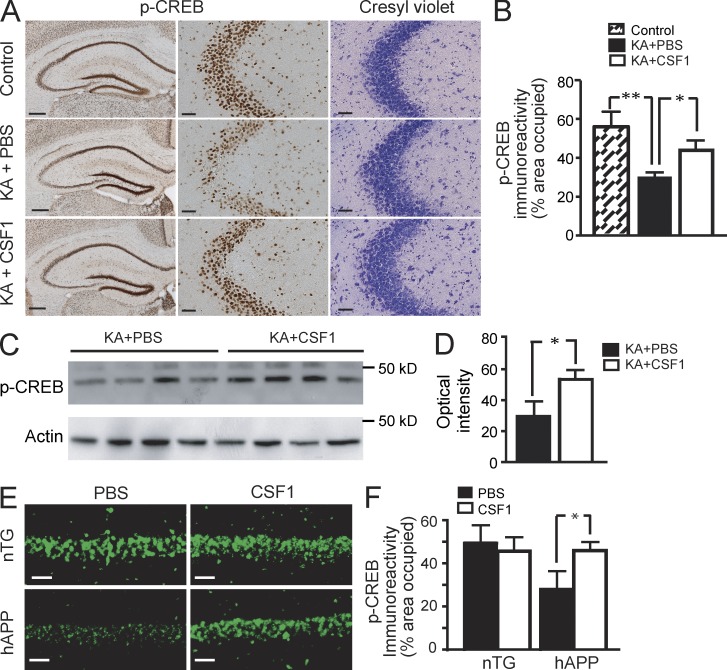
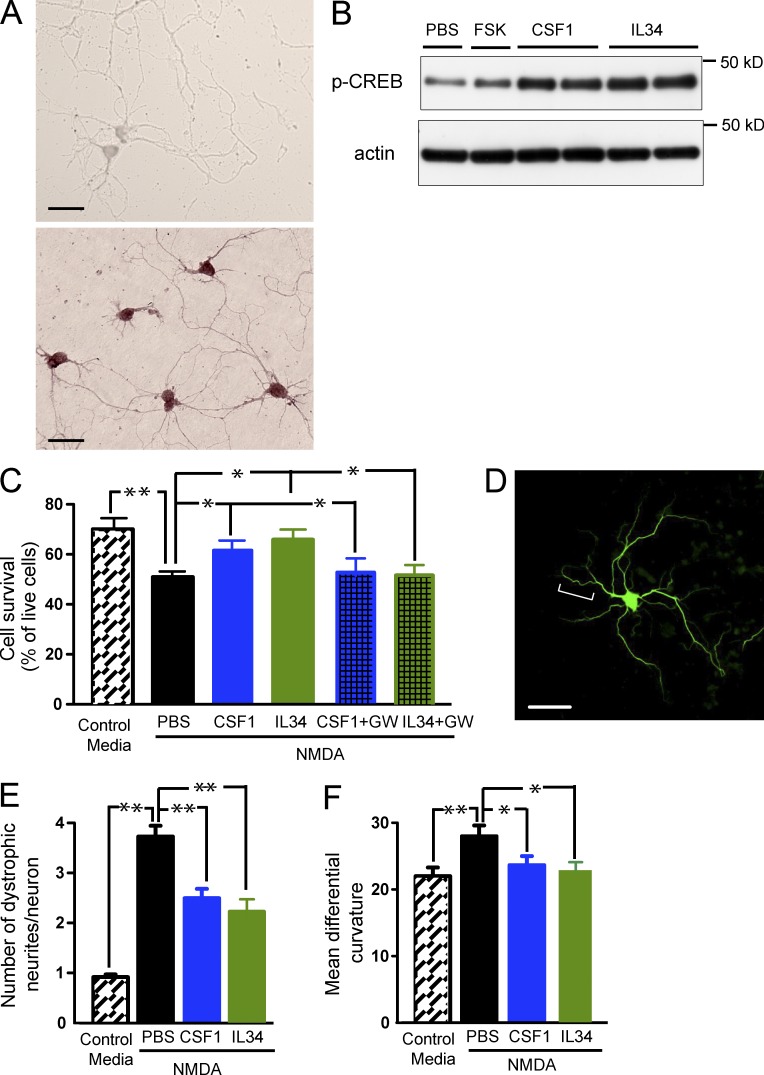
Colony-stimulating factor 1 (CSF1) and interleukin-34 (IL-34) are functional ligands of the CSF1 receptor (CSF1R) and thus are key regulators of the monocyte/macrophage lineage. We discovered that systemic administration of human recombinant CSF1 ameliorates memory deficits in a transgenic mouse model of Alzheimer's disease. CSF1 and IL-34 strongly reduced excitotoxin-induced neuronal cell loss and gliosis in wild-type mice when administered systemically before or up to 6 h after injury. These effects were accompanied by maintenance of cAMP responsive element-binding protein (CREB) signaling in neurons rather than in microglia. Using lineage-tracing experiments, we discovered that a small number of neurons in the hippocampus and cortex express CSF1R under physiological conditions and that kainic acid-induced excitotoxic injury results in a profound increase in neuronal receptor expression. Selective deletion of CSF1R in forebrain neurons in mice exacerbated excitotoxin-induced death and neurodegeneration. We conclude that CSF1 and IL-34 provide powerful neuroprotective and survival signals in brain injury and neurodegeneration involving CSF1R expression on neurons.
集落刺激因子 1 (CSF1) 和白细胞介素-34 (IL-34) 是 CSF1 受体 (CSF1R) 的功能配体,因此是单核细胞/巨噬细胞谱系的关键调节剂。我们发现,全身性给予人重组 CSF1 可改善阿尔茨海默病转基因小鼠模型的记忆缺陷。CSF1 和 IL-34 在野生型小鼠中全身性给药,无论是在损伤前还是损伤后 6 小时内给药,均可强烈减少兴奋性毒素诱导的神经元细胞丢失和神经胶质增生。这些作用伴随着神经元中 cAMP 反应元件结合蛋白 (CREB) 信号的维持,而不是小胶质细胞中的维持。通过谱系追踪实验,我们发现,在生理条件下,海马体和皮质中有少量神经元表达 CSF1R,而海人藻酸诱导的兴奋性毒性损伤导致神经元受体表达的显著增加。在小鼠中选择性删除前脑神经元中的 CSF1R 会加剧兴奋性毒素诱导的死亡和神经退行性变。我们得出结论,CSF1 和 IL-34 在涉及神经元上 CSF1R 表达的脑损伤和神经退行性变中提供强大的神经保护和存活信号。