Chitre Amol R, Divecha Hiren M, Hakimi Mounir, Marynissen Hans A J
Department of Trauma and Orthopaedic Surgery, Royal Blackburn Hospital, East Lancashire Hospitals NHS Trust, Haslingden Road, Blackburn BB2 3HH, UK.
Case Rep Orthop. 2012;2012:371627. doi: 10.1155/2012/371627. Epub 2012 Dec 12.
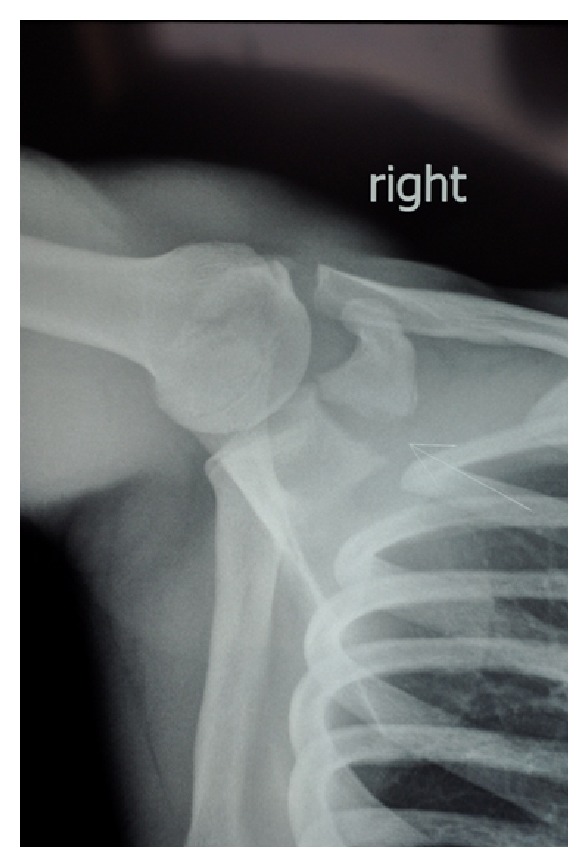
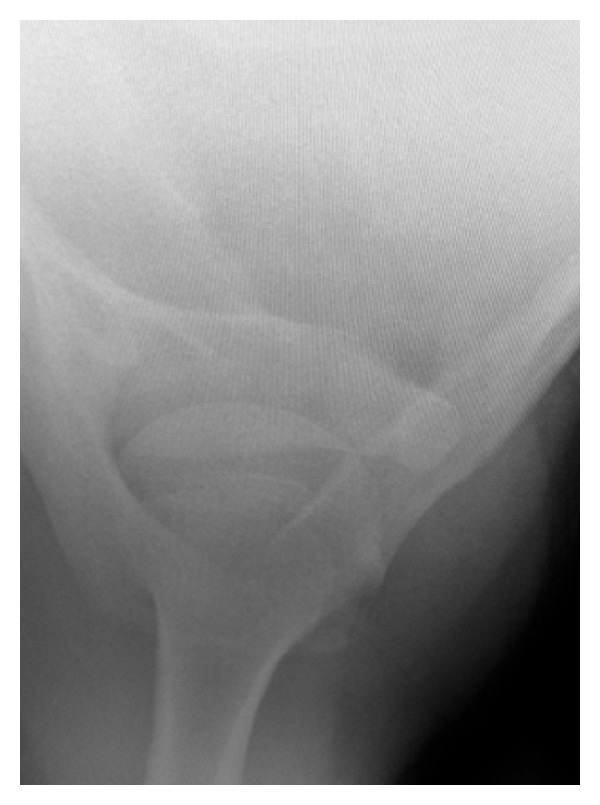
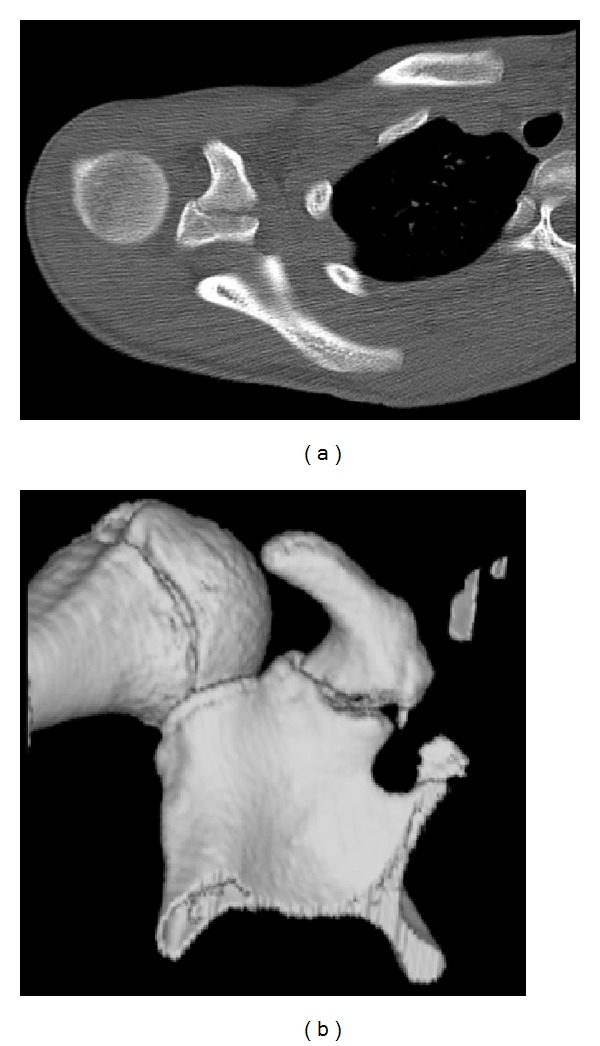
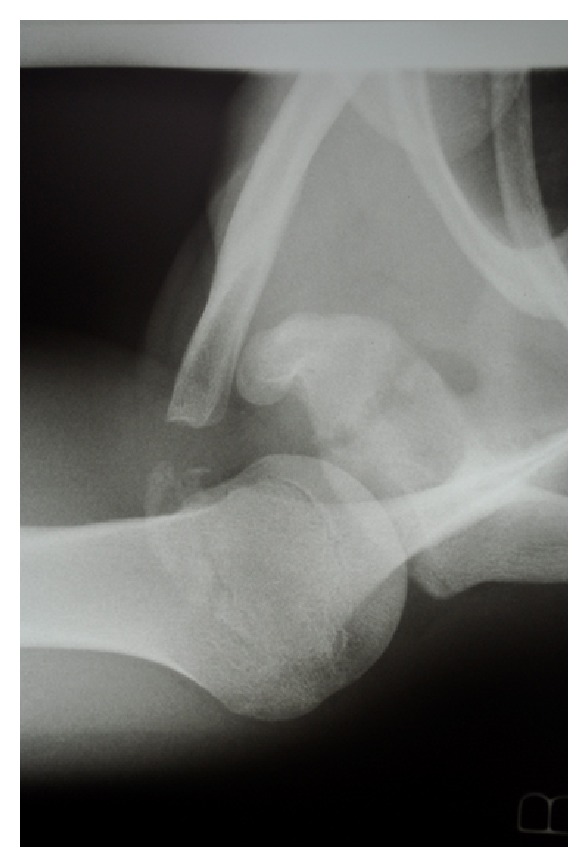
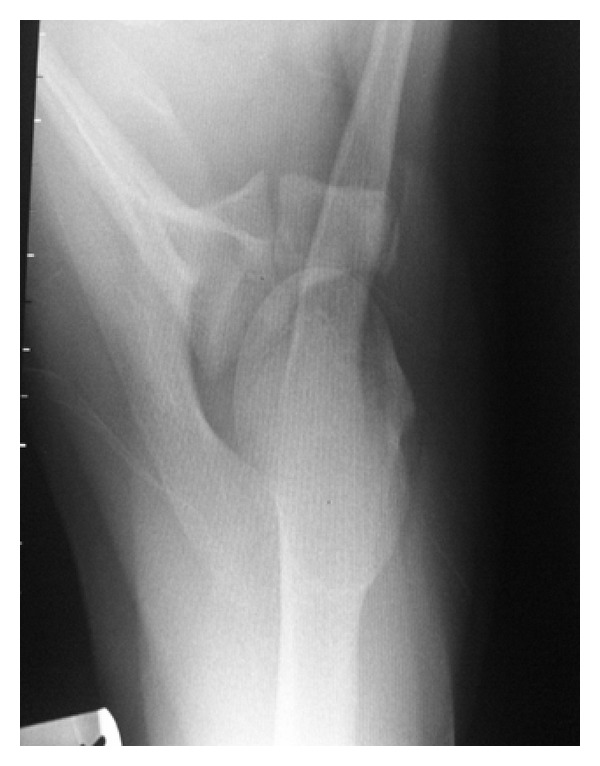
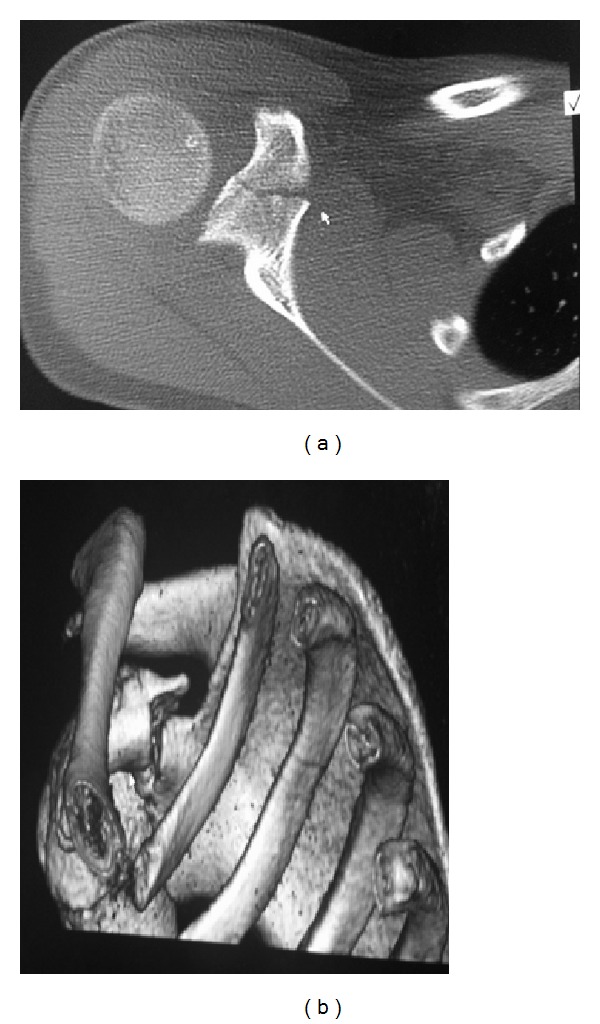
Coracoid fractures are rare injuries in themselves. Even rarer are isolated fractures of the coracoid in the skeletally immature patient. Due to the low numbers of these fractures, there is no true consensus on how to treat them. We report two cases of an isolated fracture of the coracoid. Case A is a 13-year-old boy who sustained the coracoid fracture following a skiing injury; case B is a 15-year-old boy who fell onto the right shoulder during a wheelbarrow race at school. Initial radiographs in case A suggested a displaced fracture; however, a CT scan taken after a short period of conservative treatment showed minimal displacement. In case B both the radiographs and CT scan showed no displacement. Both injuries were treated conservatively and united uneventfully with a full return to function. We advocate conservative management for these injuries in the skeletally immature patient.
喙突骨折本身就是罕见的损伤。在骨骼未成熟的患者中,孤立性喙突骨折更为罕见。由于这类骨折数量较少,对于如何治疗它们并没有真正的共识。我们报告两例孤立性喙突骨折病例。病例A是一名13岁男孩,在滑雪受伤后发生喙突骨折;病例B是一名15岁男孩,在学校手推车比赛中摔倒在右肩上。病例A的初始X线片提示骨折有移位;然而,经过短时间保守治疗后进行的CT扫描显示移位极小。病例B的X线片和CT扫描均显示无移位。两例损伤均采用保守治疗,骨折顺利愈合,功能完全恢复。我们主张对骨骼未成熟患者的这类损伤采用保守治疗。