School of Population Health, University of Queensland, Herston Rd, Herston, QLD, 4006, Australia.
Prev Chronic Dis. 2013;10:120067. doi: 10.5888/pcd10.120067.
Chronic diseases account for most of the disease burden in low- and middle-income countries, particularly those in Asia. We reviewed literature on chronic disease risk factors in Viet Nam to identify patterns and data gaps.
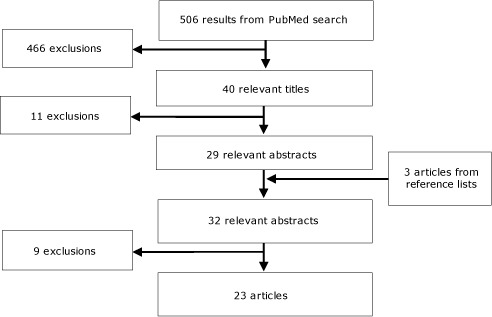
All population-based studies published from 2000 to 2012 that reported chronic disease risk factors were considered. We used standard chronic disease terminology to search PubMed and assessed titles, abstracts, and articles for eligibility for inclusion. We summarized relevant study information in tables listing available studies, risk factors measured, and the prevalence of these risk factors.
We identified 23 studies conducted before 2010. The most common age range studied was 25 to 64 years. Sample sizes varied, and sample frames were national in 5 studies. A combination of behavioral, physical, and biological risk factors was studied. Being overweight or obese was the most common risk factor studied (n = 14), followed by high blood pressure (n = 11) and tobacco use (n = 10). Tobacco and alcohol use were high among men, and tobacco use may be increasing among Vietnamese women. High blood pressure is common; however, people's knowledge that they have high blood pressure may be low. A high proportion of diets do not meet international criteria for fruit and vegetable consumption. Prevalence of overweight and obesity is increasing. None of the studies evaluated measured dietary patterns or total caloric intake, and only 1 study measured dietary salt intake.
Risk factors for chronic diseases are common in Viet Nam; however, more recent and context-specific information is required for planning and monitoring interventions to reduce risk factors and chronic disease in this country.
在中低收入国家,慢性病在疾病负担中占很大比例,尤其是亚洲国家。我们对越南慢性病危险因素的文献进行了回顾,以确定其模式和数据空白。
我们纳入了所有 2000 年至 2012 年发表的、以人群为基础且报告慢性病危险因素的研究。我们使用标准的慢性病术语在 PubMed 上进行检索,并根据纳入标准评估标题、摘要和文章。我们以表格形式总结了相关研究信息,列出了可用研究、测量的危险因素以及这些危险因素的流行率。
我们共识别出 23 项 2010 年前开展的研究。最常见的研究年龄范围为 25 至 64 岁。样本量各不相同,5 项研究的抽样框架为全国性的。研究中综合了行为、生理和生物危险因素。超重或肥胖是最常见的危险因素(n = 14),其次是高血压(n = 11)和烟草使用(n = 10)。男性中烟草和酒精使用的比例较高,而越南女性中烟草使用可能正在增加。高血压很常见;然而,人们对自身高血压的知晓率可能较低。大多数饮食不符合国际水果和蔬菜摄入量标准。超重和肥胖的流行率正在上升。没有研究评估测量的饮食模式或总热量摄入,只有 1 项研究测量了饮食中的盐摄入量。
慢性病危险因素在越南很常见;然而,为了在该国规划和监测减少危险因素和慢性病的干预措施,需要更近期和具体国情的信息。