• 文献检索
  • 文档翻译
  • 深度研究
  • 学术资讯
  • Suppr Zotero 插件Zotero 插件
  • 邀请有礼
  • 套餐&价格
  • 历史记录
应用&插件
Suppr Zotero 插件Zotero 插件浏览器插件Mac 客户端Windows 客户端微信小程序
定价
高级版会员购买积分包购买API积分包
服务
文献检索文档翻译深度研究API 文档MCP 服务
关于我们
关于 Suppr公司介绍联系我们用户协议隐私条款
关注我们

Suppr 超能文献

核心技术专利:CN118964589B侵权必究
粤ICP备2023148730 号-1Suppr @ 2026

文献检索

告别复杂PubMed语法,用中文像聊天一样搜索,搜遍4000万医学文献。AI智能推荐,让科研检索更轻松。

立即免费搜索

文件翻译

保留排版,准确专业,支持PDF/Word/PPT等文件格式,支持 12+语言互译。

免费翻译文档

深度研究

AI帮你快速写综述,25分钟生成高质量综述,智能提取关键信息,辅助科研写作。

立即免费体验

蜜蜂和瓦螨之间的 RNAi 双向转移:瓦螨基因沉默可降低瓦螨种群数量。

Bidirectional transfer of RNAi between honey bee and Varroa destructor: Varroa gene silencing reduces Varroa population.

机构信息

The Hebrew University of Jerusalem, The Robert H. Smith Faculty of Agriculture, Food and Environment, Rehovot, Israel.

出版信息

PLoS Pathog. 2012 Dec;8(12):e1003035. doi: 10.1371/journal.ppat.1003035. Epub 2012 Dec 20.

DOI:10.1371/journal.ppat.1003035
PMID:23308063
原文链接:https://pmc.ncbi.nlm.nih.gov/articles/PMC3534371/
Abstract

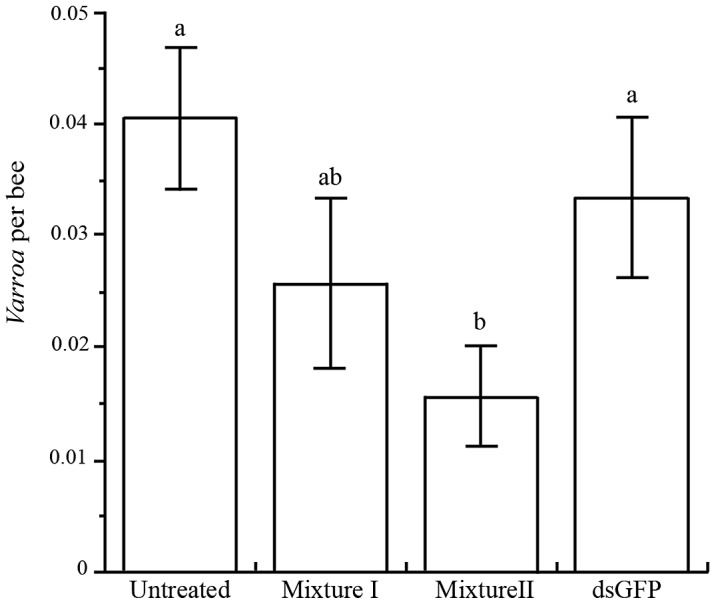
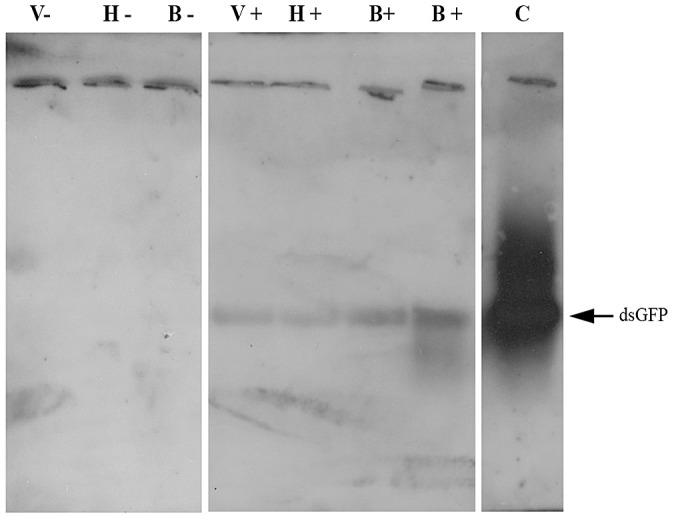
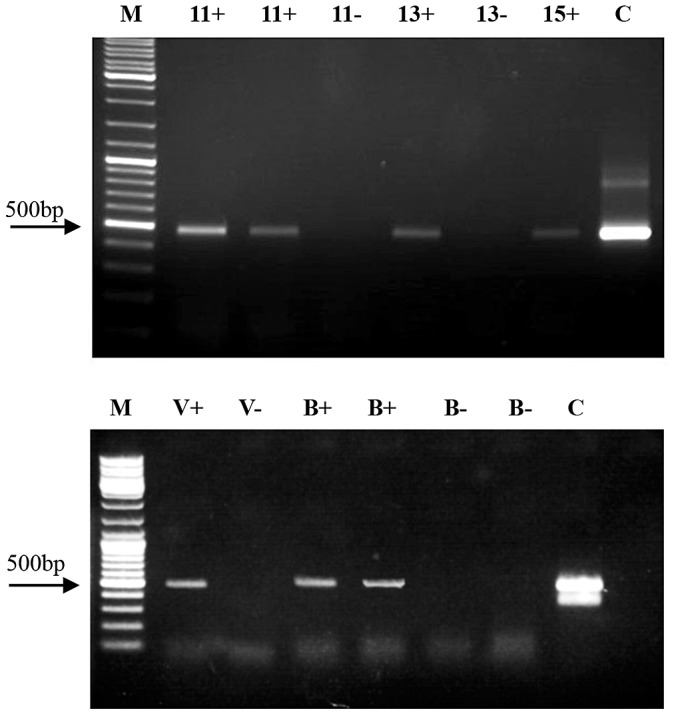
The mite Varroa destructor is an obligatory ectoparasite of the honey bee (Apis mellifera) and is one of the major threats to apiculture worldwide. We previously reported that honey bees fed on double-stranded RNA (dsRNA) with a sequence homologous to that of the Israeli acute paralysis virus are protected from the viral disease. Here we show that dsRNA ingested by bees is transferred to the Varroa mite and from mite on to a parasitized bee. This cross-species, reciprocal exchange of dsRNA between bee and Varroa engendered targeted gene silencing in the latter, and resulted in an over 60% decrease in the mite population. Thus, transfer of gene-silencing-triggering molecules between this invertebrate host and its ectoparasite could lead to a conceptually novel approach to Varroa control.

摘要

壁虱 Varroa destructor 是蜜蜂(Apis mellifera)的一种强制性外寄生虫,是全世界养蜂业的主要威胁之一。我们之前曾报道过,吸食与以色列急性麻痹病毒同源的双链 RNA(dsRNA)的蜜蜂可以免受病毒病的侵害。在这里,我们表明,蜜蜂摄入的 dsRNA 被转移到壁虱身上,然后从壁虱身上转移到被寄生的蜜蜂身上。这种种间 dsRNA 的交叉交换在后者中引发了靶向基因沉默,并导致螨虫数量减少了 60%以上。因此,这种无脊椎动物宿主与其外寄生虫之间基因沉默触发分子的转移可能会导致一种控制壁虱的新概念方法。
https://cdn.ncbi.nlm.nih.gov/pmc/blobs/d5ce/3534371/e911d9f3f237/ppat.1003035.g007.jpg
https://cdn.ncbi.nlm.nih.gov/pmc/blobs/d5ce/3534371/c312f0e2b399/ppat.1003035.g001.jpg
https://cdn.ncbi.nlm.nih.gov/pmc/blobs/d5ce/3534371/42bf221b6459/ppat.1003035.g002.jpg
https://cdn.ncbi.nlm.nih.gov/pmc/blobs/d5ce/3534371/80e25a73bd0a/ppat.1003035.g003.jpg
https://cdn.ncbi.nlm.nih.gov/pmc/blobs/d5ce/3534371/dd894cfc46b6/ppat.1003035.g004.jpg
https://cdn.ncbi.nlm.nih.gov/pmc/blobs/d5ce/3534371/c3156ca290dc/ppat.1003035.g005.jpg
https://cdn.ncbi.nlm.nih.gov/pmc/blobs/d5ce/3534371/7cc439a46102/ppat.1003035.g006.jpg
https://cdn.ncbi.nlm.nih.gov/pmc/blobs/d5ce/3534371/e911d9f3f237/ppat.1003035.g007.jpg
https://cdn.ncbi.nlm.nih.gov/pmc/blobs/d5ce/3534371/c312f0e2b399/ppat.1003035.g001.jpg
https://cdn.ncbi.nlm.nih.gov/pmc/blobs/d5ce/3534371/42bf221b6459/ppat.1003035.g002.jpg
https://cdn.ncbi.nlm.nih.gov/pmc/blobs/d5ce/3534371/80e25a73bd0a/ppat.1003035.g003.jpg
https://cdn.ncbi.nlm.nih.gov/pmc/blobs/d5ce/3534371/dd894cfc46b6/ppat.1003035.g004.jpg
https://cdn.ncbi.nlm.nih.gov/pmc/blobs/d5ce/3534371/c3156ca290dc/ppat.1003035.g005.jpg
https://cdn.ncbi.nlm.nih.gov/pmc/blobs/d5ce/3534371/7cc439a46102/ppat.1003035.g006.jpg
https://cdn.ncbi.nlm.nih.gov/pmc/blobs/d5ce/3534371/e911d9f3f237/ppat.1003035.g007.jpg

相似文献

1
Bidirectional transfer of RNAi between honey bee and Varroa destructor: Varroa gene silencing reduces Varroa population.蜜蜂和瓦螨之间的 RNAi 双向转移:瓦螨基因沉默可降低瓦螨种群数量。
PLoS Pathog. 2012 Dec;8(12):e1003035. doi: 10.1371/journal.ppat.1003035. Epub 2012 Dec 20.
2
RNA interference as a next-generation control method for suppressing Varroa destructor reproduction in honey bee (Apis mellifera) hives.RNA 干扰作为抑制蜜蜂(Apis mellifera)蜂箱中瓦螨繁殖的下一代控制方法。
Pest Manag Sci. 2024 Sep;80(9):4770-4778. doi: 10.1002/ps.8193. Epub 2024 May 27.
3
Entomopathogenic fungi as potential biocontrol agents of the ecto-parasitic mite, Varroa destructor, and their effect on the immune response of honey bees (Apis mellifera L.).昆虫病原真菌作为外寄生螨瓦螨(Varroa destructor)的潜在生物防治剂,及其对蜜蜂(Apis mellifera L.)免疫反应的影响。
J Invertebr Pathol. 2012 Nov;111(3):237-43. doi: 10.1016/j.jip.2012.09.001. Epub 2012 Sep 19.
4
Differential gene expression of the honey bee Apis mellifera associated with Varroa destructor infection.与狄斯瓦螨感染相关的蜜蜂(西方蜜蜂)基因差异表达
BMC Genomics. 2008 Jun 25;9:301. doi: 10.1186/1471-2164-9-301.
5
Immunogene and viral transcript dynamics during parasitic Varroa destructor mite infection of developing honey bee (Apis mellifera) pupae.发育中的蜜蜂(西方蜜蜂)蛹受到寄生性狄斯瓦螨感染期间的免疫基因和病毒转录动态。
J Exp Biol. 2014 May 15;217(Pt 10):1710-8. doi: 10.1242/jeb.097766.
6
Immune related gene expression in worker honey bee (Apis mellifera carnica) pupae exposed to neonicotinoid thiamethoxam and Varroa mites (Varroa destructor).暴露于新烟碱类噻虫嗪和瓦螨(狄斯瓦螨)的意大利蜜蜂工蜂蛹中的免疫相关基因表达
PLoS One. 2017 Oct 31;12(10):e0187079. doi: 10.1371/journal.pone.0187079. eCollection 2017.
7
Factors restraining the population growth of Varroa destructor in Ethiopian honey bees (Apis mellifera simensis).制约埃塞俄比亚蜜蜂(Apis mellifera simensis)中瓦螨(Varroa destructor)种群数量增长的因素。
PLoS One. 2019 Sep 26;14(9):e0223236. doi: 10.1371/journal.pone.0223236. eCollection 2019.
8
A gene for resistance to the Varroa mite (Acari) in honey bee (Apis mellifera) pupae.蜜蜂蛹对瓦螨(蜱螨目)的抗性基因。
Mol Ecol. 2019 Jun;28(12):2958-2966. doi: 10.1111/mec.15080. Epub 2019 May 5.
9
Ecology of Varroa destructor, the Major Ectoparasite of the Western Honey Bee, Apis mellifera.西方蜜蜂(Apis mellifera)主要外寄生螨——狄斯瓦螨(Varroa destructor)的生态学
Annu Rev Entomol. 2016;61:417-32. doi: 10.1146/annurev-ento-010715-023731. Epub 2015 Dec 14.
10
Are Dispersal Mechanisms Changing the Host-Parasite Relationship and Increasing the Virulence of Varroa destructor (Mesostigmata: Varroidae) in Managed Honey Bee (Hymenoptera: Apidae) Colonies?扩散机制是否正在改变宿主-寄生虫关系并增加寄生在人工养殖蜜蜂(膜翅目:蜜蜂科)蜂群中的狄斯瓦螨(中气门目:瓦螨科)的毒力?
Environ Entomol. 2017 Aug 1;46(4):737-746. doi: 10.1093/ee/nvx077.

引用本文的文献

1
Parasitic Mites of Honey Bees (Apis Spp.): A Detailed Review of Varroa destructor in Parasitism, Pathogen Transmission and its Management.蜜蜂(Apis spp.)的寄生螨:对狄斯瓦螨在寄生、病原体传播及其管理方面的详细综述
Acta Parasitol. 2025 Aug 19;70(5):184. doi: 10.1007/s11686-025-01124-w.
2
Epigenetic Mechanisms in : From Development to Environmental Adaptation.《表观遗传机制:从发育到环境适应》
Curr Issues Mol Biol. 2025 Jul 17;47(7):554. doi: 10.3390/cimb47070554.
3
Assessing the role of key genes involved in the reproductive success of the honey bee parasite Varroa destructor.

本文引用的文献

1
Transgenic soybeans expressing siRNAs specific to a major sperm protein gene suppress Heterodera glycines reproduction.表达对一种主要精子蛋白基因具有特异性的小干扰RNA的转基因大豆可抑制大豆胞囊线虫的繁殖。
Funct Plant Biol. 2006 Nov;33(11):991-999. doi: 10.1071/FP06130.
2
A nuclear Argonaute promotes multigenerational epigenetic inheritance and germline immortality.一种核 Argonaute 促进多代表观遗传遗传和生殖系永生。
Nature. 2012 Sep 20;489(7416):447-51. doi: 10.1038/nature11352. Epub 2012 Jul 18.
3
Transgenerational inheritance of an acquired small RNA-based antiviral response in C. elegans.
评估参与蜜蜂寄生虫狄斯瓦螨繁殖成功的关键基因的作用。
BMC Genomics. 2025 Jul 1;26(1):622. doi: 10.1186/s12864-025-11805-5.
4
Immune-Related Genes in the Honey Bee Mite ().蜜蜂螨中的免疫相关基因()。
Insects. 2025 Mar 28;16(4):356. doi: 10.3390/insects16040356.
5
Analysis of Potential Off-Target Effects of a Next-Generation dsRNA Acaricide for Varroa Mites () and Lack of Effect on a Bee-Associated Arthropod.新一代用于防治瓦螨(Varroa Mites)的双链RNA杀螨剂潜在脱靶效应分析及对蜜蜂相关节肢动物无影响
Insects. 2025 Mar 19;16(3):317. doi: 10.3390/insects16030317.
6
First evidence of the effectiveness of a field application of RNAi technology in reducing infestation of the mite Varroa destructor in the western honey bee (Apis mellifera).RNA干扰技术田间应用在减少西方蜜蜂(意大利蜜蜂)中瓦螨侵害方面有效性的首个证据。
Parasit Vectors. 2025 Jan 27;18(1):28. doi: 10.1186/s13071-025-06673-7.
7
Nanocarrier-Based Eco-Friendly RNA Pesticides for Sustainable Management of Plant Pathogens and Pests.基于纳米载体的环保型RNA农药用于植物病原体和害虫的可持续治理
Nanomaterials (Basel). 2024 Nov 22;14(23):1874. doi: 10.3390/nano14231874.
8
Beekeepers Support the Use of RNA Interference (RNAi) to Control .养蜂人支持使用RNA干扰(RNAi)进行防治。
Insects. 2024 Jul 18;15(7):539. doi: 10.3390/insects15070539.
9
The salivary gland transcriptome of Varroa destructor reveals suitable targets for RNAi-based mite control.西方蜜蜂微孢子虫的唾液腺转录组揭示了基于RNA干扰的杀螨控制的合适靶点。
Insect Mol Biol. 2024 Jul 22. doi: 10.1111/imb.12945.
10
Engineering Gut Symbionts: A Way to Promote Bee Growth?工程化肠道共生菌:促进蜜蜂生长的一种方法?
Insects. 2024 May 19;15(5):369. doi: 10.3390/insects15050369.
线虫中获得性小 RNA 抗病毒反应的跨代遗传
Cell. 2011 Dec 9;147(6):1248-56. doi: 10.1016/j.cell.2011.10.042. Epub 2011 Nov 23.
4
IRS and TOR nutrient-signaling pathways act via juvenile hormone to influence honey bee caste fate.胰岛素和雷帕霉素靶蛋白(TOR)营养信号通路通过保幼激素影响蜜蜂的分蜂行为。
J Exp Biol. 2011 Dec 1;214(Pt 23):3977-84. doi: 10.1242/jeb.061499.
5
Large-scale field application of RNAi technology reducing Israeli acute paralysis virus disease in honey bees (Apis mellifera, Hymenoptera: Apidae).大规模田间应用 RNAi 技术降低了以色列急性麻痹病毒病在蜜蜂(Apis mellifera,膜翅目:Apidae)中的发生。
PLoS Pathog. 2010 Dec 23;6(12):e1001160. doi: 10.1371/journal.ppat.1001160.
6
Genomic survey of the ectoparasitic mite Varroa destructor, a major pest of the honey bee Apis mellifera.对蜜蜂体外寄生虫瓦螨(Varroa destructor)的基因组进行调查,瓦螨是蜜蜂(Apis mellifera)的主要害虫。
BMC Genomics. 2010 Oct 25;11:602. doi: 10.1186/1471-2164-11-602.
7
Varroa destructor is an effective vector of Israeli acute paralysis virus in the honeybee, Apis mellifera.瓦螨是蜜蜂以色列急性麻痹病毒的有效载体。
J Gen Virol. 2011 Jan;92(Pt 1):151-5. doi: 10.1099/vir.0.023853-0. Epub 2010 Oct 6.
8
Gene-knockdown in the honey bee mite Varroa destructor by a non-invasive approach: studies on a glutathione S-transferase.通过非侵入性方法对蜜蜂螨类瓦螨进行基因敲低:对一种谷胱甘肽S-转移酶的研究
Parasit Vectors. 2010 Aug 16;3:73. doi: 10.1186/1756-3305-3-73.
9
Resistance phenomena to amitraz from populations of the ectoparasitic mite Varroa destructor of Argentina.阿根廷寄生螨瓦螨种群对阿米曲菌素的抗药性现象。
Parasitol Res. 2010 Oct;107(5):1189-92. doi: 10.1007/s00436-010-1986-8. Epub 2010 Jul 29.
10
Effective gene silencing in a microsporidian parasite associated with honeybee (Apis mellifera) colony declines.与蜜蜂(Apis mellifera)种群衰退相关的微孢子虫寄生虫中的有效基因沉默。
Appl Environ Microbiol. 2010 Sep;76(17):5960-4. doi: 10.1128/AEM.01067-10. Epub 2010 Jul 9.