Department of Molecular Biology and Biochemistry, University of California Irvine, Irvine, CA, USA.
PLoS One. 2013;8(1):e53273. doi: 10.1371/journal.pone.0053273. Epub 2013 Jan 7.
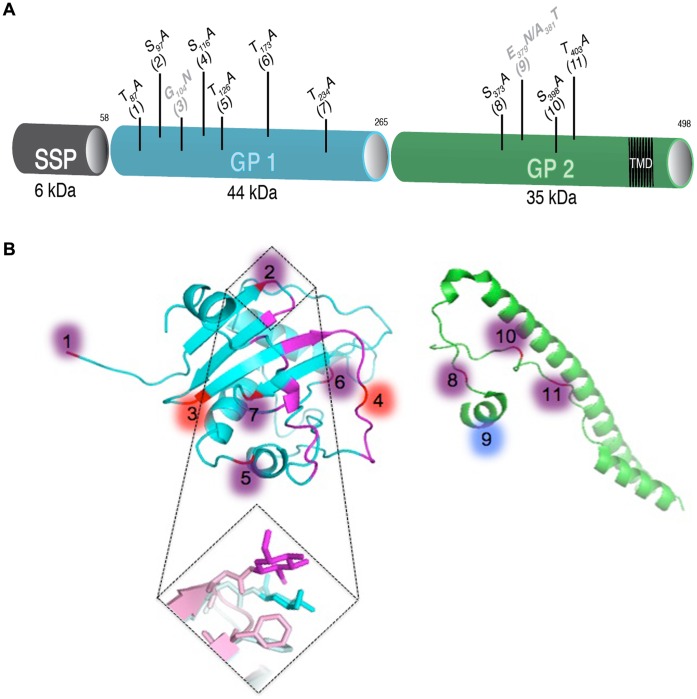
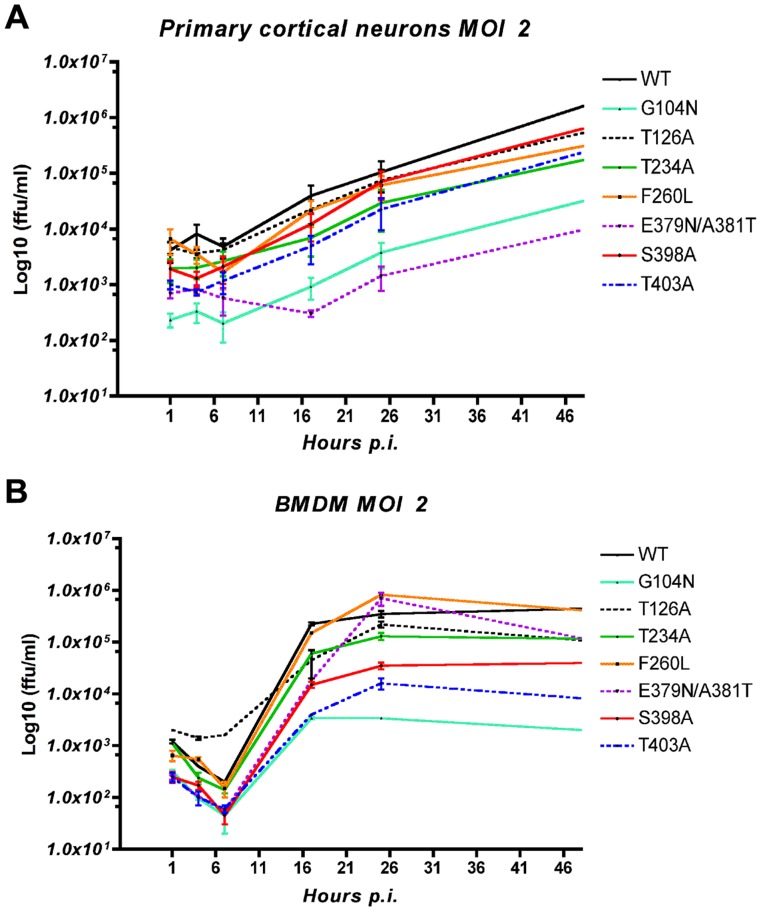
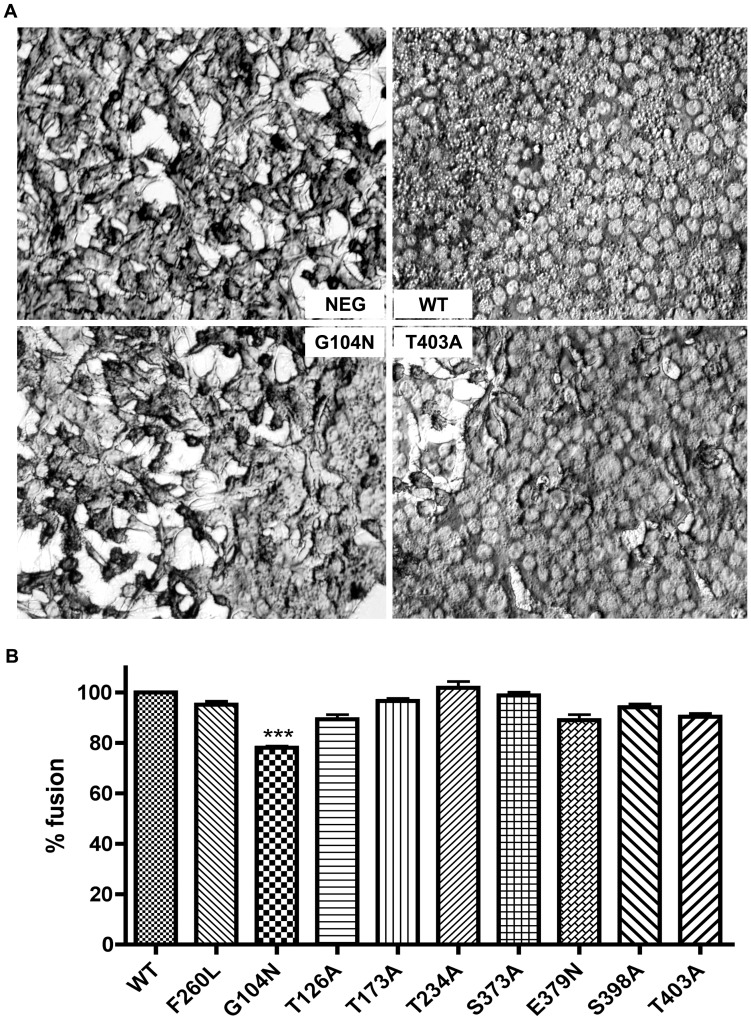
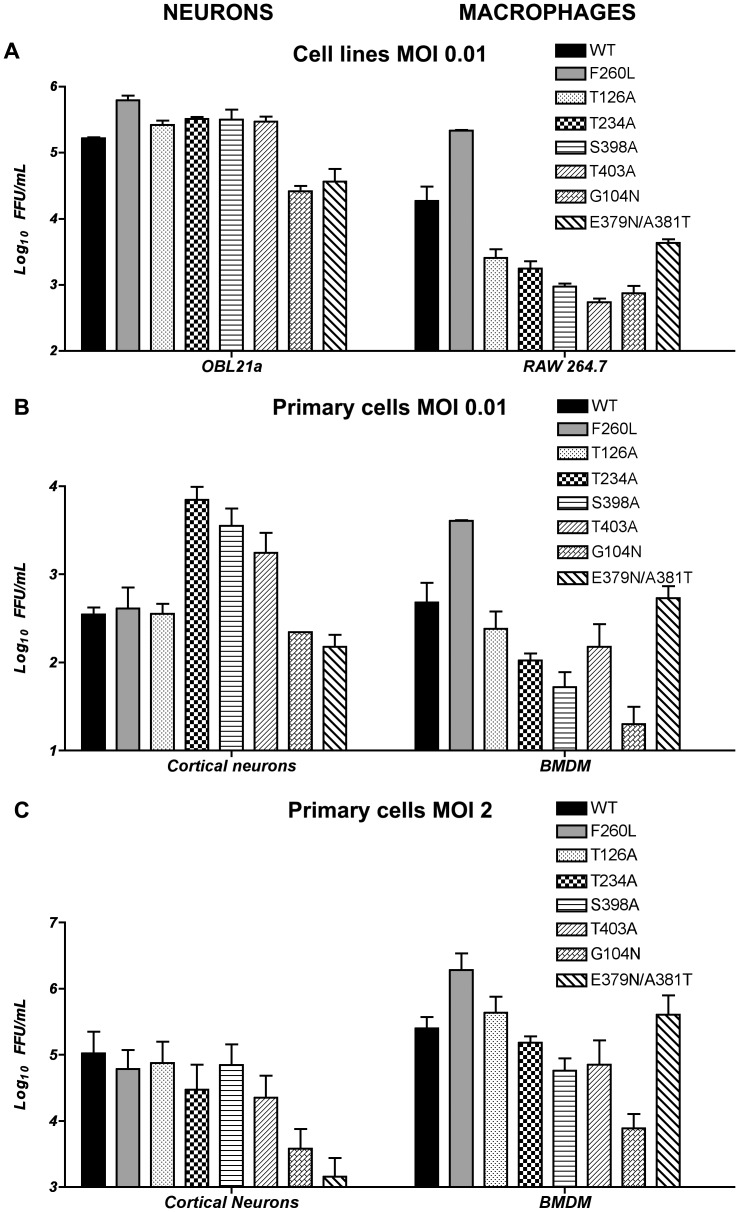
The glycoprotein (GP) of arenaviruses is glycosylated at 11 conserved N-glycosylation sites. We constructed recombinant lymphocytic choriomeningitis virus (rLCMV) featuring either additions or deletions of these N-glycans to investigate their role in the viral life cycle. N-glycosylation at two sites, T87 and S97, were found to be necessary to rescue rLCMV. Three of nine successfully rescued mutants, S116A, T234A, and S373A, under selective pressures in either epithelial, neuronal, or macrophage cells reverted to WT sequence. Of the seven stable N-glycan deletion mutants, five of these led to altered viral fitness and cell tropism, assessed as growth in either mouse primary cortical neurons or bone marrow derived macrophages. These results demonstrate that the deletion of N-glycans in LCMV GP may confer an advantage to the virus for infection of neurons but a disadvantage in macrophages.
沙粒病毒的糖蛋白(GP)在 11 个保守的 N-糖基化位点发生糖基化。我们构建了具有这些 N-聚糖添加或缺失的重组淋巴细胞性脉络丛脑膜炎病毒(rLCMV),以研究它们在病毒生命周期中的作用。发现 T87 和 S97 两个位点的 N-糖基化对于拯救 rLCMV 是必需的。在上皮细胞、神经元或巨噬细胞中,有 9 个成功拯救的突变体中的 3 个(S116A、T234A 和 S373A)在选择性压力下回复到 WT 序列。在 7 个稳定的 N-聚糖缺失突变体中,其中 5 个导致病毒适应性和细胞嗜性改变,评估为在原代培养的小鼠皮质神经元或骨髓来源的巨噬细胞中的生长情况。这些结果表明,LCMV GP 中 N-聚糖的缺失可能使病毒在感染神经元方面具有优势,但在巨噬细胞中处于劣势。