Barrera-Ochoa Sergi, Lluch Alex, Gargallo-Margarit Albert, Pérez Manuel, Vélez Roberto
Orthopaedic Surgery and Traumatology Department, Hospital Universitari Vall d'Hebron, Passeig Vall d'Hebron 119-129, 08035 Barcelona, Spain.
Case Rep Med. 2012;2012:453560. doi: 10.1155/2012/453560. Epub 2012 Dec 25.
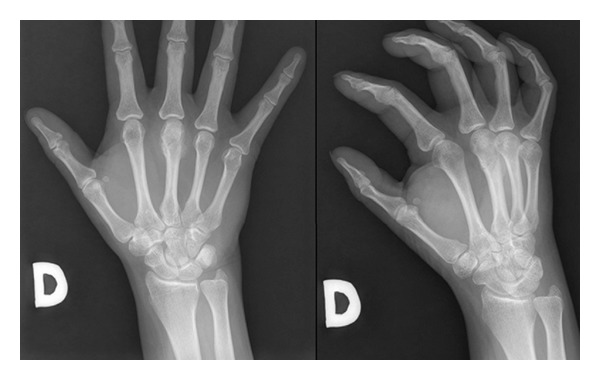
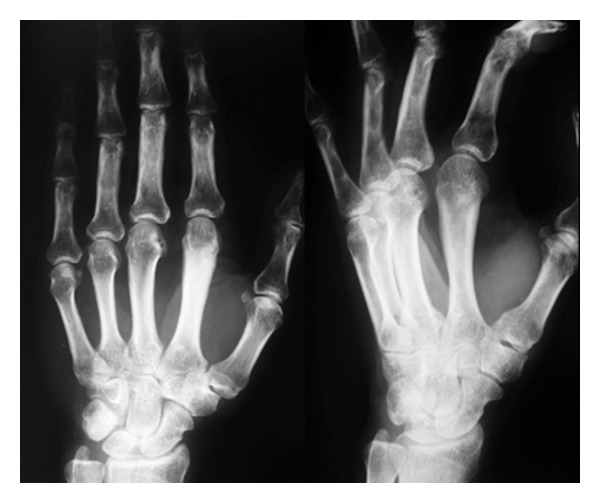
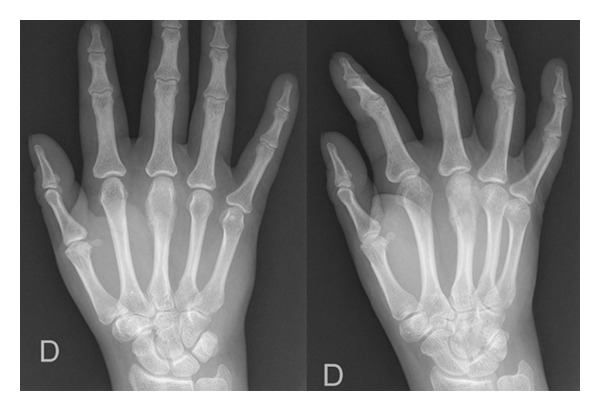
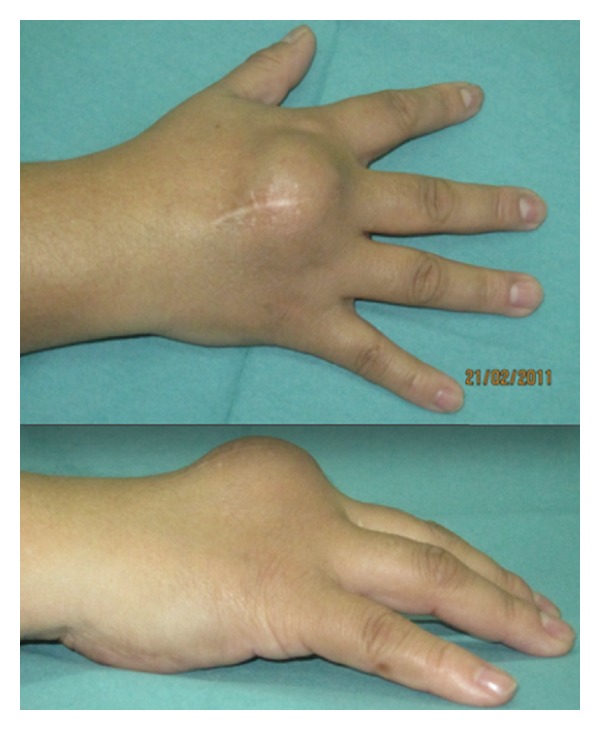
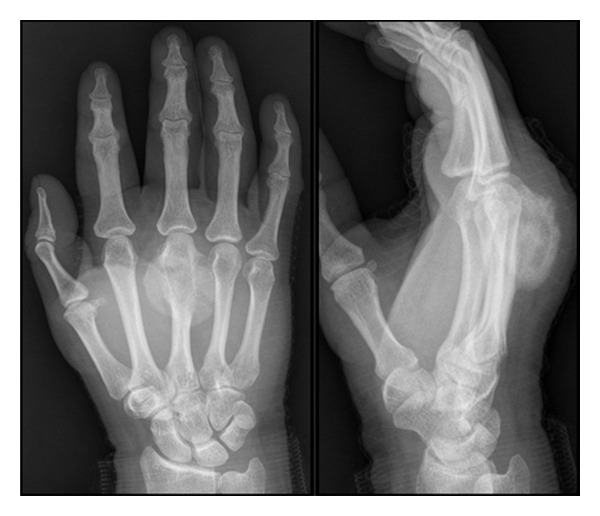
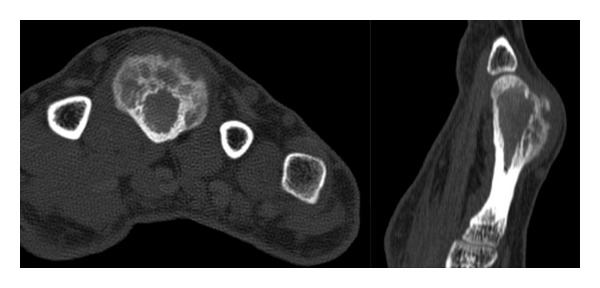
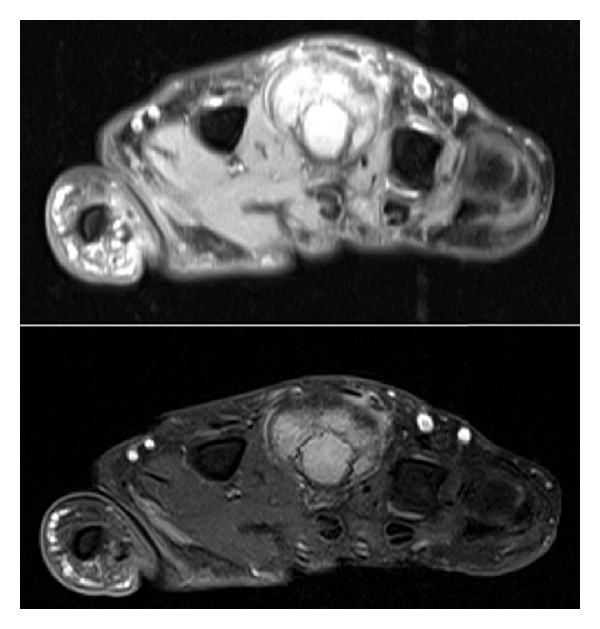
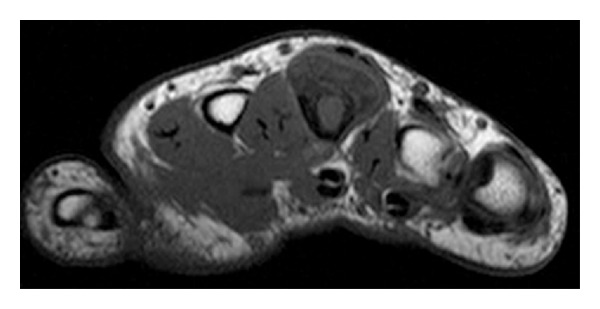
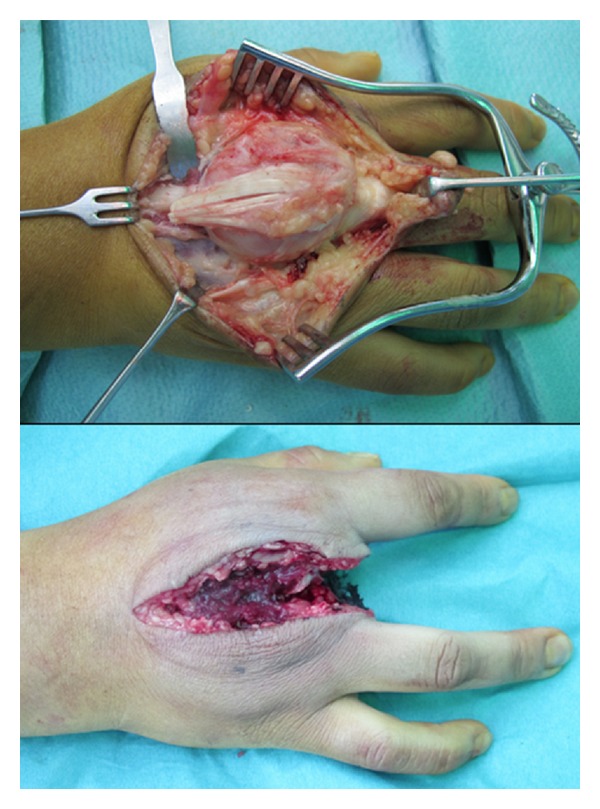
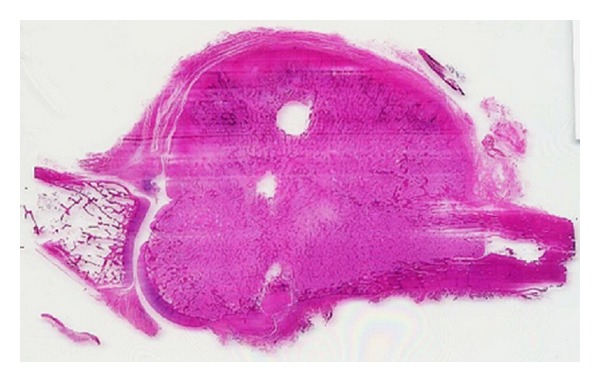
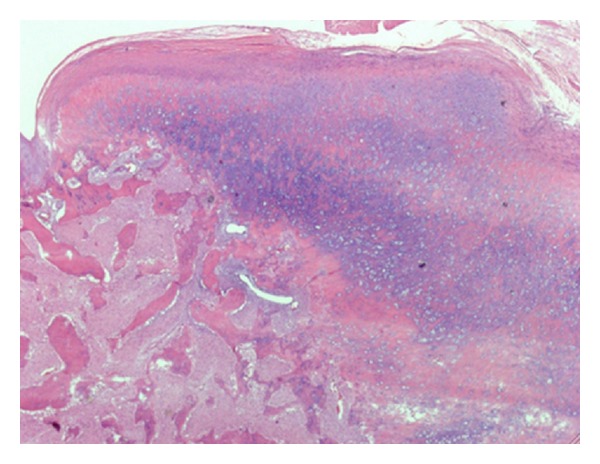
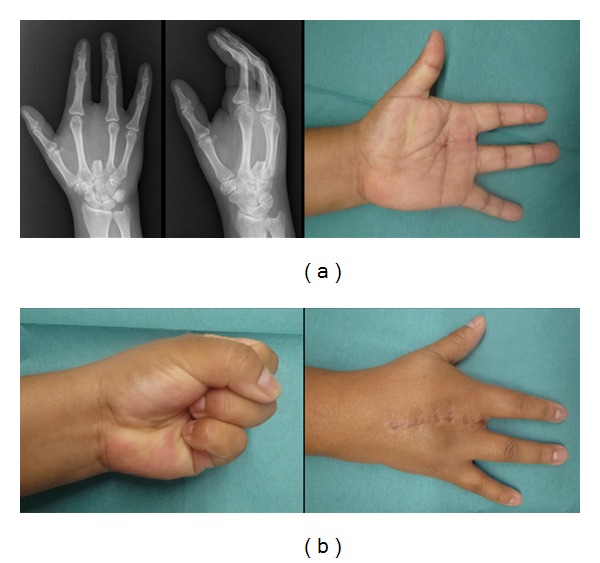
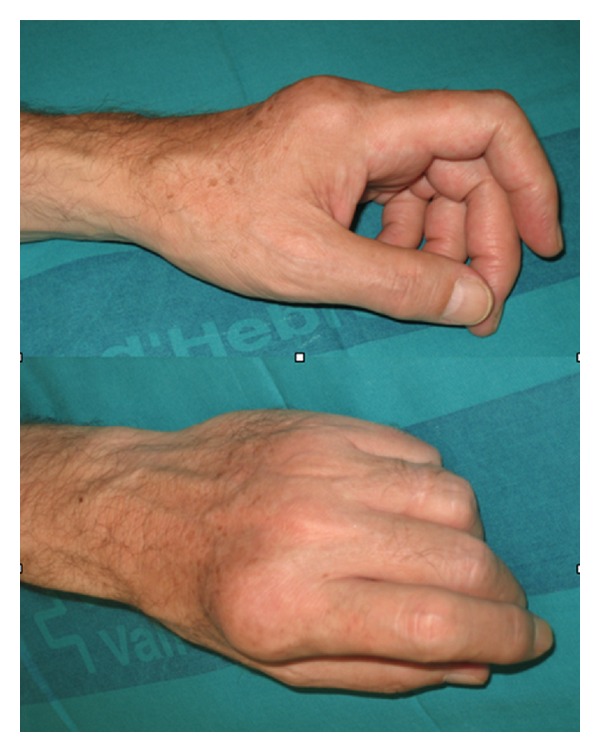
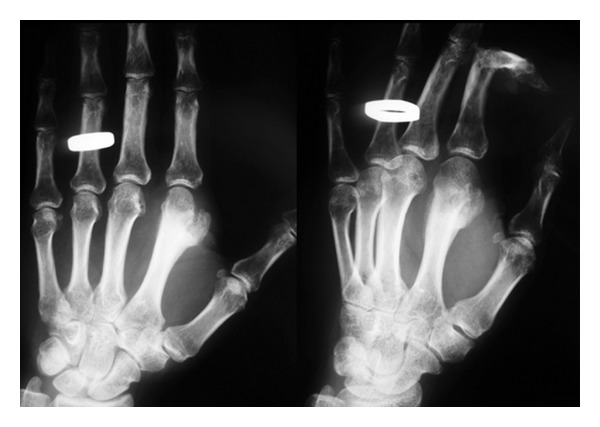
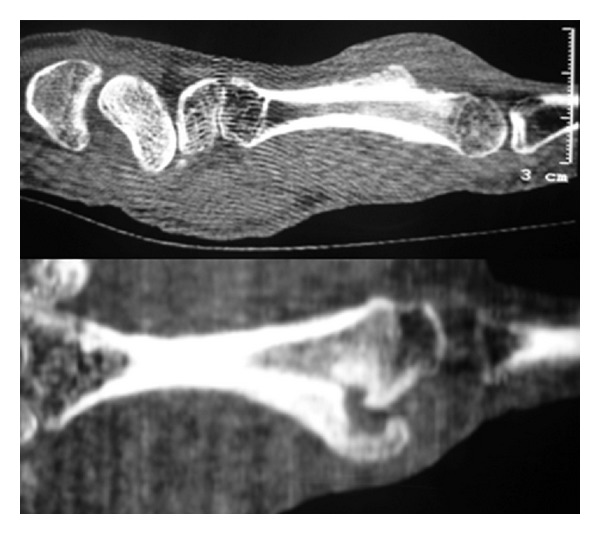
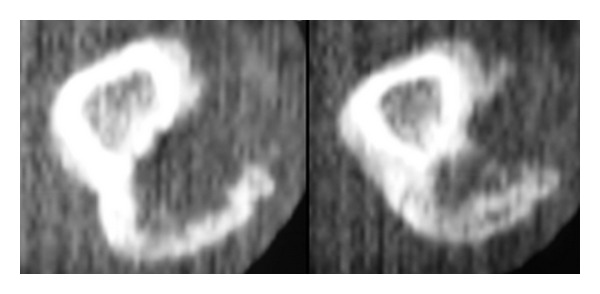
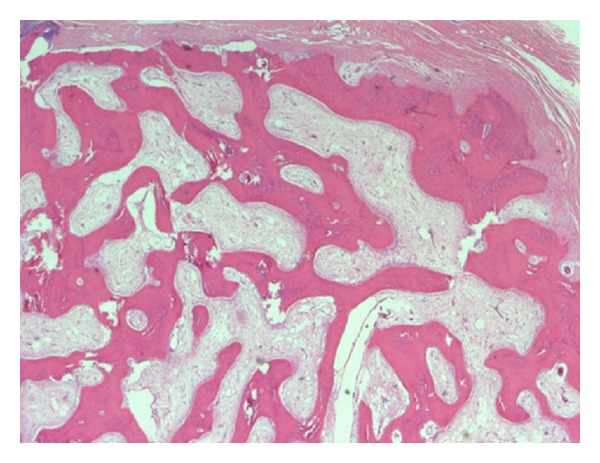
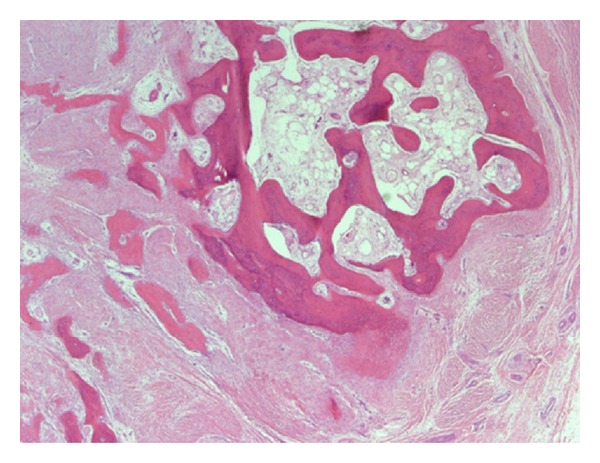
Bizarre parosteal osteochondromatous proliferation (BPOP), also called Nora's lesion, is an unusual, benign, bony lesion frequently found in the hand. Originally, two of the key radiological features used to describe such lesions were: (1) a lack of corticomedullar continuity and (2) an origin from the periosteal aspect of an intact cortex. The authors present 2 unique cases of histologically proven BPOP in which the integrity of the cortex was affected. In the first case there was medullary continuity, and in the second case there was saucerization of the underlying cortical bone. The authors support that simple X-ray evaluation is insufficient to diagnose BPOP in atypical cases. Careful axial CT scanning or MRI may prove helpful. Taking into account these new notions, histopathology gains greater importance as a diagnostic tool for this particular group of entities.
怪异的骨旁骨软骨瘤样增生(BPOP),也称为诺拉氏病变,是一种不常见的良性骨病变,常见于手部。最初,用于描述此类病变的两个关键放射学特征是:(1)皮质髓质连续性中断;(2)起源于完整皮质的骨膜面。作者报告了2例经组织学证实的BPOP独特病例,其中皮质的完整性受到影响。第一例存在髓质连续性,第二例其下方皮质骨呈碟形凹陷。作者认为,对于非典型病例,单纯的X线评估不足以诊断BPOP。仔细的轴向CT扫描或MRI可能会有所帮助。考虑到这些新观点,组织病理学作为诊断这类特殊病变的工具变得更加重要。