Food Biotechnology Laboratory, Department of Food Sciences and Technology, BOKU-University of Natural Resources and Life Sciences, Vienna, Muthgasse 18, 1190 Vienna, Austria.
Anal Bioanal Chem. 2013 Apr;405(11):3637-58. doi: 10.1007/s00216-012-6627-x. Epub 2013 Jan 18.
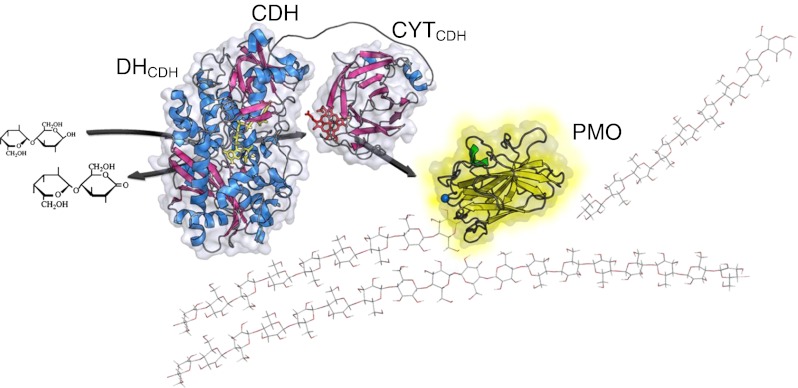
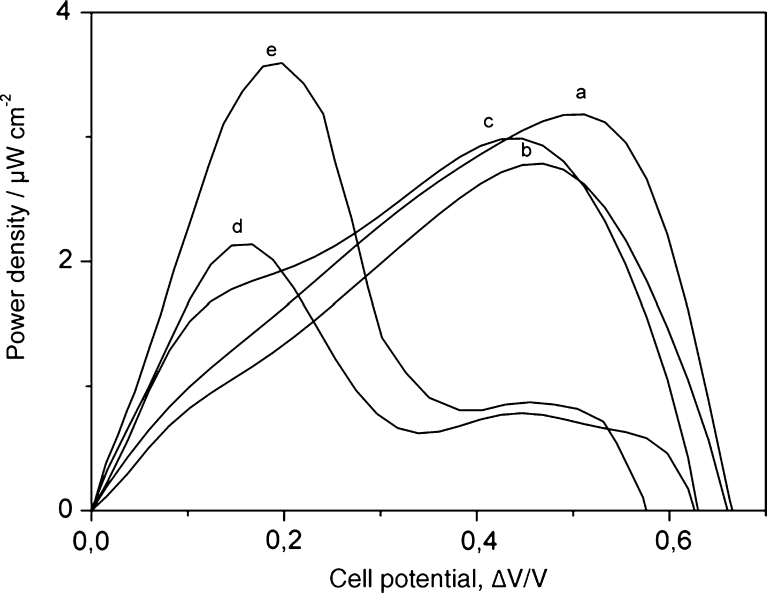
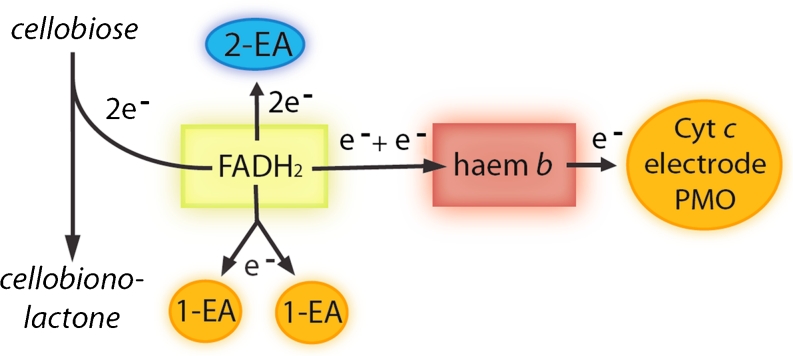
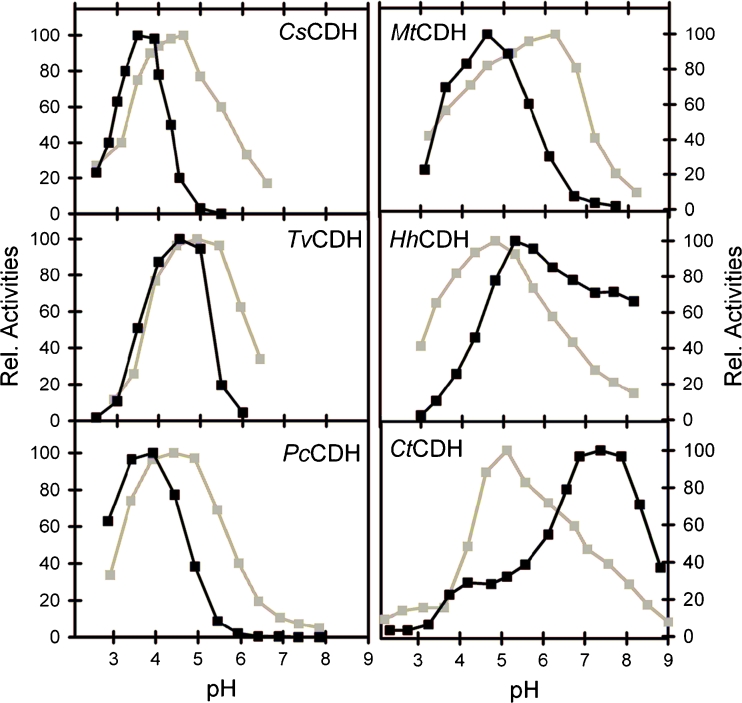
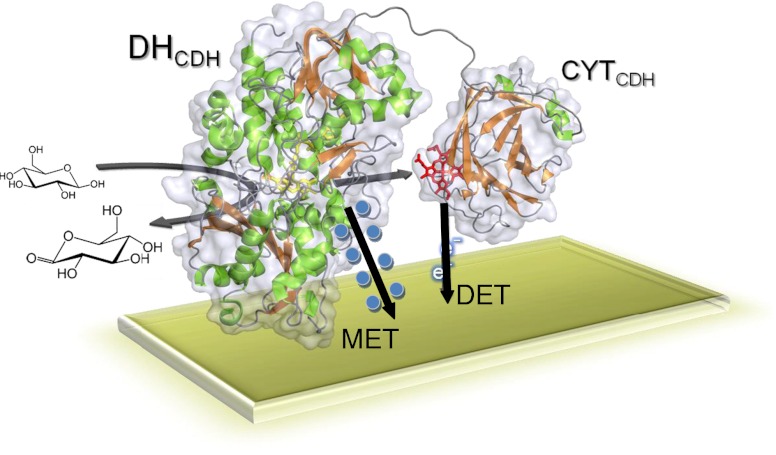
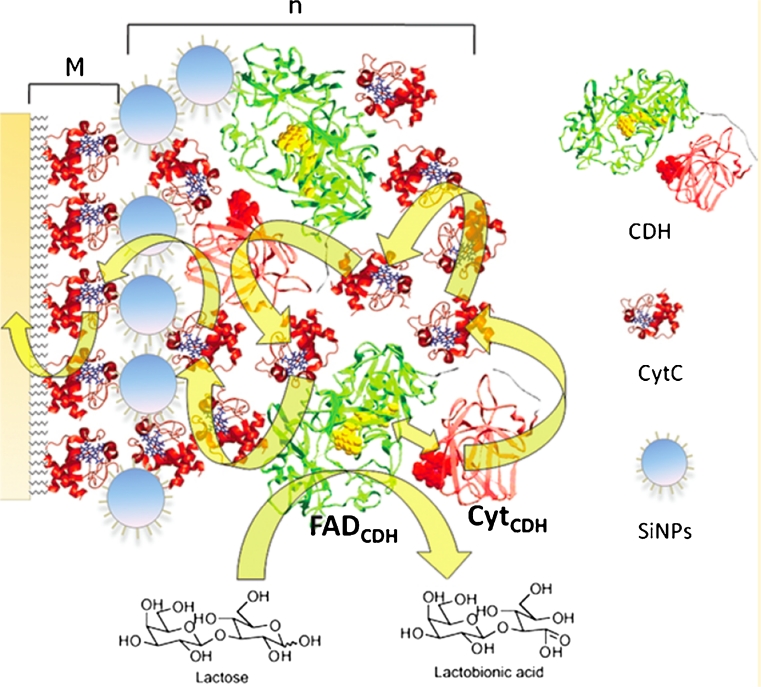
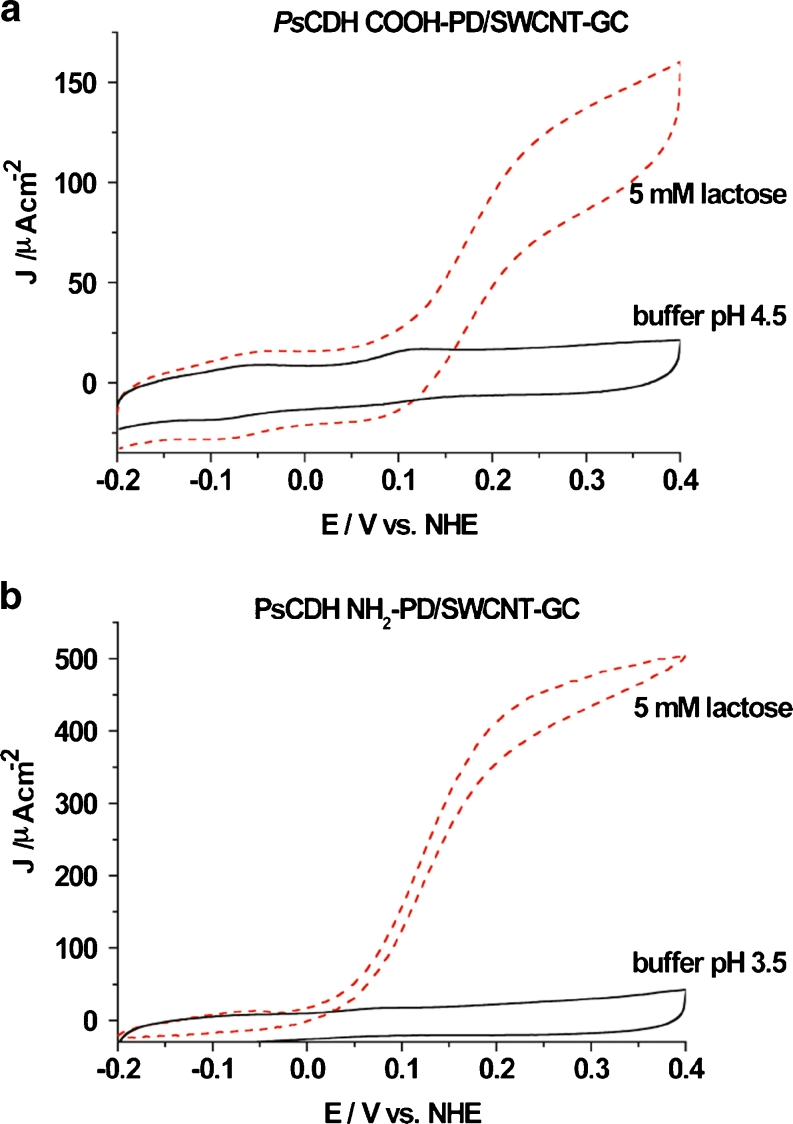
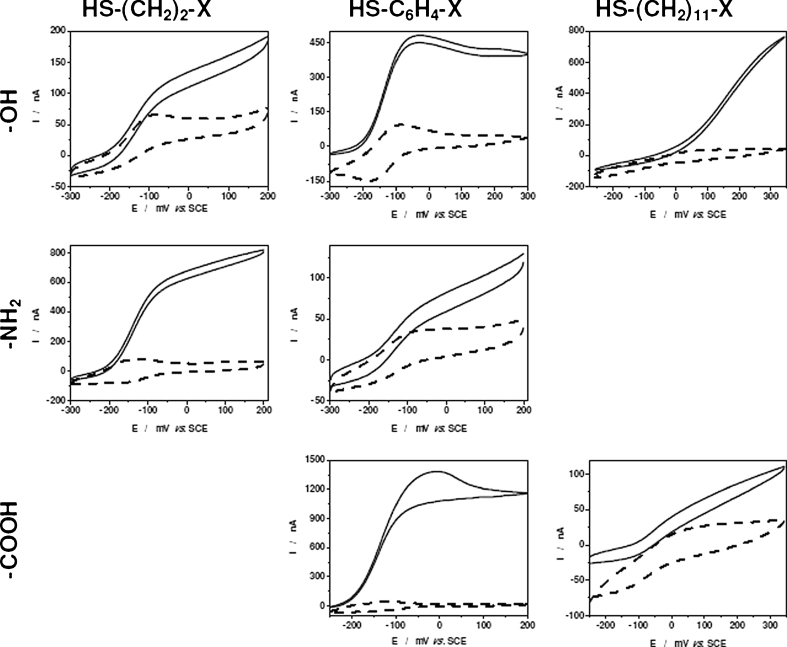
The flavocytochrome cellobiose dehydrogenase (CDH) is a versatile biorecognition element capable of detecting carbohydrates as well as quinones and catecholamines. In addition, it can be used as an anode biocatalyst for enzymatic biofuel cells to power miniaturised sensor-transmitter systems. Various electrode materials and designs have been tested in the past decade to utilize and enhance the direct electron transfer (DET) from the enzyme to the electrode. Additionally, mediated electron transfer (MET) approaches via soluble redox mediators and redox polymers have been pursued. Biosensors for cellobiose, lactose and glucose determination are based on CDH from different fungal producers, which show differences with respect to substrate specificity, pH optima, DET efficiency and surface binding affinity. Biosensors for the detection of quinones and catecholamines can use carbohydrates for analyte regeneration and signal amplification. This review discusses different approaches to enhance the sensitivity and selectivity of CDH-based biosensors, which focus on (1) more efficient DET on chemically modified or nanostructured electrodes, (2) the synthesis of custom-made redox polymers for higher MET currents and (3) the engineering of enzymes and reaction pathways. Combination of these strategies will enable the design of sensitive and selective CDH-based biosensors with reduced electrode size for the detection of analytes in continuous on-site and point-of-care applications.
黄素细胞色素纤维二糖脱氢酶(CDH)是一种多功能的生物识别元件,能够检测碳水化合物、醌类和儿茶酚胺。此外,它还可以用作酶生物燃料电池的阳极生物催化剂,为微型传感器传输系统提供动力。在过去的十年中,已经测试了各种电极材料和设计,以利用和增强酶与电极之间的直接电子转移(DET)。此外,还通过可溶性氧化还原介体和氧化还原聚合物进行了介导电子转移(MET)方法的研究。基于来自不同真菌生产者的 CDH 的纤维二糖、乳糖和葡萄糖测定生物传感器,在底物特异性、pH 最佳值、DET 效率和表面结合亲和力方面存在差异。用于检测醌类和儿茶酚胺的生物传感器可以使用碳水化合物进行分析物再生和信号放大。本文综述了不同方法来增强基于 CDH 的生物传感器的灵敏度和选择性,这些方法侧重于:(1)在化学修饰或纳米结构电极上实现更有效的 DET;(2)合成用于更高 MET 电流的定制氧化还原聚合物;(3)酶和反应途径的工程设计。这些策略的结合将能够设计出具有更小电极尺寸的基于 CDH 的生物传感器,用于连续现场和即时护理应用中分析物的检测。