Bollella Paolo
Department of Chemistry and Biomolecular Science, Clarkson University, Potsdam, 13699-5810 NY, USA.
Nanomaterials (Basel). 2020 Apr 10;10(4):722. doi: 10.3390/nano10040722.
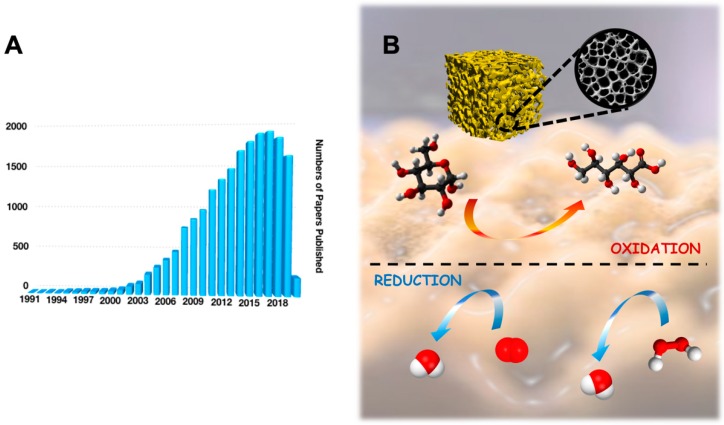
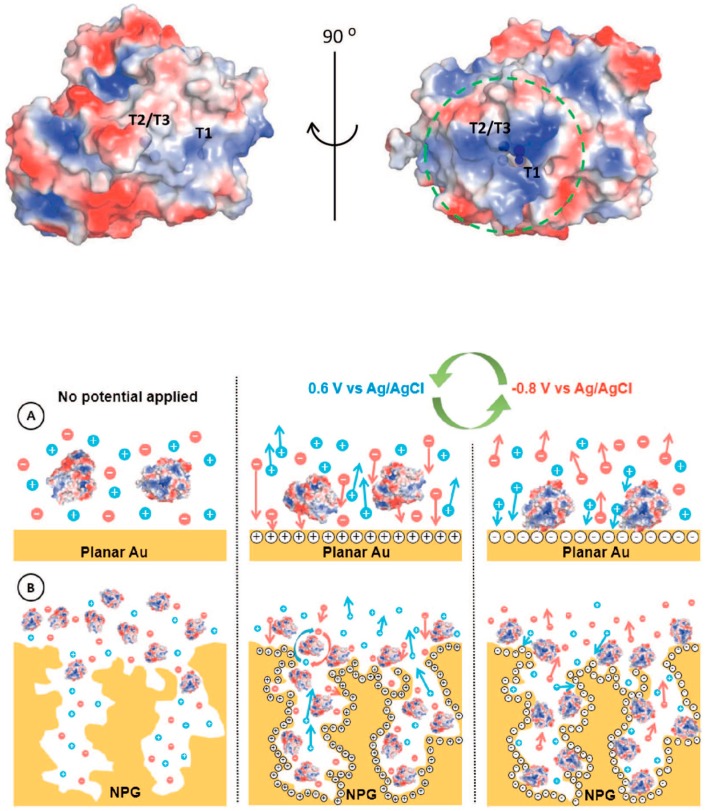
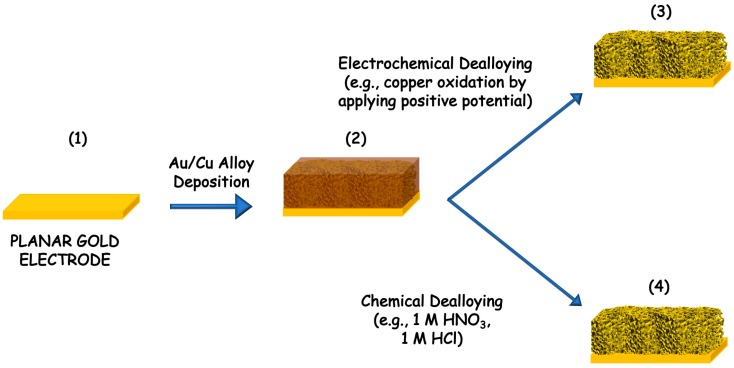
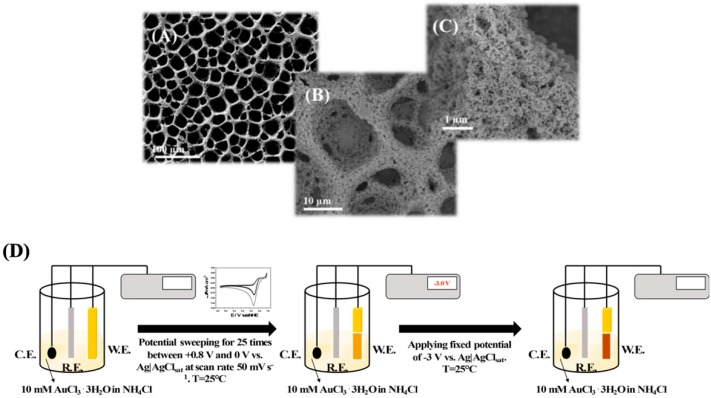
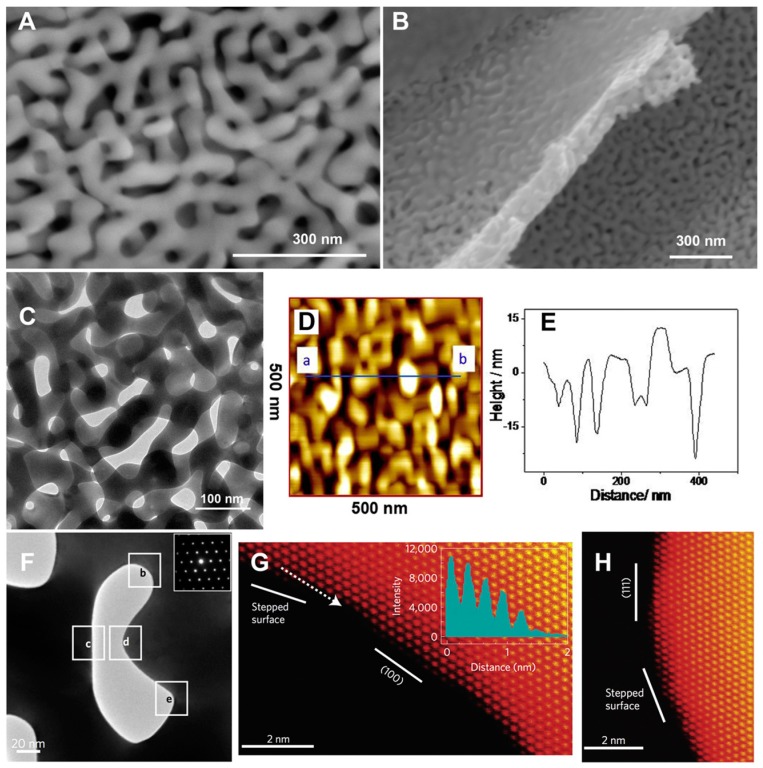
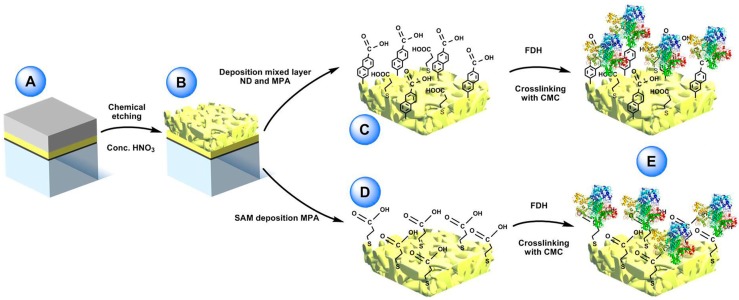
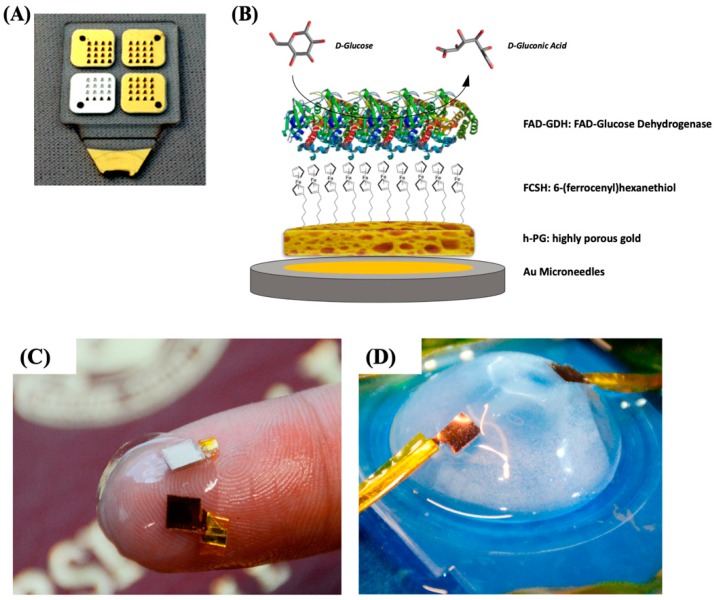
Porous gold (PG) layers modified electrodes have emerged as valuable enzyme support to realize multiple enzyme-based bioelectrochemical devices like biosensors, enzymatic fuel cells (EFCs), smart drug delivery devices triggered by enzyme catalyzed reactions, etc. PG films can be synthesized by using different methods such as dealloying, electrochemical (e.g., templated electrochemical deposition, self-templated electrochemical deposition, etc.) self-assembly and sputter deposition. This review aims to summarize the recent findings about PG synthesis and electrosynthesis, its characterization and application for enzyme-based electrodes used for biosensors and enzymatic fuel cells (EFCs) development.
多孔金(PG)层修饰电极已成为一种有价值的酶载体,可用于实现多种基于酶的生物电化学装置,如生物传感器、酶燃料电池(EFC)、由酶催化反应触发的智能药物递送装置等。PG膜可以通过不同方法合成,如脱合金法、电化学方法(如模板电化学沉积、自模板电化学沉积等)、自组装法和溅射沉积法。本综述旨在总结关于PG合成与电合成、其表征以及在用于生物传感器和酶燃料电池(EFC)开发的酶基电极中的应用的最新研究成果。