1] Precision Nanosystems, Vancouver, British Columbia, Canada [2] Department of Biochemistry and Molecular Biology, University of British Columbia, Vancouver, British Columbia, Canada.
Mol Ther Nucleic Acids. 2012 Aug 14;1(8):e37. doi: 10.1038/mtna.2012.28.
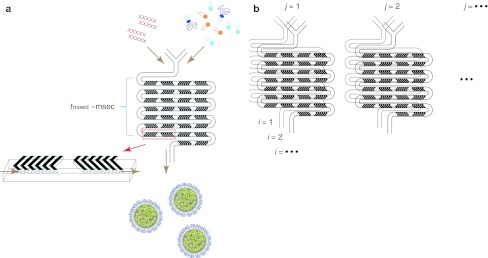
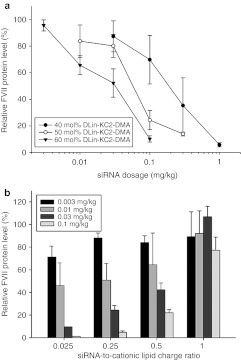
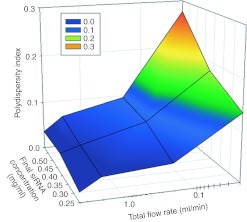
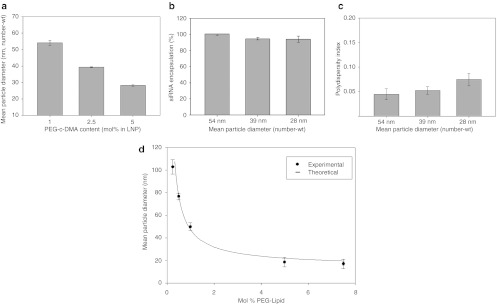
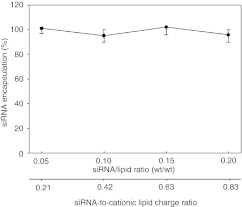
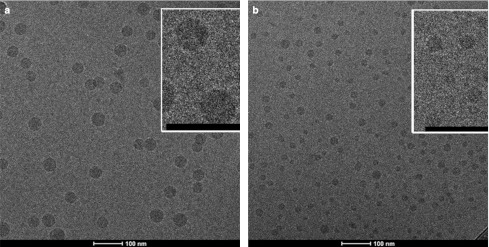
Lipid nanoparticles (LNP) are the leading systems for in vivo delivery of small interfering RNA (siRNA) for therapeutic applications. Formulation of LNP siRNA systems requires rapid mixing of solutions containing cationic lipid with solutions containing siRNA. Current formulation procedures employ macroscopic mixing processes to produce systems 70-nm diameter or larger that have variable siRNA encapsulation efficiency, homogeneity, and reproducibility. Here, we show that microfluidic mixing techniques, which permit millisecond mixing at the nanoliter scale, can reproducibly generate limit size LNP siRNA systems 20 nm and larger with essentially complete encapsulation of siRNA over a wide range of conditions with polydispersity indexes as low as 0.02. Optimized LNP siRNA systems produced by microfluidic mixing achieved 50% target gene silencing in hepatocytes at a dose level of 10 µg/kg siRNA in mice. We anticipate that microfluidic mixing, a precisely controlled and readily scalable technique, will become the preferred method for formulation of LNP siRNA delivery systems.
脂质纳米颗粒(LNP)是用于体内递送小干扰 RNA(siRNA)用于治疗应用的主要系统。LNP siRNA 系统的制剂需要将含有阳离子脂质的溶液与含有 siRNA 的溶液快速混合。目前的制剂程序采用宏观混合工艺来生产 70nm 直径或更大的系统,这些系统的 siRNA 包封效率、均一性和重现性各不相同。在这里,我们表明,微流控混合技术可以在纳升级规模上实现毫秒级混合,可重复性地生成限制大小的 LNP siRNA 系统,其大小为 20nm 或更大,并且在广泛的条件下,siRNA 的封装效率基本为 100%,多分散指数低至 0.02。通过微流控混合优化的 LNP siRNA 系统在小鼠中以 10μg/kg siRNA 的剂量水平实现了 50%的靶基因沉默。我们预计,微流控混合作为一种精确控制且易于扩展的技术,将成为 LNP siRNA 递药系统制剂的首选方法。