Department of Chromosome Biology, Max F. Perutz Laboratories, University of Vienna, Vienna, Austria.
RNA Biol. 2013 Feb;10(2):192-204. doi: 10.4161/rna.23208. Epub 2013 Jan 25.
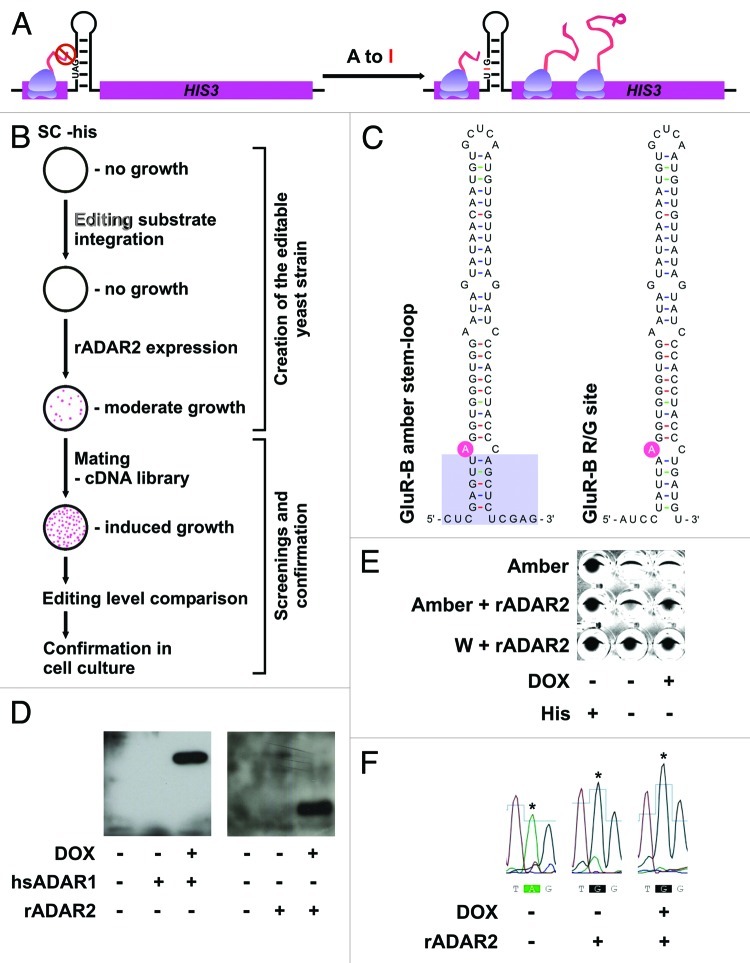
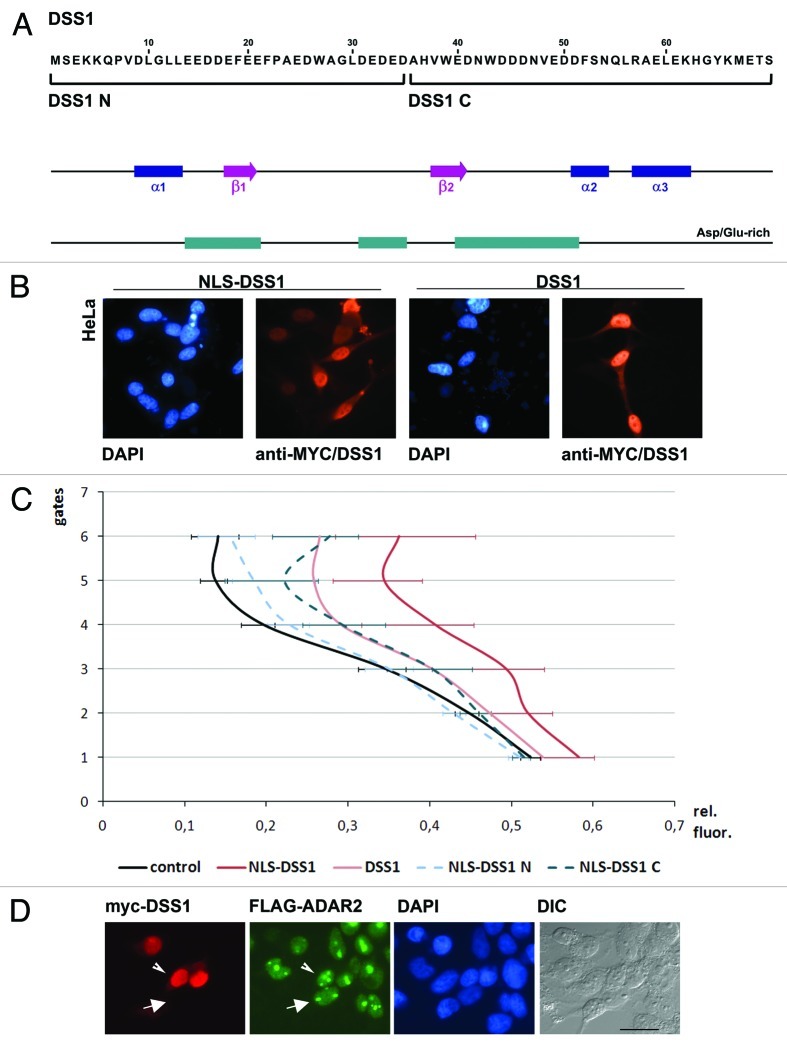
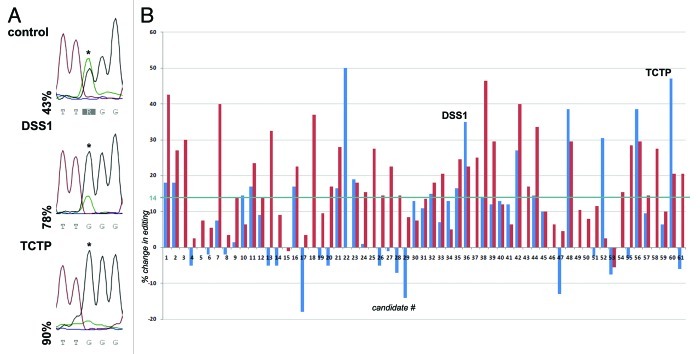
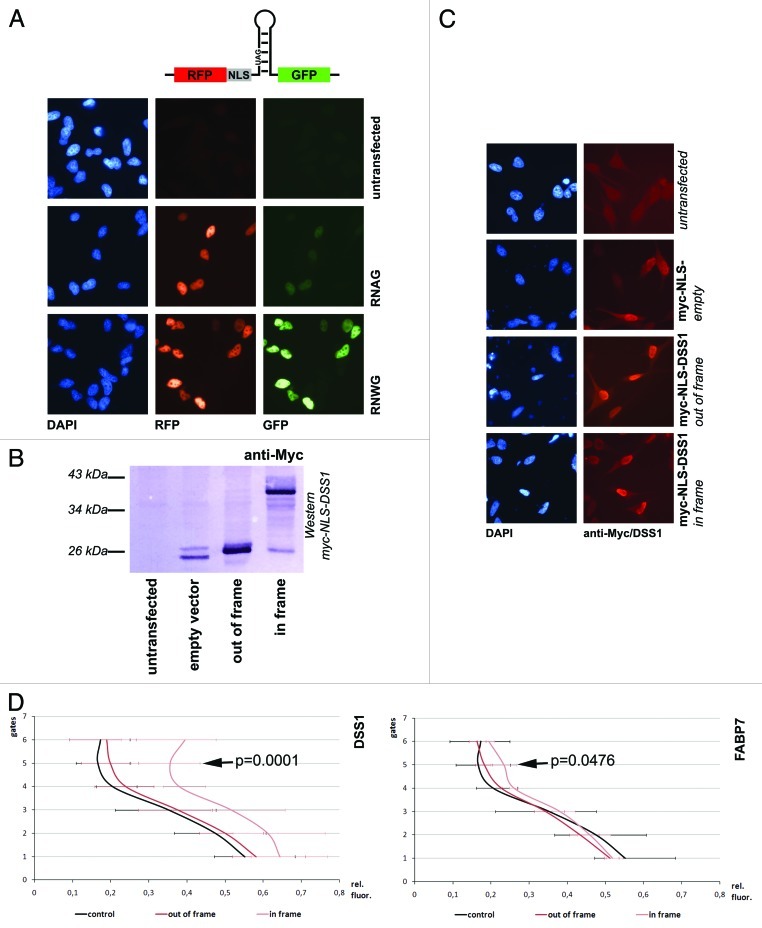
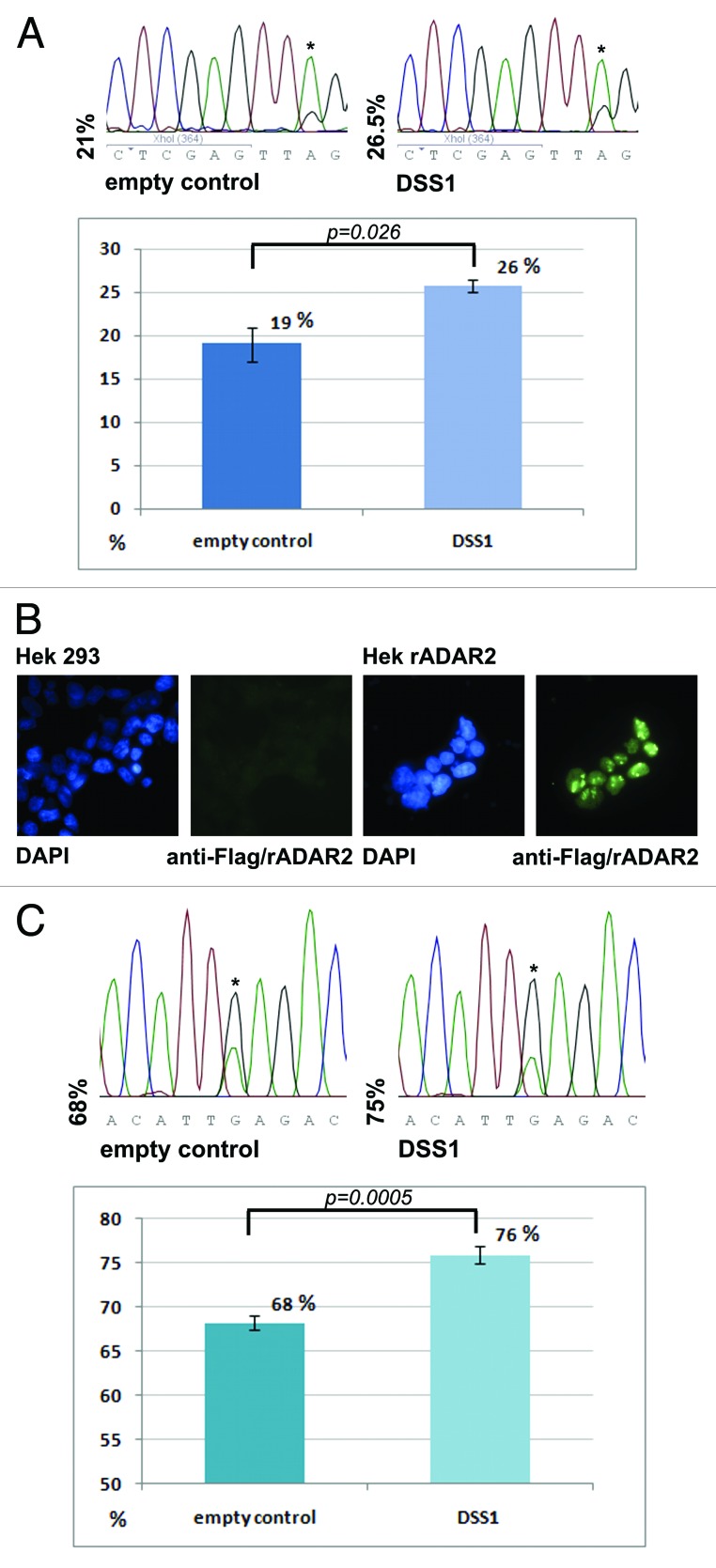
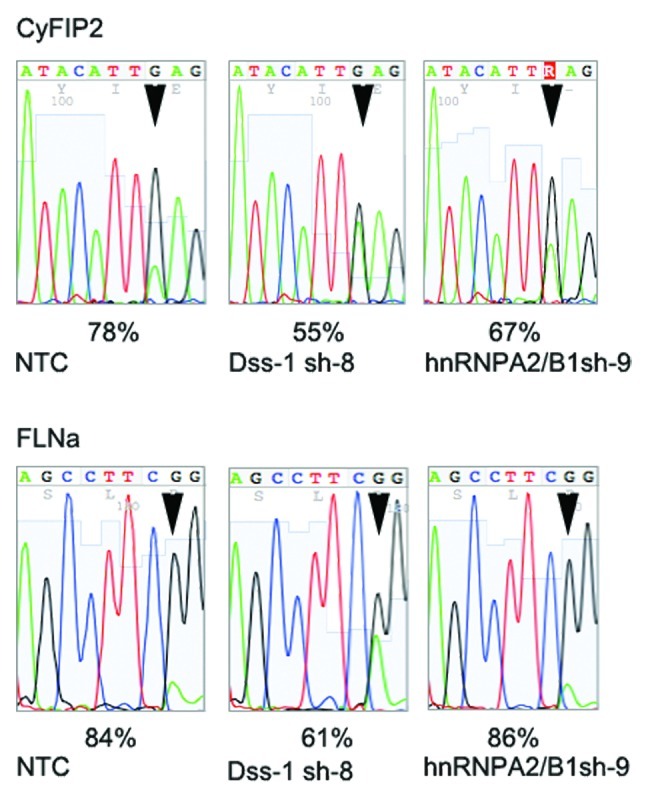
Adenosine to inosine deamination of RNA is widespread in metazoa. Inosines are recognized as guanosines and, therefore, this RNA-editing can influence the coding potential, localization and stability of RNAs. Therefore, RNA editing contributes to the diversification of the transcriptome in a flexible manner. The editing reaction is performed by adenosine deaminases that act on RNA (ADARs), which are essential for normal life and development in many organisms. Changes in editing levels are observed during development but also in neurological pathologies like schizophrenia, depression or tumors. Frequently, changes in editing levels are not reflected by changes in ADAR levels suggesting a regulation of enzyme activity. Until now, only a few factors are known that influence the activity of ADARs. Here we present a two-stage in vivo editing screen aimed to isolate enhancers of editing. A primary, high-throughput yeast-screen is combined with a more accurate secondary screen in mammalian cells that uses a fluorescent read-out to detect minor differences in RNA-editing. The screen was successfully employed to identify DSS1/SHFM1, the RNA binding protein hnRNP A2/B1 and a 3' UTR as enhancers of editing. By varying intracellular DSS1/SHFM1 levels, we can modulate A to I editing by up to 30%. Proteomic analysis indicates an interaction of DSS1/SHFM1 and hnRNP A2/B1 suggesting that both factors may act by altering the cellular RNP landscape. An extension of this screen to cDNAs from different tissues or developmental stages may prove useful for the identification of additional enhancers of RNA-editing.
RNA 中的腺苷到肌苷脱氨酶在后生动物中广泛存在。肌苷被识别为鸟苷,因此这种 RNA 编辑可以影响 RNA 的编码潜力、定位和稳定性。因此,RNA 编辑以灵活的方式促进转录组的多样化。编辑反应由作用于 RNA 的腺苷脱氨酶(ADARs)完成,ADARs 在许多生物体的正常生命和发育中是必不可少的。在发育过程中以及在精神分裂症、抑郁或肿瘤等神经病理学中观察到编辑水平的变化。经常观察到编辑水平的变化与 ADAR 水平的变化不一致,这表明酶活性受到调节。到目前为止,只有少数已知的因素会影响 ADAR 的活性。在这里,我们提出了一个两阶段的体内编辑筛选,旨在分离编辑增强子。一个初步的高通量酵母筛选与一个更准确的哺乳动物细胞二次筛选相结合,该筛选使用荧光读数来检测 RNA 编辑中的微小差异。该筛选成功地用于鉴定 DSS1/SHFM1、RNA 结合蛋白 hnRNP A2/B1 和 3'UTR 作为编辑增强子。通过改变细胞内 DSS1/SHFM1 水平,我们可以将 A 到 I 的编辑调节高达 30%。蛋白质组学分析表明 DSS1/SHFM1 和 hnRNP A2/B1 之间存在相互作用,表明这两个因素可能通过改变细胞内 RNP 景观来发挥作用。将该筛选扩展到来自不同组织或发育阶段的 cDNA,可能有助于鉴定更多的 RNA 编辑增强子。