Center for Reproductive Biology, School of Biological Sciences, Washington State University, Pullman, Washington, USA.
PLoS One. 2013;8(1):e55387. doi: 10.1371/journal.pone.0055387. Epub 2013 Jan 24.
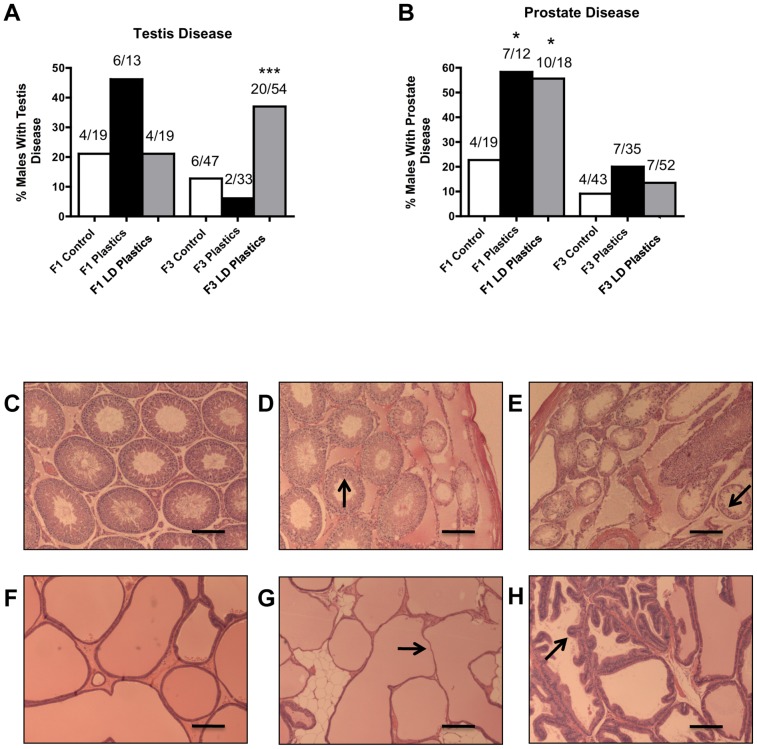
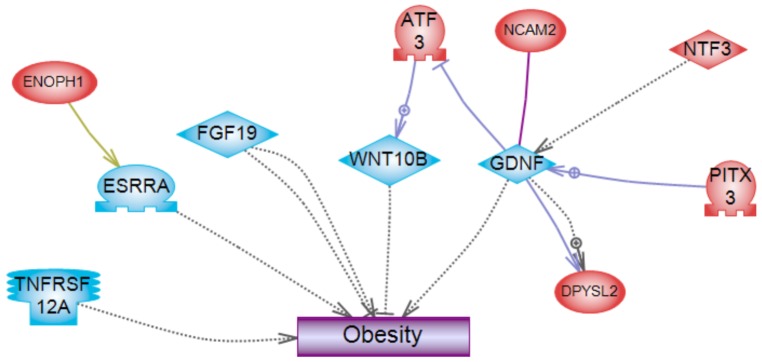
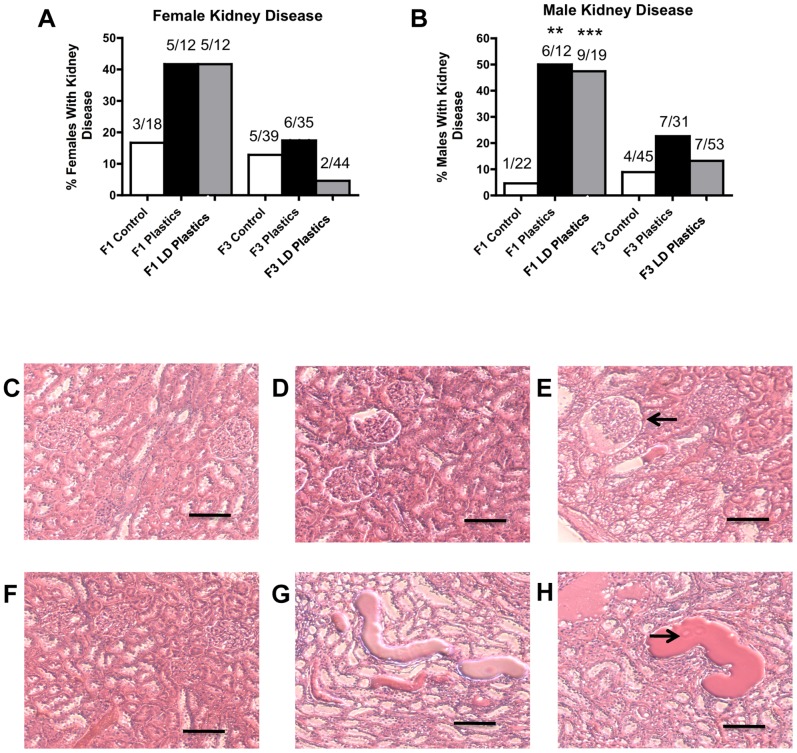
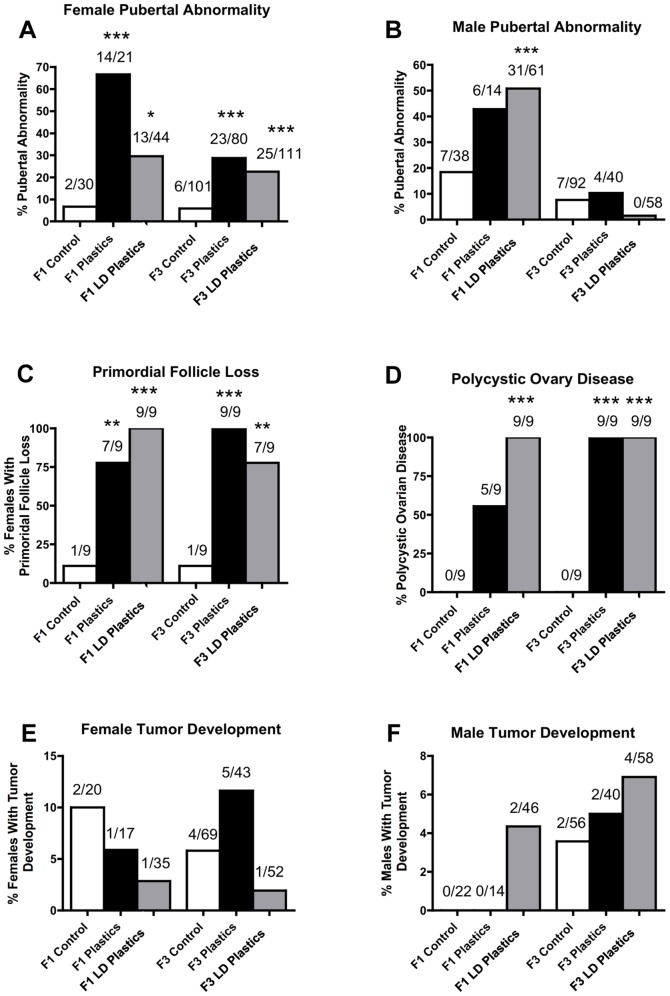
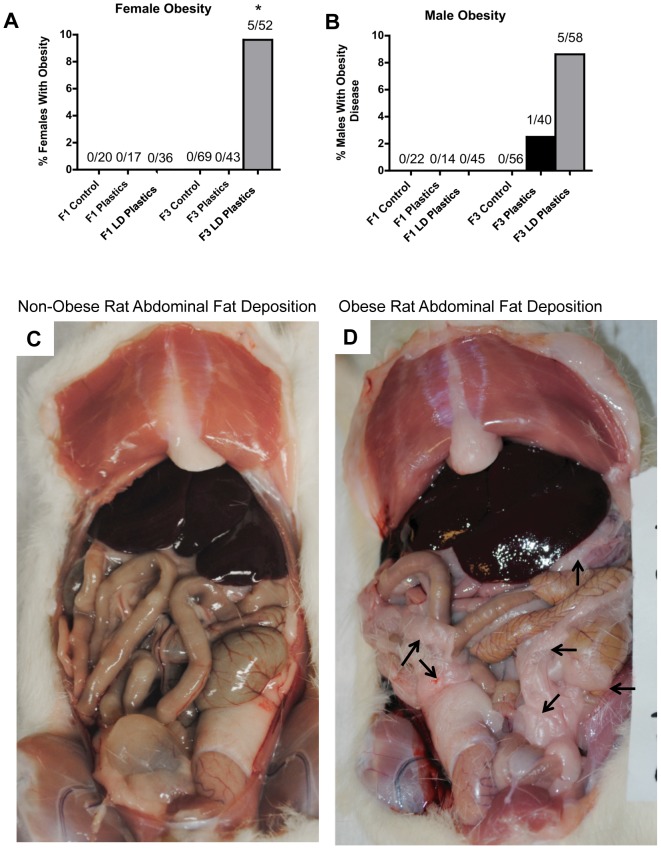
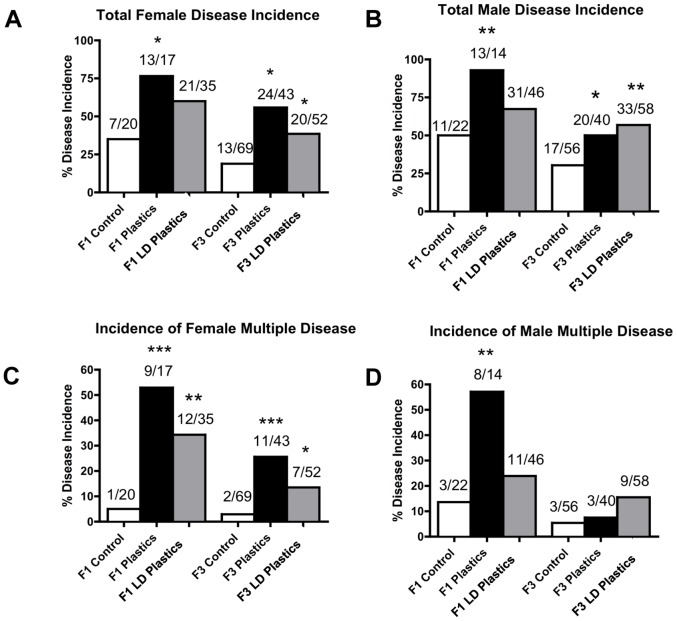
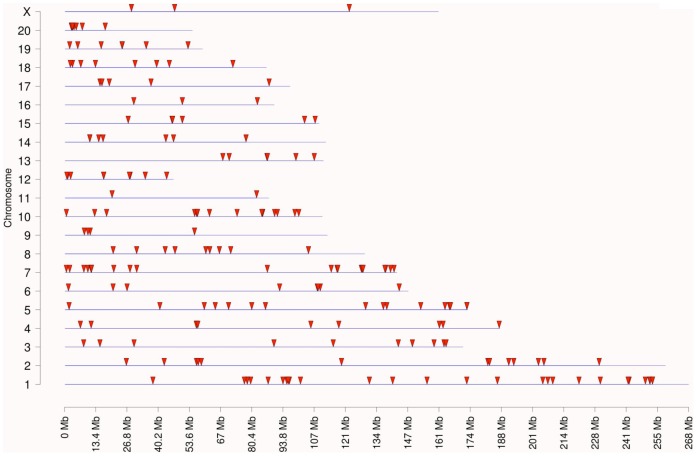
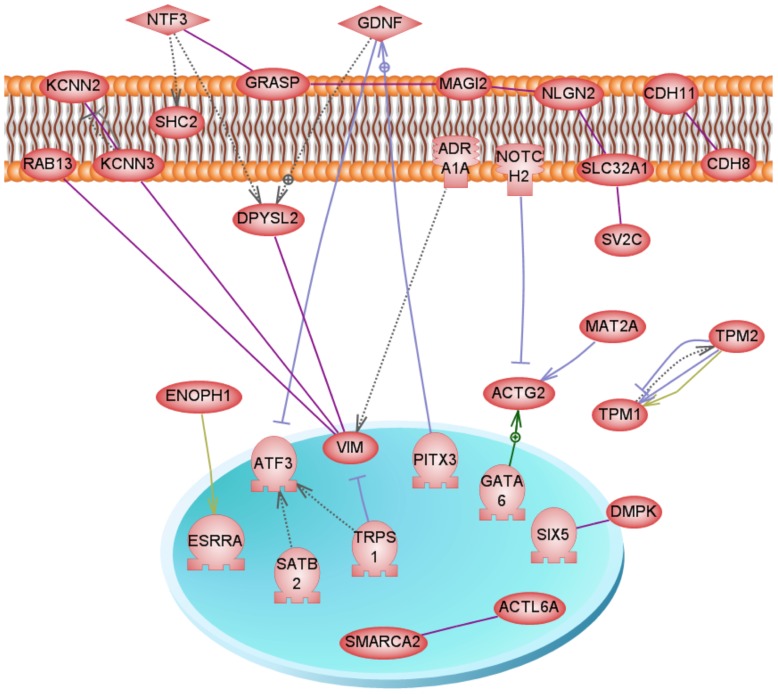
Environmental compounds are known to promote epigenetic transgenerational inheritance of adult onset disease in subsequent generations (F1-F3) following ancestral exposure during fetal gonadal sex determination. The current study was designed to determine if a mixture of plastic derived endocrine disruptor compounds bisphenol-A (BPA), bis(2-ethylhexyl)phthalate (DEHP) and dibutyl phthalate (DBP) at two different doses promoted epigenetic transgenerational inheritance of adult onset disease and associated DNA methylation epimutations in sperm. Gestating F0 generation females were exposed to either the "plastics" or "lower dose plastics" mixture during embryonic days 8 to 14 of gonadal sex determination and the incidence of adult onset disease was evaluated in F1 and F3 generation rats. There were significant increases in the incidence of total disease/abnormalities in F1 and F3 generation male and female animals from plastics lineages. Pubertal abnormalities, testis disease, obesity, and ovarian disease (primary ovarian insufficiency and polycystic ovaries) were increased in the F3 generation animals. Kidney and prostate disease were only observed in the direct fetally exposed F1 generation plastic lineage animals. Analysis of the plastics lineage F3 generation sperm epigenome previously identified 197 differential DNA methylation regions (DMR) in gene promoters, termed epimutations. A number of these transgenerational DMR form a unique direct connection gene network and have previously been shown to correlate with the pathologies identified. Observations demonstrate that a mixture of plastic derived compounds, BPA and phthalates, can promote epigenetic transgenerational inheritance of adult onset disease. The sperm DMR provide potential epigenetic biomarkers for transgenerational disease and/or ancestral environmental exposures.
环境化合物已知可促进表观遗传跨代遗传,即在祖先暴露于胎儿性腺性别决定期间,随后的 F1-F3 代会出现成年发病(F1-F3)。本研究旨在确定双酚 A(BPA)、邻苯二甲酸二(2-乙基己基)酯(DEHP)和邻苯二甲酸二丁酯(DBP)这两种不同剂量的混合物是否会促进成年发病的表观遗传跨代遗传,以及精子中的相关 DNA 甲基化表观遗传突变。在胚胎第 8 天至 14 天的性腺性别决定期间,将 F0 代孕雌性暴露于“塑料”或“低剂量塑料”混合物中,并评估 F1 和 F3 代大鼠的成年发病发生率。来自塑料谱系的 F1 和 F3 代雄性和雌性动物的总疾病/异常发生率显著增加。青春期异常、睾丸疾病、肥胖症和卵巢疾病(原发性卵巢功能不全和多囊卵巢)在 F3 代动物中增加。仅在直接胎儿暴露于 F1 代塑料谱系动物中观察到肾脏和前列腺疾病。先前对塑料谱系 F3 代精子表观基因组的分析确定了 197 个在基因启动子中差异 DNA 甲基化区域(DMR),称为表观遗传突变。这些跨代 DMR 中的许多形成独特的直接连接基因网络,并且先前已被证明与所确定的病理学相关。这些观察结果表明,塑料衍生化合物、BPA 和邻苯二甲酸盐的混合物可以促进成年发病的表观遗传跨代遗传。精子 DMR 为跨代疾病和/或祖先环境暴露提供了潜在的表观遗传生物标志物。