Departamento de Imunologia, Instituto de Ciências Biomédicas, Universidade de São Paulo, São Paulo, São Paulo, Brazil.
PLoS One. 2013;8(1):e54845. doi: 10.1371/journal.pone.0054845. Epub 2013 Jan 30.
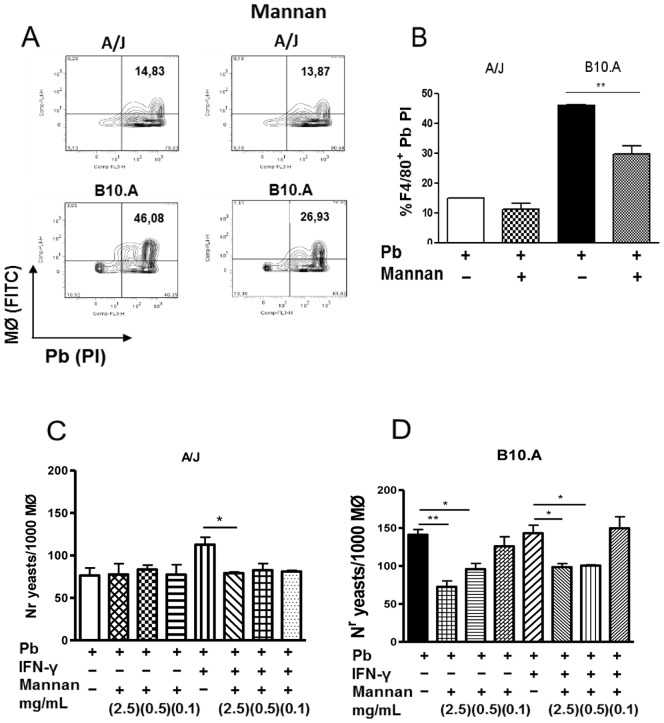
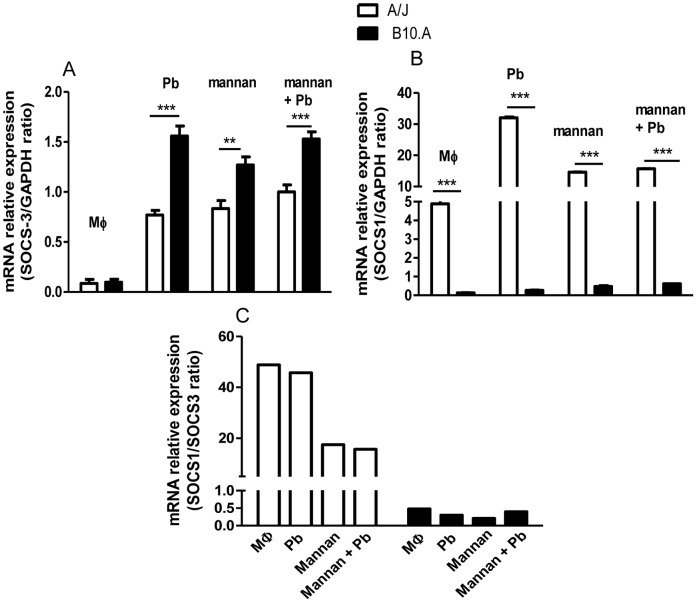
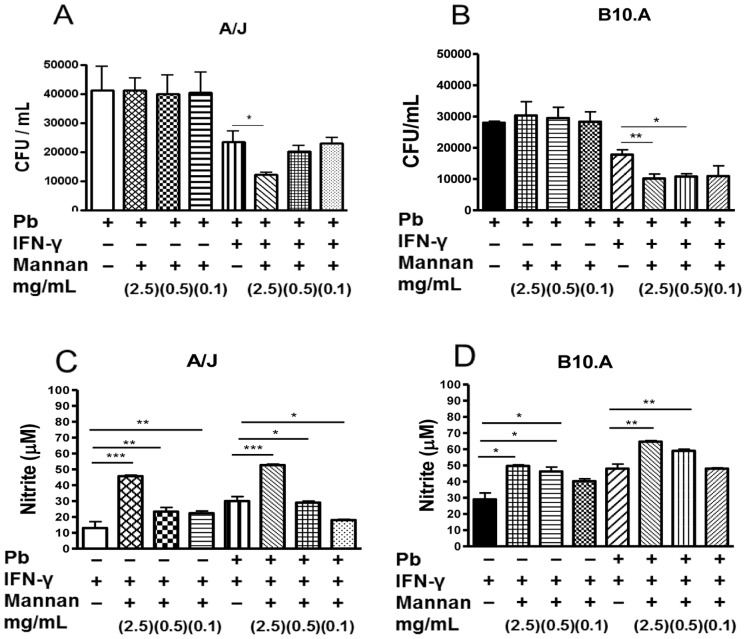
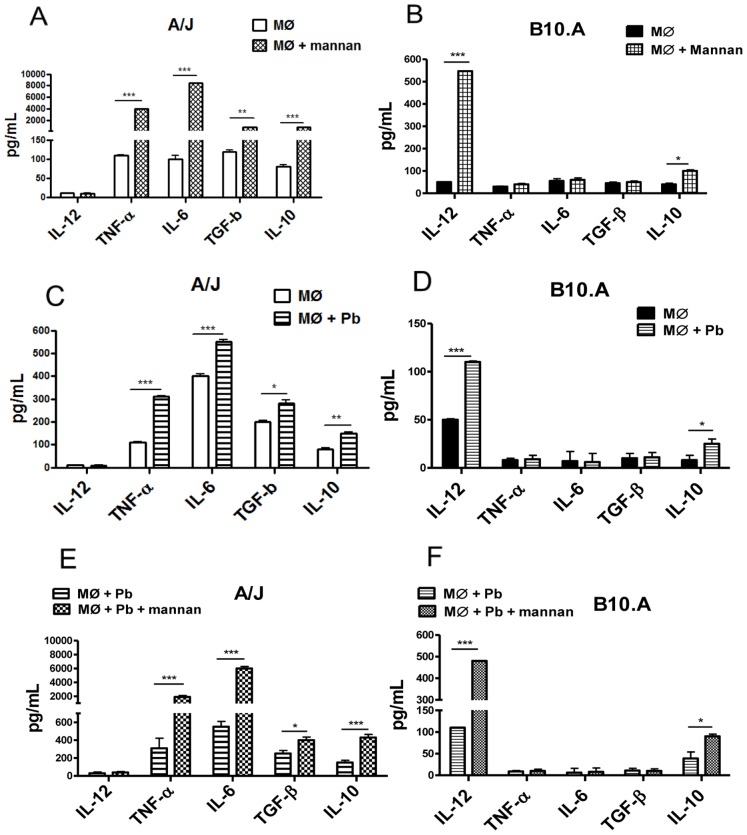
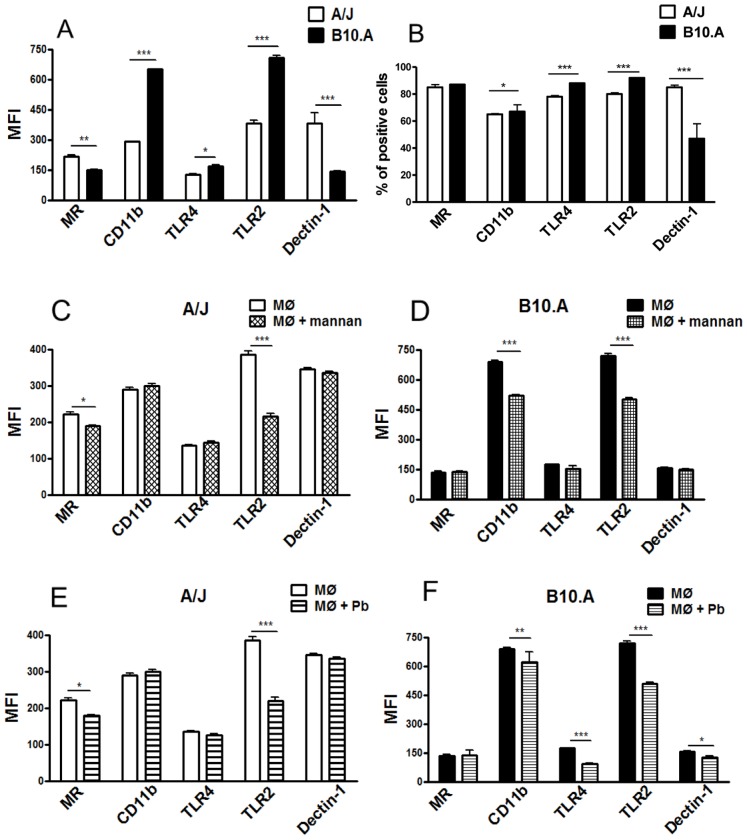
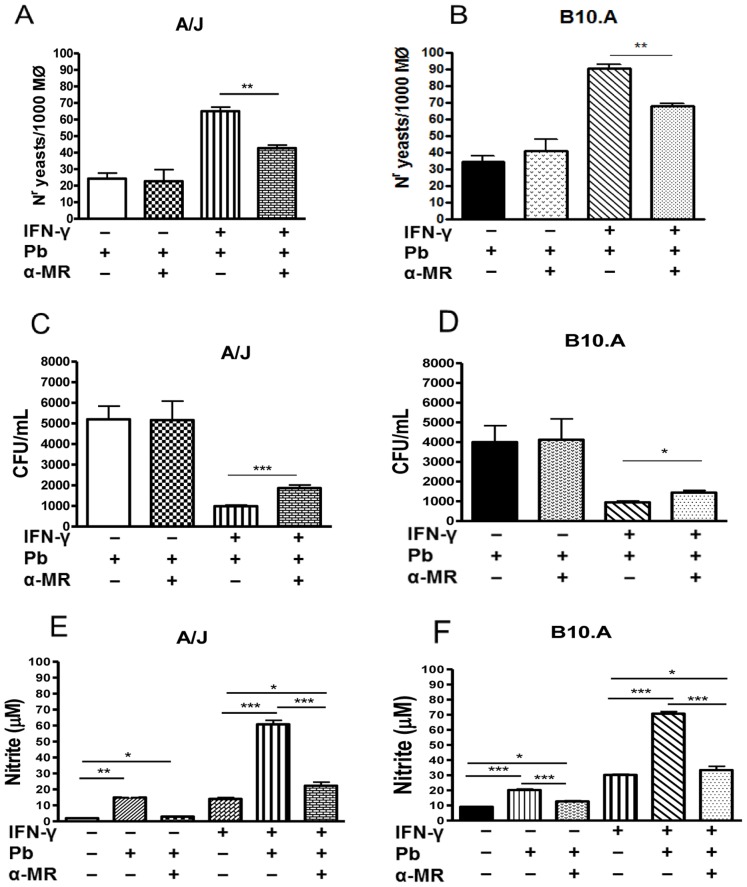
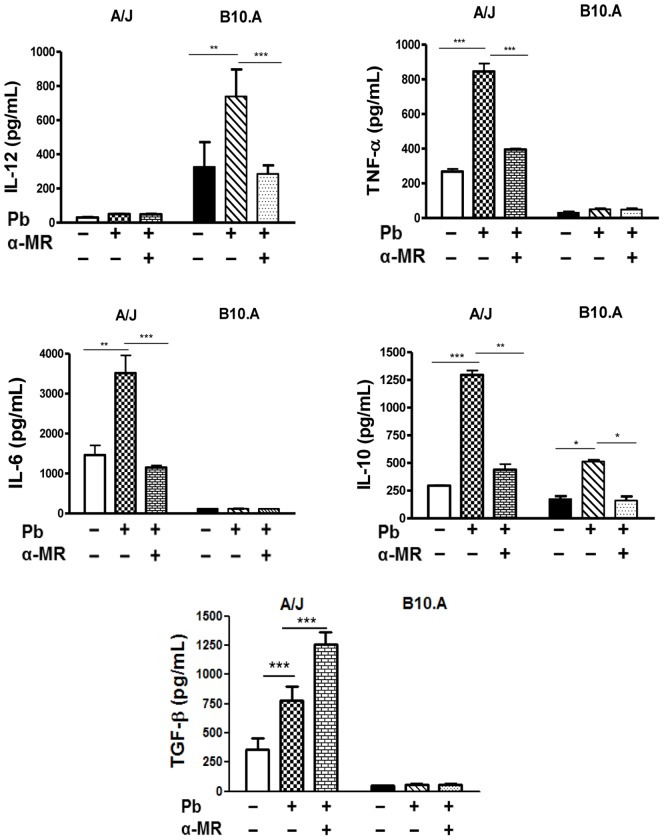
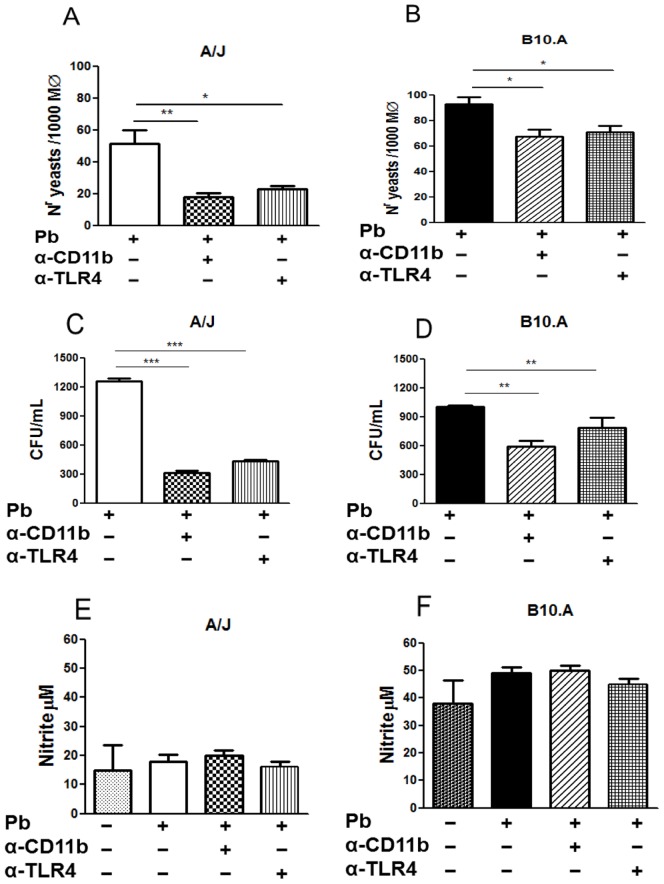
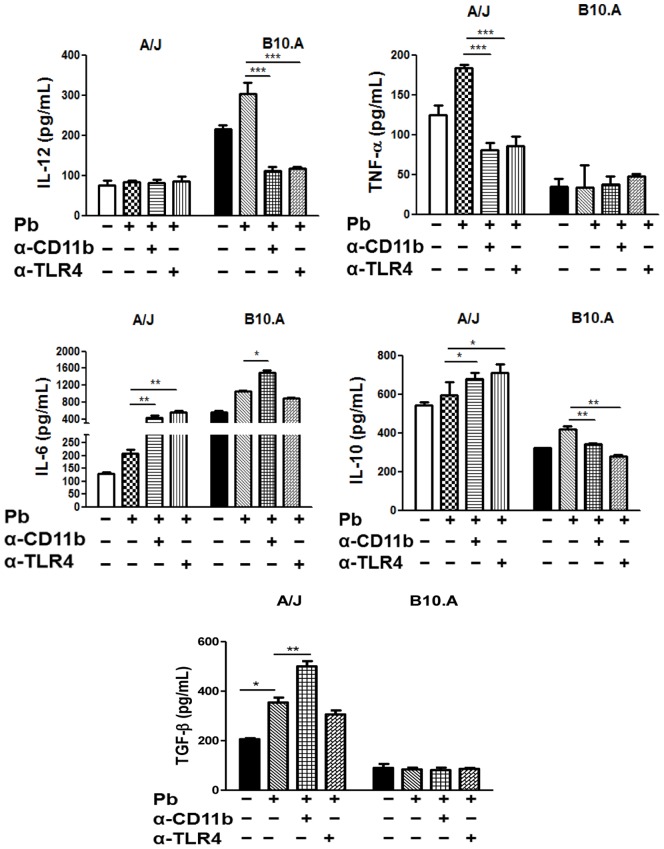
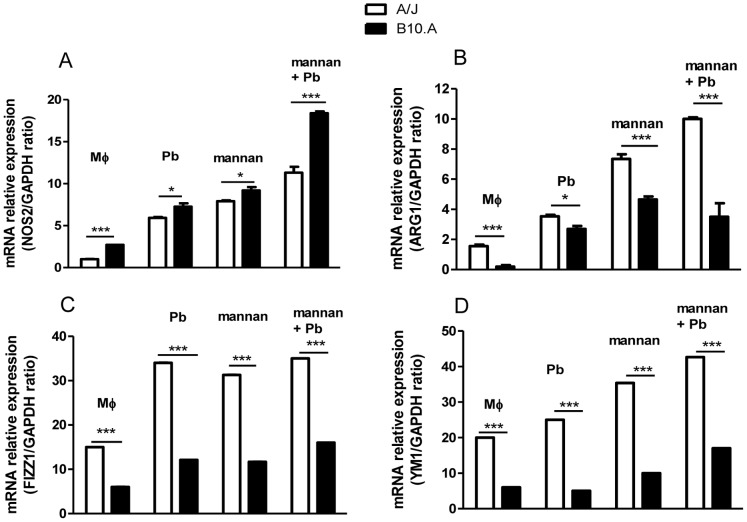
In addition to alpha1,3 glucan, mannan and mannan-linked proteins are expressed in the outer layer of Paracoccidioides brasiliensis yeasts. The recognition of mannosyl residues by multiple pathogen recognition receptors, such as the mannose receptor (MR), complement receptor 3 (CR3) and toll-like receptor 4 (TLR4) on macrophage membranes can influence macrophage activation and the mechanisms of innate immunity against fungal pathogens. The aim of this study was to clarify the role of these receptors in the interaction between P. brasiliensis and macrophages from resistant (A/J) and susceptible (B10.A) mice. Therefore, the phagocytic, fungicidal and secretory abilities of macrophages were evaluated in the presence of mannan and antibodies against MR, CR3 and TLR4. We verified that mannan increased and anti-MR antibody decreased the killing ability and nitric oxide production of macrophages. The specific blockade of MR, CR3 and TLR4 by monoclonal antibodies impaired fungal recognition and modulated the production of cytokines. Mannan or P. brasiliensis induced decreased expression of MR and TLR2 on A/J macrophages, whereas CR3, TLR4 and TLR2 were reduced on B10.A cells. Importantly, both mannan and P. brasiliensis induced the production of IL-12 by B10.A macrophages, whereas TGF-β, TNF-α and IL-6 were produced by A/J cells. In addition, B10.A macrophages exhibited a prevalent expression of inducible NO-synthase and SOCS3 (suppressor of cytokine signaling-3), indicating a pro-inflammatory, "M1-like" differentiation. In contrast, the elevated expression of arginase-1, found in inflammatory zone-1 (FIZZ1), YM1 (CHI313, chitinase-like lectin), and SOCS1, typical markers of alternatively activated macrophages, indicates a prevalent "M2-like" differentiation of A/J macrophages. In conclusion, our data reveal that several mannosyl-recognizing receptors coordinate the apparently paradoxical innate response to paracoccidioidomycosis, in which resistance is initially mediated by alternatively activated phagocytes and tolerance to fungal growth, whereas susceptibility is linked to classically activated macrophages and the efficient control of fungal growth.
除了α1,3 葡聚糖外,巴西副球孢子菌酵母的外层还表达甘露聚糖和与甘露聚糖相连的蛋白。甘露糖残基通过多种病原体识别受体(如巨噬细胞膜上的甘露糖受体 (MR)、补体受体 3 (CR3) 和 Toll 样受体 4 (TLR4))的识别,可影响巨噬细胞的激活和对真菌病原体固有免疫的机制。本研究的目的是阐明这些受体在巴西副球孢子菌与来自抗性 (A/J) 和易感 (B10.A) 小鼠的巨噬细胞相互作用中的作用。因此,在甘露聚糖和针对 MR、CR3 和 TLR4 的抗体存在的情况下,评估了巨噬细胞的吞噬、杀菌和分泌能力。我们验证了甘露聚糖增加和抗 MR 抗体减少了巨噬细胞的杀伤能力和一氧化氮的产生。用单克隆抗体特异性阻断 MR、CR3 和 TLR4 会损害真菌识别并调节细胞因子的产生。甘露聚糖或巴西副球孢子菌诱导 A/J 巨噬细胞上的 MR 和 TLR2 表达减少,而 B10.A 细胞上的 CR3、TLR4 和 TLR2 减少。重要的是,甘露聚糖和巴西副球孢子菌都诱导 B10.A 巨噬细胞产生 IL-12,而 TGF-β、TNF-α 和 IL-6 由 A/J 细胞产生。此外,B10.A 巨噬细胞表现出诱导型一氧化氮合酶和 SOCS3(细胞因子信号转导抑制剂 3)的高表达,表明促炎、“M1 样”分化。相反,在炎症区 1(FIZZ1)、YM1(CHI313,几丁质酶样凝集素)和 SOCS1 中发现的精氨酸酶-1 的高表达,这些是替代激活巨噬细胞的典型标志物,表明 A/J 巨噬细胞的“M2 样”分化占主导地位。总之,我们的数据表明,几种甘露糖识别受体协调了对副球孢子菌病的明显矛盾的固有反应,其中抗性最初由替代激活的吞噬细胞介导,对真菌生长的耐受性,而敏感性与经典激活的巨噬细胞和对真菌生长的有效控制有关。