Departments of Physiology and Cell Biology & Biomedical Engineering, Faculty of Health Sciences, Zlotowski Center for Neuroscience, Ben-Gurion University of the Negev, Beer-Sheva, Israel.
Fluids Barriers CNS. 2013 Feb 7;10(1):9. doi: 10.1186/2045-8118-10-9.
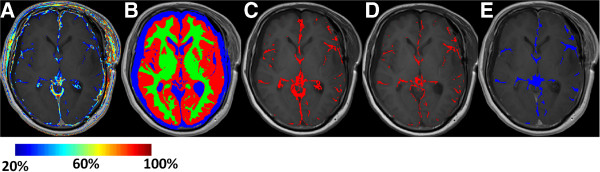
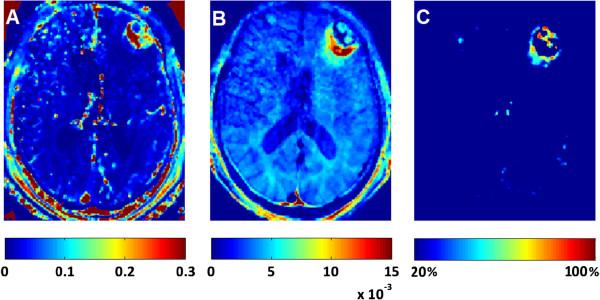
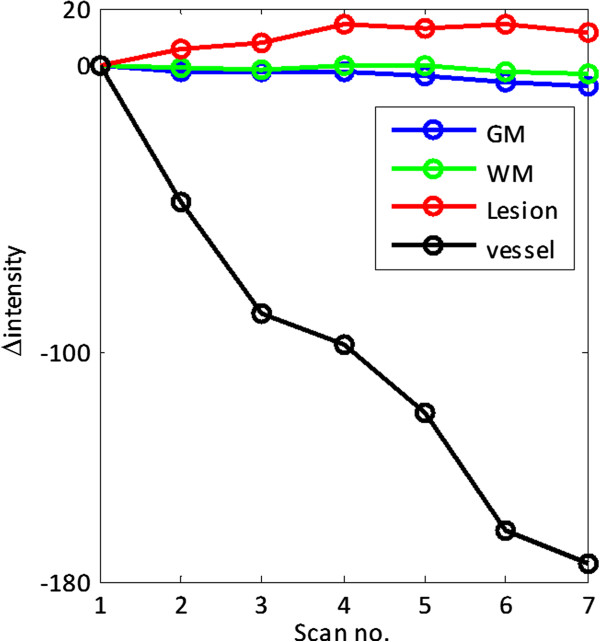
The blood-brain barrier (BBB) is a functional and structural barrier separating the intravascular and neuropil compartments of the brain. It characterizes the vascular bed and is essential for normal brain functions. Dysfunction in the BBB properties have been described in most common neurological disorders, such as stroke, traumatic injuries, intracerebral hemorrhage, tumors, epilepsy and neurodegenerative disorders. It is now obvious that the BBB plays an important role in normal brain activity, stressing the need for applicable imaging and assessment methods. Recent advancements in imaging techniques now make it possible to establish sensitive and quantitative methods for the assessment of BBB permeability. However, most of the existing techniques require complicated and demanding dynamic scanning protocols that are impractical and cannot be fulfilled in some cases. We review existing methods for the evaluation of BBB permeability, focusing on quantitative magnetic resonance-based approaches and discuss their drawbacks and limitations. In light of those limitations we propose two new approaches for BBB assessment with less demanding imaging sequences: the "post-pre" and the "linear dynamic" methods, both allow semi-quantitative permeability assessment and localization of dysfunctional BBB with simple/partial dynamic imaging protocols and easy-to-apply analysis algorithms. We present preliminary results and show an example which compares these new methods with the existing standard assessment method. We strongly believe that the establishment of such "easy to use" and reliable imaging methods is essential before BBB assessment can become a routine clinical tool. Large clinical trials are awaited to fully understand the significance of BBB permeability as a biomarker and target for treatment in neurological disorders.
血脑屏障 (BBB) 是分隔血管腔和神经间质的功能性和结构性屏障。它是血管床的特征,对正常脑功能至关重要。大多数常见的神经疾病,如中风、创伤性损伤、脑出血、肿瘤、癫痫和神经退行性疾病,都描述了 BBB 功能障碍。现在很明显,BBB 在正常大脑活动中起着重要作用,这强调了需要适用的成像和评估方法。成像技术的最新进展现在使得评估 BBB 通透性的敏感和定量方法成为可能。然而,大多数现有技术都需要复杂且苛刻的动态扫描方案,这些方案在某些情况下不切实际且无法实施。我们回顾了评估 BBB 通透性的现有方法,重点介绍基于定量磁共振的方法,并讨论了它们的缺点和局限性。鉴于这些局限性,我们提出了两种新的 BBB 评估方法,这些方法需要较少的成像序列:“post-pre”和“线性动态”方法,这两种方法都允许使用简单/部分动态成像方案和易于应用的分析算法进行半定量通透性评估和功能障碍 BBB 的定位。我们提出了初步结果,并展示了一个示例,将这些新方法与现有的标准评估方法进行了比较。我们坚信,在 BBB 评估能够成为常规临床工具之前,建立这种“易于使用”且可靠的成像方法至关重要。需要进行大型临床试验,以充分了解 BBB 通透性作为神经疾病的生物标志物和治疗靶点的意义。