Department of Osteology and Biomechanics, University Medical Center Hamburg Eppendorf, Hamburg 20246, Germany.
J Cell Biol. 2013 Feb 18;200(4):537-49. doi: 10.1083/jcb.201207142. Epub 2013 Feb 11.
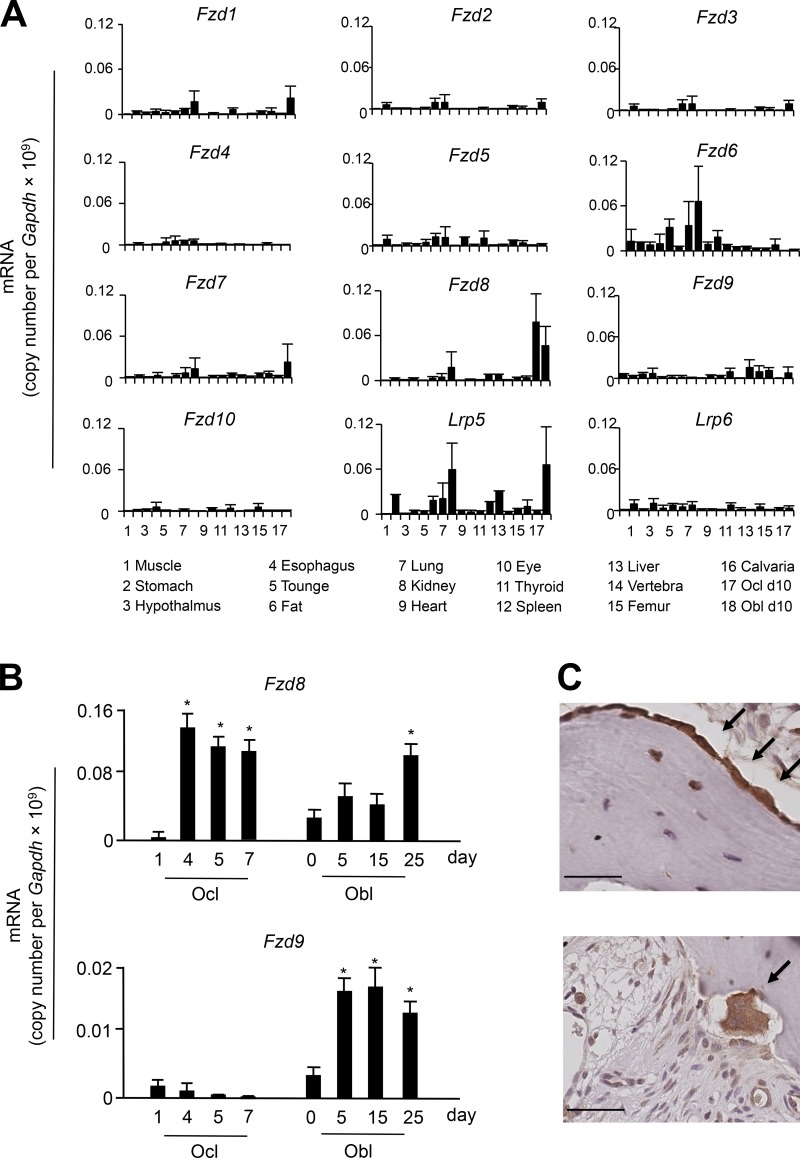
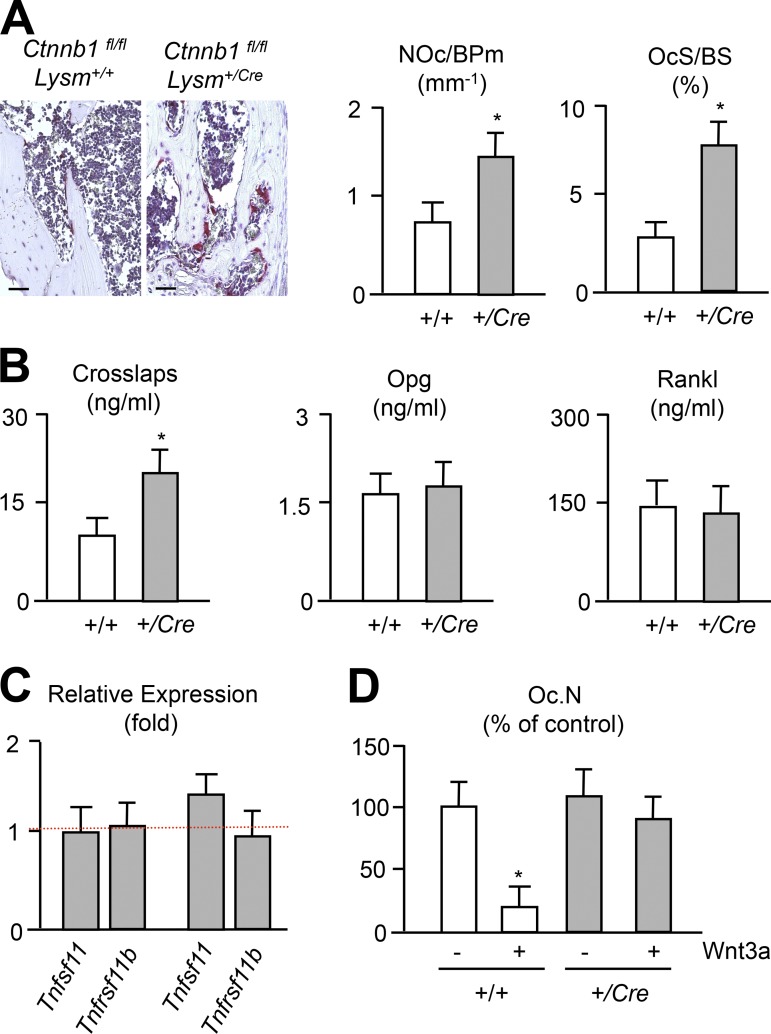
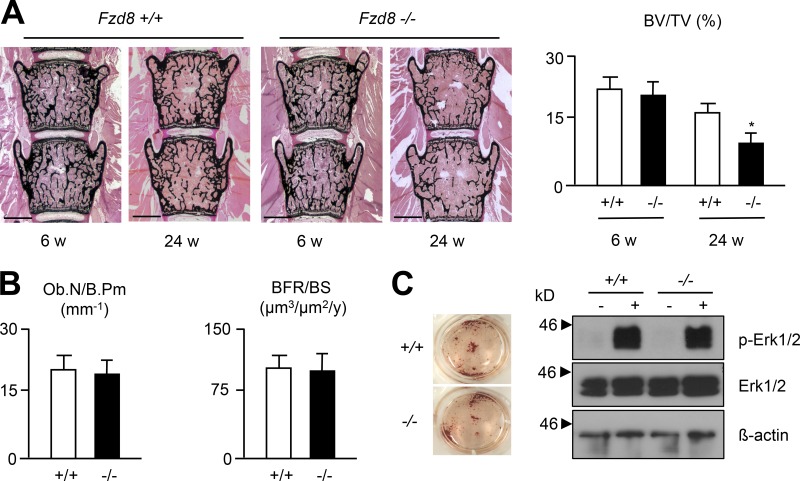
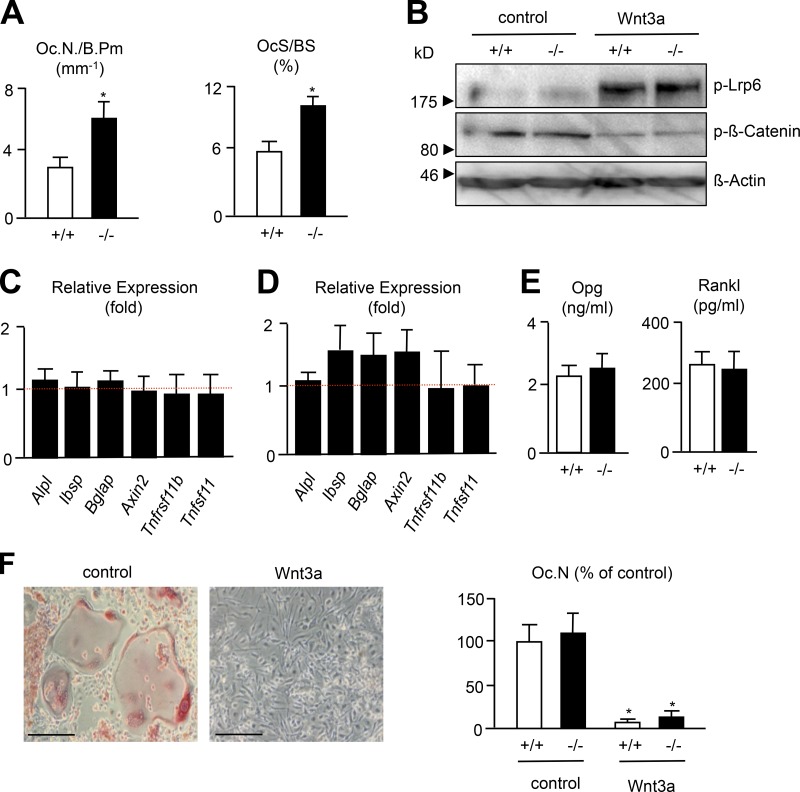
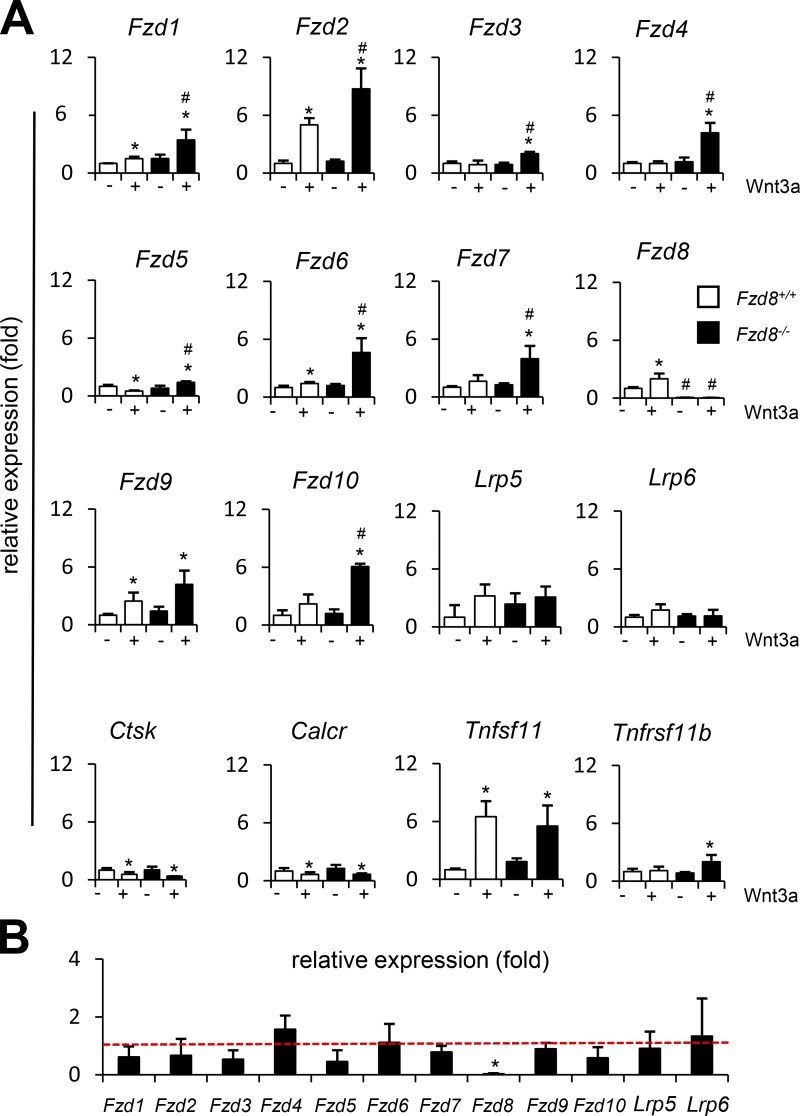
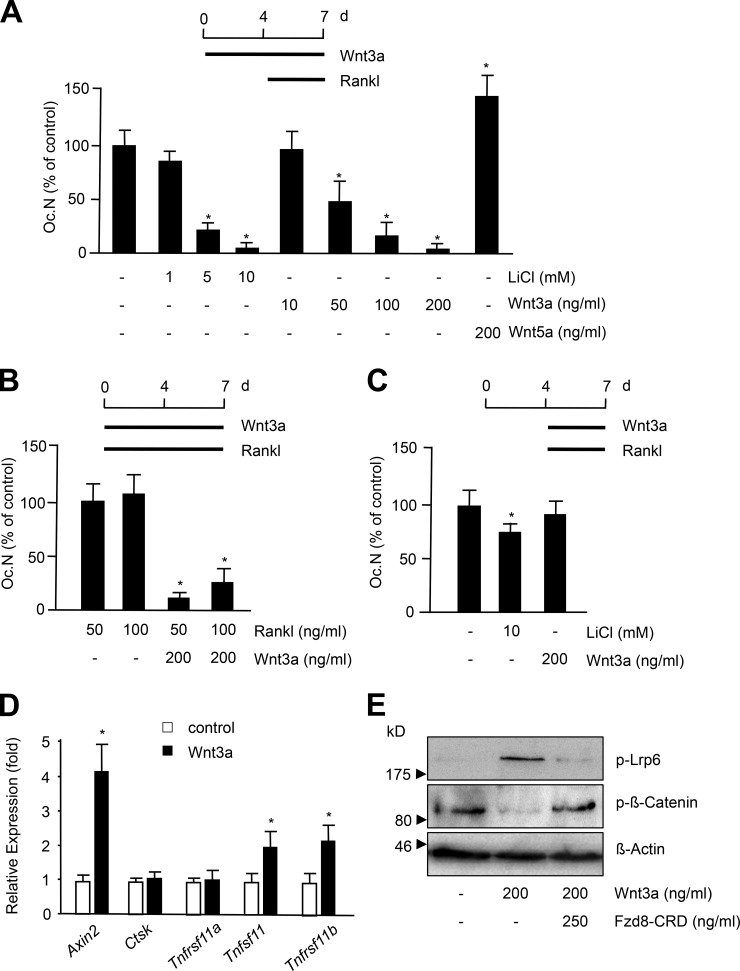
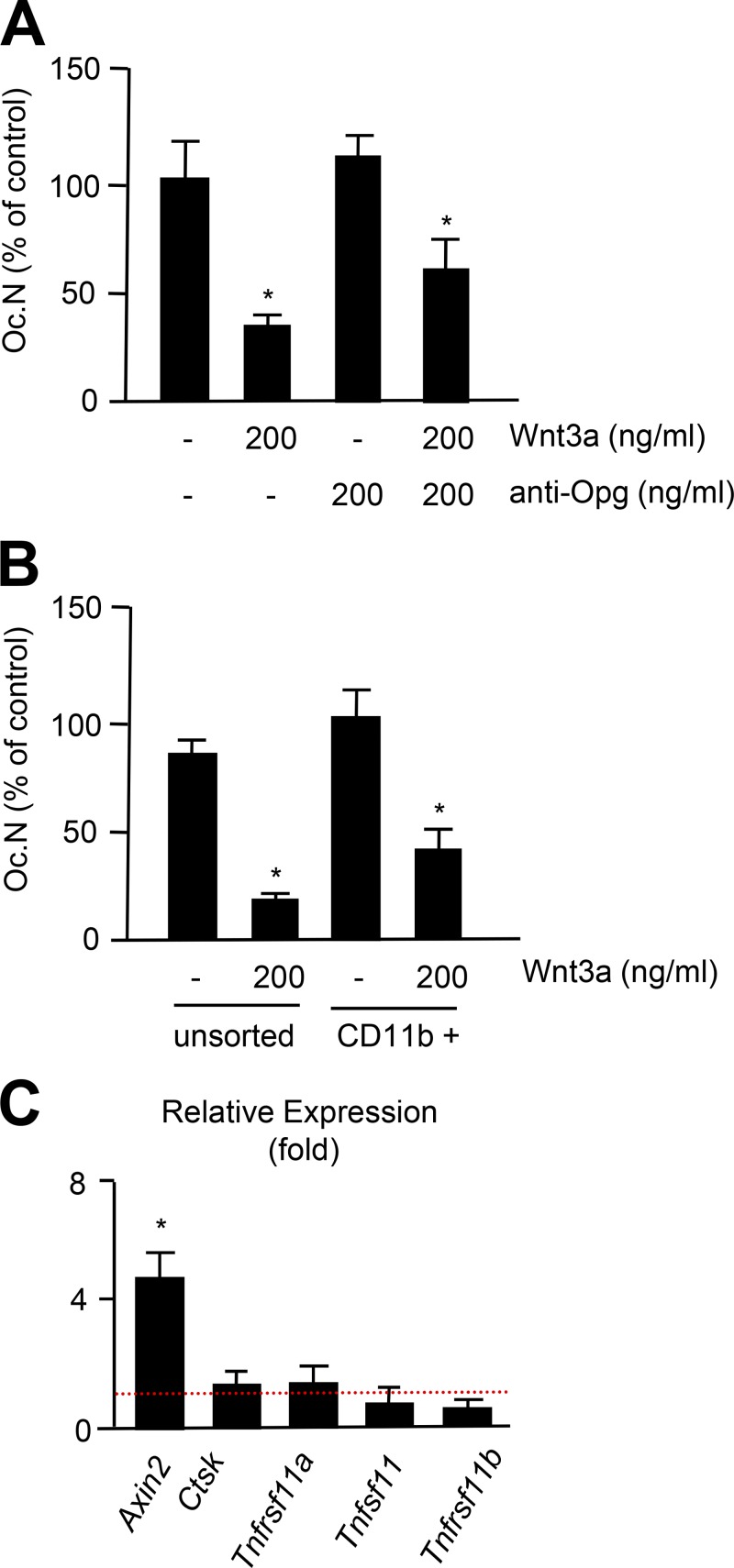
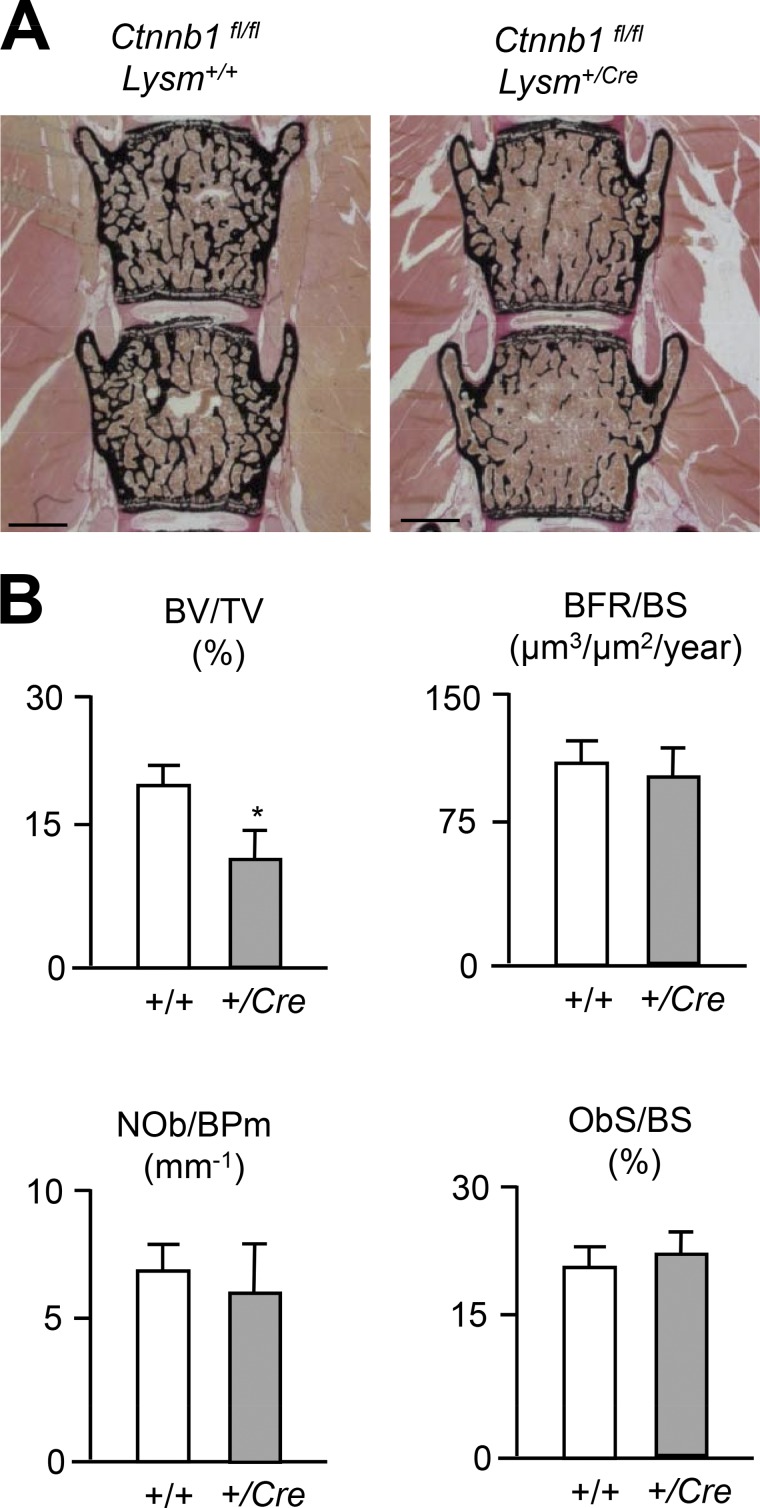
Although Wnt signaling is considered a key regulatory pathway for bone formation, inactivation of β-catenin in osteoblasts does not affect their activity but rather causes increased osteoclastogenesis due to insufficient production of osteoprotegerin (Opg). By monitoring the expression pattern of all known genes encoding Wnt receptors in mouse tissues and bone cells we identified Frizzled 8 (Fzd8) as a candidate regulator of bone remodeling. Fzd8-deficient mice displayed osteopenia with normal bone formation and increased osteoclastogenesis, but this phenotype was not associated with impaired Wnt signaling or Opg production by osteoblasts. The deduced direct negative influence of canonical Wnt signaling on osteoclastogenesis was confirmed in vitro and through the generation of mice lacking β-catenin in the osteoclast lineage. Here, we observed increased bone resorption despite normal Opg production and a resistance to the anti-osteoclastogenic effect of Wnt3a. These results demonstrate that Fzd8 and β-catenin negatively regulate osteoclast differentiation independent of osteoblasts and that canonical Wnt signaling controls bone resorption by two different mechanisms.
虽然 Wnt 信号被认为是骨形成的关键调节途径,但成骨细胞中β-catenin 的失活并不影响其活性,而是由于骨保护素(Opg)的产生不足导致破骨细胞生成增加。通过监测小鼠组织和骨细胞中所有已知编码 Wnt 受体的基因的表达模式,我们鉴定出卷曲蛋白 8(Fzd8)是骨重塑的候选调节剂。Fzd8 缺陷小鼠表现出骨质疏松症,伴有正常的骨形成和破骨细胞生成增加,但这种表型与成骨细胞中 Wnt 信号或 Opg 产生受损无关。在体外和通过生成破骨细胞谱系中缺乏β-catenin 的小鼠,证实了经典 Wnt 信号对破骨细胞生成的直接负向影响。在这里,我们观察到尽管 Opg 产生正常,但骨吸收增加,并且对 Wnt3a 的抗破骨细胞生成作用具有抗性。这些结果表明,Fzd8 和β-catenin 独立于成骨细胞负调节破骨细胞分化,并且经典 Wnt 信号通过两种不同的机制控制骨吸收。