Servicio de Microbiología, Hospital Universitario Ramón y Cajal Madrid, Spain ; Centros de Investigación Biomédica en Red en Epidemiología y Salud Pública, Instituto Ramón y Cajal de Investigación Sanitaria Madrid, Spain ; Unidad de Resistencia a Antibióticos y Virulencia Bacteriana Asociada al Consejo Superior de Investigaciones Científicas Madrid, Spain.
Front Microbiol. 2013 Feb 8;4:9. doi: 10.3389/fmicb.2013.00009. eCollection 2013.
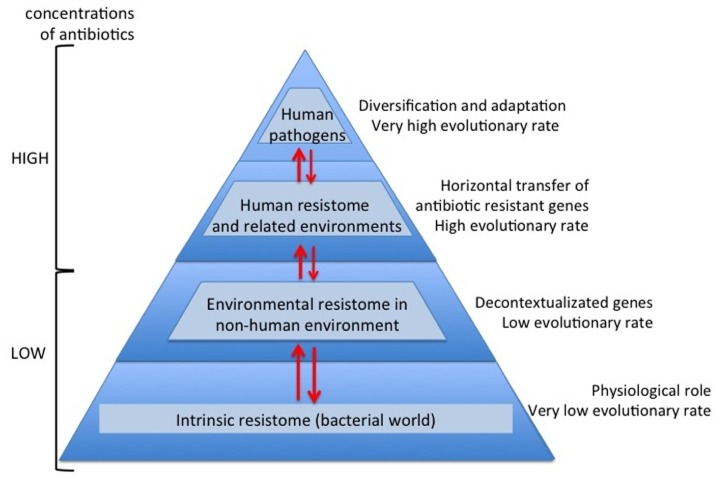
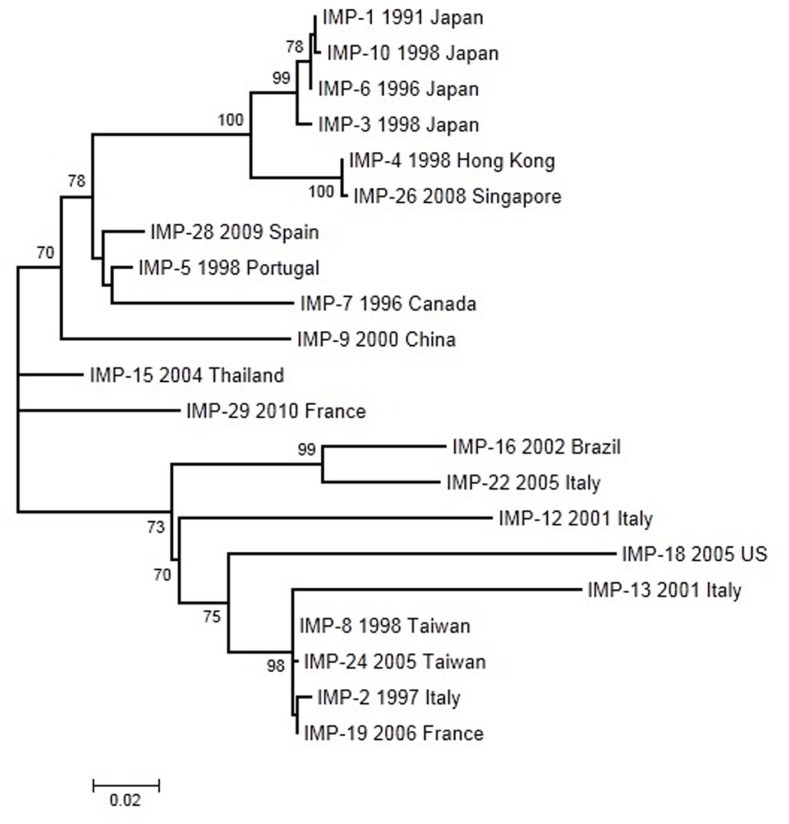
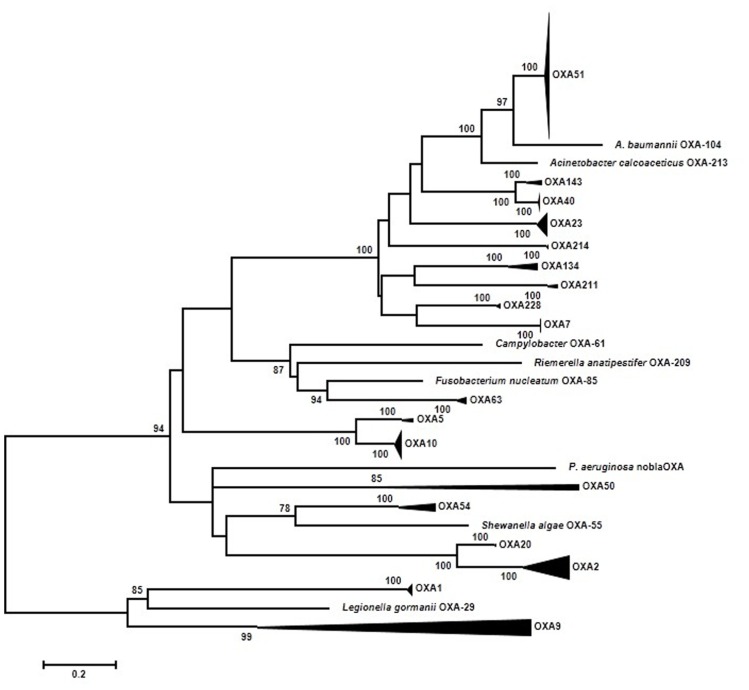
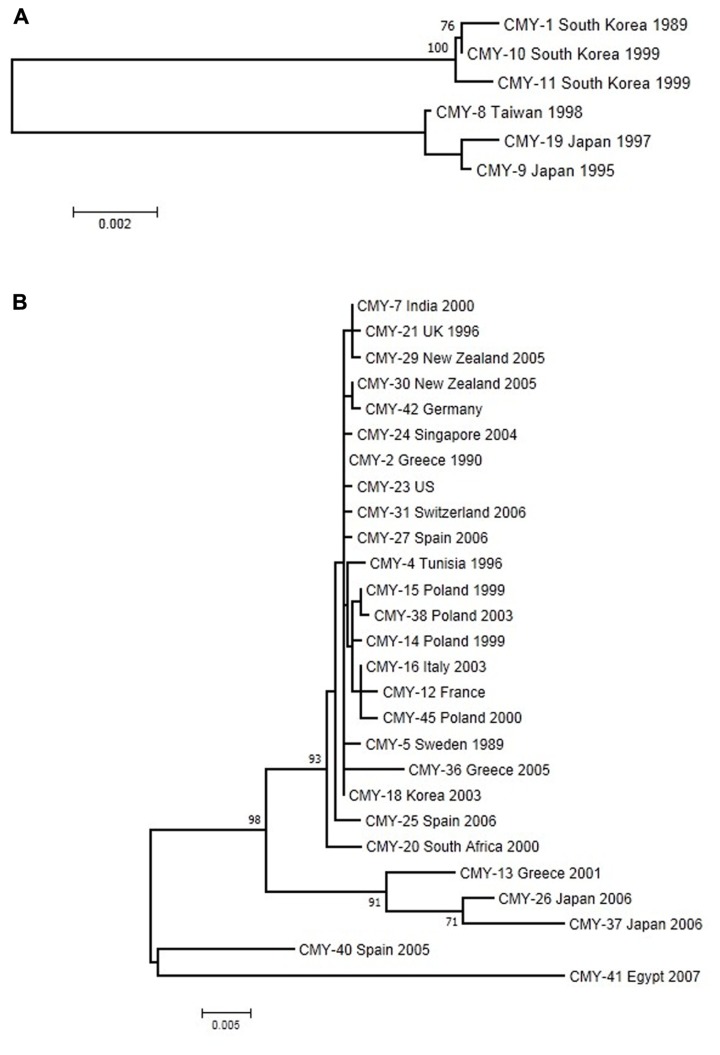
Antibiotics and antibiotic resistance determinants, natural molecules closely related to bacterial physiology and consistent with an ancient origin, are not only present in antibiotic-producing bacteria. Throughput sequencing technologies have revealed an unexpected reservoir of antibiotic resistance in the environment. These data suggest that co-evolution between antibiotic and antibiotic resistance genes has occurred since the beginning of time. This evolutionary race has probably been slow because of highly regulated processes and low antibiotic concentrations. Therefore to understand this global problem, a new variable must be introduced, that the antibiotic resistance is a natural event, inherent to life. However, the industrial production of natural and synthetic antibiotics has dramatically accelerated this race, selecting some of the many resistance genes present in nature and contributing to their diversification. One of the best models available to understand the biological impact of selection and diversification are β-lactamases. They constitute the most widespread mechanism of resistance, at least among pathogenic bacteria, with more than 1000 enzymes identified in the literature. In the last years, there has been growing concern about the description, spread, and diversification of β-lactamases with carbapenemase activity and AmpC-type in plasmids. Phylogenies of these enzymes help the understanding of the evolutionary forces driving their selection. Moreover, understanding the adaptive potential of β-lactamases contribute to exploration the evolutionary antagonists trajectories through the design of more efficient synthetic molecules. In this review, we attempt to analyze the antibiotic resistance problem from intrinsic and environmental resistomes to the adaptive potential of resistance genes and the driving forces involved in their diversification, in order to provide a global perspective of the resistance problem.
抗生素和抗生素耐药决定因素,这些与细菌生理学密切相关且具有古老起源的天然分子,不仅存在于产生抗生素的细菌中。高通量测序技术揭示了环境中抗生素耐药性的意外储存库。这些数据表明,抗生素和抗生素耐药基因之间的共同进化自远古以来就已经发生。由于高度调控的过程和低浓度的抗生素,这种进化竞赛可能一直很缓慢。因此,要理解这个全球性问题,必须引入一个新的变量,即抗生素耐药性是一种自然事件,是生命固有的。然而,天然和合成抗生素的工业生产极大地加速了这场竞赛,选择了自然界中存在的许多耐药基因中的一些,并促进了它们的多样化。β-内酰胺酶是可用的理解选择和多样化的生物学影响的最佳模型之一。它们构成了至少在致病菌中最广泛的耐药机制,文献中已经鉴定出超过 1000 种酶。近年来,人们越来越关注具有碳青霉烯酶活性和 AmpC 型的β-内酰胺酶在质粒中的描述、传播和多样化。这些酶的系统发育有助于理解推动它们选择的进化力量。此外,了解β-内酰胺酶的适应潜力有助于通过设计更有效的合成分子来探索进化拮抗物的轨迹。在这篇综述中,我们试图从内在和环境耐药组分析抗生素耐药问题,以及耐药基因的适应潜力和涉及它们多样化的驱动因素,以便提供对抗生素耐药问题的全局视角。