Department of Physiology and Graduate Institute of Basic Medical Science, School of Medicine, College of Medicine, China Medical University, Taichung, Taiwan.
PLoS One. 2013;8(2):e54374. doi: 10.1371/journal.pone.0054374. Epub 2013 Feb 6.
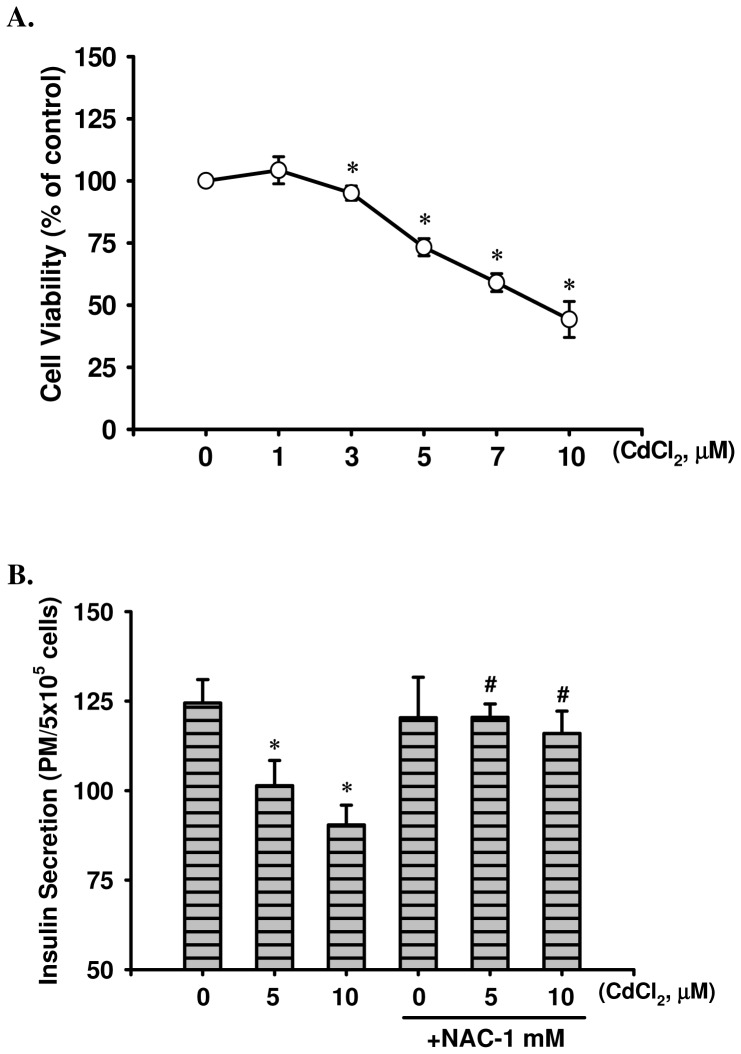
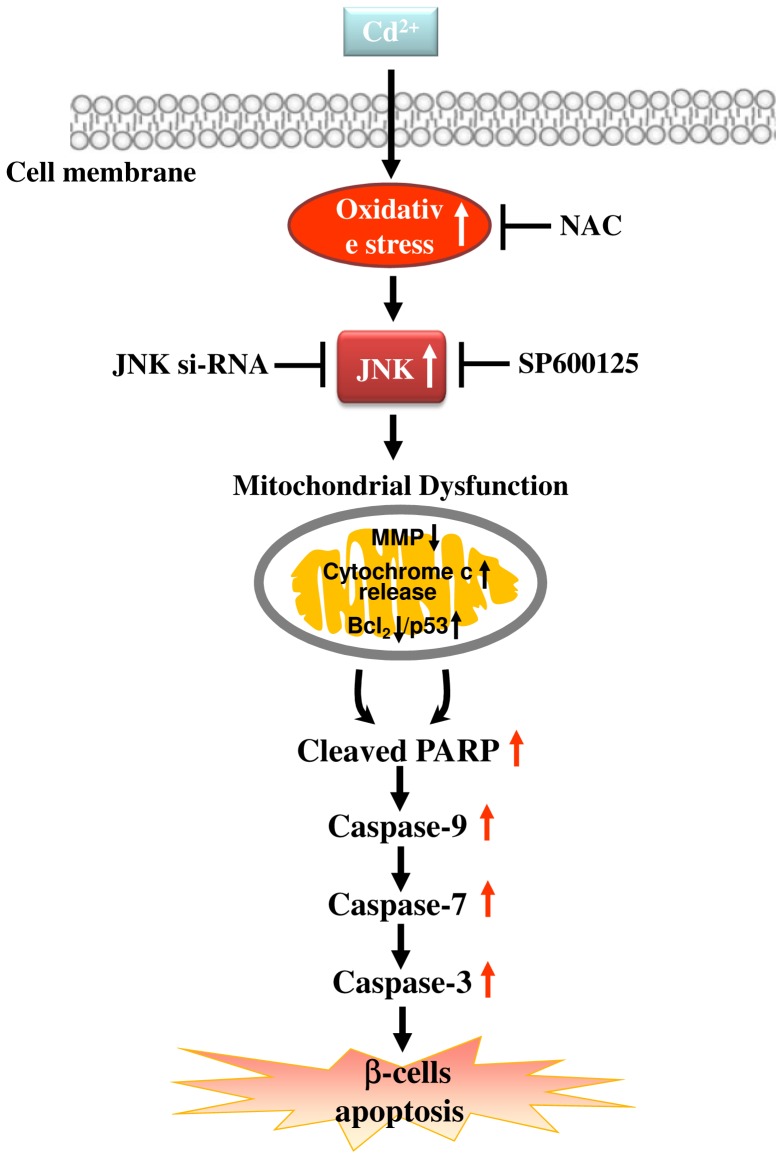
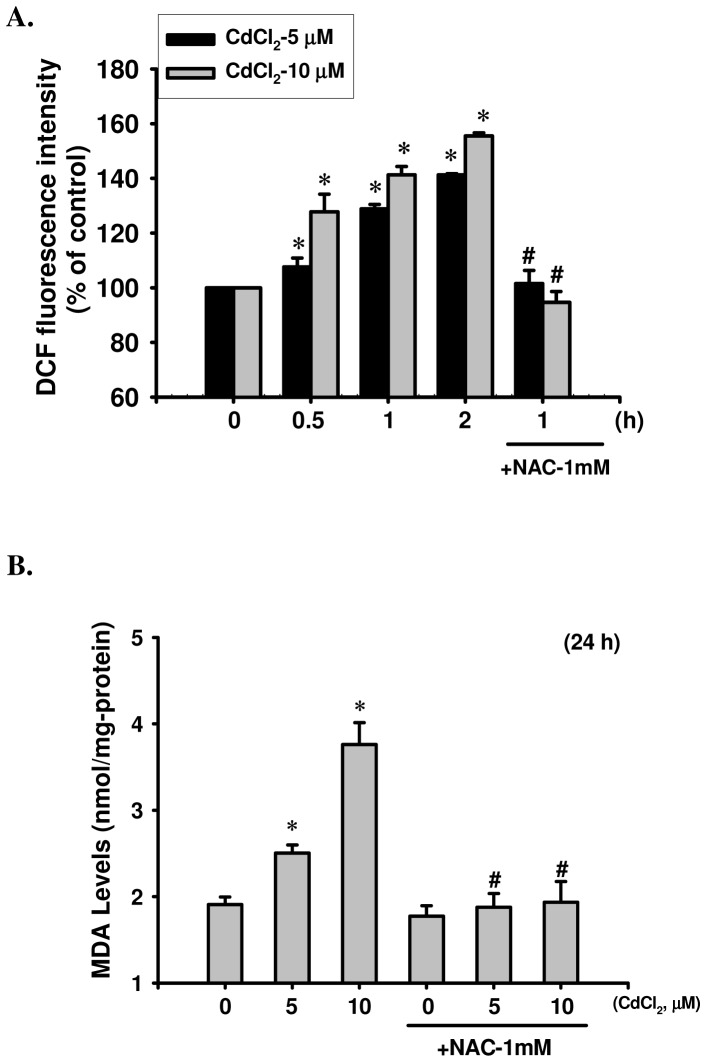
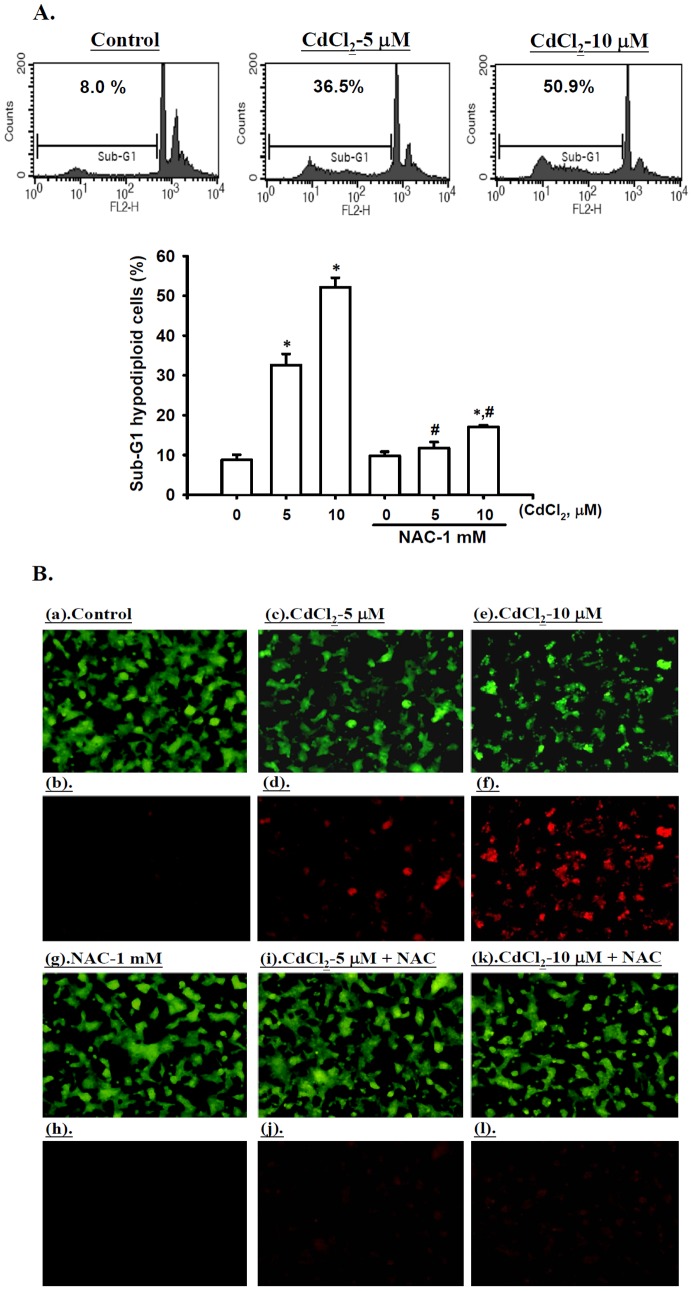
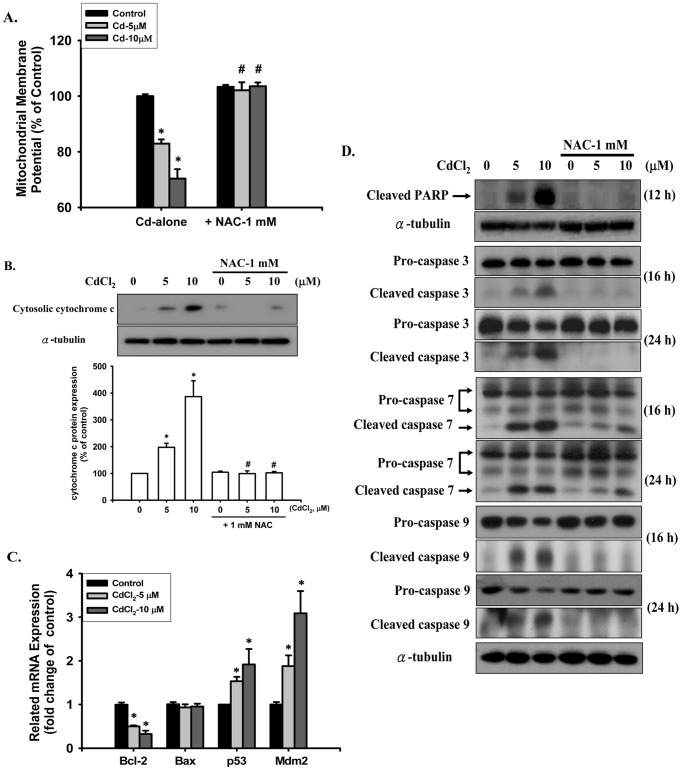
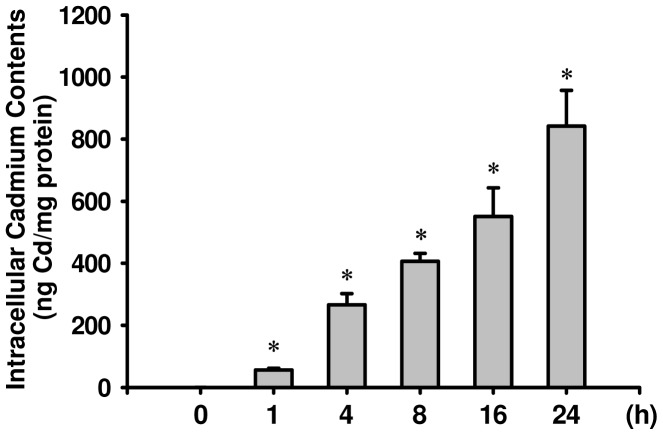
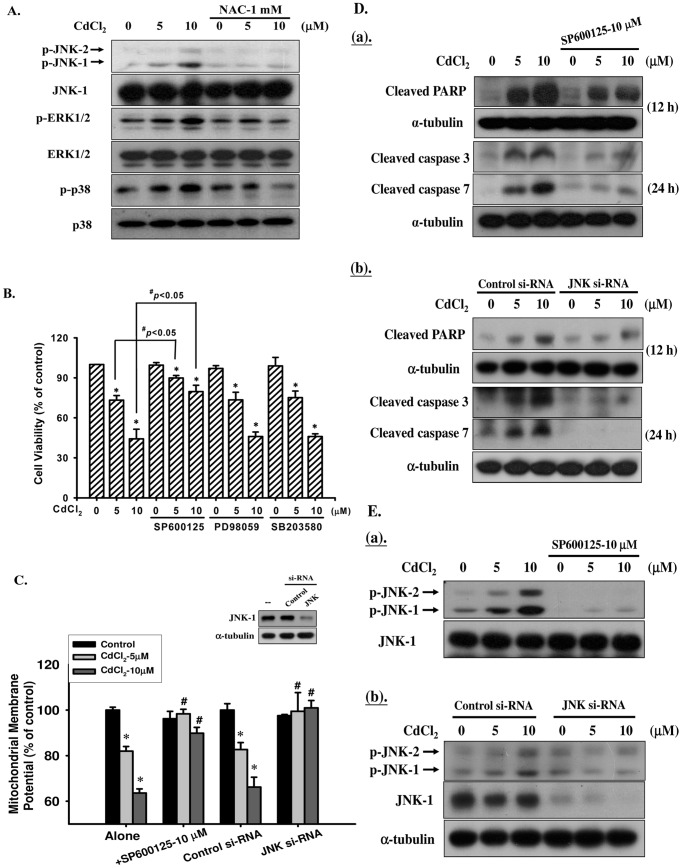
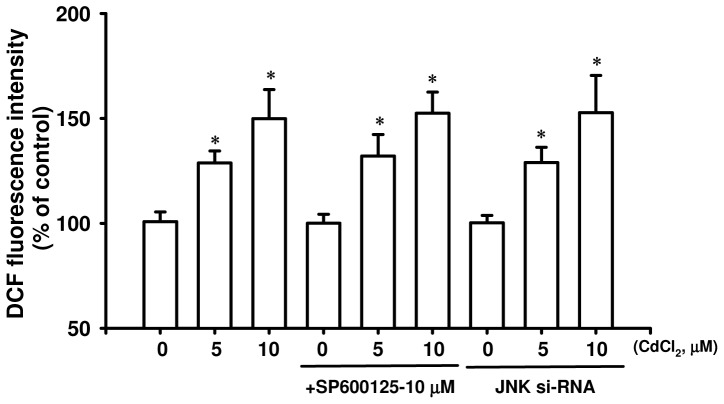
Cadmium (Cd), one of well-known highly toxic environmental and industrial pollutants, causes a number of adverse health effects and diseases in humans. The growing epidemiological studies have suggested a possible link between Cd exposure and diabetes mellitus (DM). However, the toxicological effects and underlying mechanisms of Cd-induced pancreatic β-cell injury are still unknown. In this study, we found that Cd significantly decreased cell viability, and increased sub-G1 hypodiploid cells and annexin V-Cy3 binding in pancreatic β-cell-derived RIN-m5F cells. Cd also increased intracellular reactive oxygen species (ROS) generation and malondialdehyde (MDA) production and induced mitochondrial dysfunction (the loss of mitochondrial membrane potential (MMP) and the increase of cytosolic cytochrome c release), the decreased Bcl-2 expression, increased p53 expression, poly (ADP-ribose) polymerase (PARP) cleavage, and caspase cascades, which accompanied with intracellular Cd accumulation. Pretreatment with the antioxidant N-acetylcysteine (NAC) effectively reversed these Cd-induced events. Furthermore, exposure to Cd induced the phosphorylations of c-jun N-terminal kinases (JNK), extracellular signal-regulated kinases (ERK)1/2, and p38-mitogen-activated protein kinase (MAPK), which was prevented by NAC. Additionally, the specific JNK inhibitor SP600125 or JNK-specific small interference RNA (si-RNA) transfection suppressed Cd-induced β-cell apoptosis and related signals, but not ERK1/2 and p38-MAPK inhibitors (PD98059 and SB203580) did not. However, the JNK inhibitor or JNK-specific si-RNA did not suppress ROS generation in Cd-treated cells. These results indicate that Cd induces pancreatic β-cell death via an oxidative stress downstream-mediated JNK activation-triggered mitochondria-regulated apoptotic pathway.
镉 (Cd) 是一种众所周知的高度毒性环境和工业污染物,会对人类健康造成许多不良影响和疾病。越来越多的流行病学研究表明,Cd 暴露与糖尿病 (DM) 之间可能存在关联。然而,Cd 诱导的胰腺β细胞损伤的毒理学效应和潜在机制尚不清楚。在这项研究中,我们发现 Cd 显著降低了胰岛β细胞衍生的 RIN-m5F 细胞的活力,增加了亚 G1 低二倍体细胞和 Annexin V-Cy3 结合。Cd 还增加了细胞内活性氧 (ROS) 的产生和丙二醛 (MDA) 的产生,并诱导了线粒体功能障碍 (线粒体膜电位 (MMP) 的丧失和胞浆细胞色素 c 释放的增加)、Bcl-2 表达的减少、p53 表达的增加、多聚 (ADP-核糖) 聚合酶 (PARP) 切割和半胱天冬酶级联反应,同时伴随着细胞内 Cd 积累。抗氧化剂 N-乙酰半胱氨酸 (NAC) 的预处理有效逆转了这些 Cd 诱导的事件。此外,暴露于 Cd 诱导 c-jun N-末端激酶 (JNK)、细胞外信号调节激酶 (ERK)1/2 和 p38-丝裂原激活蛋白激酶 (p38-MAPK) 的磷酸化,而 NAC 则阻止了这一过程。此外,特异性 JNK 抑制剂 SP600125 或 JNK 特异性小干扰 RNA (si-RNA) 转染抑制了 Cd 诱导的β细胞凋亡及相关信号,但 ERK1/2 和 p38-MAPK 抑制剂 (PD98059 和 SB203580) 则没有。然而,JNK 抑制剂或 JNK 特异性 si-RNA 并不能抑制 Cd 处理细胞中的 ROS 生成。这些结果表明,Cd 通过氧化应激下游介导的 JNK 激活触发的线粒体调节的凋亡途径诱导胰腺β细胞死亡。