Department of Chemistry, National Sun Yat-Sen University, Kaohsiung, 70 Lien-Hai Road, 80424, Taiwan.
Sci Rep. 2013;3:1260. doi: 10.1038/srep01260. Epub 2013 Feb 12.
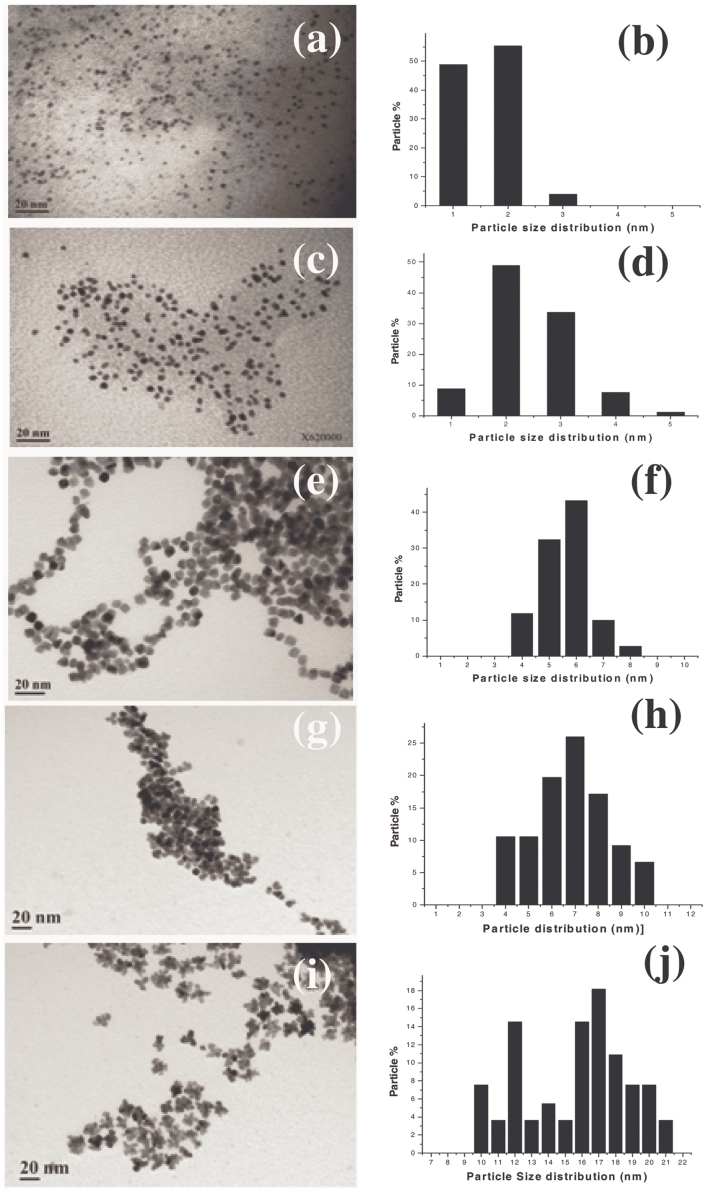
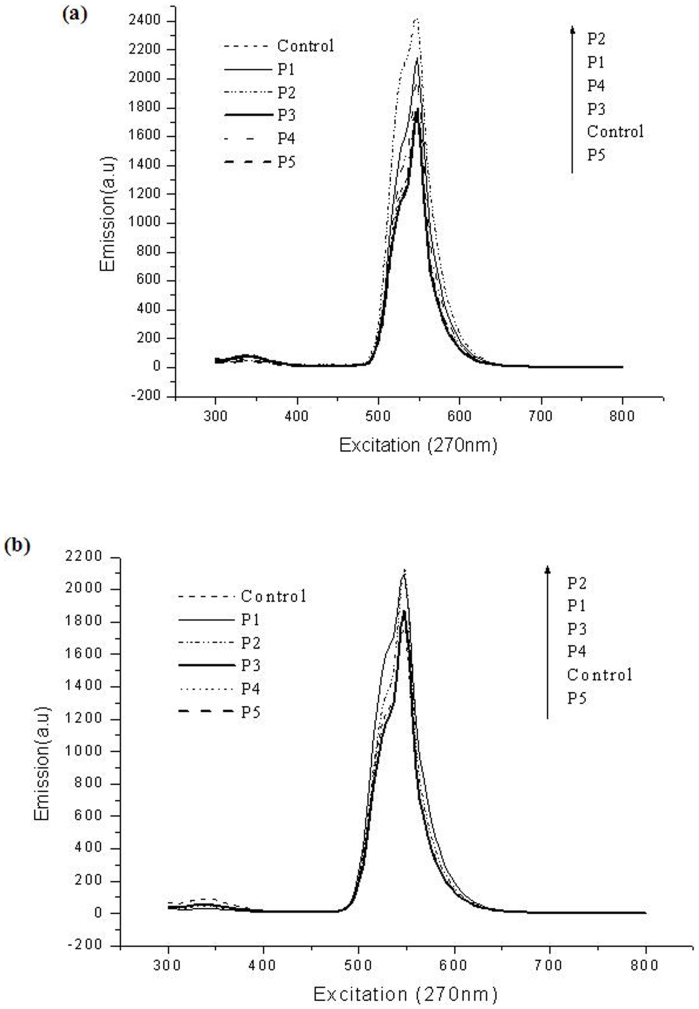
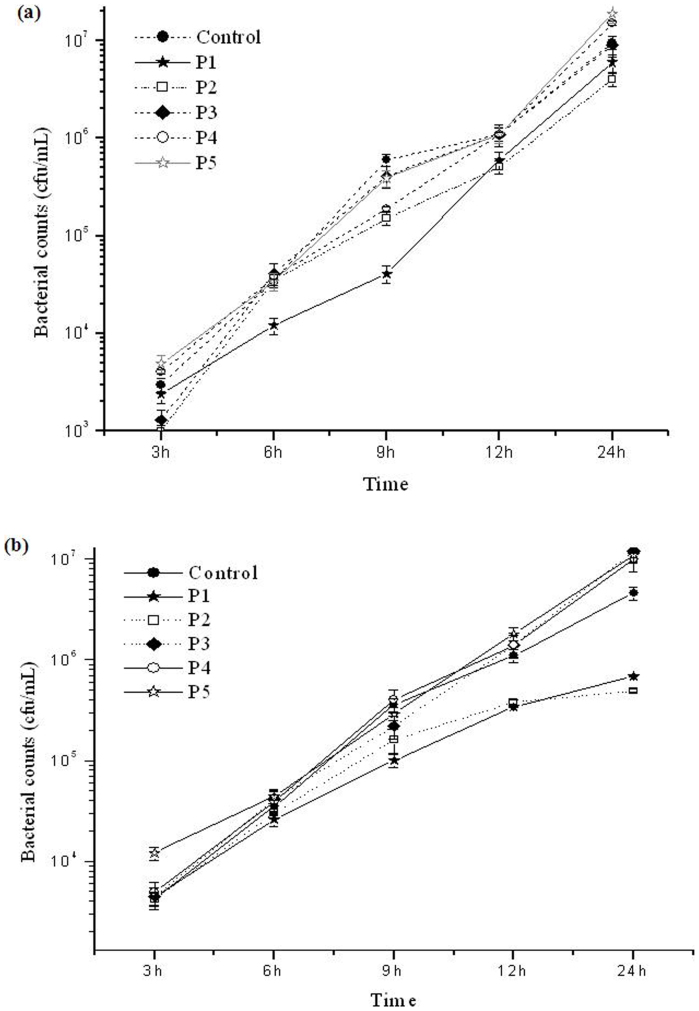
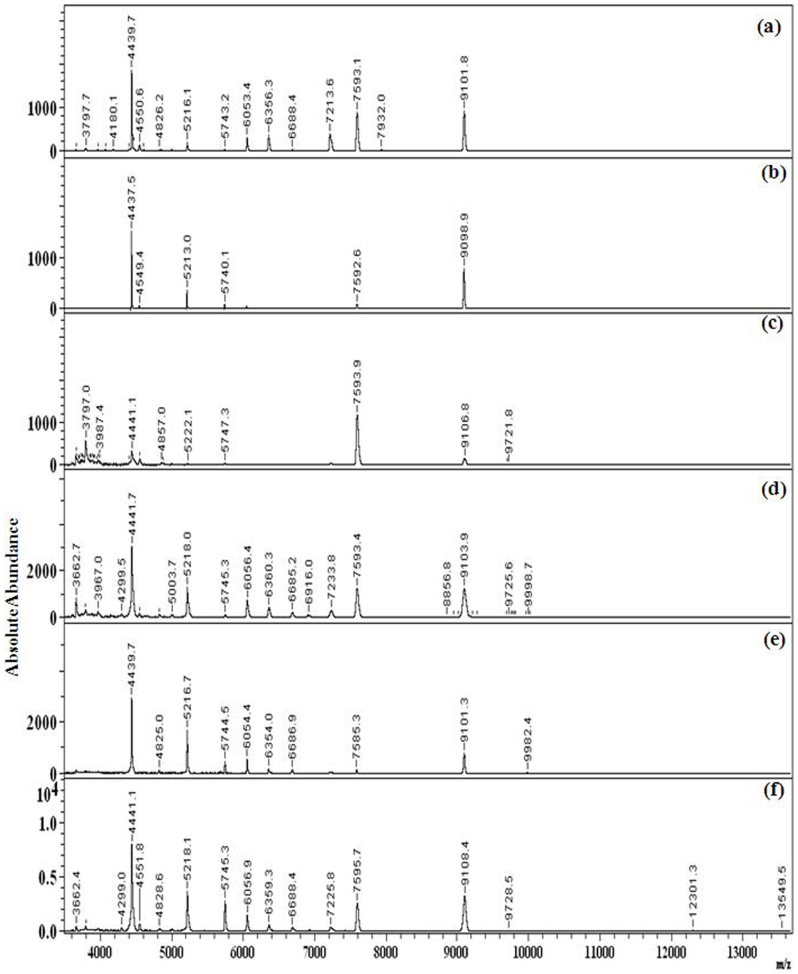
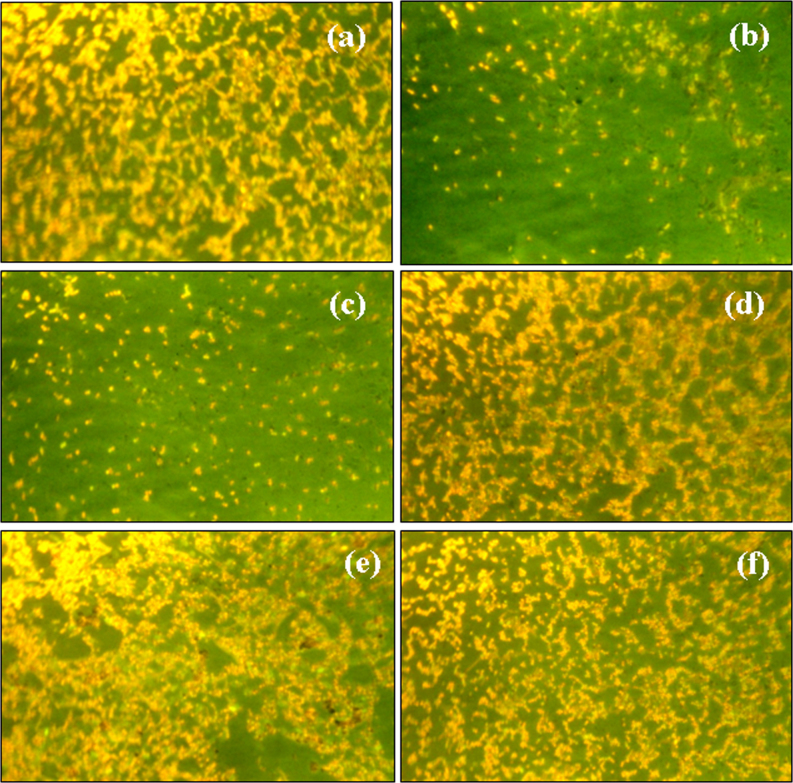
For the first time, we have investigated the bacterial toxicity or compatibility properties of Pt nanoparticles (NPs) with different sizes (P1, P2, P3, P4 and P5). The bacterio-toxic or compatible properties of these five different sized Pt NPs with the clinical pathogen, Pseudomonas aeruginosa were explored by many analytical methods such as the conventional plate count method, matrix assisted laser desorption/ionization mass spectrometry (MALDI-MS), fluorescence microscopy and fluorescence sensoring techniques. The results revealed that the 1-3 nm sized (P1 and P2) Pt NPs showed bacterio-toxic properties while the 4-21 nm (P3, P4 and P5) Pt NPs exhibited bacterio-compatible properties. This is the first study which reports the bacterial toxicity of Pt NPs. The information released from this study is significantly important to future clinical, medical, biological and biomedical applications of Pt NPs.
我们首次研究了不同尺寸(P1、P2、P3、P4 和 P5)的 Pt 纳米颗粒(NPs)的细菌毒性或兼容性特性。通过常规平板计数法、基质辅助激光解吸/电离质谱(MALDI-MS)、荧光显微镜和荧光传感技术等多种分析方法,研究了这五种不同尺寸的 Pt NPs 对临床病原体铜绿假单胞菌的细菌毒性或兼容性特性。结果表明,1-3nm 尺寸的(P1 和 P2)Pt NPs 表现出细菌毒性,而 4-21nm(P3、P4 和 P5)Pt NPs 则表现出细菌兼容性。这是首次报道 Pt NPs 具有细菌毒性的研究。本研究提供的信息对 Pt NPs 在未来的临床、医学、生物和生物医学应用中具有重要意义。