The Novo Nordisk Foundation Center for Biosustainability, Technical University of Denmark, Lyngby, Denmark.
Systems and Synthetic Biology Division, Department of Biology and Biological Engineering, Chalmers University of Technology, Gothenburg, Sweden.
Int J Nanomedicine. 2018 Jun 21;13:3571-3591. doi: 10.2147/IJN.S157958. eCollection 2018.
(hemp) is a source of various biologically active compounds, for instance, cannabinoids, terpenes and phenolic compounds, which exhibit antibacterial, antifungal, anti-inflammatory and anticancer properties. With the purpose of expanding the auxiliary application of in the field of bio-nanotechnology, we explored the plant for green and efficient synthesis of gold nanoparticles (AuNPs) and silver nanoparticles (AgNPs).
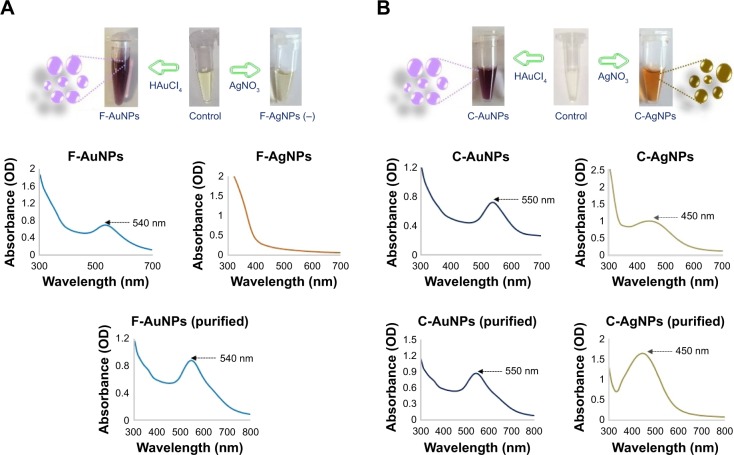
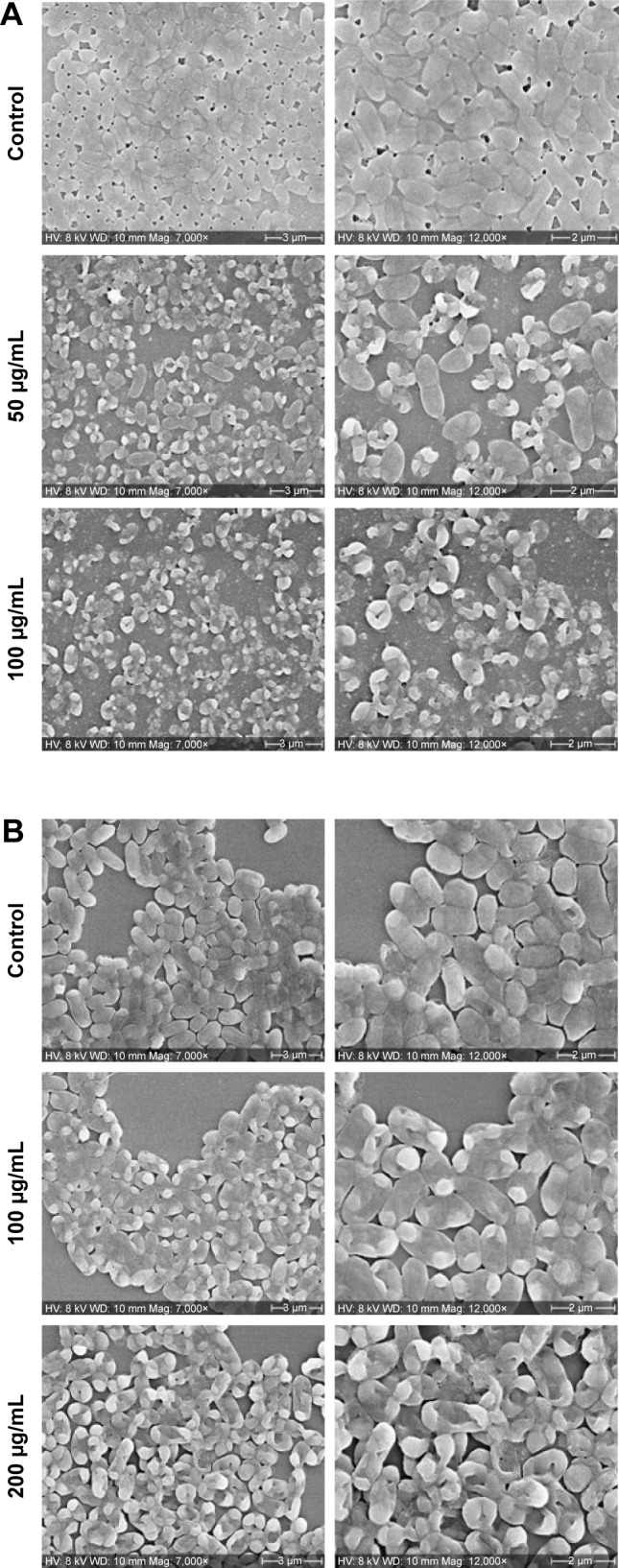
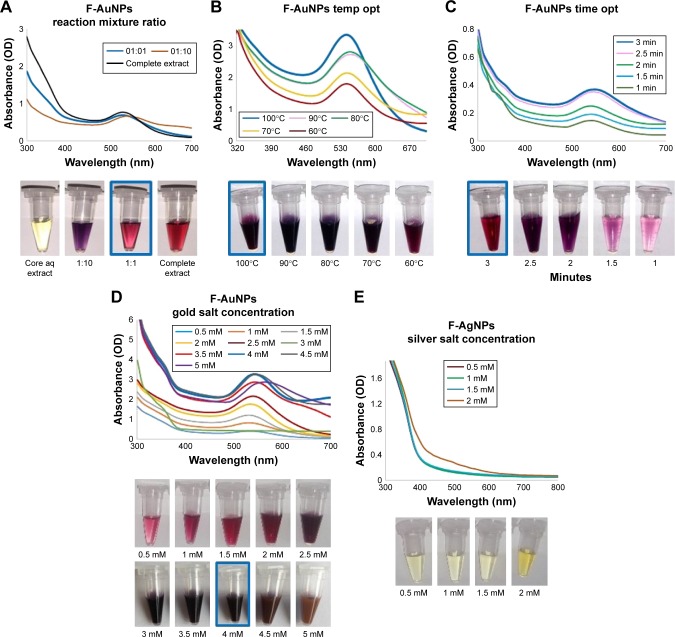
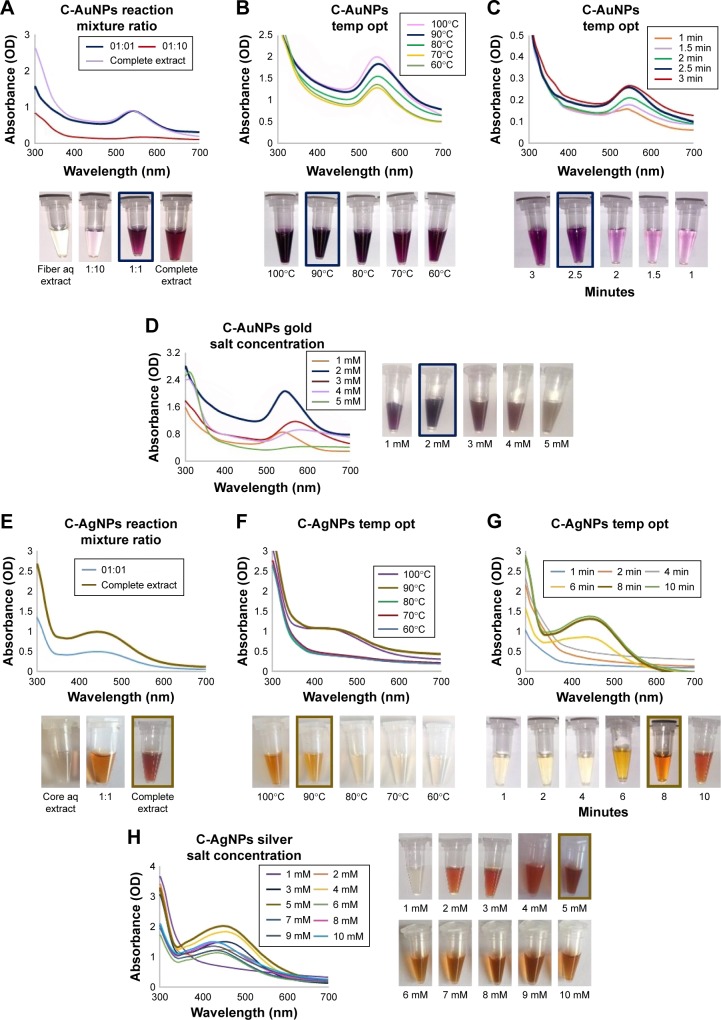
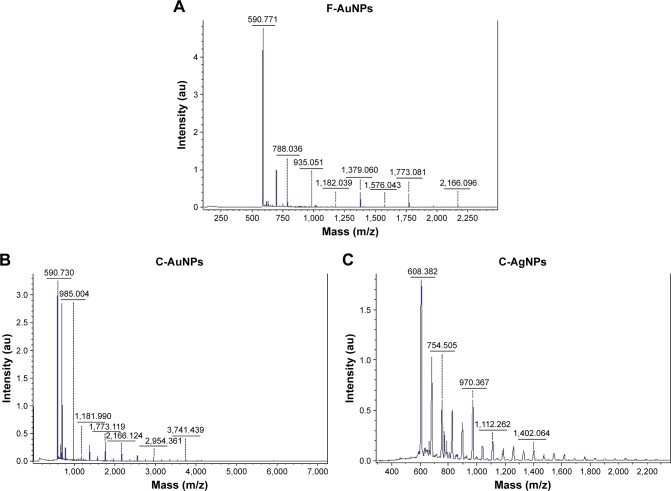
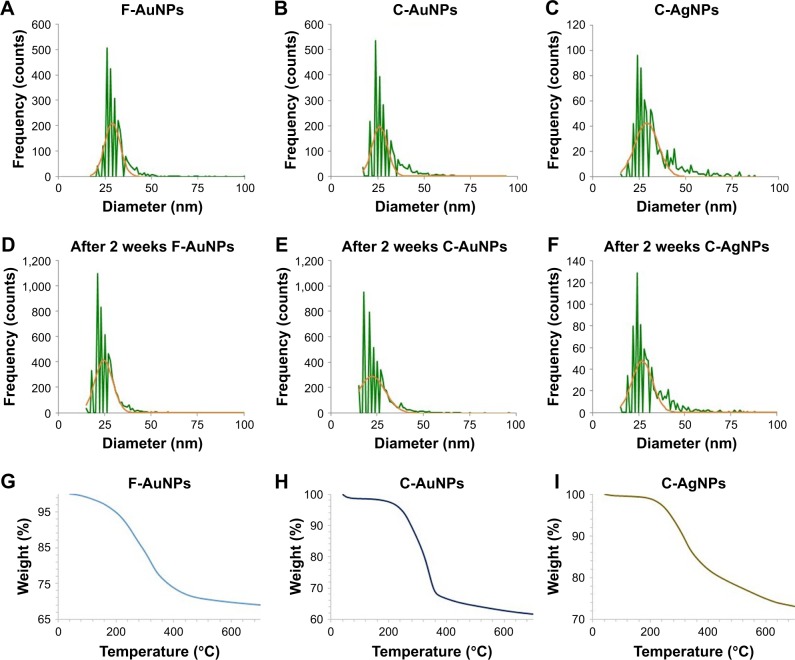
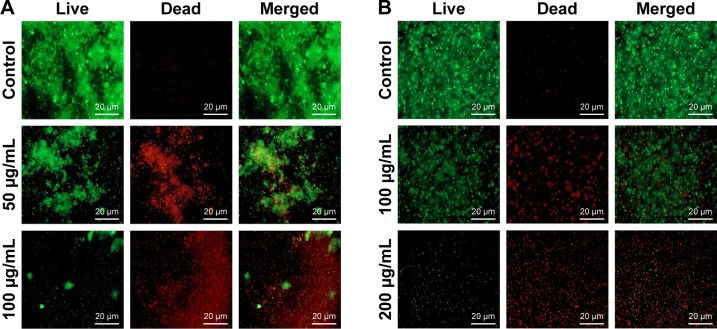
The nanoparticles were synthesized by utilizing an aqueous extract of stem separated into two different fractions (cortex and core [xylem part]) without any additional reducing, stabilizing and capping agents. In the synthesis of AuNPs using the cortex enriched in bast fibers, fiber-AuNPs (F-AuNPs) were achieved. When using the core part of the stem, which is enriched with phenolic compounds such as alkaloids and cannabinoids, core-AuNPs (C-AuNPs) and core-AgNPs (C-AgNPs) were formed. Synthesized nanoparticles were character-ized by UV-visible analysis, transmission electron microscopy, atomic force microscopy, dynamic light scattering, Fourier transform infrared, and matrix-assisted laser desorption/ionization time-of-flight. In addition, the stable nature of nanoparticles has been shown by thermogravimetric analysis and inductively coupled plasma mass spectrometry (ICP-MS). Finally, the AgNPs were explored for the inhibition of and biofilms.
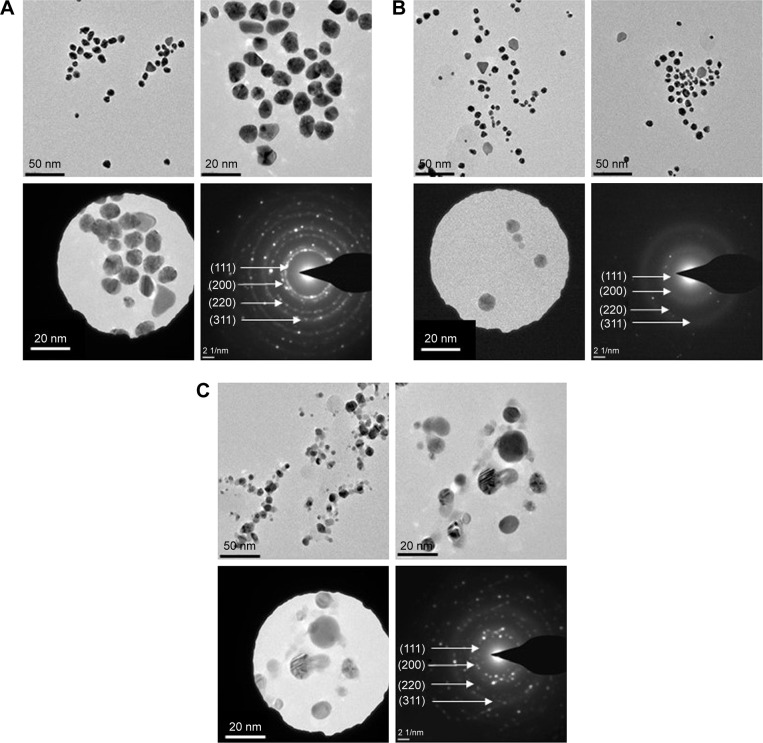
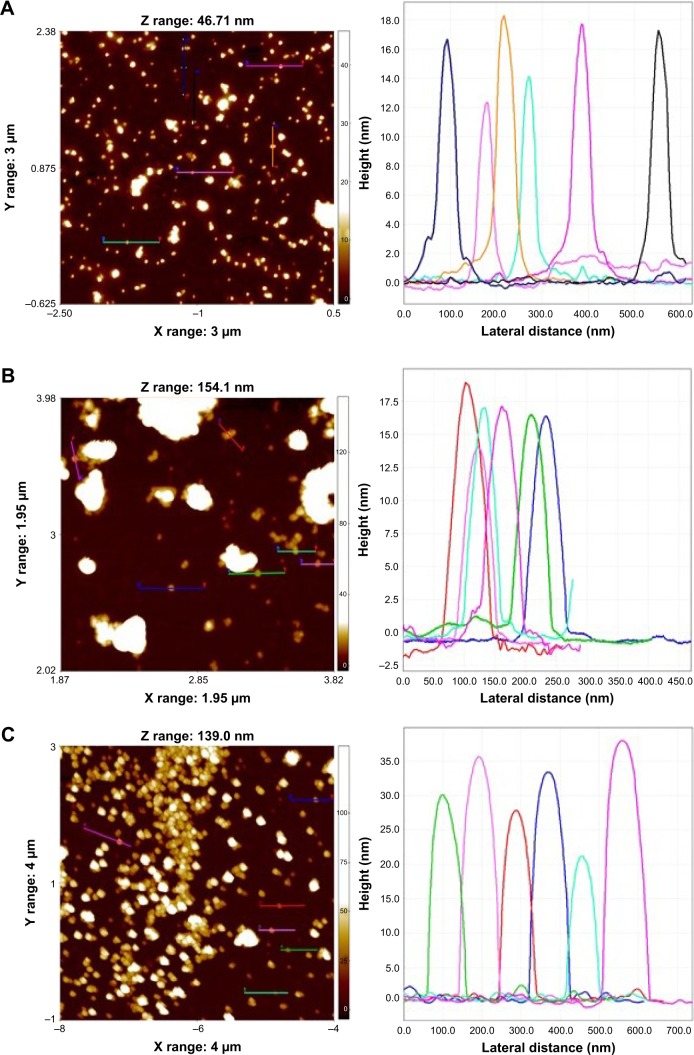
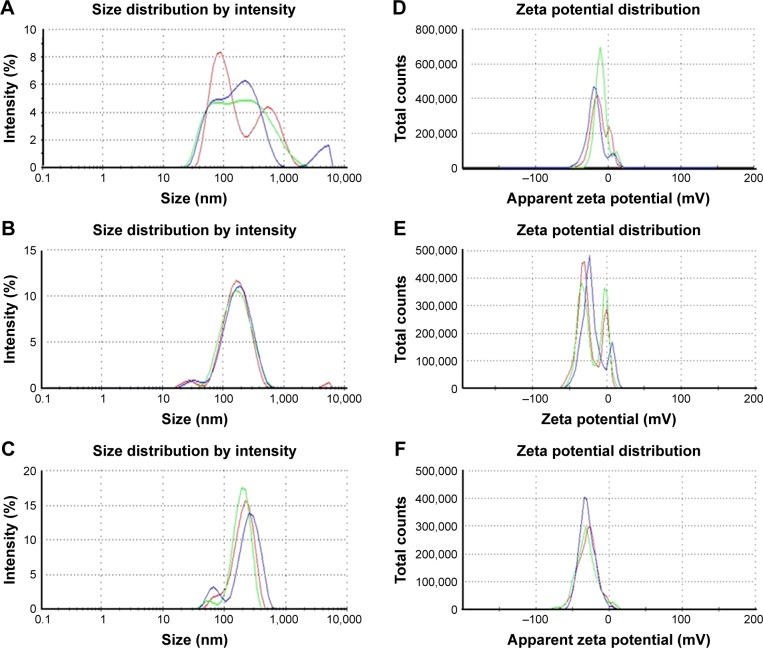
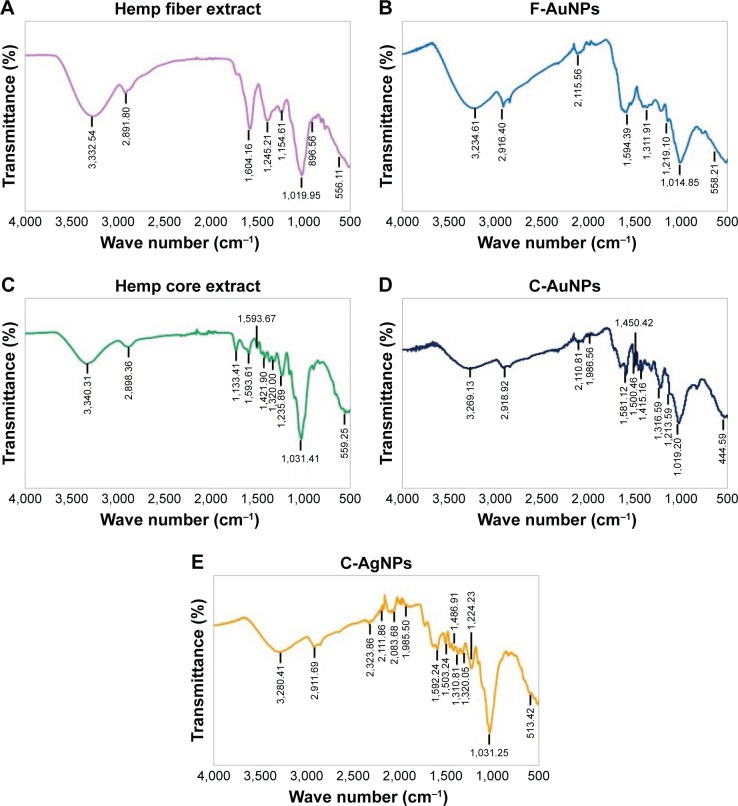
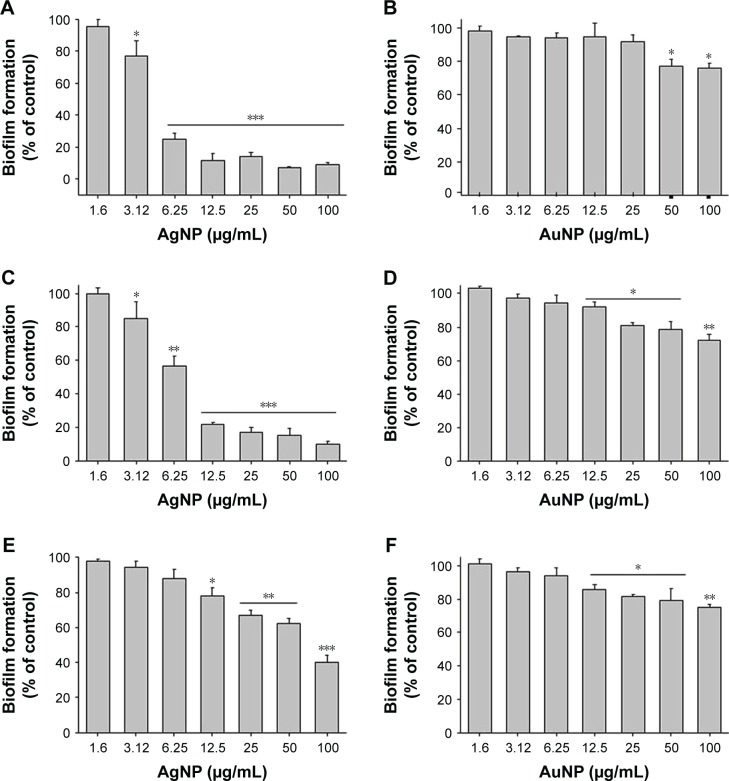
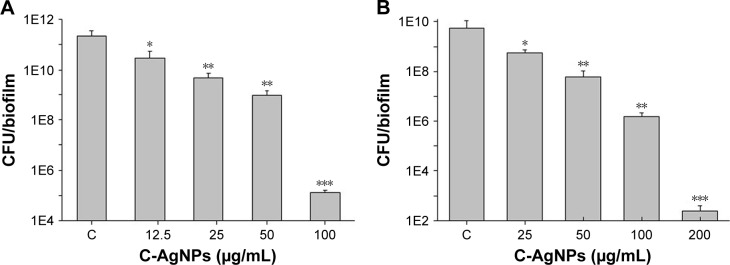
The synthesized nanoparticles were crystalline with an average diameter between 12 and 18 nm for F-AuNPs and C-AuNPs and in the range of 20-40 nm for C-AgNPs. ICP-MS analysis revealed concentrations of synthesized nanoparticles as 0.7, 4.5 and 3.6 mg/mL for F-AuNPs, C-AuNPs and C-AgNPs, respectively. Fourier transform infrared spectroscopy revealed the presence of flavonoids, cannabinoids, terpenes and phenols on the nanoparticle surface, which could be responsible for reducing the salts to nanoparticles and further stabilizing them. In addition, the stable nature of synthesized nanoparticles has been shown by thermogravimetric analysis and ICP-MS. Finally, the AgNPs were explored for the inhibition of and biofilms. The nanoparticles exhibited minimum inhibitory concentration values of 6.25 and 5 µg/mL and minimum bactericidal concentration values of 12.5 and 25 µg/mL against and , respectively.
(大麻)是各种具有生物活性的化合物的来源,例如大麻素、萜烯和酚类化合物,它们具有抗菌、抗真菌、抗炎和抗癌特性。为了扩大在生物纳米技术领域中 的辅助应用,我们探索了该植物用于绿色高效合成金纳米粒子(AuNPs)和银纳米粒子(AgNPs)。
利用从茎中分离出的两个不同部分(皮层和核心[木质部部分])的水提取物合成纳米粒子,而无需任何额外的还原、稳定和封端剂。在使用富含韧皮纤维的皮层合成 AuNPs 时,获得了纤维金纳米粒子(F-AuNPs)。当使用富含生物碱和大麻素等酚类化合物的茎的核心部分时,形成了核心金纳米粒子(C-AuNPs)和核心银纳米粒子(C-AgNPs)。合成的纳米粒子通过紫外-可见分析、透射电子显微镜、原子力显微镜、动态光散射、傅里叶变换红外光谱和基质辅助激光解吸/离子化飞行时间进行了表征。此外,通过热重分析和电感耦合等离子体质谱(ICP-MS)证明了纳米粒子的稳定性。最后,探索了 AgNPs 对 和 生物膜的抑制作用。
合成的纳米粒子为结晶态,F-AuNPs 和 C-AuNPs 的平均直径在 12-18nm 之间,C-AgNPs 的平均直径在 20-40nm 之间。ICP-MS 分析表明,F-AuNPs、C-AuNPs 和 C-AgNPs 的合成纳米粒子浓度分别为 0.7、4.5 和 3.6mg/mL。傅里叶变换红外光谱表明,纳米粒子表面存在类黄酮、大麻素、萜烯和酚类物质,这可能是将盐还原为纳米粒子并进一步稳定它们的原因。此外,热重分析和 ICP-MS 表明合成纳米粒子的稳定性。最后,探索了 AgNPs 对 和 生物膜的抑制作用。纳米粒子对 和 表现出最低抑菌浓度值为 6.25 和 5μg/mL,最低杀菌浓度值为 12.5 和 25μg/mL。