Department of Pedodontics and Preventive Dentistry, BP Koirala Institute of Health Sciences, Dharan, Nepal.
Glob Health Action. 2013 Feb 12;6:20066. doi: 10.3402/gha.v6i0.20066.
Children watch television during most of their free time. They are exposed to advertisers' messages and are vulnerable to sophisticated advertisements of foods often detrimental to oral and general health.
To evaluate the influence of television advertisements on children, the relationship with oral health and to analyze the content of those advertisements.
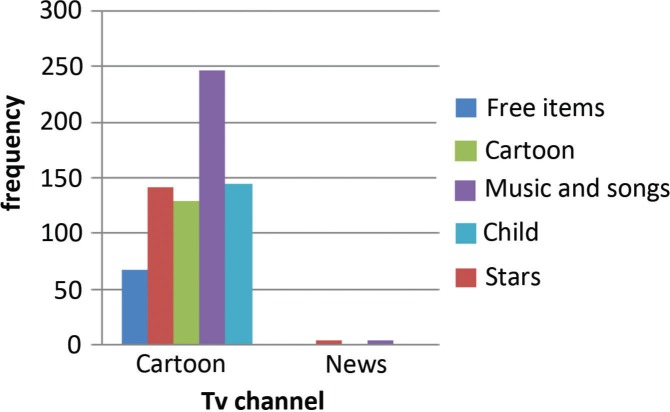
A questionnaire-based study was performed among 600 schoolchildren of Mangalore, Karnataka, followed by oral examination. Based on the survey, favorite and non-favorite channels and viewing times were analyzed. Advertisements on children's favorite and non-favorite channels were then viewed, analyzed, and compared.
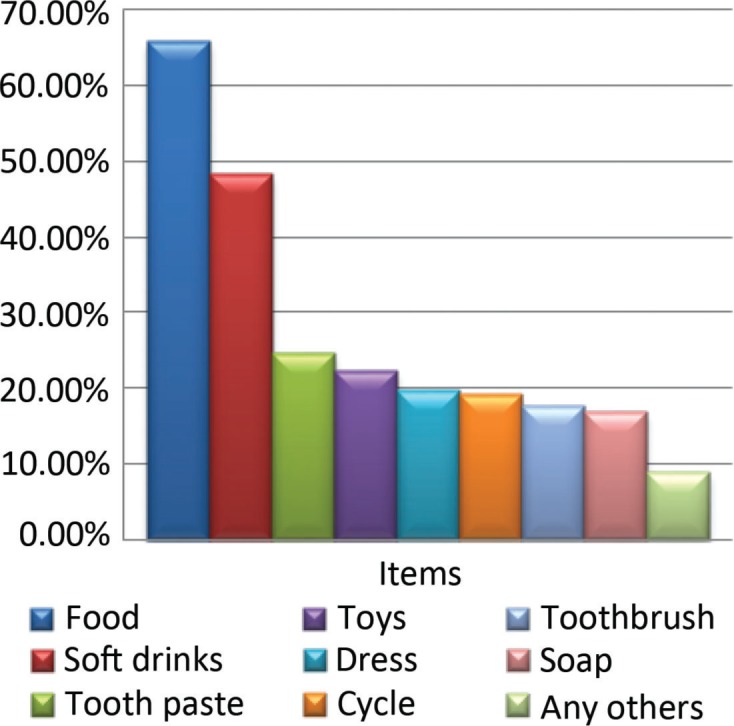
Higher caries prevalence was found among children who watched television and asked for more food and soft drinks. Cariogenic food advertisements were popular on children's favorite channels.
Television advertisements may strongly influence children's food preferences and eating habits, resulting in higher caries prevalence. Advertisements regarding healthy food, oral hygiene maintenance, prevention of diseases such as caries should be given priority for the benefit of the health of children.
儿童在大部分闲暇时间都看电视。他们接触到广告商的信息,容易受到对口腔和整体健康有害的食品的复杂广告的影响。
评估电视广告对儿童的影响、与口腔健康的关系,并分析这些广告的内容。
在卡纳塔克邦芒格洛尔的 600 名学童中进行了一项基于问卷调查的研究,并进行了口腔检查。根据调查,分析了最喜欢和最不喜欢的频道以及观看时间。然后观看、分析和比较了儿童最喜欢和最不喜欢的频道上的广告。
看电视并要求更多食物和软饮料的儿童龋齿患病率较高。致龋性食物广告在儿童最喜欢的频道上很受欢迎。
电视广告可能会强烈影响儿童的食物偏好和饮食习惯,导致更高的龋齿患病率。为了儿童的健康,应优先考虑有关健康食品、口腔卫生维护、预防龋齿等疾病的广告。