Leonard Michael T, Fagen Jennie R, Davis-Richardson Austin G, Davis Michael J, Triplett Eric W
Microbiology and Cell Science Department, Institute of Food and Agricultural Sciences, University of Florida, Gainesville, FL, USA.
Stand Genomic Sci. 2012 Dec 19;7(2):271-83. doi: 10.4056/sigs.3326772. Epub 2012 Dec 12.
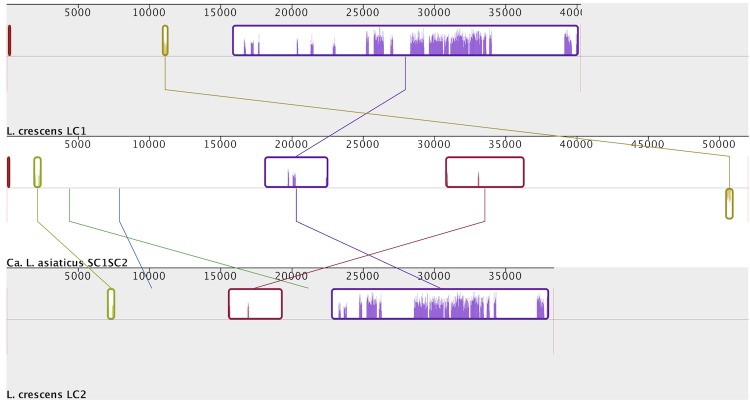
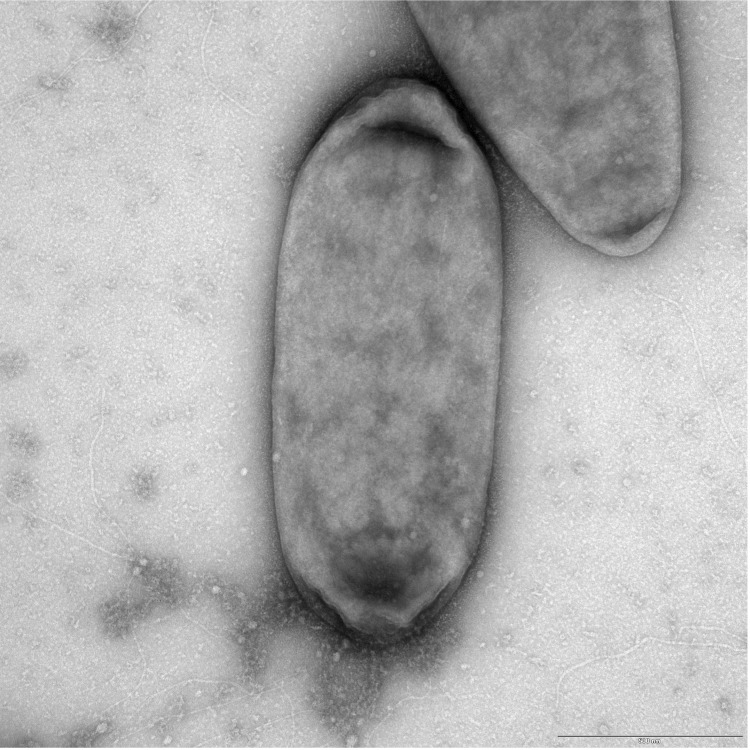
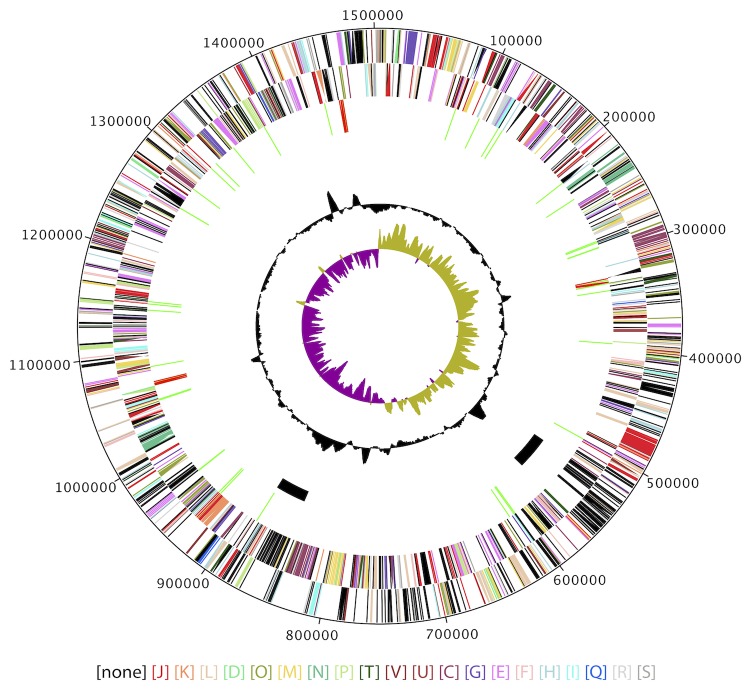
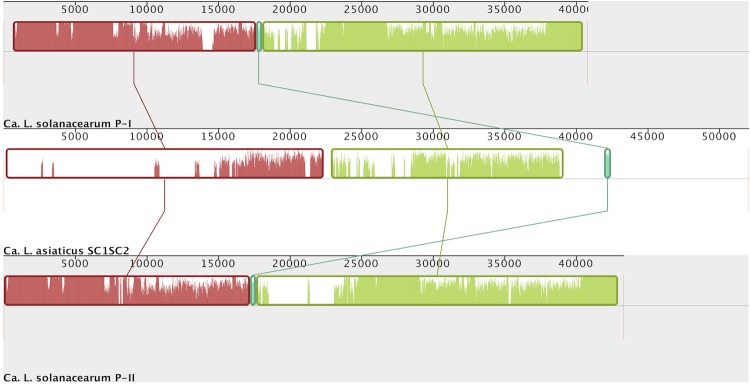
Liberibacter crescens BT-1, a Gram-negative, rod-shaped bacterial isolate, was previously recovered from mountain papaya to gain insight on Huanglongbing (HLB) and Zebra Chip (ZC) diseases. The genome of BT-1 was sequenced at the Interdisciplinary Center for Biotechnology Research (ICBR) at the University of Florida. A finished assembly and annotation yielded one chromosome with a length of 1,504,659 bp and a G+C content of 35.4%. Comparison to other species in the Liberibacter genus, L. crescens has many more genes in thiamine and essential amino acid biosynthesis. This likely explains why L. crescens BT-1 is culturable while the known Liberibacter strains have not yet been cultured. Similar to CandidatusL. asiaticus psy62, the L. crescens BT-1 genome contains two prophage regions.
渐生利氏菌BT-1是一种革兰氏阴性、杆状细菌分离株,此前从山地番木瓜中分离出来,用于深入了解黄龙病(HLB)和斑马木薯病(ZC)。BT-1的基因组在佛罗里达大学的跨学科生物技术研究中心(ICBR)进行了测序。完成的组装和注释产生了一条长度为1,504,659 bp、G+C含量为35.4%的染色体。与利氏菌属的其他物种相比,渐生利氏菌在硫胺素和必需氨基酸生物合成方面有更多基因。这可能解释了为什么渐生利氏菌BT-1可培养,而已知的利氏菌菌株尚未培养成功。与亚洲韧皮杆菌psy62类似,渐生利氏菌BT-1基因组包含两个原噬菌体区域。