Institute for Memory Impairments and Neurological Disorders, University of California-Irvine, CA, USA.
Neurobiol Aging. 2013 Jul;34(7):1891-901. doi: 10.1016/j.neurobiolaging.2013.01.018. Epub 2013 Feb 20.
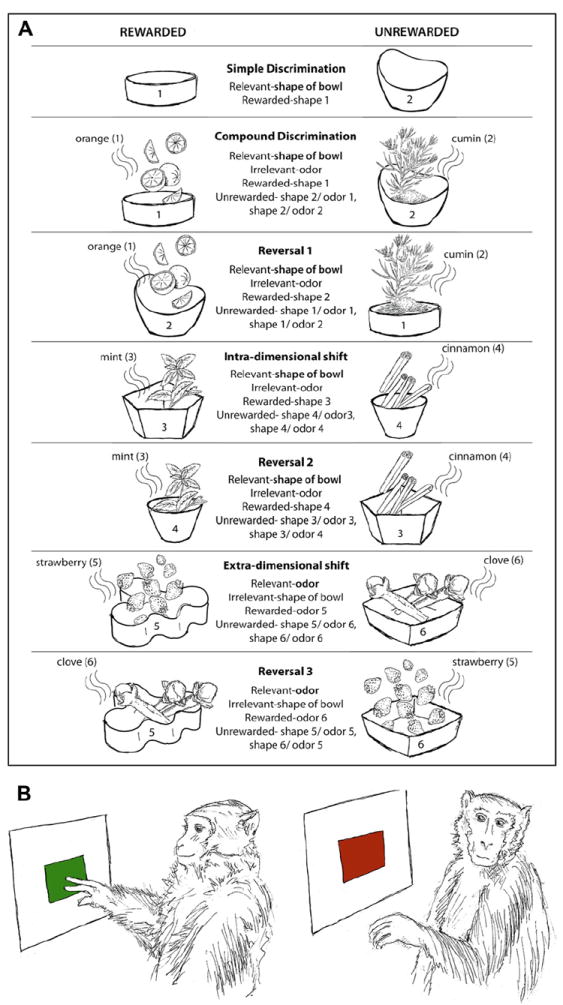
A major goal of animal research is to identify interventions that can promote successful aging and delay or reverse age-related cognitive decline in humans. Recent advances in standardizing cognitive assessment tools for humans have the potential to bring preclinical work closer to human research in aging and Alzheimer's disease. The National Institute of Health (NIH) has led an initiative to develop a comprehensive Toolbox for Neurologic Behavioral Function (NIH Toolbox) to evaluate cognitive, motor, sensory and emotional function for use in epidemiologic and clinical studies spanning 3 to 85 years of age. This paper aims to analyze the strengths and limitations of animal behavioral tests that can be used to parallel those in the NIH Toolbox. We conclude that there are several paradigms available to define a preclinical battery that parallels the NIH Toolbox. We also suggest areas in which new tests may benefit the development of a comprehensive preclinical test battery for assessment of cognitive function in animal models of aging and Alzheimer's disease.
动物研究的一个主要目标是确定干预措施,可以促进人类的成功老龄化和延缓或逆转与年龄相关的认知能力下降。最近在标准化人类认知评估工具方面的进展有可能使临床前工作更接近衰老和阿尔茨海默病的人类研究。美国国立卫生研究院(NIH)率先开展了一项制定综合神经行为功能工具包(NIH 工具包)的计划,以评估认知、运动、感觉和情感功能,用于跨越 3 至 85 岁的流行病学和临床研究。本文旨在分析可用于与 NIH 工具包相媲美的动物行为测试的优势和局限性。我们得出的结论是,有几个范例可以定义一个与 NIH 工具包相媲美的临床前电池。我们还建议在哪些领域新的测试可能有益于开发全面的临床前测试电池,以评估衰老和阿尔茨海默病动物模型的认知功能。