Laboratoire "Matériaux et Phénomènes Quantiques", Sorbonne Paris Cité, Université Paris Diderot, CNRS-UMR 7162, FR-75013 Paris, France.
Sci Rep. 2013;3:1361. doi: 10.1038/srep01361.
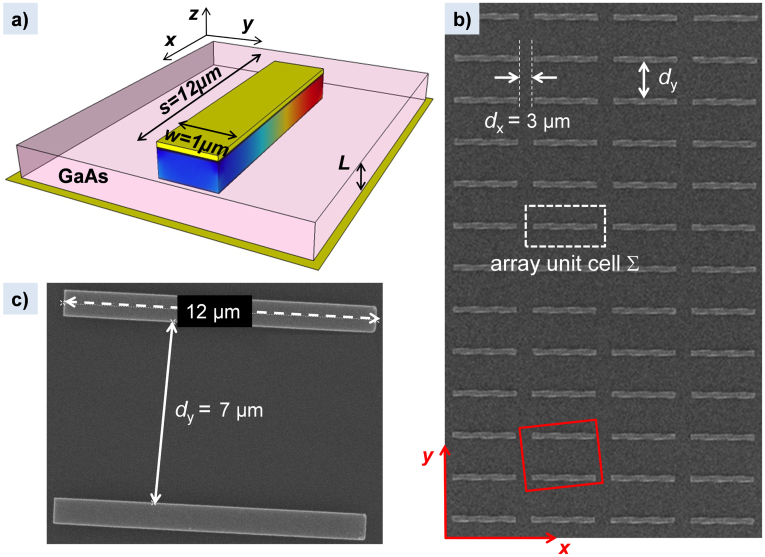
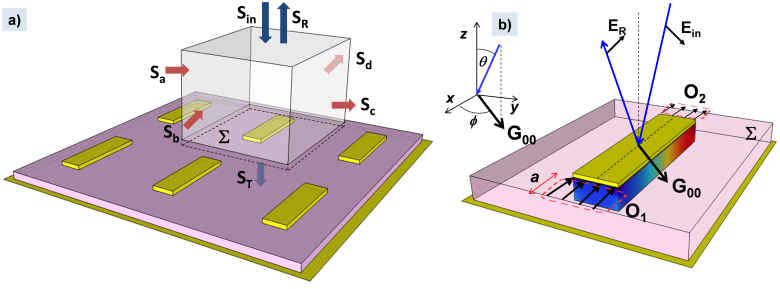
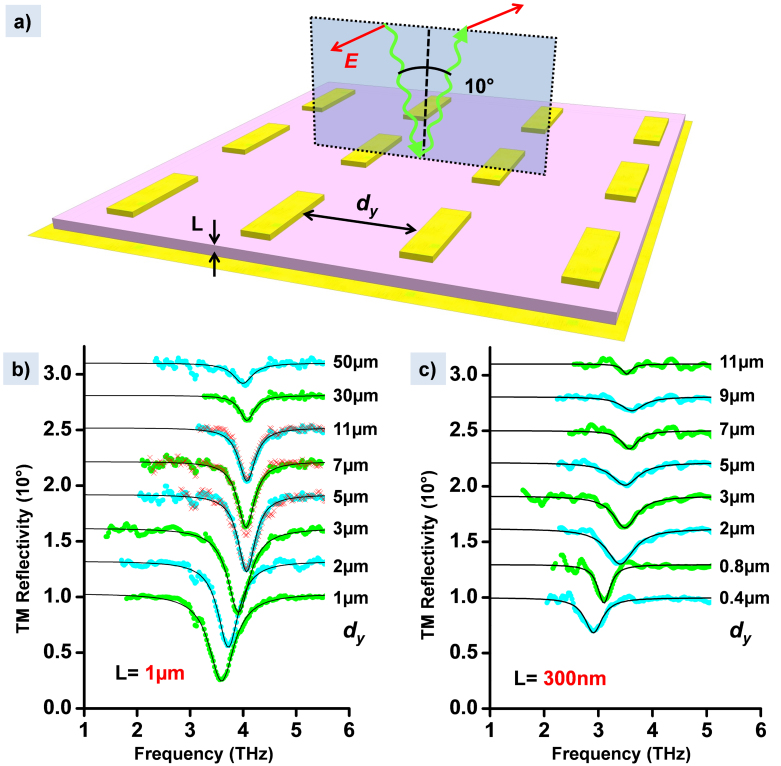
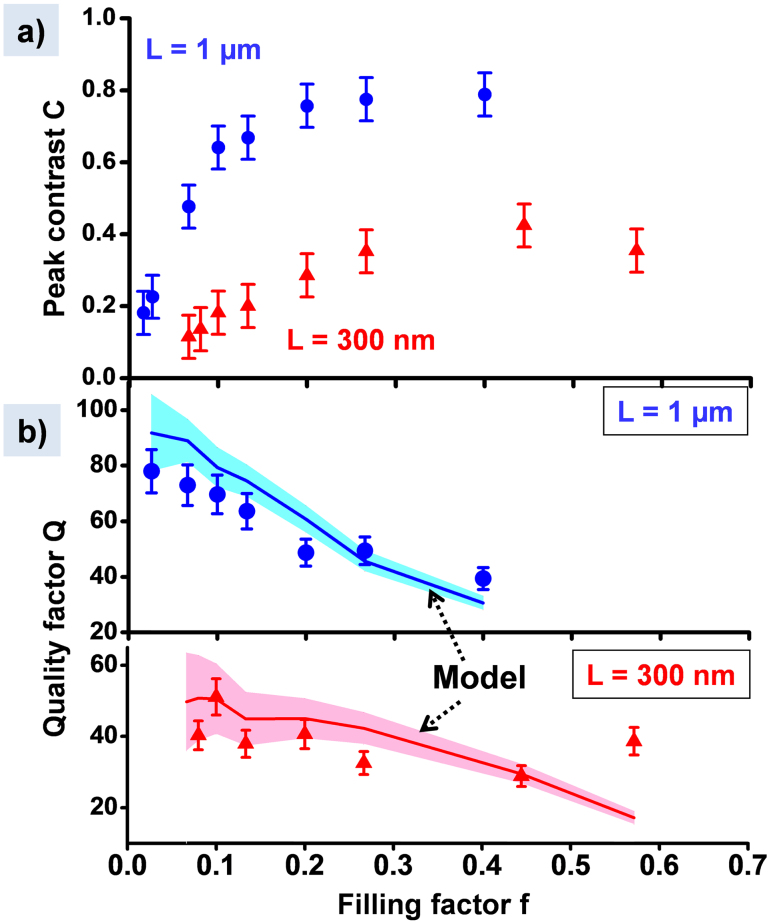
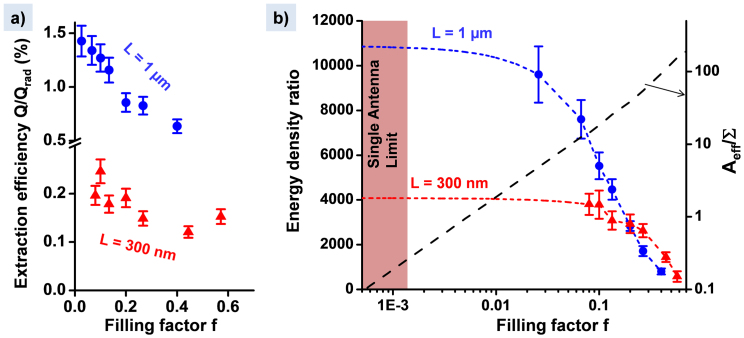
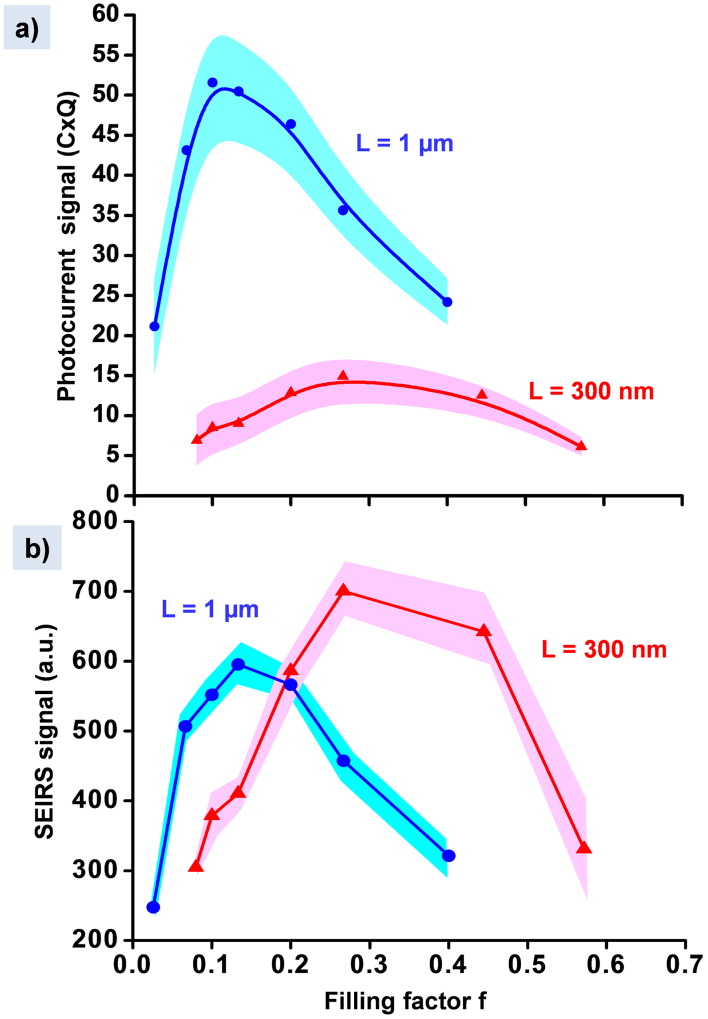
A key issue in modern photonics is the ability to concentrate light into very small volumes, thus enhancing its interaction with quantum objects of sizes much smaller than the wavelength. In the microwave domain, for many years this task has been successfully performed by antennas, built from metals that can be considered almost perfect at these frequencies. Antenna-like concepts have been recently extended into the THz and up to the visible, however metal losses increase and limit their performances. In this work we experimentally study the light coupling properties of dense arrays of subwavelength THz antenna microcavities. We demonstrate that the combination of array layout with subwavelength electromagnetic confinement allows for 10(4)-fold enhancement of the electromagnetic energy density inside the cavities, despite the low quality factor of a single element. This effect is quantitatively described by an analytical model that can be applied for the optimization of any nanoantenna array.
在现代光子学中,一个关键问题是将光集中到非常小的体积中,从而增强其与尺寸远小于波长的量子物体的相互作用。在微波领域,多年来,这一任务已经成功地通过天线来完成,这些天线由在这些频率下几乎可以被视为完美的金属制成。类似天线的概念最近已经扩展到太赫兹及以上的可见光范围,但金属损耗增加并限制了它们的性能。在这项工作中,我们实验研究了亚波长太赫兹天线微腔的密集阵列的光耦合特性。我们证明,尽管单个元件的品质因数较低,但通过将阵列布局与亚波长电磁限制相结合,可以将腔体内的电磁能密度提高 10(4)倍。这种效应可以通过一个可以应用于任何纳米天线阵列优化的解析模型来定量描述。