Division of Molecular Medicine, Bose Institute, P-1/12, CIT Scheme VII M, Kolkata, India.
PLoS One. 2013;8(2):e56894. doi: 10.1371/journal.pone.0056894. Epub 2013 Feb 25.
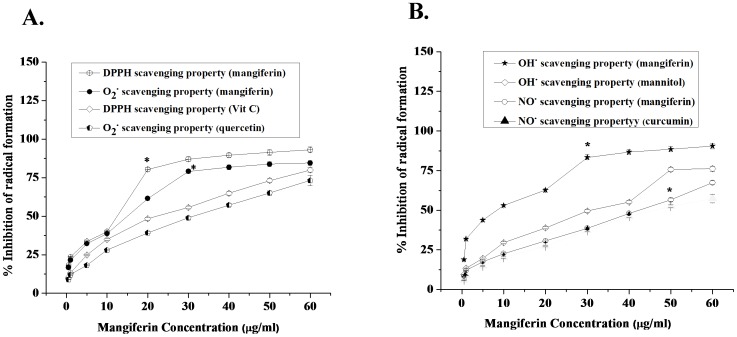
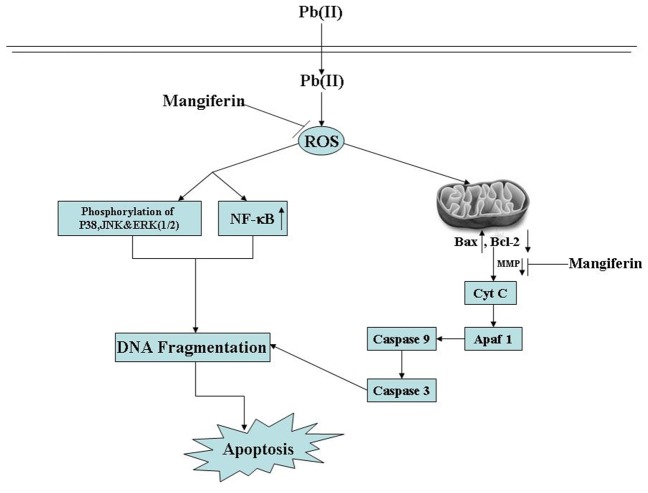
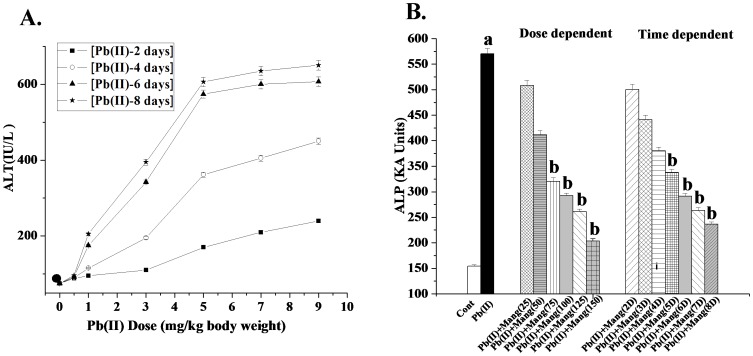
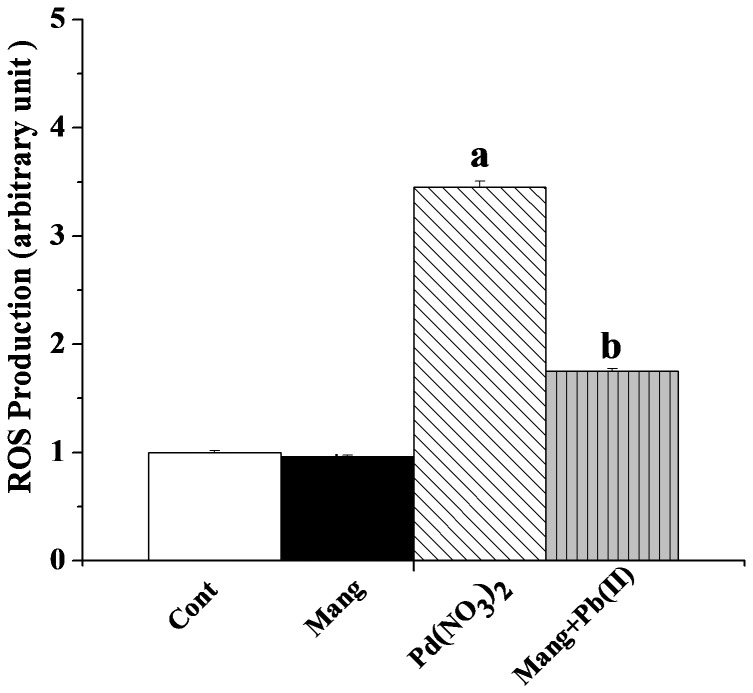
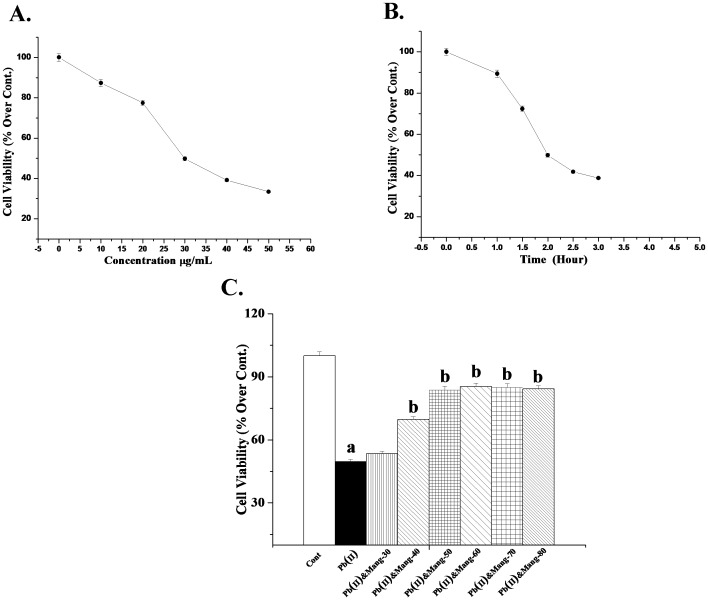
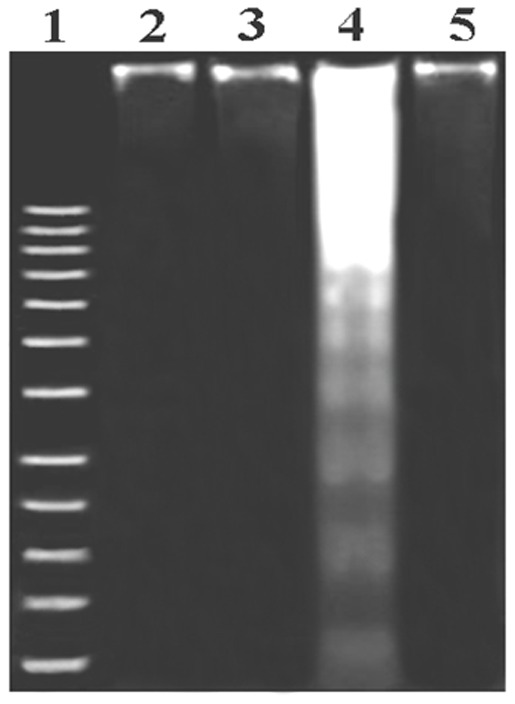
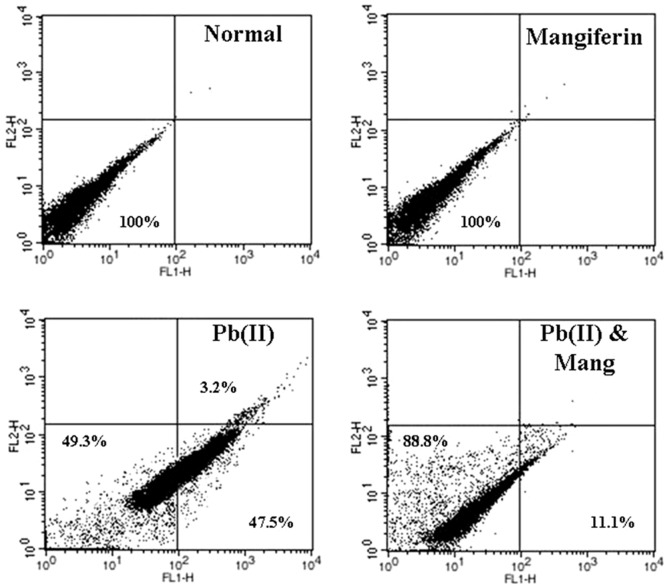
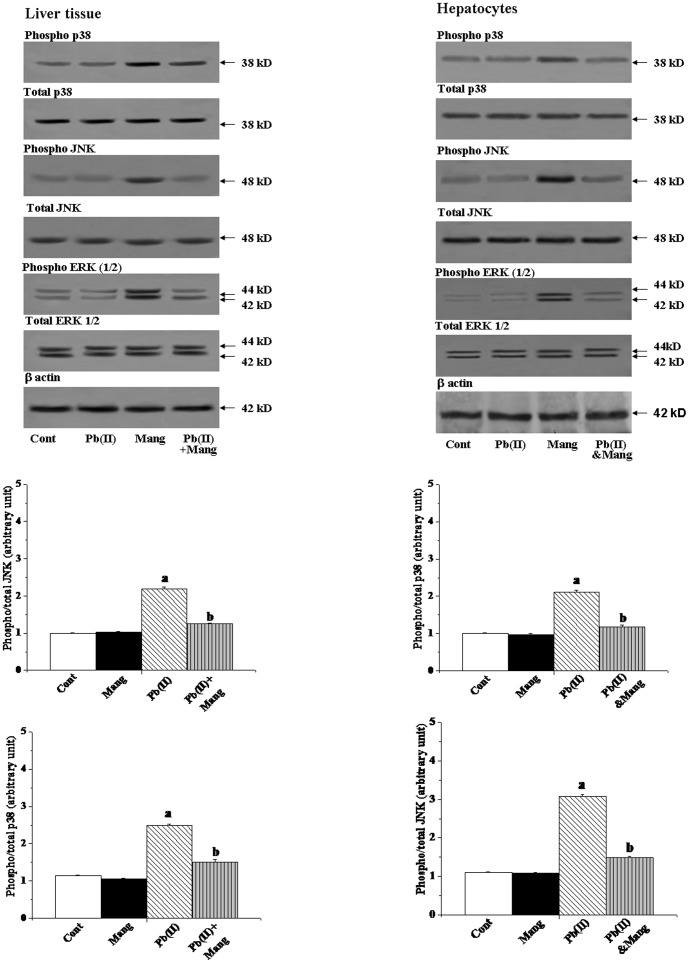
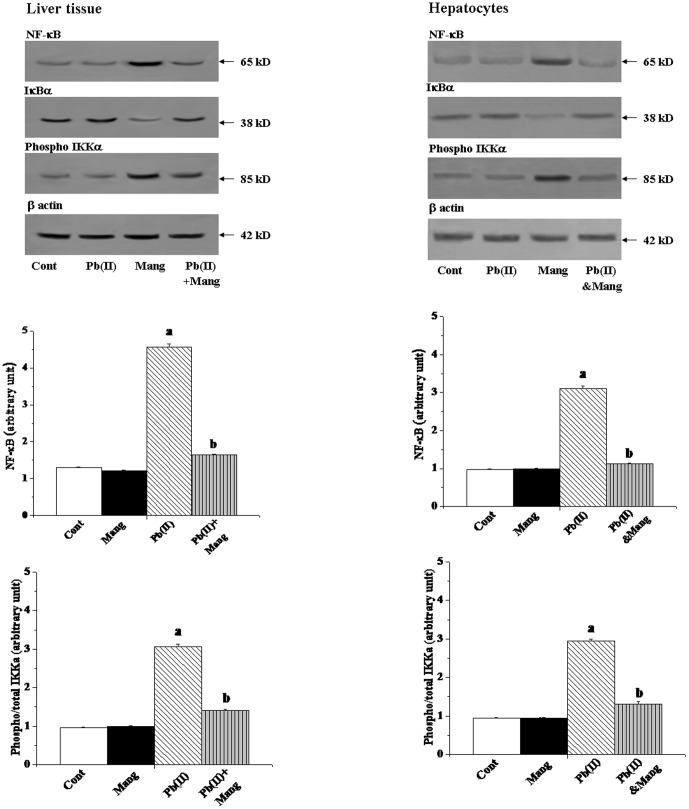
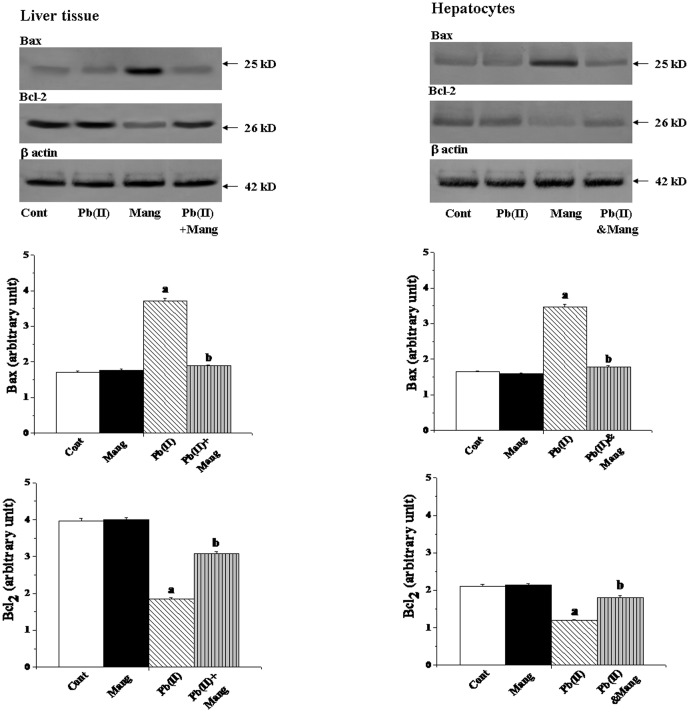
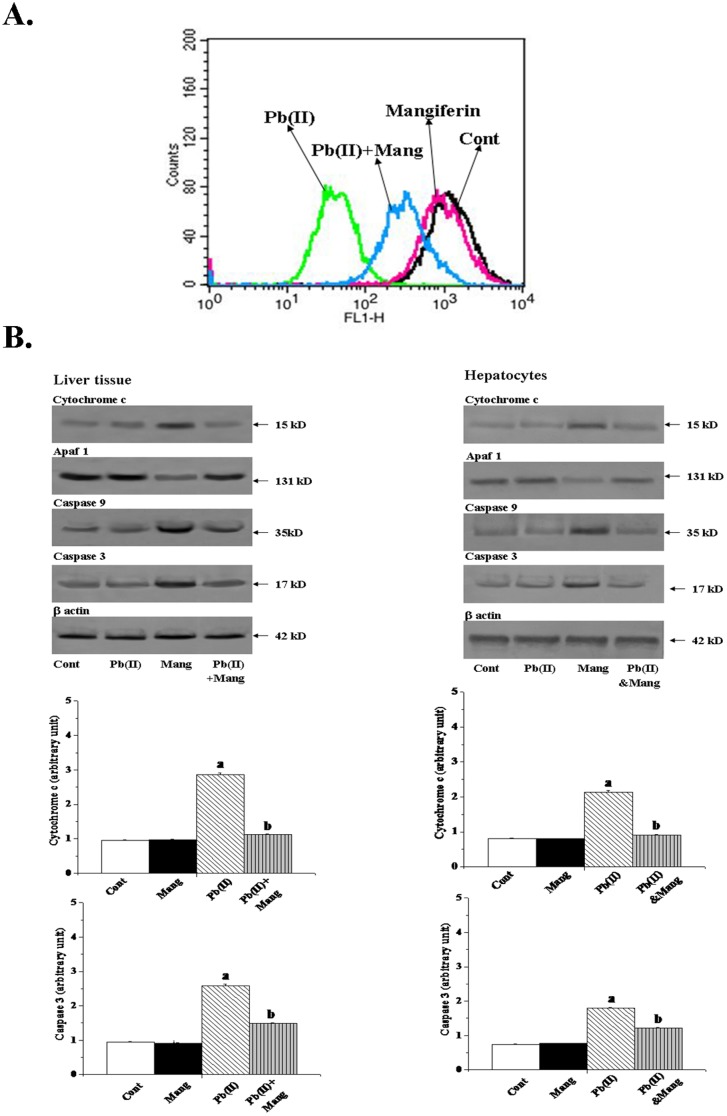
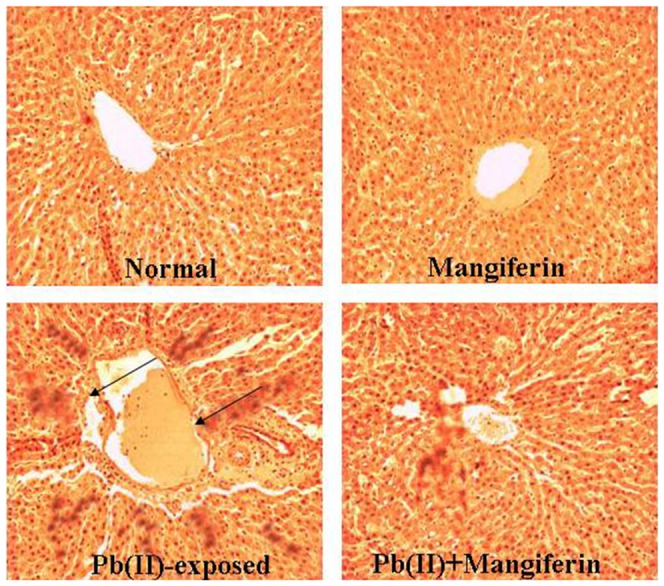
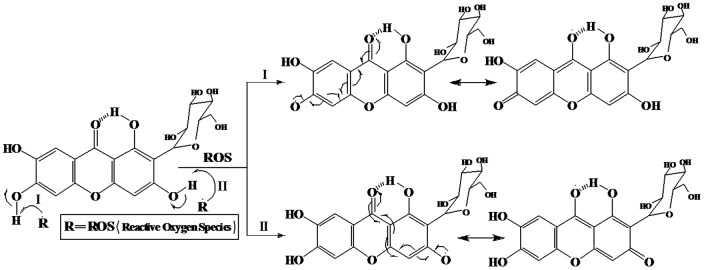
One of the most well-known naturally occurring environmental heavy metals, lead (Pb) has been reported to cause liver injury and cellular apoptosis by disturbing the prooxidant-antioxidant balance via oxidative stress. Several studies, on the other hand, reported that mangiferin, a naturally occurring xanthone, has been used for a broad range of therapeutic purposes. In the present study, we, therefore, investigated the molecular mechanisms of the protective action of mangiferin against lead-induced hepatic pathophysiology. Lead [Pb(II)] in the form of Pb(NO3)2 (at a dose of 5 mg/kg body weight, 6 days, orally) induced oxidative stress, hepatic dysfunction and cell death in murine liver. Post treatment of mangiferin at a dose of 100 mg/kg body weight (6 days, orally), on the other hand, diminished the formation of reactive oxygen species (ROS) and reduced the levels of serum marker enzymes [alanine aminotranferase (ALT) and alkaline phosphatase (ALP)]. Mangiferin also reduced Pb(II) induced alterations in antioxidant machineries, restored the mitochondrial membrane potential as well as mutual regulation of Bcl-2/Bax. Furthermore, mangiferin inhibited Pb(II)-induced activation of mitogen-activated protein kinases (MAPKs) (phospho-ERK 1/2, phosphor-JNK phospho- p38), nuclear translocation of NF-κB and apoptotic cell death as was evidenced by DNA fragmentation, FACS analysis and histological assessment. In vitro studies using hepatocytes as the working model also showed the protective effect of mangiferin in Pb(II) induced cytotoxicity. All these beneficial effects of mangiferin contributes to the considerable reduction of apoptotic hepatic cell death induced by Pb(II). Overall results demonstrate that mangiferin exhibit both antioxidative and antiapoptotic properties and protects the organ in Pb(II) induced hepatic dysfunction.
一种最为人熟知的天然环境重金属,铅(Pb),通过氧化应激扰乱促氧化剂-抗氧化剂平衡,被报道会导致肝脏损伤和细胞凋亡。另一方面,有几项研究报道,天然的黄烷酮芒果苷,已经被用于广泛的治疗目的。因此,在本研究中,我们研究了芒果苷对铅诱导的肝脏病理生理学的保护作用的分子机制。以 Pb(NO3)2 的形式(剂量为 5 mg/kg 体重,口服,6 天)的 Pb(II) 诱导了小鼠肝脏中的氧化应激、肝功能障碍和细胞死亡。另一方面,芒果苷以 100 mg/kg 体重的剂量(6 天,口服)给药后,减少了活性氧(ROS)的形成,并降低了血清标志物酶(丙氨酸氨基转移酶(ALT)和碱性磷酸酶(ALP))的水平。芒果苷还减少了 Pb(II)诱导的抗氧化机制的改变,恢复了线粒体膜电位以及 Bcl-2/Bax 的相互调节。此外,芒果苷抑制了 Pb(II)诱导的丝裂原活化蛋白激酶(MAPKs)(磷酸化 ERK 1/2、磷酸化 JNK、磷酸化 p38)的激活、NF-κB 的核转位和凋亡细胞死亡,这一点通过 DNA 片段化、FACS 分析和组织学评估得到了证明。以肝细胞作为工作模型的体外研究也表明了芒果苷在 Pb(II)诱导的细胞毒性中的保护作用。芒果苷的所有这些有益作用有助于显著减少由 Pb(II)诱导的凋亡性肝细胞死亡。总体结果表明,芒果苷具有抗氧化和抗凋亡特性,并保护器官免受 Pb(II)诱导的肝功能障碍。