Department of Pathology and Cell Biology, Graduate School of Medicine, University of the Ryukyus, Nishihara, Okinawa 903-0215, Japan.
Int J Oncol. 2013 May;42(5):1560-8. doi: 10.3892/ijo.2013.1849. Epub 2013 Mar 5.
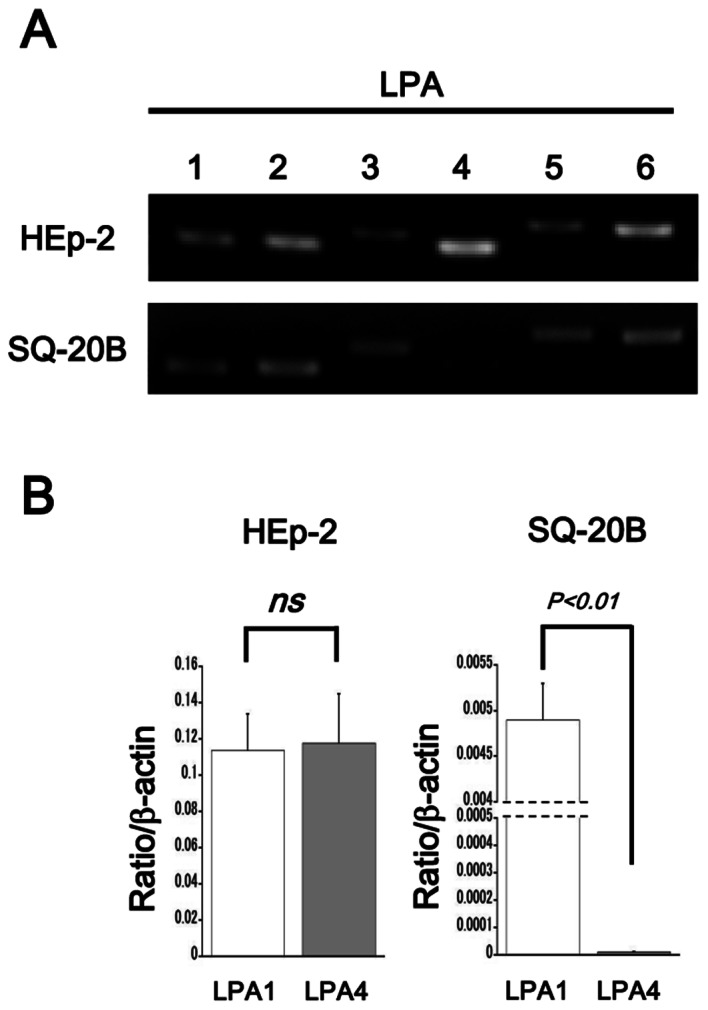
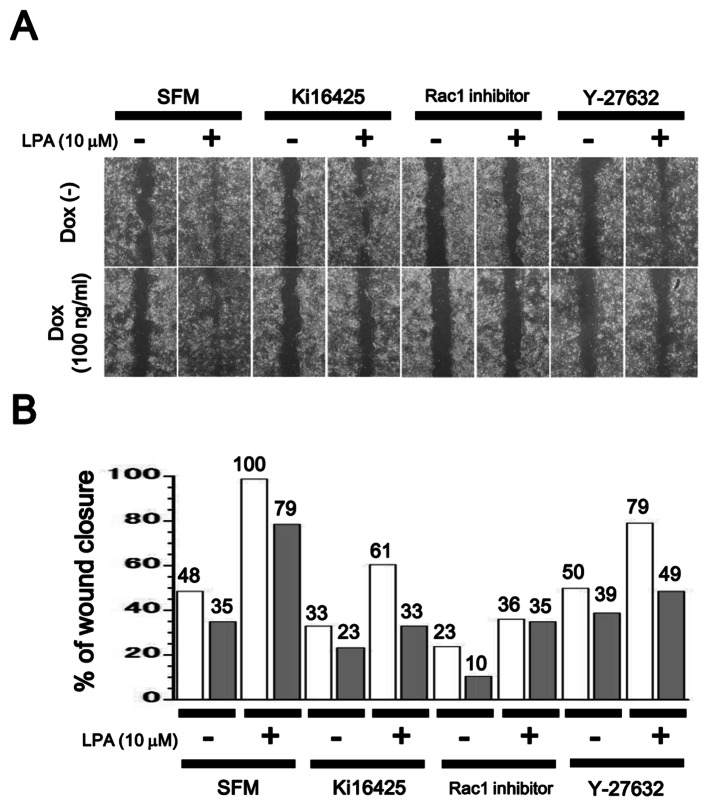
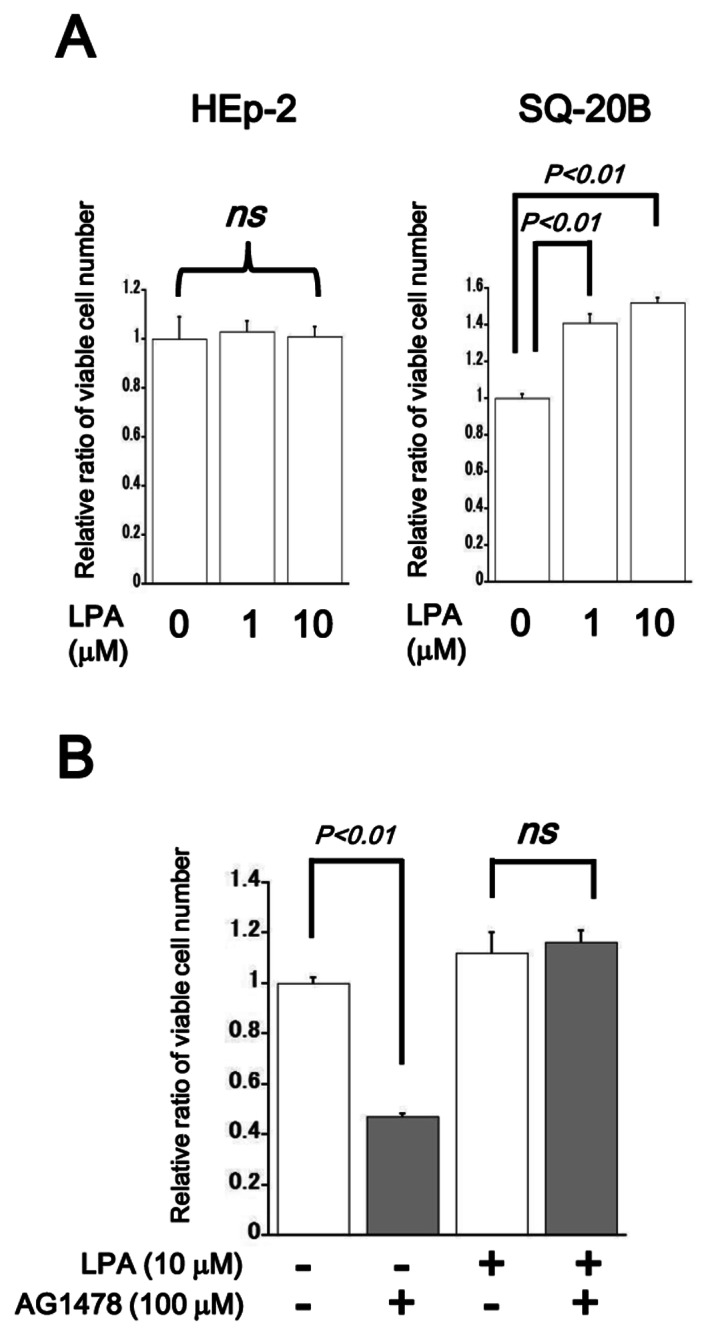
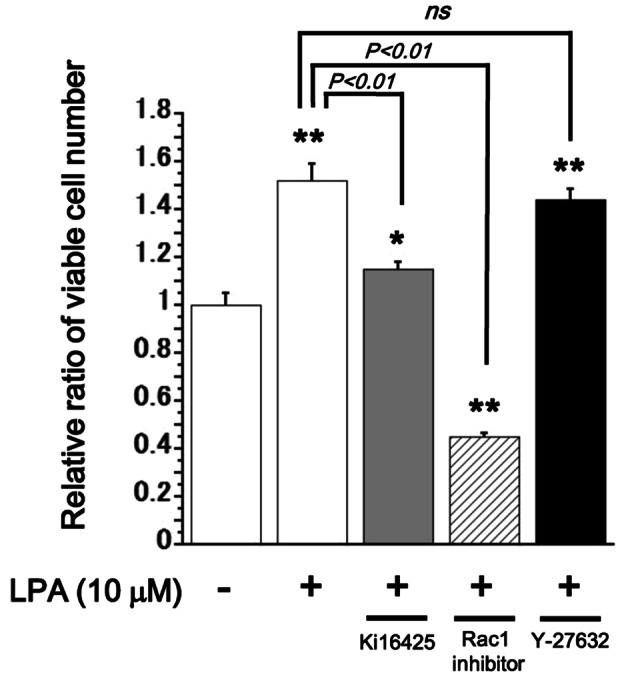
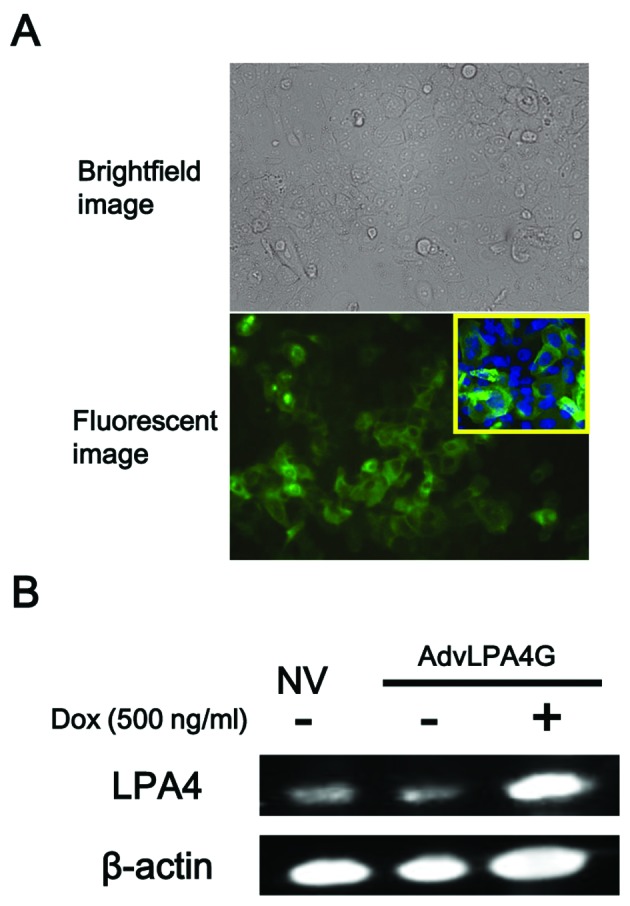
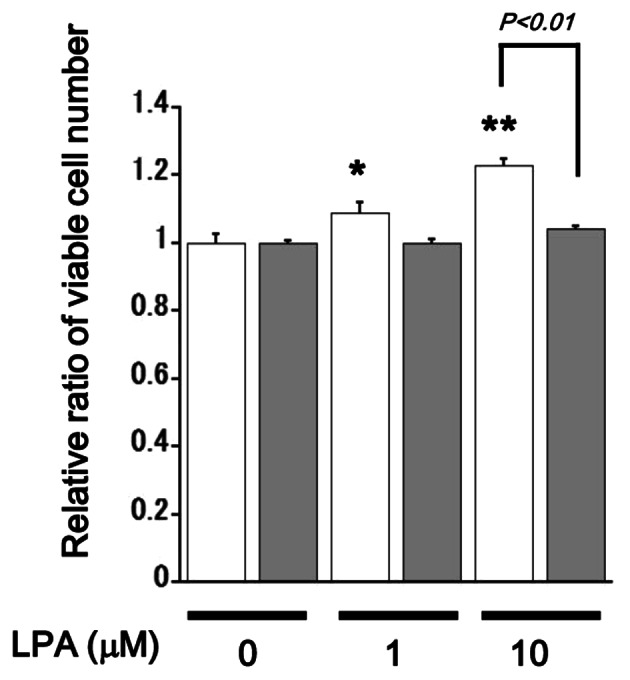
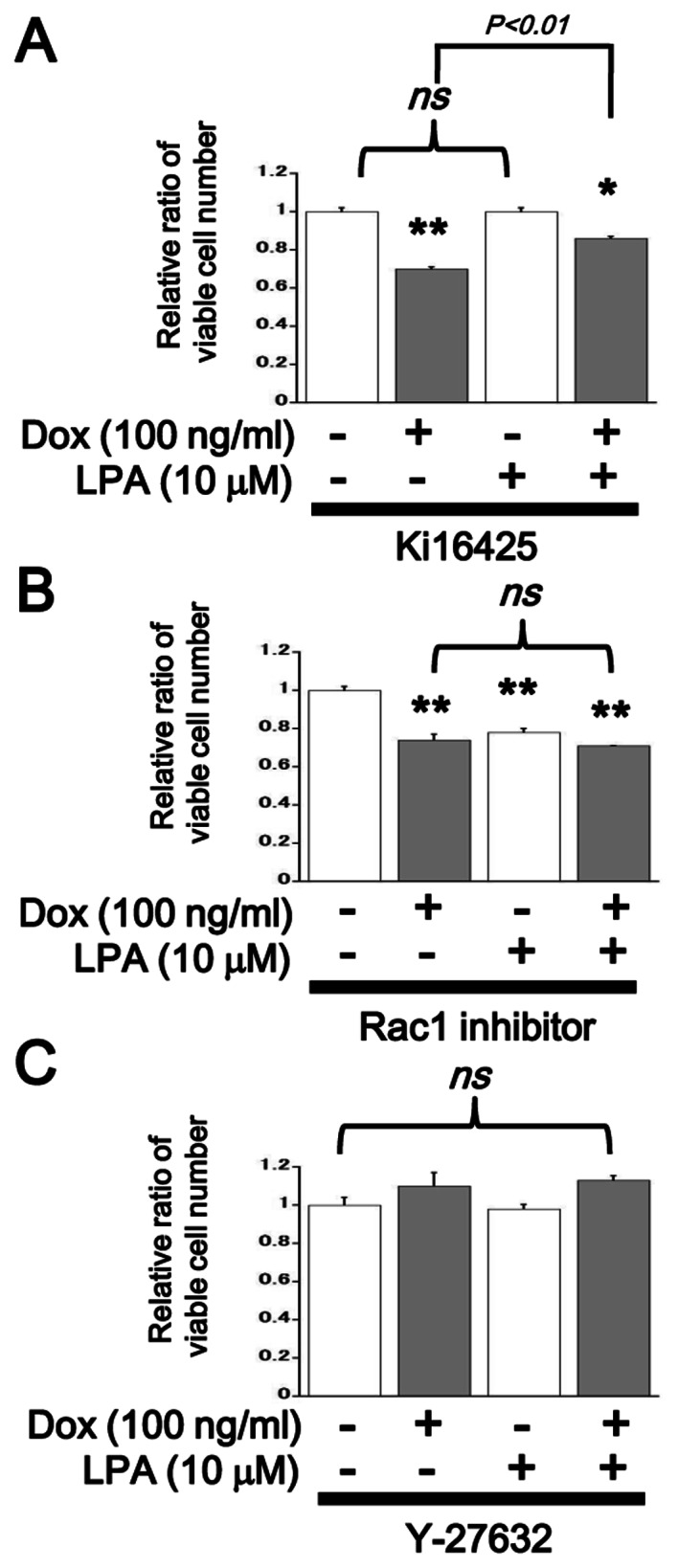
Head and neck squamous cell carcinoma (HNSCC) is the sixth most common non-skin cancer worldwide. Despite improvement in therapeutic strategies, the prognosis of advanced HNSCC remains poor. The extacellular lipid mediators known as lysophosphatidic acids (LPAs) have been implicated in tumorigenesis of HNSCC. LPAs activate G-protein-coupled receptors not only in the endothelial differentiation gene (Edg) family (LPA1, LPA2, LPA3) but also in the phylogenetically distant non-Edg family (LPA4, LPA5, LPA6). The distinct roles of these receptor isoforms in HNSCC tumorigenesis have not been clarified. In the present study, we investigated the effect of ectopic expression of LPA4 in SQ-20B, an HNSCC cell line, expressing a trivial level of endogenous LPA4. LPA (18:1) stimulated proliferation of SQ-20B cells, but did not affect proliferation of HEp-2, an SCC cell line expressing higher levels of LPA4, comparable to those of with LPA1. LPA-stimulated proliferation of SQ-20B cells was attenuated by Ki16425 and Rac1 inhibitor, but not by Y-27632. Infection with doxycycline-regulatable adenovirus vector expressing green fluorescent protein-tagged LPA4 (AdvLPA4G) abolished LPA-stimulated proliferation in SQ-20B cells with the accumulation of G2/M-phasic cells. Ectopic LPA4 induction further downregulated proliferation of Ki16425-treated SQ-20B cells, of which downregulation was partially recovered by LPA. Ectopic LPA4 induction also downregulated proliferation of Rac1 inhibitor-treated SQ-20B cells, however, LPA no longer recovered it. Finally, LPA-induced cell motility was suppressed by ectopic LPA4 expression as well as by Ki16425, Rac1 inhibitor or Y-27632. Our data suggest that LPA4 signaling potentially modulates malignant behavior of SQ-20B cells. LPA signaling, which is mediated by both Edg and non-Edg receptors, may be a determinant of malignant behavior of HNSCC and could therefore be a promising therapeutic target.
头颈部鳞状细胞癌(HNSCC)是全球第六大常见的非皮肤癌。尽管治疗策略有所改善,但晚期 HNSCC 的预后仍然不佳。已知细胞外脂质介质溶血磷脂酸(LPAs)参与了 HNSCC 的肿瘤发生。LPAs 不仅激活内皮分化基因(Edg)家族(LPA1、LPA2、LPA3)中的 G 蛋白偶联受体,还激活系统进化上较远的非 Edg 家族(LPA4、LPA5、LPA6)中的 G 蛋白偶联受体。这些受体亚型在 HNSCC 肿瘤发生中的独特作用尚未阐明。在本研究中,我们研究了外源性表达 LPA4 在 SQ-20B(一种表达低水平内源性 LPA4 的 HNSCC 细胞系)中的表达对 HNSCC 肿瘤发生的影响。LPA(18:1)刺激 SQ-20B 细胞增殖,但不影响 SCC 细胞系 HEp-2 的增殖,其表达的 LPA4 水平与 LPA1 相当。Ki16425 和 Rac1 抑制剂可减弱 LPA 刺激的 SQ-20B 细胞增殖,但 Y-27632 则不能。用表达绿色荧光蛋白标记的 LPA4 的四环素可调控腺病毒载体(AdvLPA4G)感染 SQ-20B 细胞可消除 LPA 刺激的细胞增殖,并伴有 G2/M 期细胞的积累。外源性 LPA4 的诱导进一步下调了 Ki16425 处理的 SQ-20B 细胞的增殖,Ki16425 的下调部分可通过 LPA 恢复。外源性 LPA4 的诱导也下调了 Rac1 抑制剂处理的 SQ-20B 细胞的增殖,但 LPA 不再恢复。最后,LPA 诱导的细胞迁移也被外源性 LPA4 的表达以及 Ki16425、Rac1 抑制剂或 Y-27632 抑制。我们的数据表明,LPA4 信号可能调节 SQ-20B 细胞的恶性行为。由 Edg 和非 Edg 受体介导的 LPA 信号可能是 HNSCC 恶性行为的决定因素,因此可能是一个有前途的治疗靶点。