Centre for Genetics and Genomics, School of Biology, Queen's Medical Centre, University of Nottingham, Nottingham, United Kingdom.
PLoS Pathog. 2013 Feb;9(2):e1003191. doi: 10.1371/journal.ppat.1003191. Epub 2013 Feb 28.
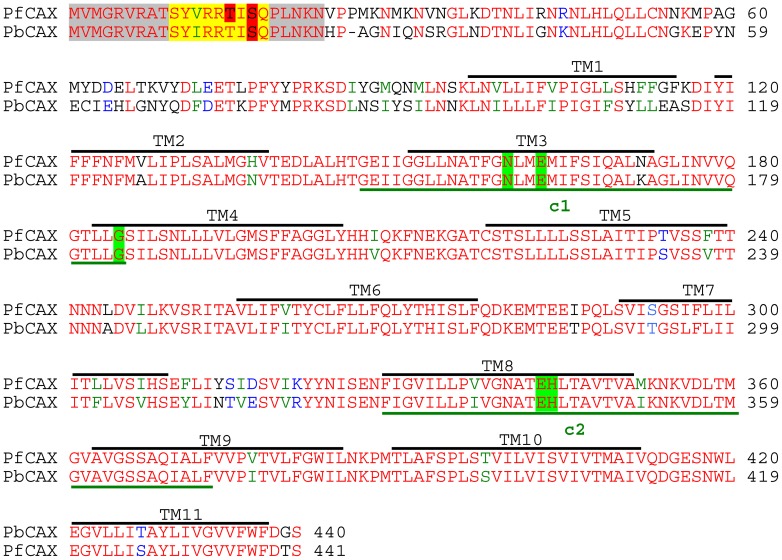
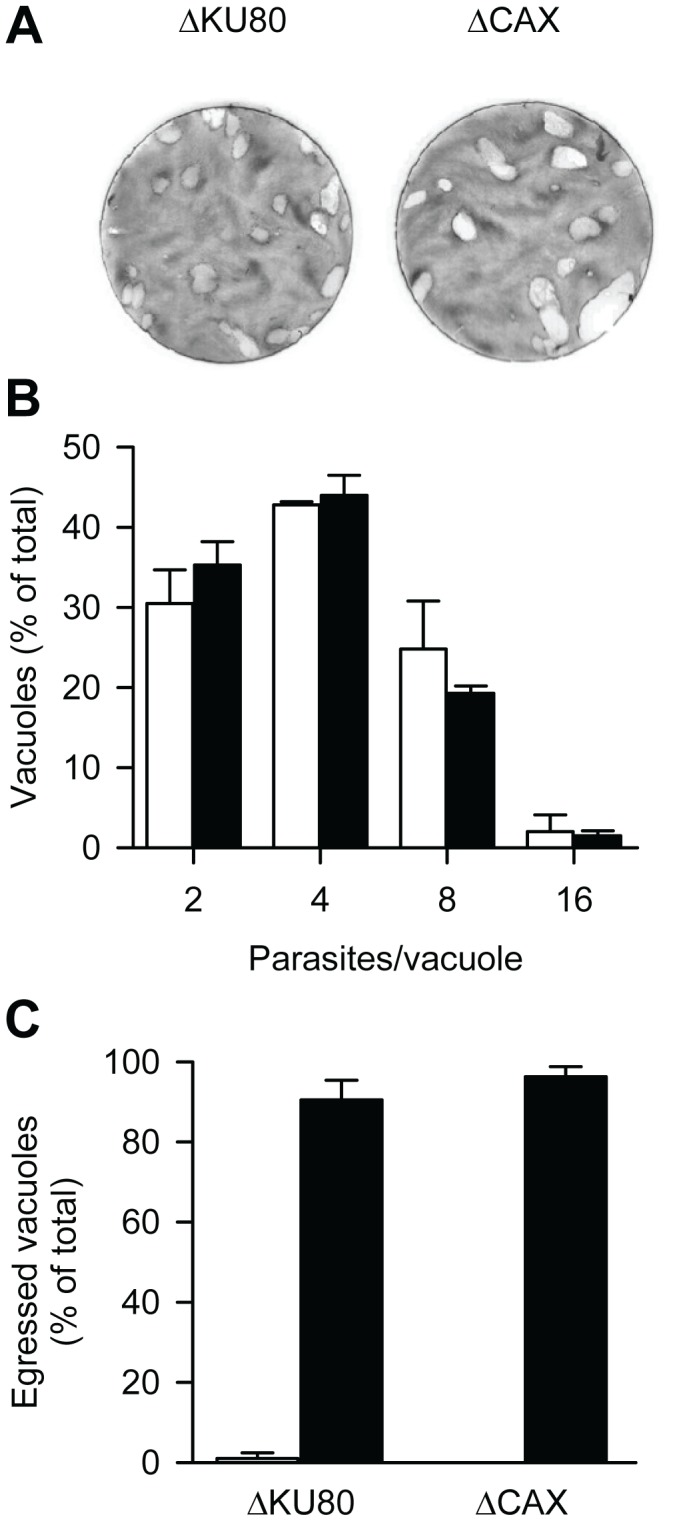
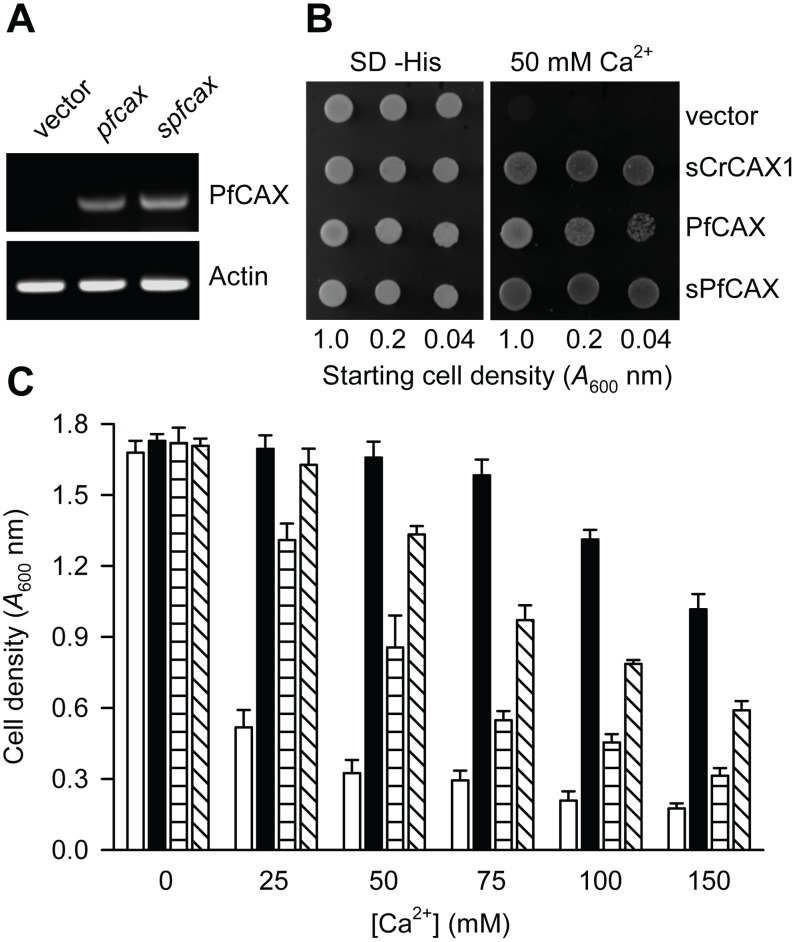
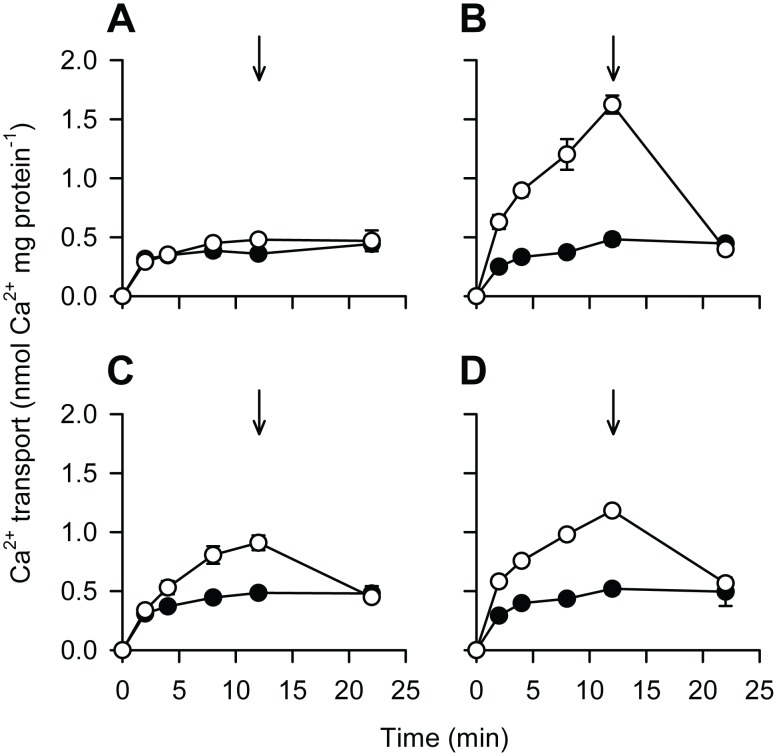
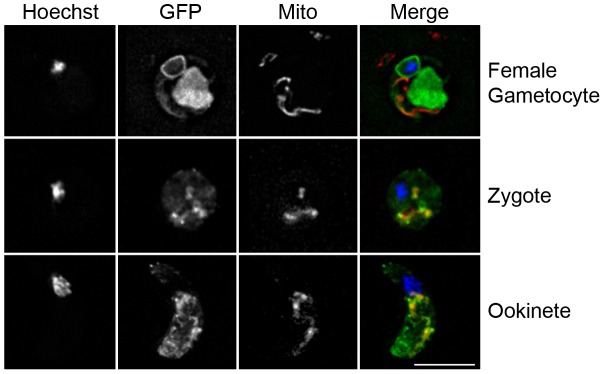
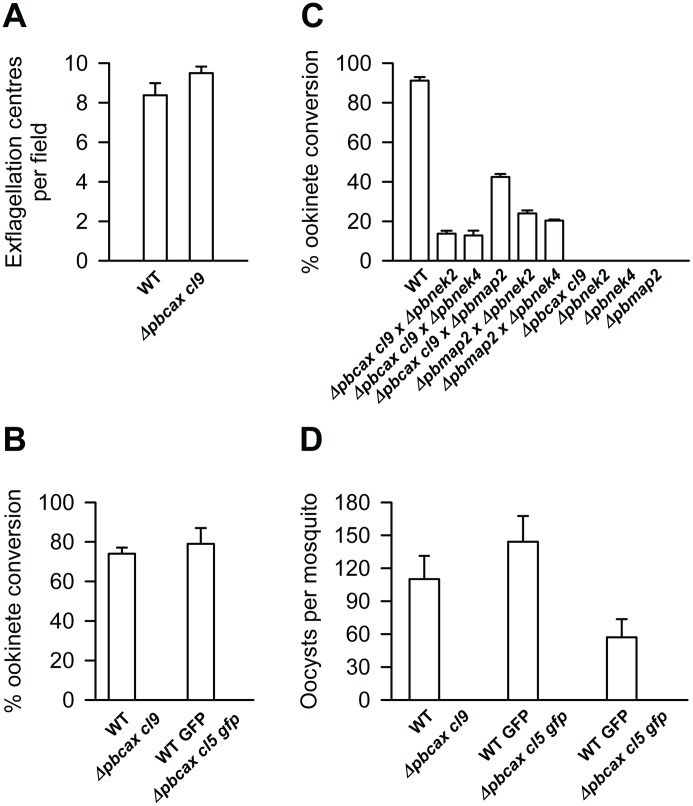
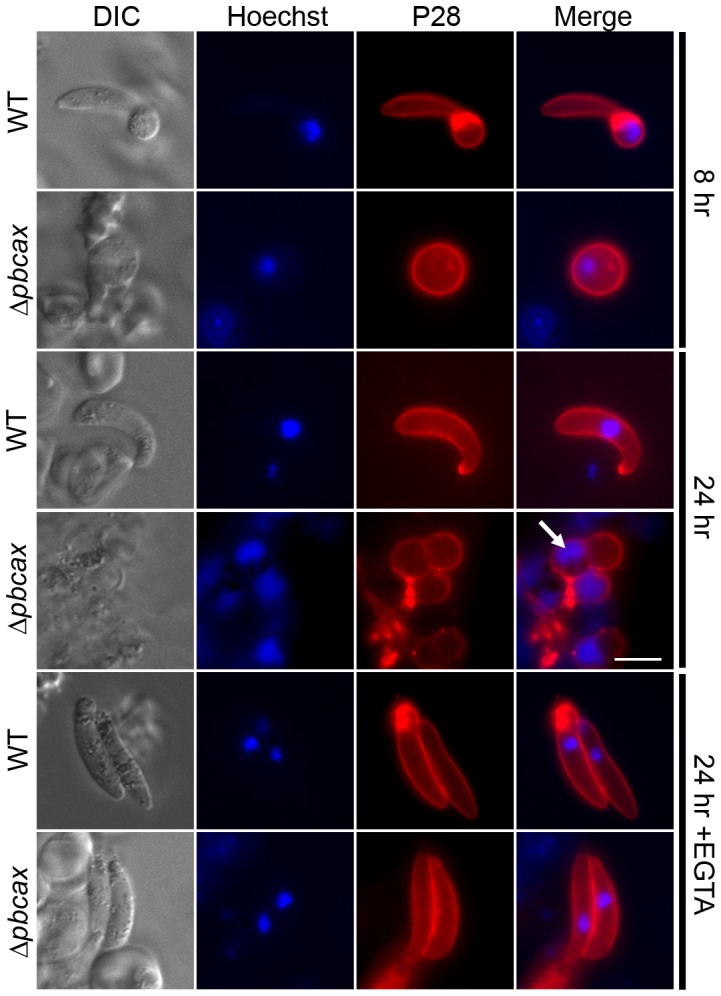
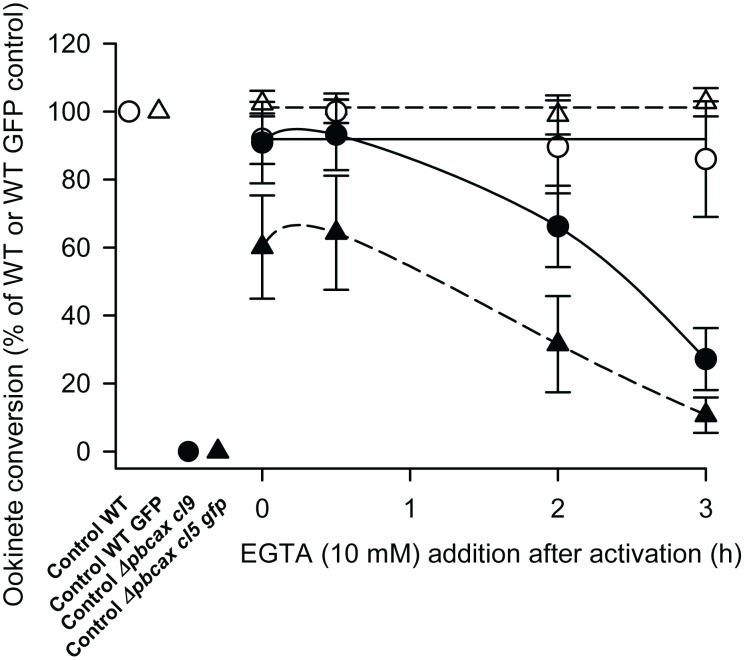
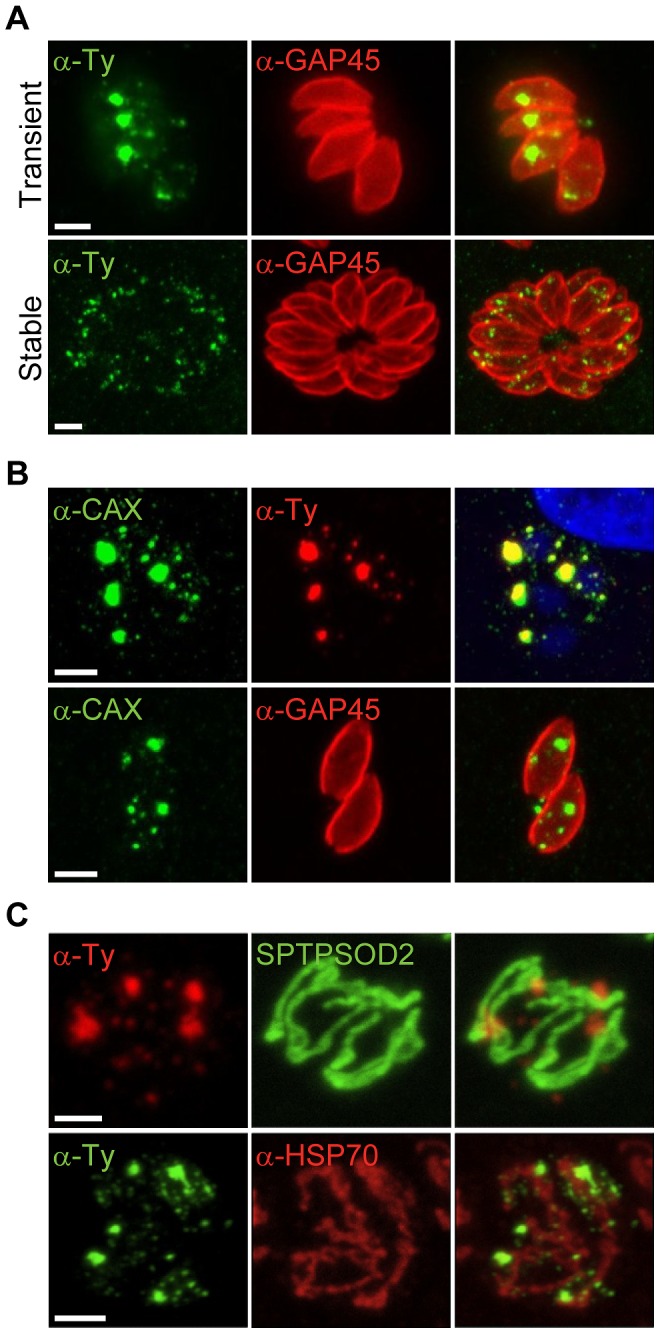
Ca(2+) contributes to a myriad of important cellular processes in all organisms, including the apicomplexans, Plasmodium and Toxoplasma. Due to its varied and essential roles, free Ca(2+) is tightly regulated by complex mechanisms. These mechanisms are therefore of interest as putative drug targets. One pathway in Ca(2+) homeostatic control in apicomplexans uses a Ca(2+)/H(+) exchanger (a member of the cation exchanger family, CAX). The P. falciparum CAX (PfCAX) has recently been characterised in asexual blood stage parasites. To determine the physiological importance of apicomplexan CAXs, tagging and knock-out strategies were undertaken in the genetically tractable T. gondii and P. berghei parasites. In addition, a yeast heterologous expression system was used to study the function of apicomplexan CAXs. Tagging of T. gondii and P. berghei CAXs (TgCAX and PbCAX) under control of their endogenous promoters could not demonstrate measureable expression of either CAX in tachyzoites and asexual blood stages, respectively. These results were consistent with the ability of parasites to tolerate knock-outs of the genes for TgCAX and PbCAX at these developmental stages. In contrast, PbCAX expression was detectable during sexual stages of development in female gametocytes/gametes, zygotes and ookinetes, where it was dispersed in membranous networks within the cytosol (with minimal mitochondrial localisation). Furthermore, genetically disrupted parasites failed to develop further from "round" form zygotes, suggesting that PbCAX is essential for ookinete development and differentiation. This impeded phenotype could be rescued by removal of extracellular Ca(2+). Therefore, PbCAX provides a mechanism for free living parasites to multiply within the ionic microenvironment of the mosquito midgut. Ca(2+) homeostasis mediated by PbCAX is critical and suggests plasmodial CAXs may be targeted in approaches designed to block parasite transmission.
钙(Ca2+)在所有生物体的许多重要细胞过程中都发挥作用,包括顶复门生物、疟原虫和弓形虫。由于其多样化和必需的作用,游离 Ca2+受到复杂机制的严格调节。因此,这些机制作为潜在的药物靶点很有研究价值。顶复门生物中钙稳态控制的一条途径使用钙(Ca2+)/H+(氢离子)交换器(阳离子交换家族的一员,CAX)。疟原虫 CAX(PfCAX)最近在无性血期寄生虫中得到了特征描述。为了确定顶复门 CAX 的生理重要性,在遗传上可操作的弓形虫和伯氏疟原虫寄生虫中采用了标记和敲除策略。此外,还使用酵母异源表达系统研究了顶复门 CAX 的功能。在各自的内源性启动子控制下对 T. gondii 和 P. berghei CAX(TgCAX 和 PbCAX)进行标记,在分别处于速殖子和无性血期阶段时,均无法检测到 CAX 的可测量表达。这些结果与寄生虫在这些发育阶段能够耐受 TgCAX 和 PbCAX 基因敲除的能力一致。相比之下,PbCAX 在雌性配子体/配子、合子和动合子的有性发育阶段中可检测到表达,在细胞质中分散在膜状网络中(线粒体定位最小)。此外,遗传上破坏的寄生虫无法从“圆形”合子进一步发育,表明 PbCAX 对动合子发育和分化至关重要。这种受阻的表型可以通过去除细胞外 Ca2+来挽救。因此,PbCAX 为自由生活的寄生虫在蚊子中肠的离子微环境中繁殖提供了一种机制。PbCAX 介导的 Ca2+稳态至关重要,并表明疟原虫 CAX 可能成为阻断寄生虫传播的方法的靶点。