Department of Biomedical Engineering, University of California, Davis, CA 95616, USA.
Ann Biomed Eng. 2013 Sep;41(9):1899-912. doi: 10.1007/s10439-013-0783-9. Epub 2013 Mar 13.
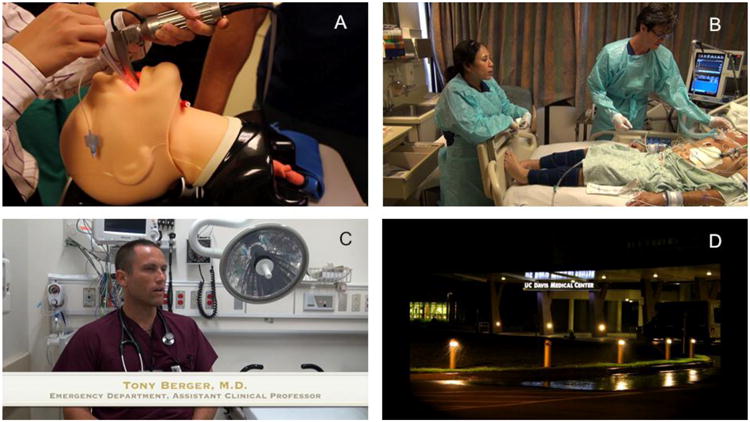
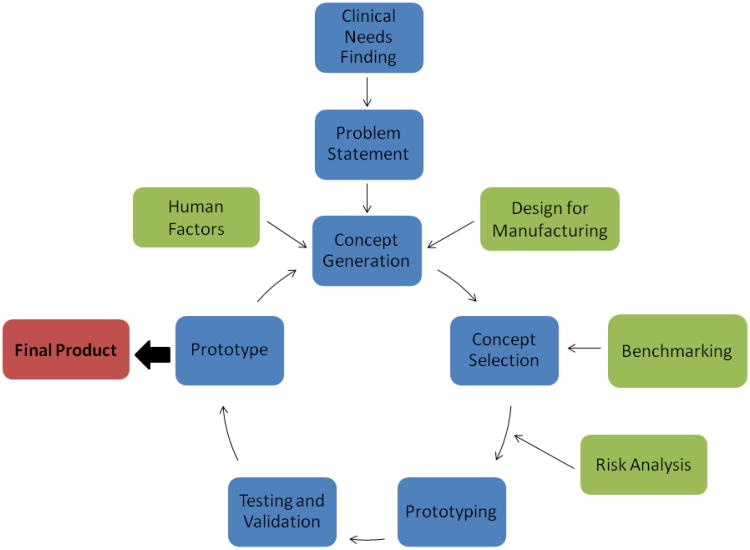
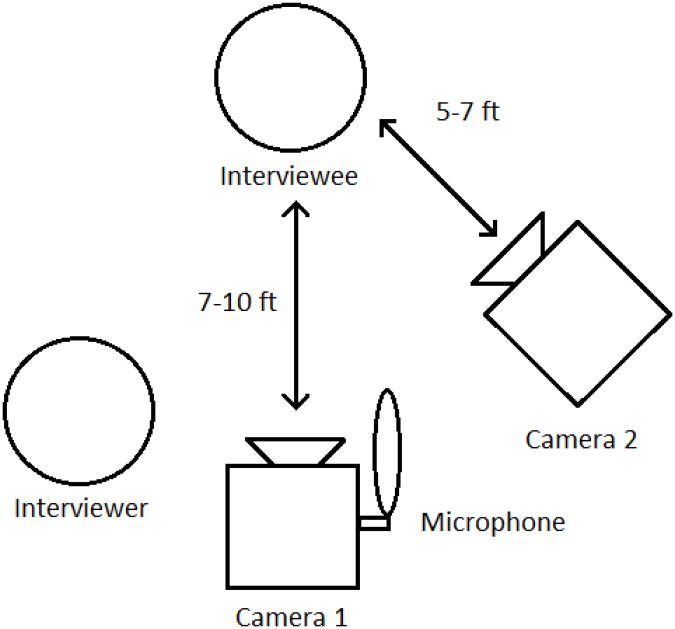
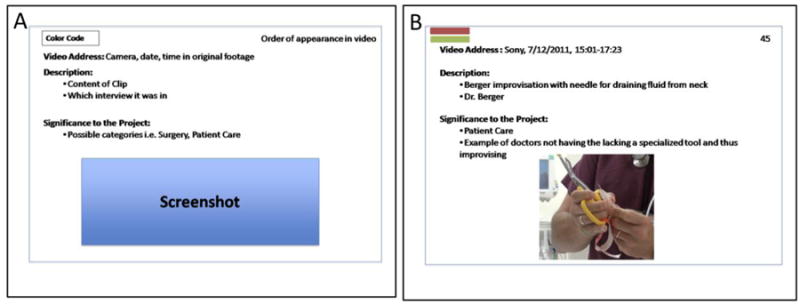
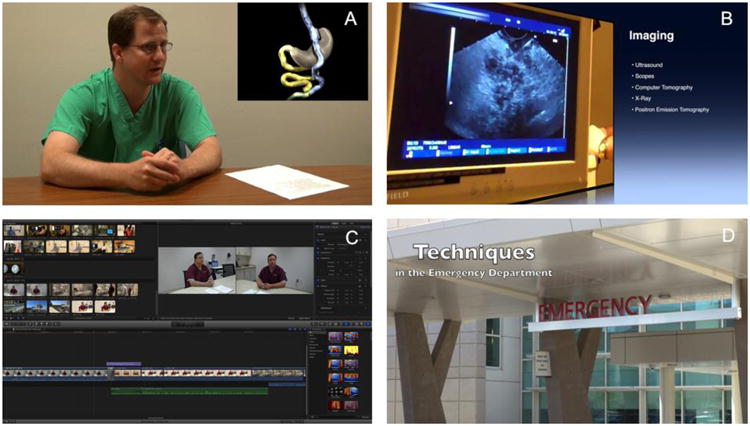
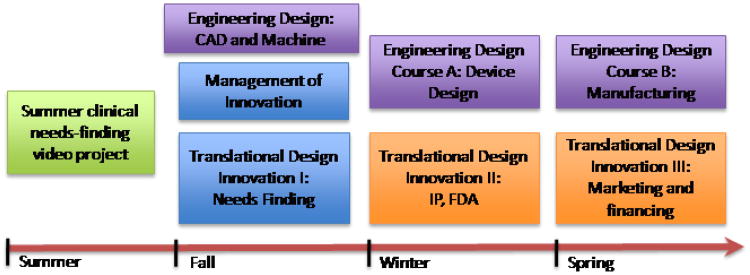
We describe an innovative program at the University of California, Davis for students to engage in clinical needs finding. Using a team-based approach, students participated in clinical rotations to observe firsthand the needs of clinicians at the university affiliated medical center. The teams were asked to develop documentary-style videos to capture key experiences that would allow future viewers to use the videos as "virtual" clinical rotations. This was conceived as a strategy to allow students in prohibitively large classes, or students in programs at institutions without associated medical or veterinary school programs, to experience clinical rotations and perform needs assessments. The students' perspectives on the experience as well as instructor analysis of best practices for this type of activity are presented and discussed. We found that the internship experience was valuable to the students participating, by not only introducing the practice of needs finding but also increasing the students' confidence in the practice of engineering design and their ability to work independently. The videos produced were of such high quality that instructors from other institutions have requested copies for instructional use. Virtual clinical rotations through video experiences may provide a reasonable substitute for students who do not have the ability to participate in rotations in person.
我们描述了加利福尼亚大学戴维斯分校的一项创新计划,让学生参与临床需求发现。通过团队合作的方式,学生们参加临床轮转,亲身体验大学附属医院临床医生的需求。这些团队被要求制作纪录片式的视频,以捕捉关键经验,让未来的观众可以将这些视频用作“虚拟”临床轮转。这被设想为一种策略,让那些在人数过多的班级或在没有相关医学或兽医学院项目的机构就读的学生,能够体验临床轮转并进行需求评估。我们介绍并讨论了学生对这种体验的看法,以及教师对这种活动的最佳实践的分析。我们发现,实习经历对参与的学生很有价值,不仅介绍了需求发现的实践,还增强了学生对工程设计实践的信心,以及他们独立工作的能力。制作的视频质量非常高,以至于其他机构的教师也要求提供视频副本以供教学使用。通过视频体验进行虚拟临床轮转可能为那些无法亲自参加轮转的学生提供一个合理的替代方案。