Department of Orthopaedics, Tianjin Medical University General Hospital, Anshan Road 154, Heping District, Tianjin, 300052, PR China.
BMC Infect Dis. 2013 Mar 7;13:128. doi: 10.1186/1471-2334-13-128.
Although cryptococcosis mainly occurs in the central nervous system and lungs in immunocompromised hosts, it can involve any body site or structure. Here we report the first case of primary cryptococcosis of a lumbar vertebra without involvement of the central nervous system or lungs in a relatively immunocompromised individual with rheumatoid arthritis and scleroderma.
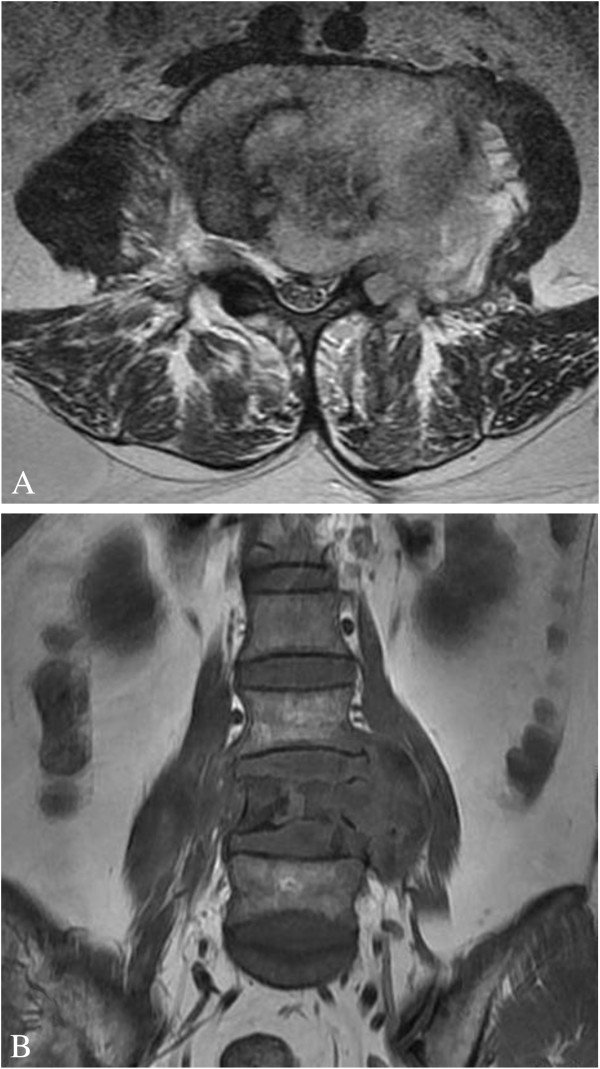
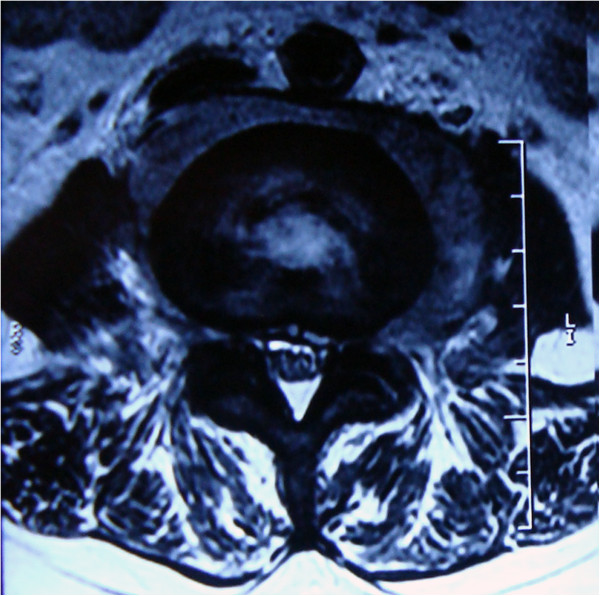
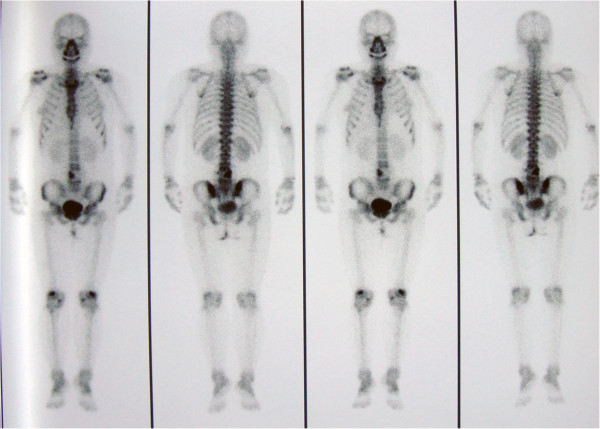
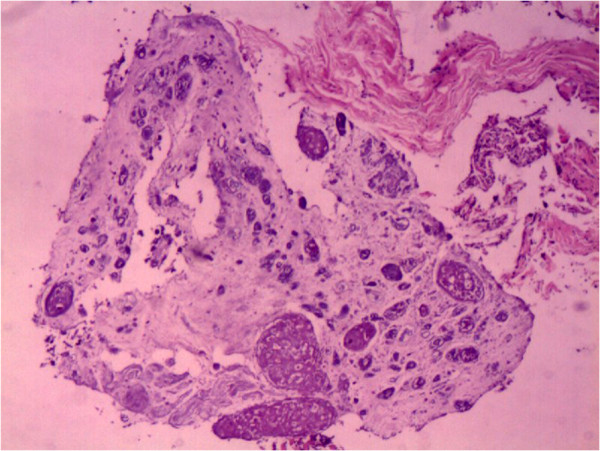
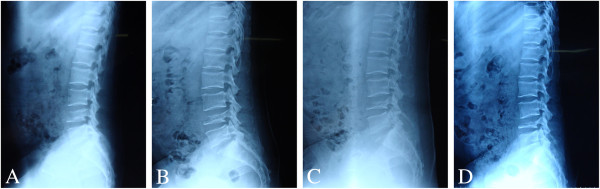
A 40-year-old Chinese woman with rheumatoid arthritis diagnosed 1 year beforehand and with a subsequent diagnosis of scleroderma was found to have an isolated cryptococcal infection of the fourth lumbar vertebra. Her main complaints were severe low back and left leg pain. Cryptococcosis was diagnosed by CT-guided needle biopsy and microbiological confirmation; however, serum cryptococcal antigen titer was negative. After 3 months of antifungal therapy with fluconazole the patient developed symptoms and signs of scleroderma, which was confirmed on laboratory tests. After taking fluconazole for 6 months, the progressive destruction of the lumbar vertebral body had halted and the size of an adjacent paravertebral mass had decreased substantially. On discharge symptoms had resolved and at an annual follow-up there was no evidence of recurrence on the basis of symptoms, signs or imaging investigations.
Although cryptococcosis of the lumbar vertebra is extremely rare, it should be considered in the differential diagnosis for patients with lumbar vertebral masses to avoid missed diagnosis, misdiagnosis and diagnostic delay. Early treatment with antifungals proved to be a satisfactory alternative to surgery in this relatively immunocompromised patient. Any residual spinal instability can be treated later, once the infection has resolved.
虽然隐球菌病主要发生于免疫功能低下宿主的中枢神经系统和肺部,但它也可以累及任何身体部位或结构。在此,我们报告首例在免疫功能相对低下的类风湿关节炎和硬皮病患者中,无中枢神经系统或肺部受累的腰椎原发性隐球菌病。
一名 40 岁的中国女性,1 年前被诊断为类风湿关节炎,随后又被诊断为硬皮病,她被发现患有孤立性第四腰椎隐球菌感染。她的主要症状是严重的腰痛和左腿疼痛。隐球菌病通过 CT 引导下的针吸活检和微生物学确认诊断;然而,血清隐球菌抗原滴度为阴性。在氟康唑抗真菌治疗 3 个月后,患者出现硬皮病的症状和体征,实验室检查结果证实了这一点。在服用氟康唑 6 个月后,腰椎体的进行性破坏停止,相邻椎旁肿块的大小显著缩小。出院时症状已缓解,在年度随访时,根据症状、体征或影像学检查,没有复发的证据。
虽然腰椎隐球菌病极为罕见,但对于有腰椎肿块的患者,应考虑将其作为鉴别诊断,以避免漏诊、误诊和诊断延误。早期使用抗真菌药物治疗对这位相对免疫功能低下的患者来说是一种替代手术的满意方法。一旦感染得到解决,任何残留的脊柱不稳定都可以在以后进行治疗。