Wang Wei, Zhao Feng, Fang Yong, Li Xiantao, Shen Lei, Cao Tongwa, Zhu Hechen
Crit Care. 2013 Mar 11;17(2):R44. doi: 10.1186/cc12558.
Glycyrrhizin (GL) was recently found to suppress high-mobility group box 1 (HMGB1)-induced injury by binding directly to it. However, the effect of GL on HMGB1 expression in endotoxemia as well as its underlying molecular mechanism remained unclear.
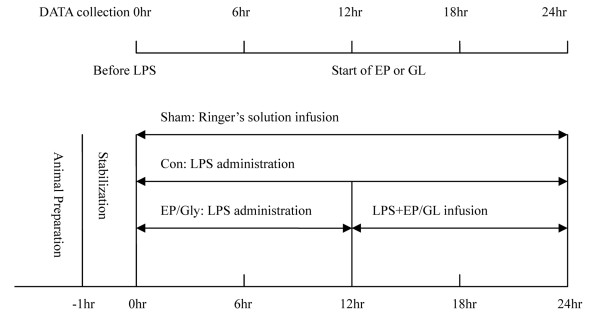
Twenty-one pigs were divided into four groups: sham group (n=3), control group (n=6), ethyl pyruvate group (n=6) and glycyrrhizin group (n=6). Pigs were anesthetized, mechanically ventilated, monitored and given a continuous intravenous infusion of lipopolysaccharide (LPS). Twelve hours after the start of the LPS infusion, ethyl pyruvate (30 mg/kg/hr) or glycyrrhizin (1 mg/kg/hr) was administered for 12 hours. Systemic and pulmonary hemodynamics, oxygen exchange, and metabolic status were measured. The concentrations of cytokines in serum and the corresponding gene and protein expressions in tissue samples from liver, lungs, kidneys, small intestine and lymph nodes were measured.
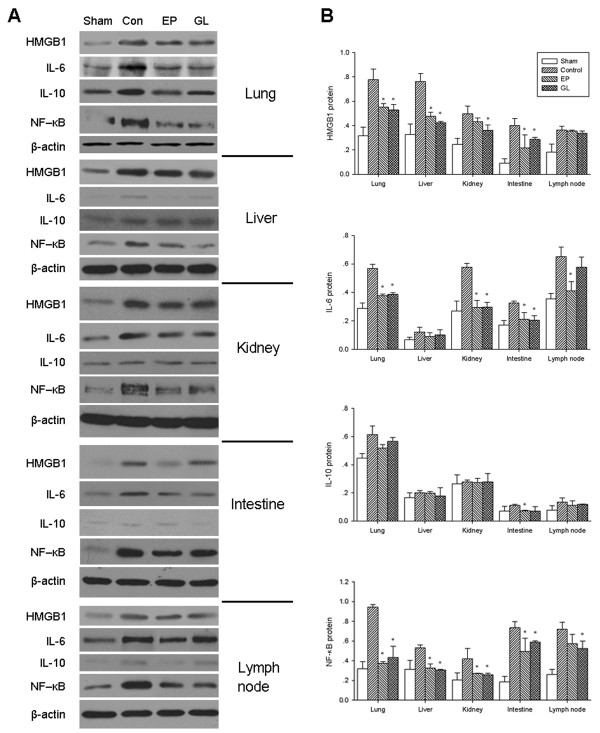
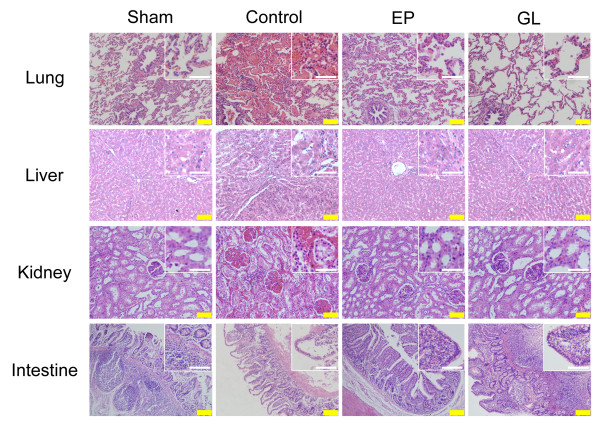
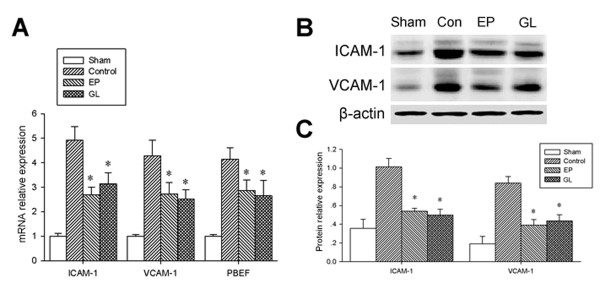
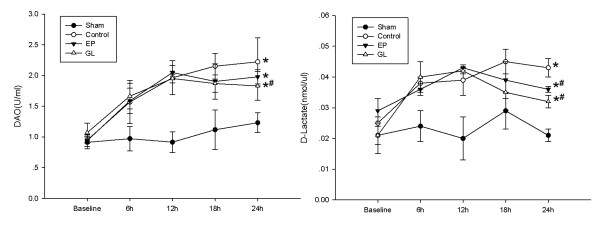
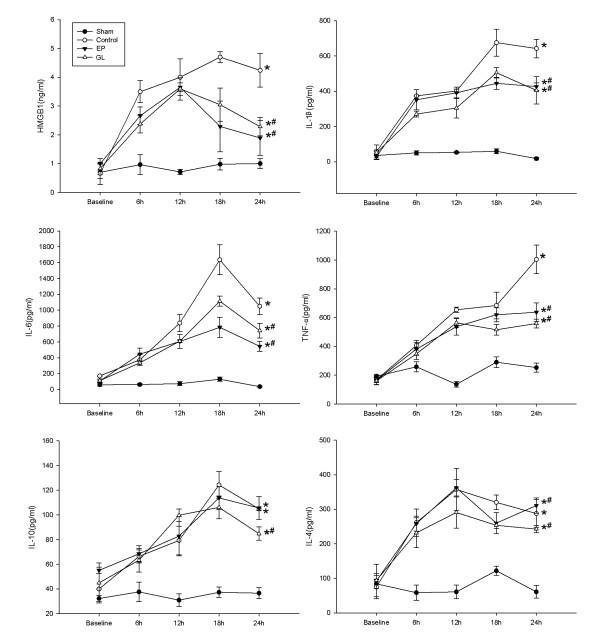
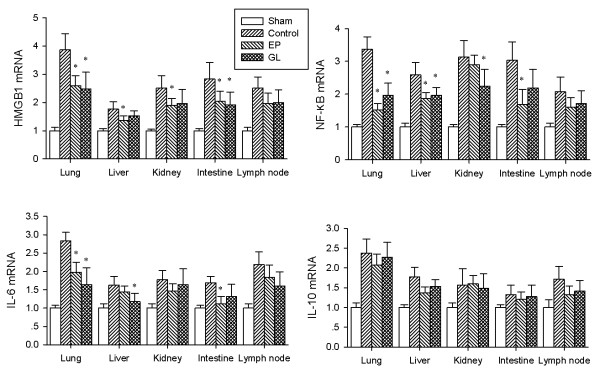
GL maintained the stability of systemic hemodynamics and improved pulmonary oxygen exchange and metabolic status. GL also attenuated organ injury and decreased the serum levels of HMGB1 and other pro-inflammatory cytokines by inhibiting their gene and protein expression.
GL improved systemic hemodynamics and protected vital organs against porcine endotoxemia through modulation of the systemic inflammatory response. By reducing the serum level and gene expression of HMGB1 and other pro-inflammatory cytokines, GL may become a potential agent for the treatment of sepsis.
最近发现甘草酸(GL)通过直接与高迁移率族蛋白B1(HMGB1)结合来抑制其诱导的损伤。然而,GL对内毒素血症中HMGB1表达的影响及其潜在分子机制仍不清楚。
将21头猪分为四组:假手术组(n = 3)、对照组(n = 6)、丙酮酸乙酯组(n = 6)和甘草酸组(n = 6)。猪麻醉后进行机械通气、监测,并持续静脉输注脂多糖(LPS)。在LPS输注开始12小时后,给予丙酮酸乙酯(30 mg/kg/小时)或甘草酸(1 mg/kg/小时),持续12小时。测量全身和肺循环血流动力学、氧交换及代谢状态。检测血清中细胞因子浓度以及肝、肺、肾、小肠和淋巴结组织样本中相应基因和蛋白表达。
GL维持了全身血流动力学的稳定性,改善了肺氧交换和代谢状态。GL还减轻了器官损伤,通过抑制HMGB1和其他促炎细胞因子的基因和蛋白表达降低了它们的血清水平。
GL通过调节全身炎症反应改善了全身血流动力学,并保护重要器官免受猪内毒素血症的影响。通过降低HMGB1和其他促炎细胞因子的血清水平及基因表达,GL可能成为治疗脓毒症的潜在药物。